
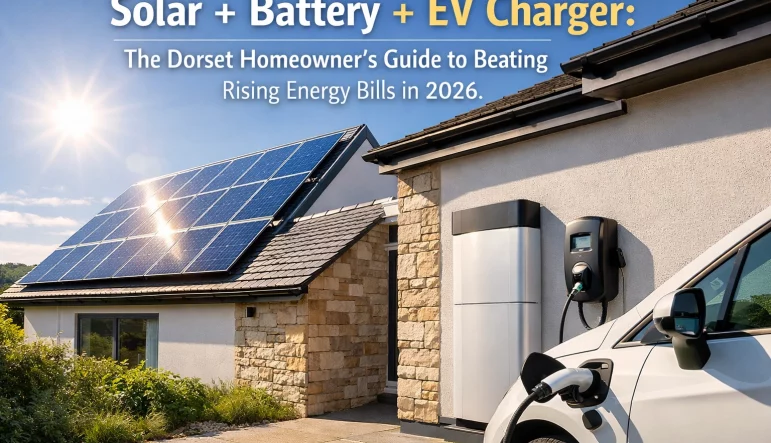
Energy bills keep climbing, but there's a better way forward. If you're a homeowner across Dorset, Hampshire, or Wiltshire, the smart money in 2026 is on combining solar panels, battery storage, and an EV charger into one integrated system.
We've been installing electrical systems for over 20 years, and we're seeing more clients make this investment. It's not just about going green: it's about taking control of your energy costs and reducing dependence on the grid.
Think of it as a complete energy ecosystem rather than three separate installations. Solar panels generate power during the day. Battery storage captures what you don't immediately use. Your EV charger taps into that stored energy instead of pulling from the grid at peak rates.
The synergy is what makes this powerful. Without battery storage, excess solar generation gets exported back to the grid at roughly 4-15p per kWh. With batteries, you store that power and use it during evening peak times when grid electricity costs 25-30p per kWh. That's where the real savings stack up.
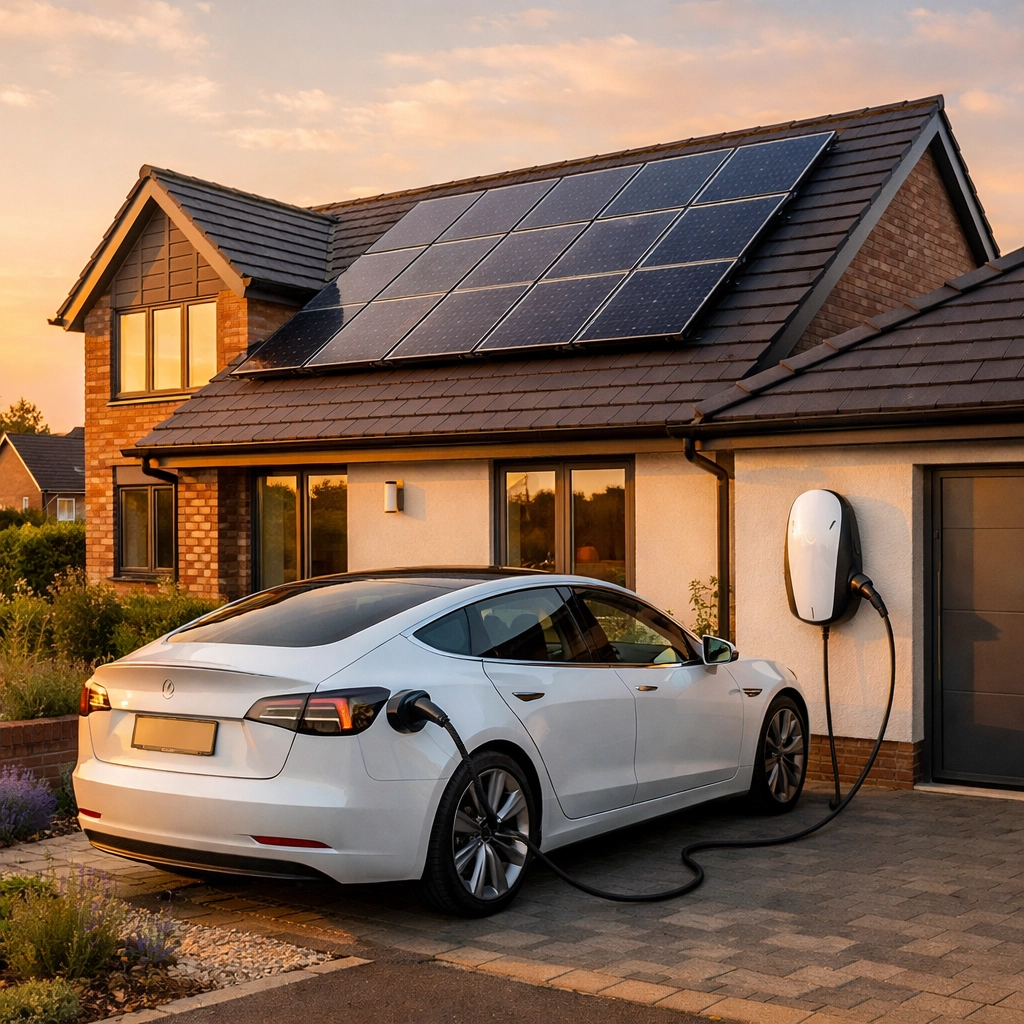
For EV owners, the benefit multiplies. Instead of charging your vehicle overnight at standard rates, you're using your own stored solar energy. On a typical sunny day in Dorset, a well-sized solar array can generate enough surplus to add 20-30 miles of range to your EV: essentially free motoring.
Solar PV Arrays: For most homes across Bournemouth, Poole, and Ringwood, a 4-6kW system covers a good portion of daytime electricity needs. That's typically 10-16 panels depending on your roof orientation and available space. South-facing installations perform best, but east-west splits can work well with battery storage to capture morning and evening generation.
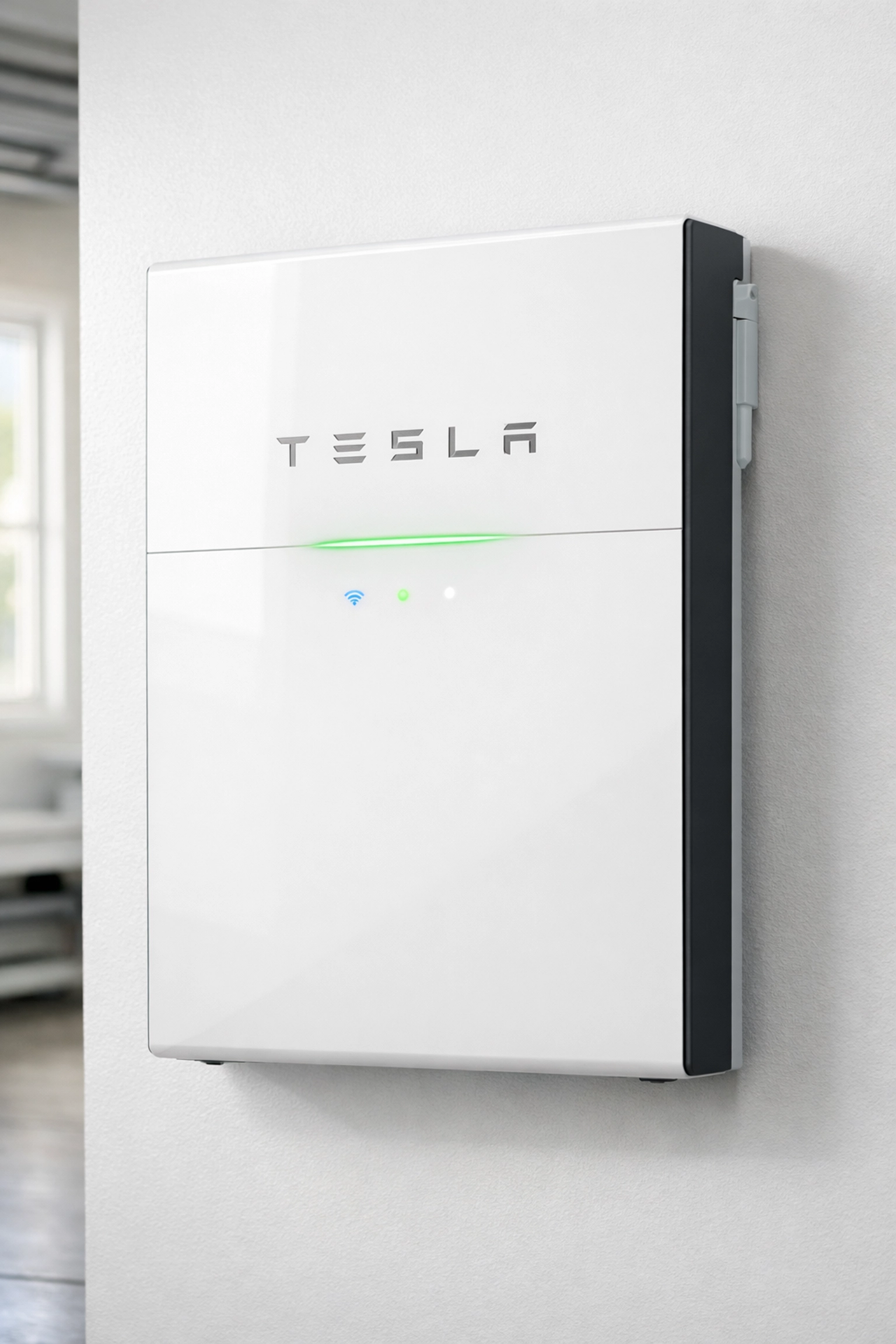
Battery Storage Options: The Tesla Powerwall 3 remains popular at around £7,500 installed, offering 13.5 kWh of usable storage with full-house backup capability. Alternative options like the Solar Edge Energy Bank provide 9.7 kWh for approximately £8,000. Both integrate seamlessly with solar installations and EV chargers.
Storage capacity matters. A 10kWh battery stores enough power to run typical household loads through the evening and charge an EV overnight. Larger properties or those with higher consumption may benefit from 13.5kWh or even dual battery setups.
EV Charger Installation: Standard 7kW home chargers cost between £800-£1,800 fully installed. We fit units with smart app control that lets you schedule charging for when your batteries are full or when grid rates drop. Solar-integrated chargers can be programmed to prioritize stored solar energy first, then switch to grid power only when needed.
Installation typically takes 4-6 hours for straightforward setups. More complex jobs: like running cables to detached garages or upgrading consumer units: might extend to a full day.
Total system costs vary based on property specifics, but a typical combined package breaks down roughly like this:
You're looking at £14,000-£19,000 for a complete system. Before you wince at that figure, consider the payback.
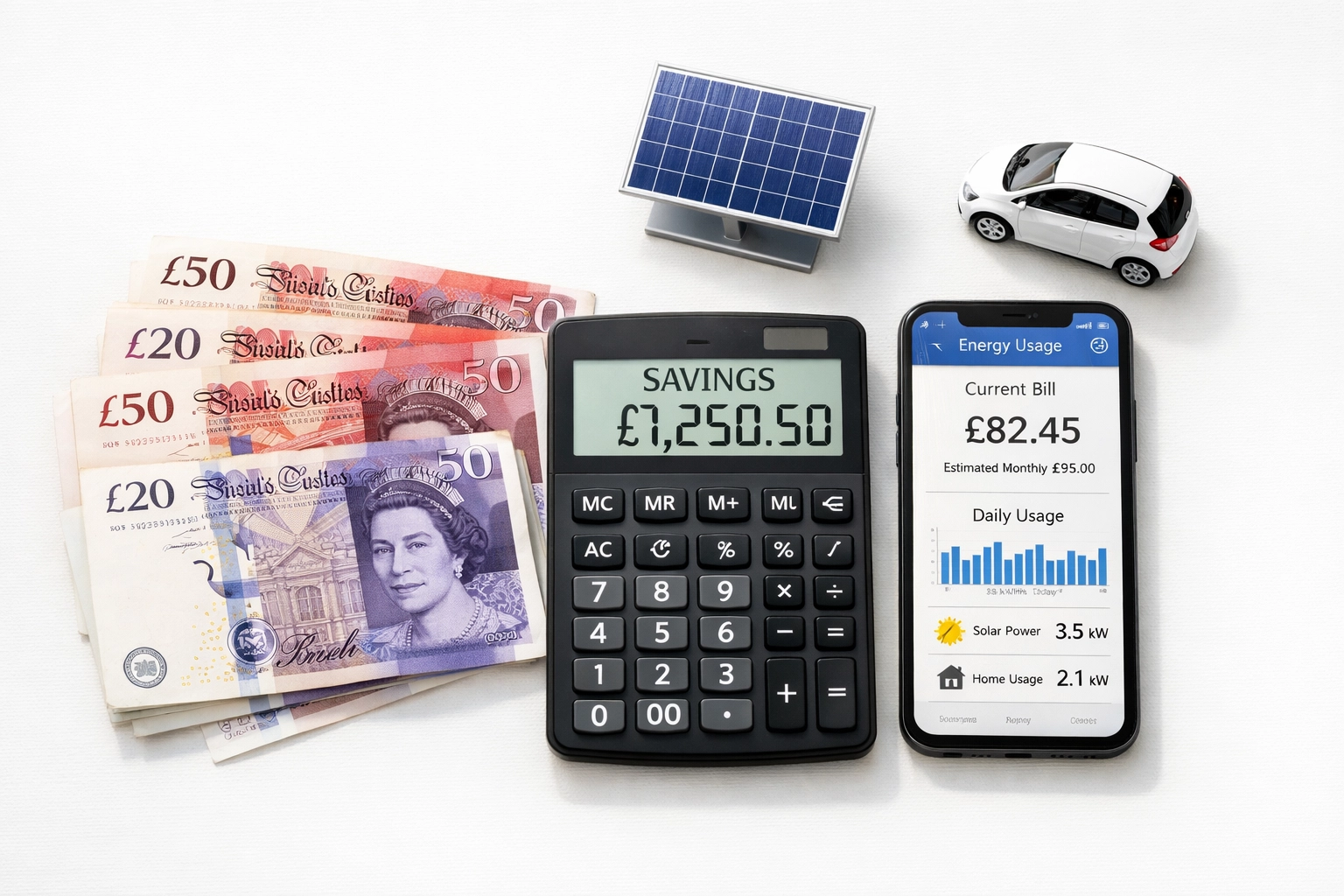
A typical Dorset household using 3,500 kWh annually and driving 10,000 miles (adding roughly 3,000 kWh for EV charging) spends around £1,900 yearly at current rates. With this setup, you can realistically cut grid electricity purchases by 60-75%, saving £1,200-£1,400 annually. That's a 10-14 year payback period, but solar panels last 25+ years and batteries typically 10-15 years.
Factor in rising energy costs: which seem inevitable: and that payback accelerates. Government grants for EV chargers (up to £350 through the EVHS scheme) help offset initial costs as well.
Before any work starts, we carry out a full electrical load assessment. This checks your existing consumer unit capacity, circuit condition, and whether upgrades are needed. Properties across Hampshire and Wiltshire vary considerably: a 1980s bungalow has very different requirements than a Victorian terrace in Bournemouth.
Our City & Guilds qualified electricians handle Distribution Network Operator (DNO) notifications where required. For standard 7kW EV chargers, this is usually straightforward paperwork rather than a barrier. Solar and battery installations may require DNO approval depending on system size and your connection type.
The installation sequence typically runs: solar panels first, then battery storage integration, followed by EV charger fitting. This staged approach lets us test and commission each component properly before moving to the next.
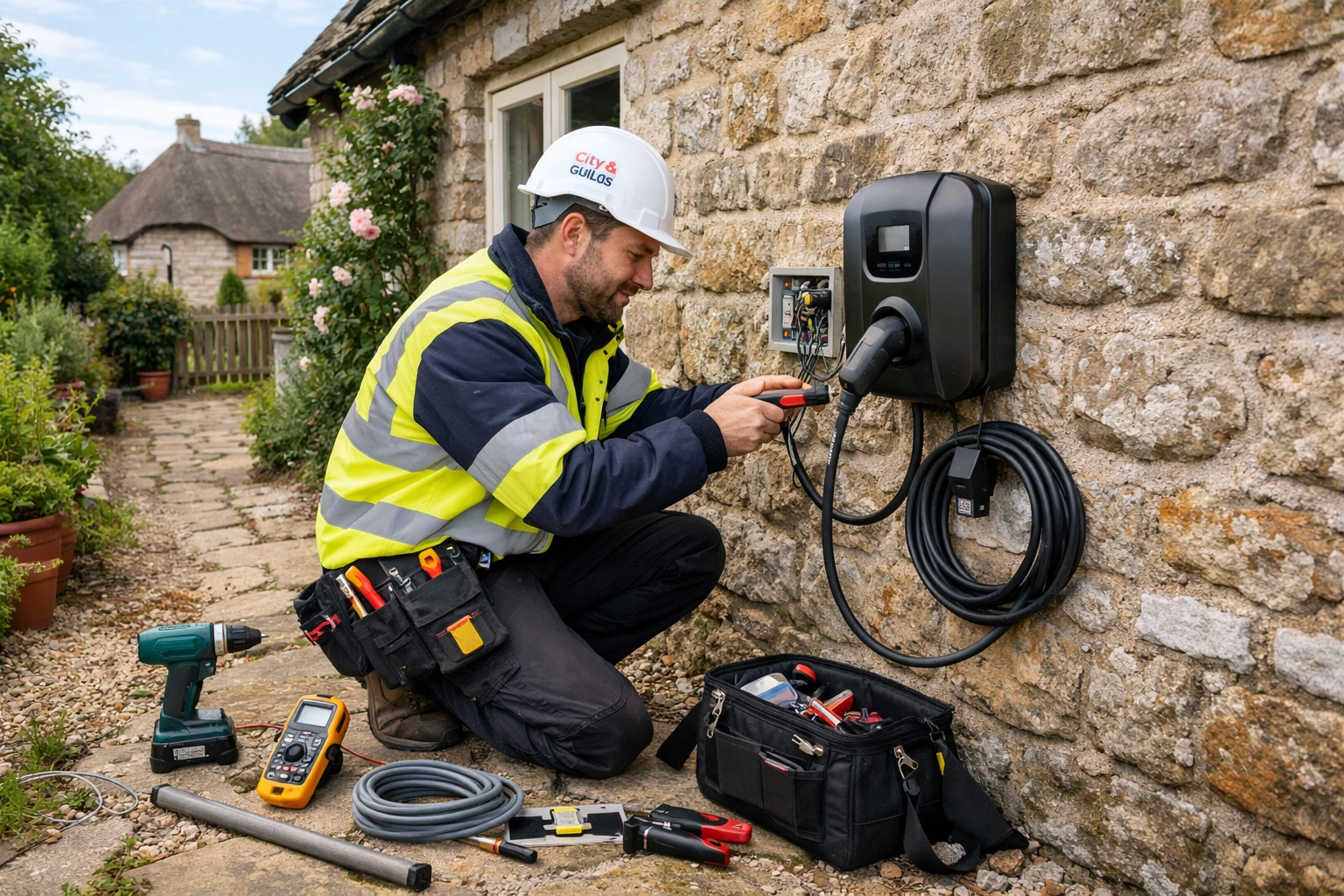
All work comes with relevant certification: MCS for solar installations, compliance certificates for electrical work, and manufacturer warranties on equipment. We handle grant applications if you're eligible for EV charger support, taking that admin burden off your plate.
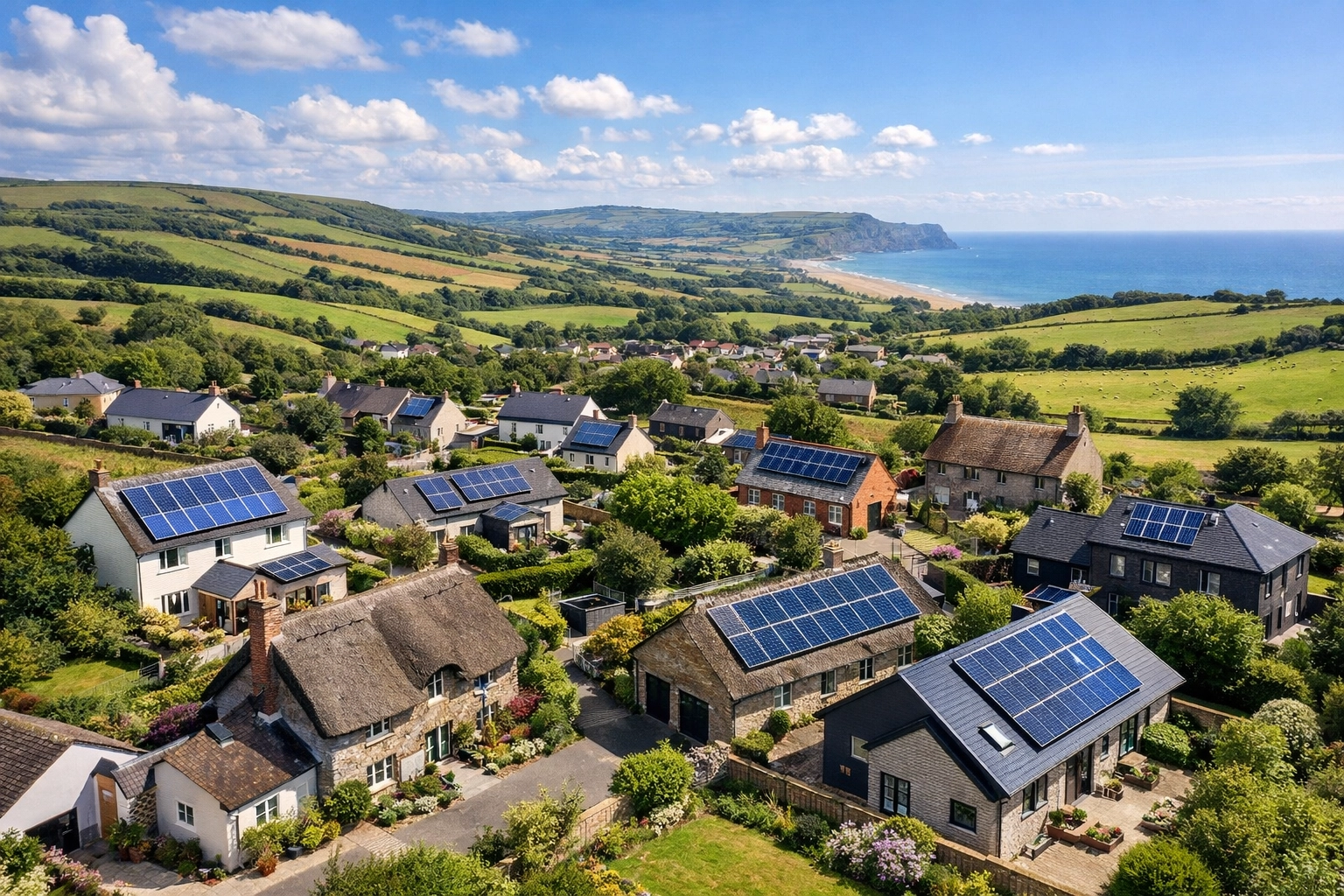
Every area has quirks. We've worked across Dorset, Hampshire, and Wiltshire long enough to know that a cottage in the New Forest presents different challenges than a modern development in Poole. Roof construction varies, incoming supply types differ, and local planning considerations can affect installation approaches.
Listed buildings or properties in conservation areas may need additional permissions. We navigate those conversations with local authorities regularly, so you don't waste time on inappropriate specifications or rejected applications.
Solar generation patterns also vary by microclimate. Coastal Bournemouth gets different solar hours than inland Ringwood. We size systems based on realistic local generation data, not optimistic manufacturer claims.
Ongoing support matters too. When you need system adjustments, battery firmware updates, or technical support, having a local team within 30-40 minutes makes life simpler than dealing with distant call centers.
The key question: does your property suit this investment? If you're driving significant annual mileage in an EV, have decent south-facing roof space, and plan to stay in your home for 10+ years, the economics work strongly in your favour.
Properties with older electrical installations may need consumer unit upgrades before adding these systems. That's not a deal-breaker: it's often necessary work anyway: but it affects total project costs.
We start every consultation with a site survey. No hard sell, just honest assessment of whether solar, battery, and EV charging makes sense for your specific situation. Sometimes it doesn't, and we'll tell you that upfront.
For homeowners across Dorset, Hampshire, and Wiltshire ready to take control of energy costs in 2026, combining these three technologies delivers the most comprehensive solution available. The grid isn't going anywhere, but there's real satisfaction in watching your meter spin backwards while your car charges from sunshine.
Get in touch with our team to arrange a no-obligation site assessment. We'll run through your property specifics, energy usage patterns, and realistic savings projections. After 20+ years in this industry, we're focused on installations that actually deliver rather than glossy promises that underperform.