
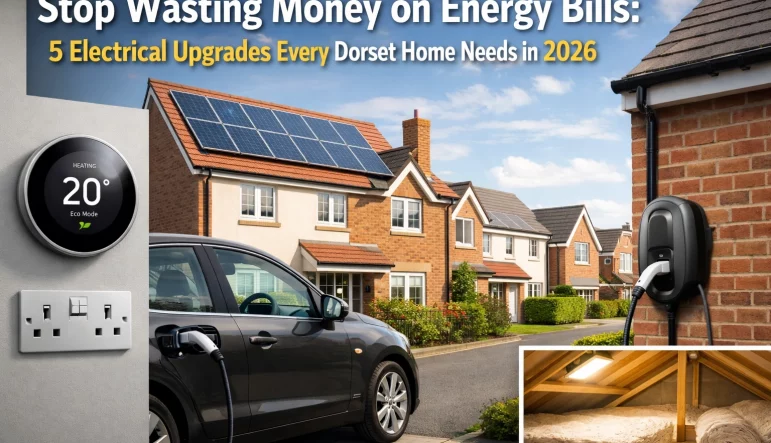
Let's be honest: energy bills in Dorset aren't getting any cheaper. If you've been watching your monthly costs creep up, you're not alone. The good news? A few smart electrical upgrades can make a massive difference to how much you're spending each year.
We're not talking about complicated overhauls or breaking the bank. These are practical, proven upgrades that pay for themselves over time and make your home more comfortable in the process. Whether you're in Bournemouth, Poole, or anywhere across Dorset, these five electrical improvements should be on your radar in 2026.
This one's the low-hanging fruit, but it's surprising how many Dorset homes are still running old halogen or incandescent bulbs. LED lighting uses up to 90% less energy than traditional bulbs and lasts years longer: we're talking 25,000 hours compared to 1,000 for a standard bulb.

The savings add up fast. A typical Dorset household can save around £35-£50 per year just by switching to LEDs throughout the property. Multiply that by 10 or 15 years (the lifespan of quality LEDs), and you're looking at serious money saved.
Modern LEDs aren't the harsh, cold lights they used to be either. You can get warm white tones that create the same cosy atmosphere as old bulbs, plus dimmable options and smart bulbs that you can control from your phone.
If you've got downlighters in your kitchen or bathroom, replacing those with LED equivalents is one of the quickest wins. A qualified electrician in Dorset can retrofit your existing fittings in a couple of hours, and you'll notice the difference on your next bill.
Heating accounts for about 55% of what you spend on energy bills in a typical UK home. That's huge. A smart thermostat gives you proper control over when and how your heating runs, which means you're not wasting money heating an empty house or keeping rooms warm that nobody's using.
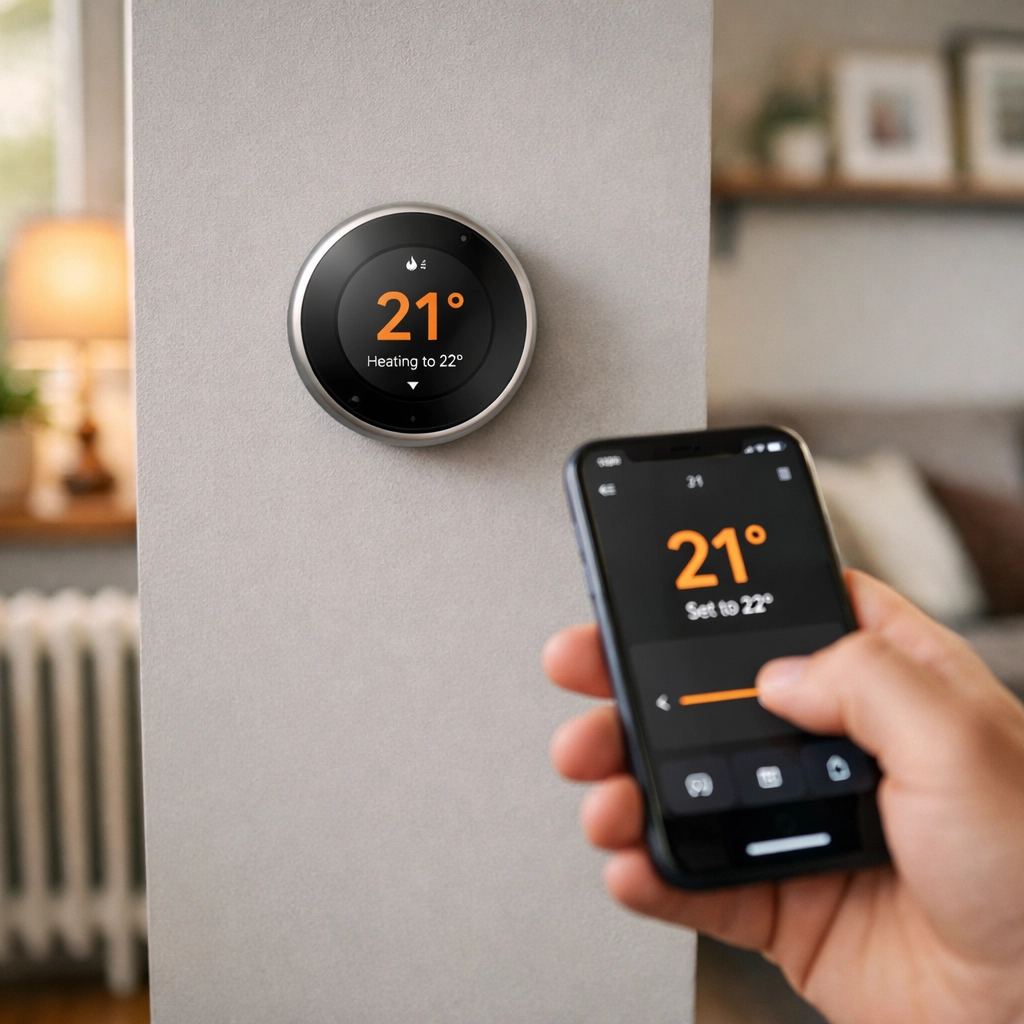
Smart thermostats learn your routine and adjust accordingly. Going out for the day? The heating drops down automatically. Coming home early? You can fire it up from your phone on the way back. Some models even detect when windows are open and pause the heating until you close them.
For Dorset homes with zoned heating systems, smart TRVs (thermostatic radiator valves) are a game-changer. You can set different temperatures for different rooms and schedule them independently. Why heat the spare bedroom to 20°C when nobody's in there?
Installation typically takes a few hours with an electrician in Bournemouth or Poole, and most smart thermostats are compatible with existing combi boilers and system boilers. You're looking at annual savings of £150-£250 depending on your current setup and how much control you gain.
Your consumer unit (fuse box) might seem like something you never think about, but modern smart consumer units are incredibly useful for cutting energy waste. These next-generation boards come with built-in energy monitoring that shows you exactly where your electricity is going: and where you're wasting it.
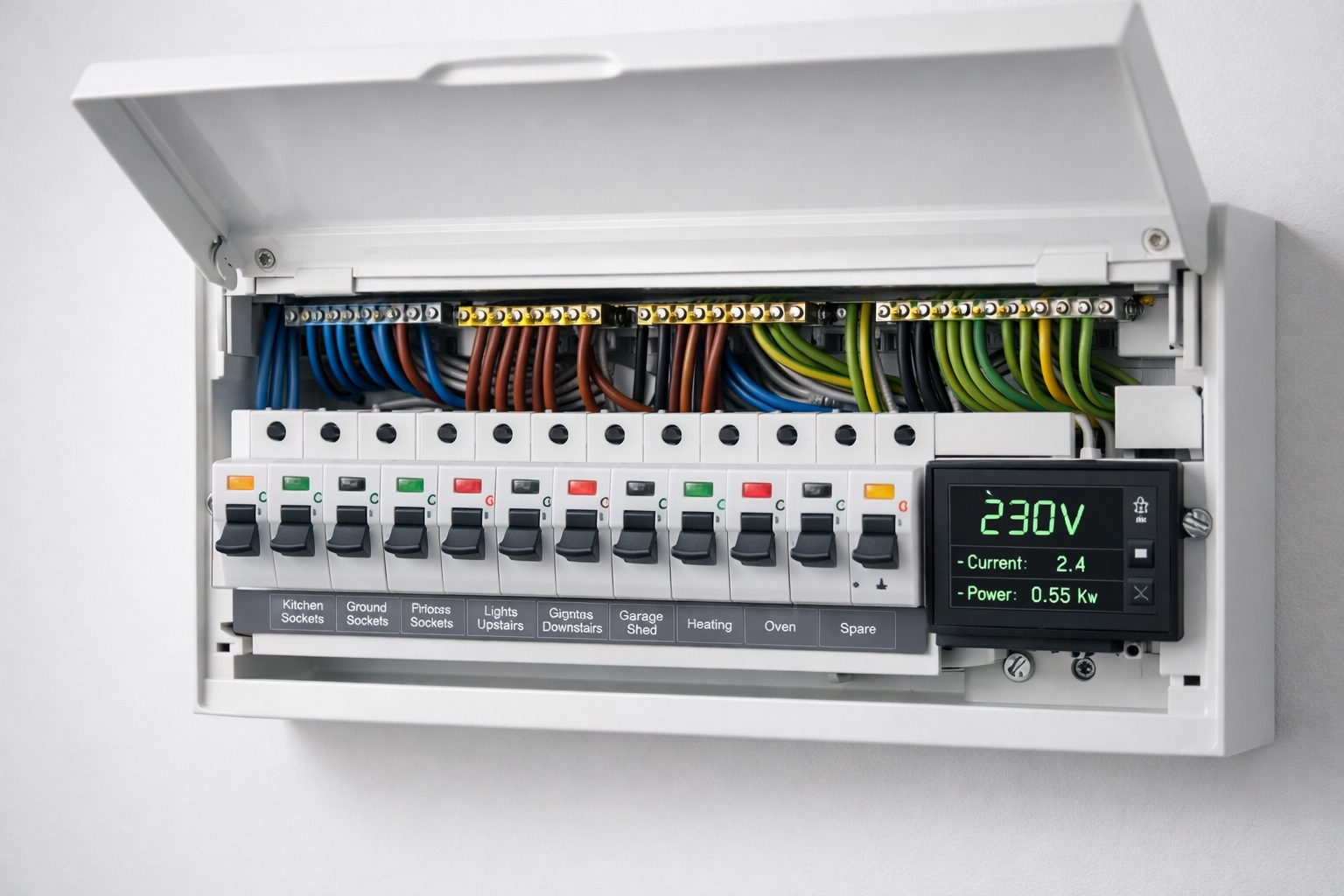
You can see which circuits are using the most power, identify appliances that are guzzling energy on standby, and spot unusual patterns that might indicate a fault or inefficiency. Some smart consumer units even send alerts to your phone if they detect irregular usage.
Beyond monitoring, modern consumer units offer better protection with RCBO devices (residual current circuit breakers with overload protection) on individual circuits rather than shared RCDs. This means if one circuit trips, the rest of your house keeps running: no more losing all your sockets because the kettle tripped the RCD.
For homes built before 2000, upgrading your consumer unit is often overdue anyway from a safety perspective. Getting one with smart monitoring features means you're future-proofing your electrics while gaining real insight into your energy use.
Solar panel costs have dropped significantly over the last few years, and with energy prices where they are, the payback period is better than ever. Dorset gets decent sunshine hours (we're not talking Spain, but it's enough), and modern panels are efficient even on cloudy days.
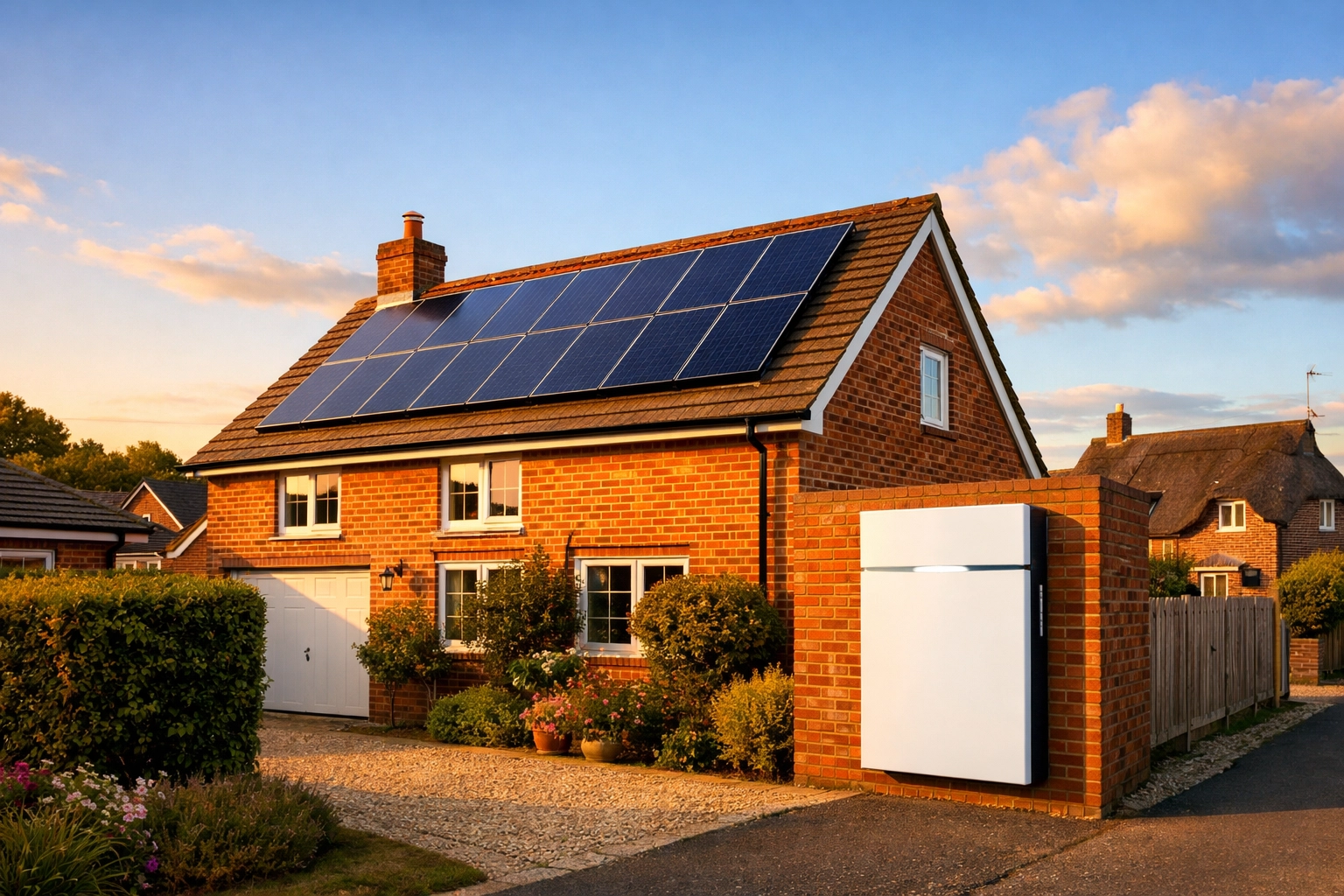
The real magic happens when you pair solar panels with battery storage. Instead of feeding excess energy back to the grid for minimal return, you store it and use it during peak evening hours when electricity costs more. This dramatically increases the value you get from your solar investment.
A typical 4kW solar system on a Dorset home can generate around 3,500-4,000 kWh per year. With a battery storing 5-10 kWh, you can cover a significant chunk of your evening and morning energy use. Many homeowners see their electricity bills drop by 50-70% once everything's optimized.
There are also grants available through the Dorset Warm Homes: Local Grant scheme that can help with the upfront costs if you meet certain criteria. Owner-occupiers can get free installation in some cases, making this a no-brainer if you qualify.
Working with qualified electricians in Poole or Bournemouth who specialize in solar installations is essential: proper sizing, positioning, and integration with your existing electrics makes all the difference to performance.
Electric vehicles are becoming the norm, not the exception. Even if you're not driving electric right now, installing a home EV charging point in 2026 is a smart move: and it can actually help you save money before you even own an EV.
Here's why: many energy suppliers offer special EV tariffs with super-cheap overnight rates (sometimes as low as 7p per kWh compared to 24p+ during the day). With a smart EV charger installed, you can use these cheap overnight rates to power other things in your home, not just a car.
Smart EV chargers can be scheduled to run heavy appliances like washing machines, dishwashers, and immersion heaters during off-peak hours. You're essentially shifting your energy consumption to when it's cheapest, which can save hundreds per year even without an EV.
When you do eventually get an electric car, you're already set up. Charging at home costs about £8-£10 for a full charge compared to £40+ for petrol or diesel to cover the same distance. That's roughly 75% cheaper per mile.
Installation of an EV charging point needs to be done by a qualified electrician: there are specific regulations around the supply cable sizing, earthing arrangements, and load balancing with your existing electrical system. Most Dorset homes can accommodate a 7kW charger without needing a supply upgrade, but it's worth getting an assessment first.
The government's EV chargepoint grant can cover up to £350 of the installation costs if you live in a flat or rental property, and some local Dorset schemes offer additional support.
These five upgrades represent the best return on investment for Dorset homeowners in 2026. You don't need to do them all at once: even starting with LED lighting and a smart thermostat will make a noticeable difference to your bills.
The key is working with a qualified electrician in Dorset who understands local building regulations, grant schemes, and the specific challenges of upgrading older properties (and we've got plenty of those around here). Proper installation ensures you get the full benefit of these upgrades and avoid costly mistakes down the line.
If you're in Bournemouth, Poole, or anywhere across Dorset and want to talk through which upgrades make sense for your home, get in touch with us at Dorset Electrical Solutions. We can assess your current setup, explain your options, and give you a clear picture of what you'll save.
Your energy bills aren't going to fix themselves, but with the right electrical upgrades, you can take back control and stop wasting money every month.