
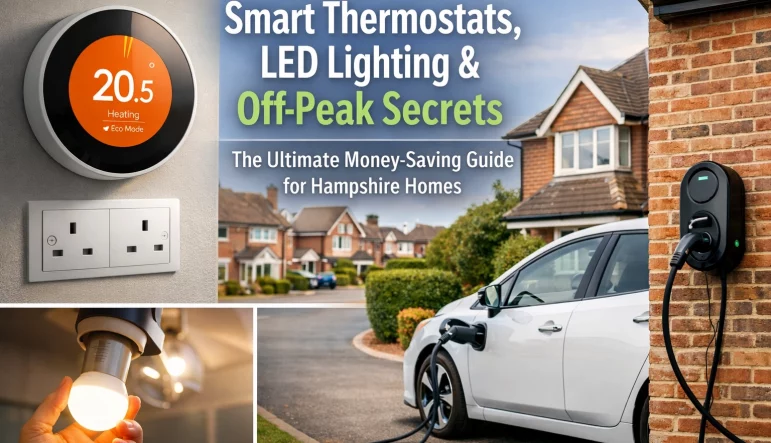
Energy bills are still hitting Hampshire and Dorset households hard. But there are proven ways to cut costs without compromising comfort. We work with homeowners across Bournemouth, Poole, and the wider region who want to reduce their electricity consumption, and the same three upgrades come up time and again: smart thermostats, LED lighting, and off-peak electricity strategies.
Let's break down exactly how each one saves you money, what the installation involves, and the realistic payback periods you can expect.
Smart thermostats have moved from luxury gadgets to genuine money-savers. UK households typically save between £100-£150 per year on heating bills after switching from traditional controls, with some achieving energy savings of 10-23% depending on their previous heating habits.
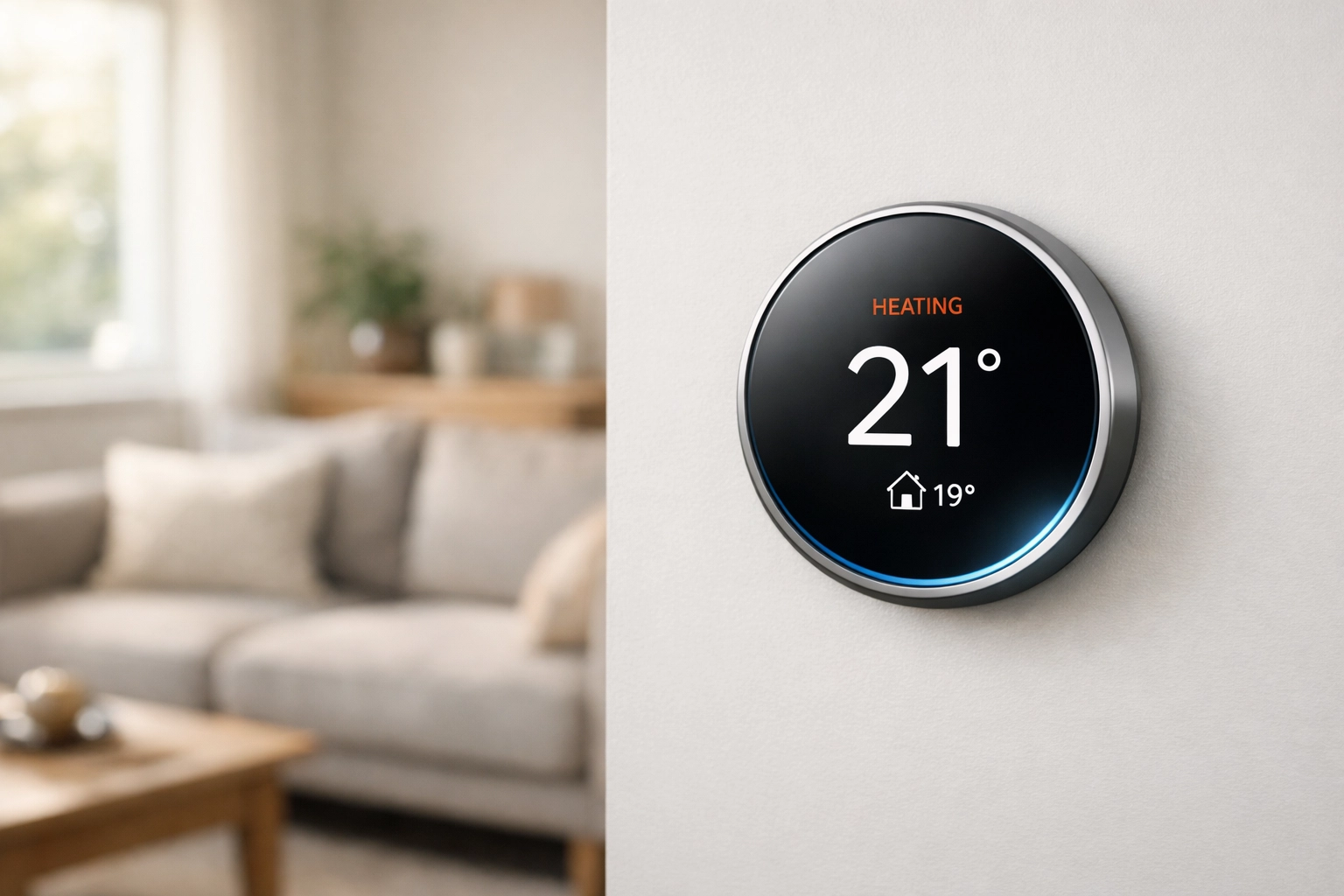
The savings come from precision rather than magic. Traditional thermostats heat your home on a fixed schedule whether you're there or not. Smart thermostats learn your routine and adjust automatically.
Temperature scheduling is the biggest saver. Set your heating to drop when you leave for work at 8am, then warm up 30 minutes before you return at 5:30pm. Over a week, that's 40+ hours of reduced heating you'd otherwise waste.
Learning capabilities improve over time. Google Nest and similar systems track when you adjust temperatures manually, then build a profile of your preferences. After a few weeks, they anticipate your needs without constant manual input.
Remote control prevents waste when plans change. Stuck in traffic? Lower the heating from your phone. Weekend away? Turn everything down without touching the thermostat.
Professional installation costs £100-£450 depending on your existing heating system and the model you choose. Hive and Google Nest are the most popular options we install across Dorset, both offering reliable performance and straightforward smartphone apps.
With annual savings of £100-£150, most homeowners break even within 12-24 months. After that, it's pure savings year after year.
The installation typically takes 2-3 hours. We assess your current heating controls, fit the new thermostat, connect it to your WiFi, and show you how to use the app. If your system requires additional work, we'll let you know upfront.
LED bulbs use 75-80% less electricity than traditional incandescent bulbs and last 15-25 times longer. That's not marketing hype: it's measurable across every installation we complete.
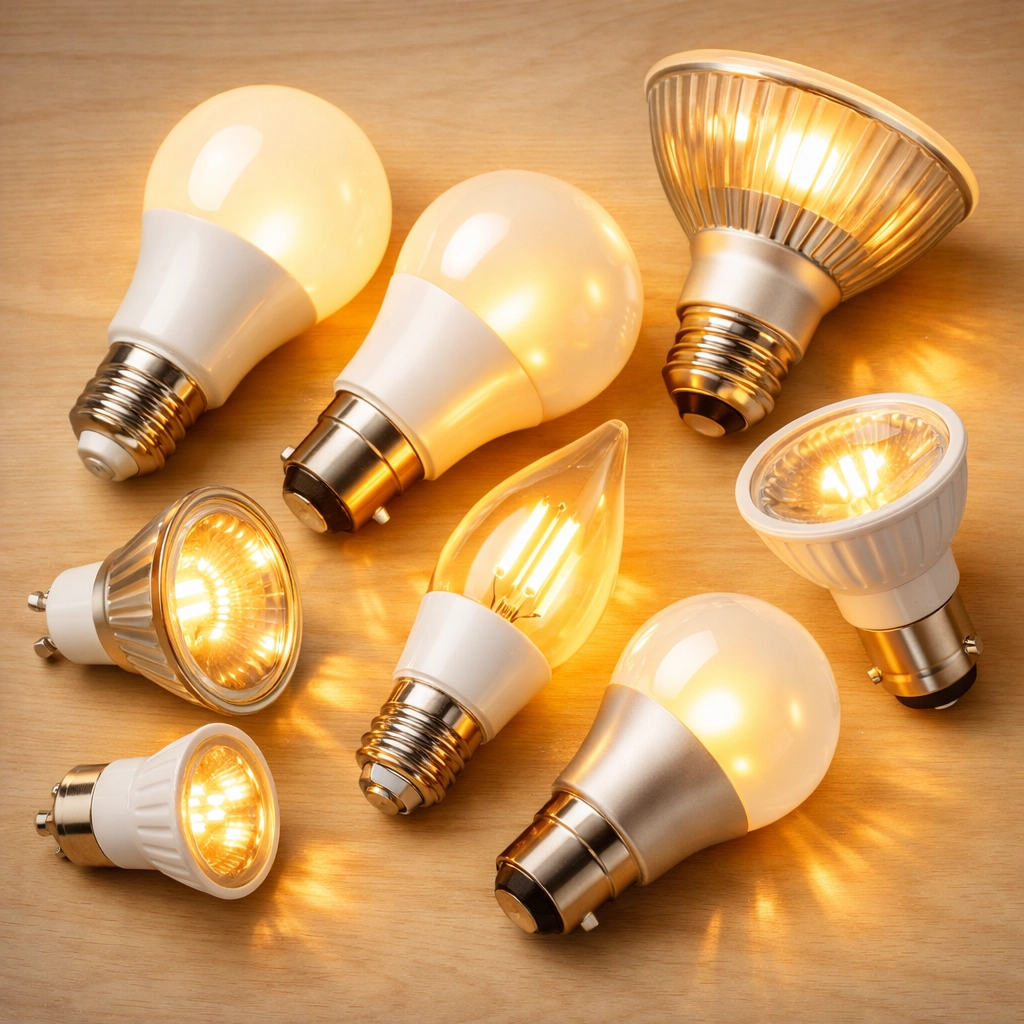
A typical Dorset home uses 20-30 light bulbs. Replace them all with LEDs and you'll save approximately £180-£240 per year on lighting costs alone.
Here's the breakdown for a single bulb:
Multiply that across your whole house and the savings add up fast. Plus, you're replacing bulbs far less often, saving time and hassle.
Smart LED bulbs take things further. Dimming capabilities reduce energy use even more: running an LED at 50% brightness uses roughly 50% less power. Scheduled lighting through apps means you never leave lights on accidentally when you're out.
We install smart lighting systems across Bournemouth, Poole, and surrounding areas that integrate with Alexa, Google Home, and Apple HomeKit. The upfront cost is higher than standard LEDs, but the convenience and additional energy savings make sense for many households.
Most LED bulbs are direct replacements: you simply unscrew the old bulb and screw in the new one. But if you're upgrading to downlights, spotlights, or integrated fixtures, that's electrical work that needs a qualified electrician.
We handle full lighting upgrades regularly. The work involves assessing your current circuits, ensuring they can handle the new fixtures, and installing everything to current regulations. If you're planning a whole-house LED upgrade or adding smart lighting, get in touch for a proper assessment.
Off-peak electricity tariffs charge different rates depending on when you use power. Use electricity during off-peak hours (typically overnight) and you'll pay significantly less per kilowatt-hour.
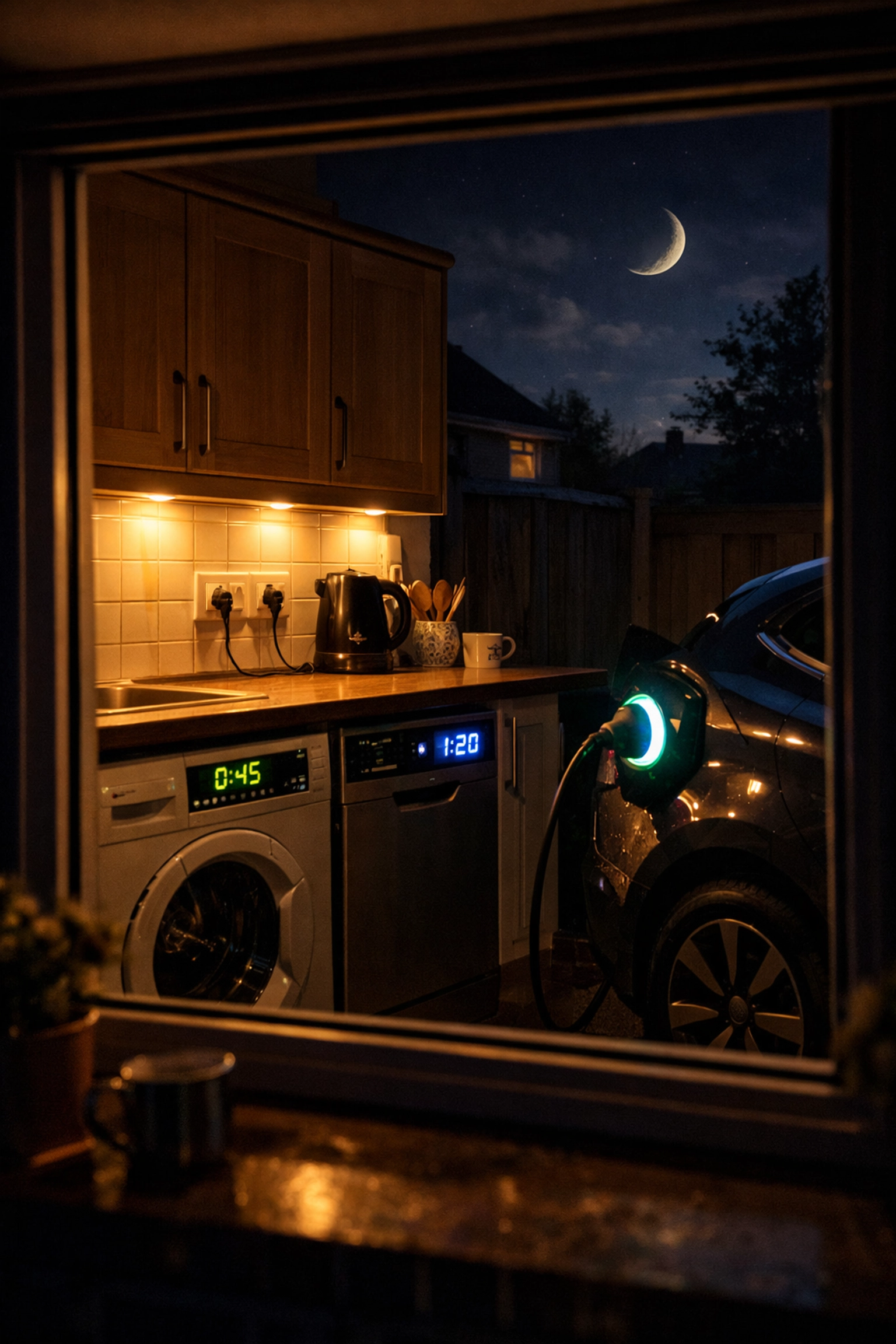
Economy 7 gives you seven hours of cheaper electricity overnight, usually between 11pm-8am (times vary by supplier and region). Off-peak rates can be 50% cheaper than daytime rates.
Economy 10 extends cheap electricity to ten hours, split across night hours and afternoon periods. This suits households with flexible routines who can shift more usage to off-peak times.
The catch: daytime electricity on these tariffs often costs more than standard rates. They only save money if you can shift substantial usage to off-peak periods.
The biggest savers:
Modern appliances make this easier. Most washing machines and dishwashers have built-in delay timers. Smart plugs can automate devices that don't have timers built in.
Off-peak tariffs suit specific households:
They don't suit everyone. If you're home during the day, use heating throughout the day, or can't shift usage patterns, you'll likely pay more overall due to higher daytime rates.
We can assess your electrical setup and usage patterns to determine whether off-peak tariffs make sense for your situation. If they do, we'll ensure your storage heaters, immersion heaters, and circuits are properly configured to maximize savings.
The real power comes from combining these approaches. Here's what that looks like in practice:
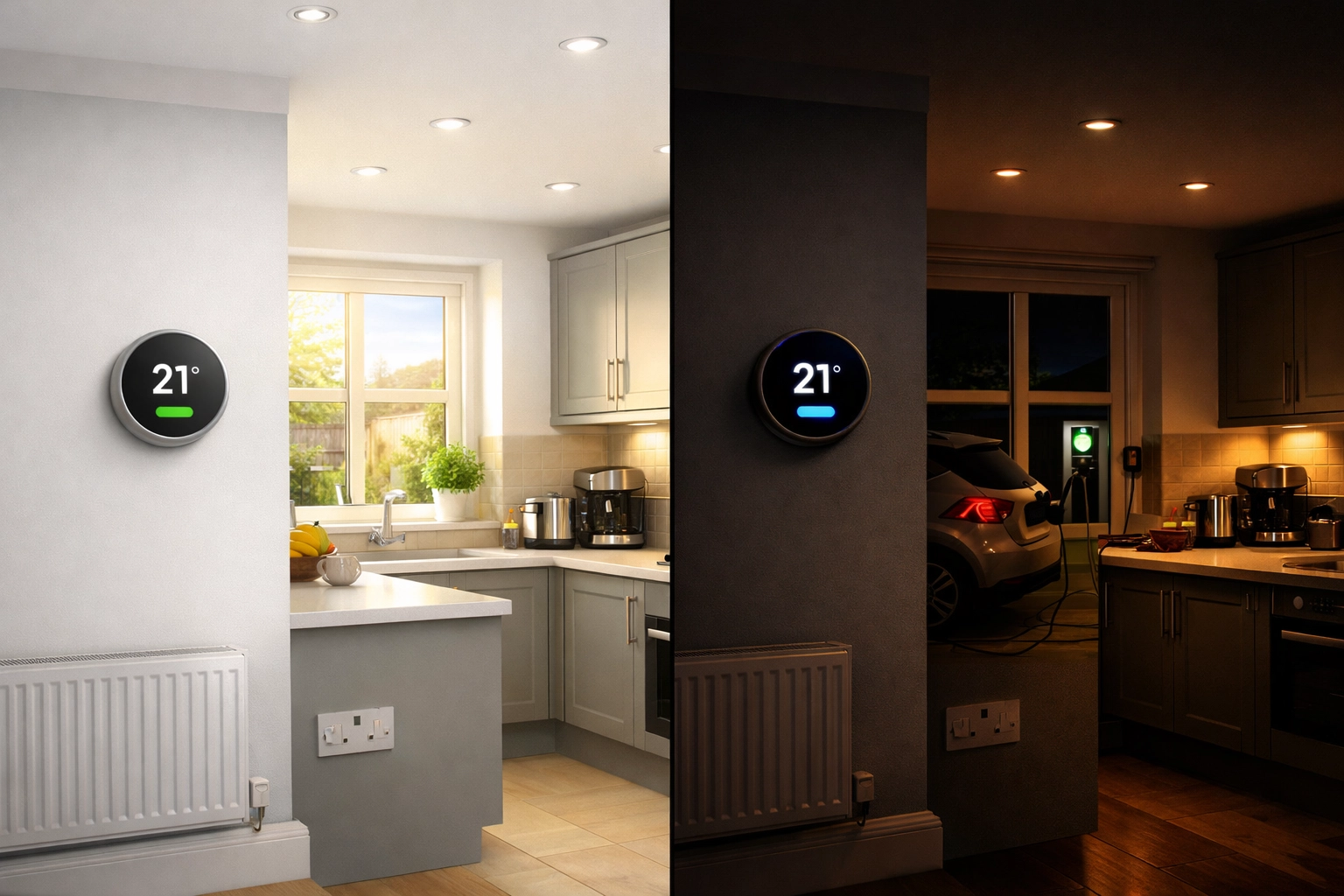
Morning routine: Smart thermostat warms your home before you wake (using off-peak electricity if you're on Economy 7). LED lighting throughout the house uses minimal power. Dishwasher finishes its delayed overnight cycle.
Daytime: Heating drops to minimum while you're at work. Smart lighting turns off automatically. Storage heaters release overnight heat throughout the day.
Evening: Smart thermostat raises temperature 30 minutes before you return home. LED lighting provides bright, efficient illumination. You load the washing machine and set it to run at midnight.
Night: Heating drops again. EV charges on cheap overnight electricity. Immersion heater tops up your hot water tank. Storage heaters recharge for tomorrow.
Each strategy compounds the others. Smart thermostats optimize when you heat. Off-peak tariffs make that heating cheaper. LED lighting reduces the baseline consumption across your entire home.
These upgrades work best when installed properly. Smart thermostats need correct wiring to your heating system. LED downlights require circuit compatibility checks. Off-peak systems need proper configuration to work with Economy 7 or Economy 10 meters.
We're electricians based in Dorset working across Hampshire, Wiltshire, and the surrounding areas. We handle smart home installations, lighting upgrades, and electrical assessments for off-peak configurations regularly.
If you're considering any of these upgrades, we can assess your current setup, explain realistic savings for your specific situation, and handle the installation work to current regulations.
The energy savings are real. The payback periods are measurable. And once these systems are in place, they keep saving money year after year without ongoing effort.
Get the initial setup right, and your energy bills drop consistently from that point forward. That's the advantage of investing in efficiency rather than just hoping for lower energy prices.