
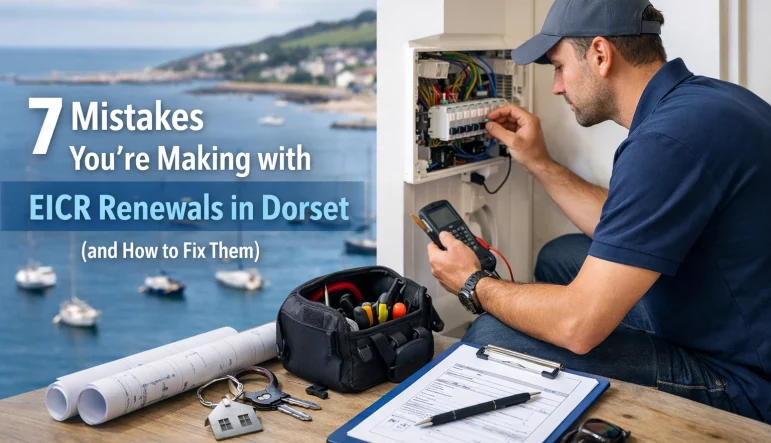
Maintaining electrical safety standards is a mandatory requirement for landlords operating in Bournemouth, Poole, and the wider Dorset area. The Electrical Installation Condition Report (EICR) serves as the primary document for demonstrating compliance with the Management of Houses in Multiple Occupation (England) Regulations 2006 and the Electrical Safety Standards in the Private Rented Sector (England) Regulations 2020. Our team frequently identifies recurring errors during inspections that lead to unsatisfactory results. These failures often stem from a misunderstanding of current BS 7671 wiring regulations. Landlords must address these issues to avoid local authority fines and ensure tenant safety.
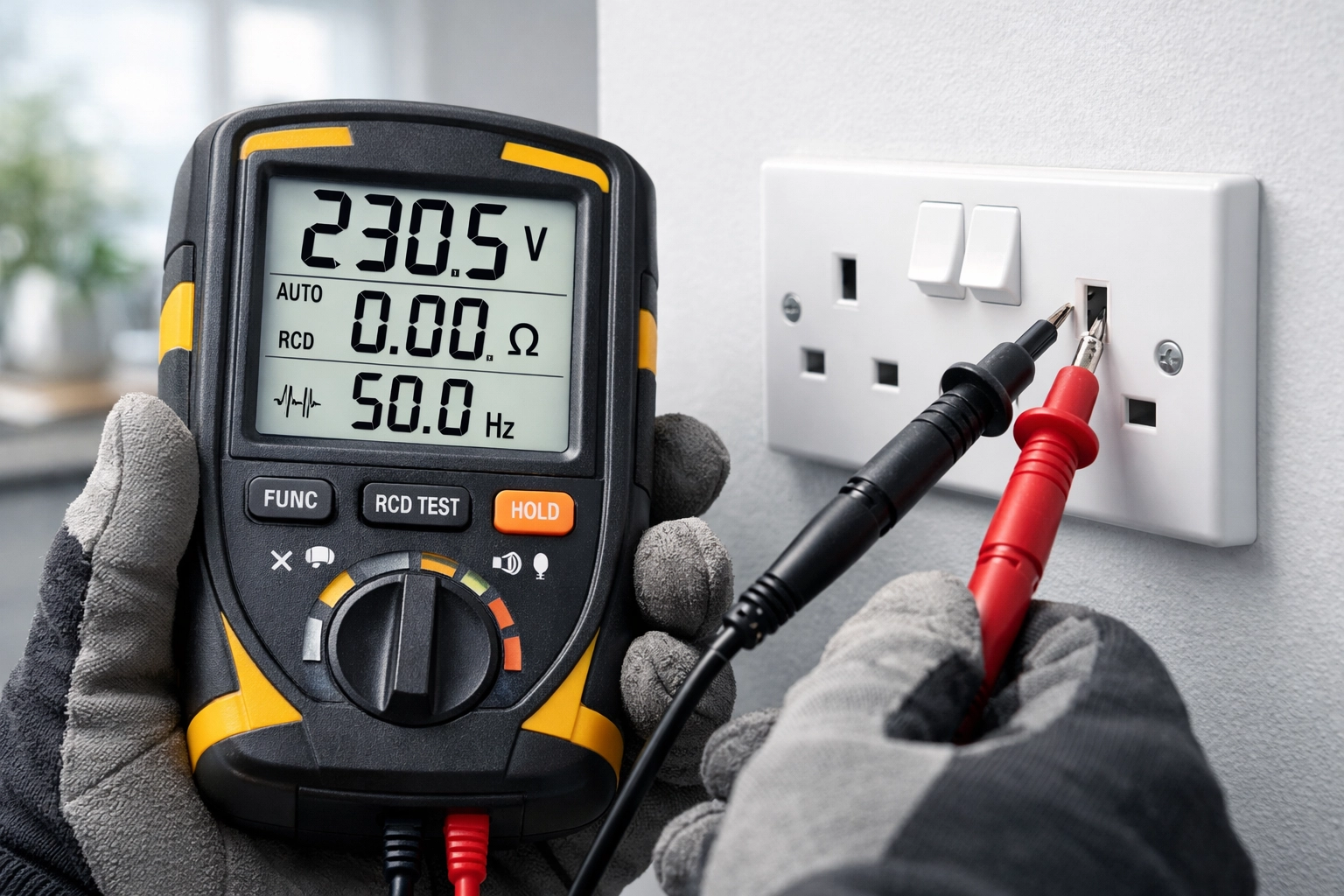
The absence of Residual Current Device (RCD) protection is the leading cause of EICR failure in 2025 and 2026. Current regulations require RCD protection for all sockets up to 32A, lighting circuits in domestic dwellings, and circuits serving bathrooms or shower rooms. Many older properties in Ringwood and Ferndown still utilize installations where these protections were not standard. A lack of RCD protection is typically recorded as a C2 (Potentially Dangerous) defect. This classification results in an unsatisfactory report. Our team installs RCDs or RCBOs to remediate these issues during the 28-day remedial window.
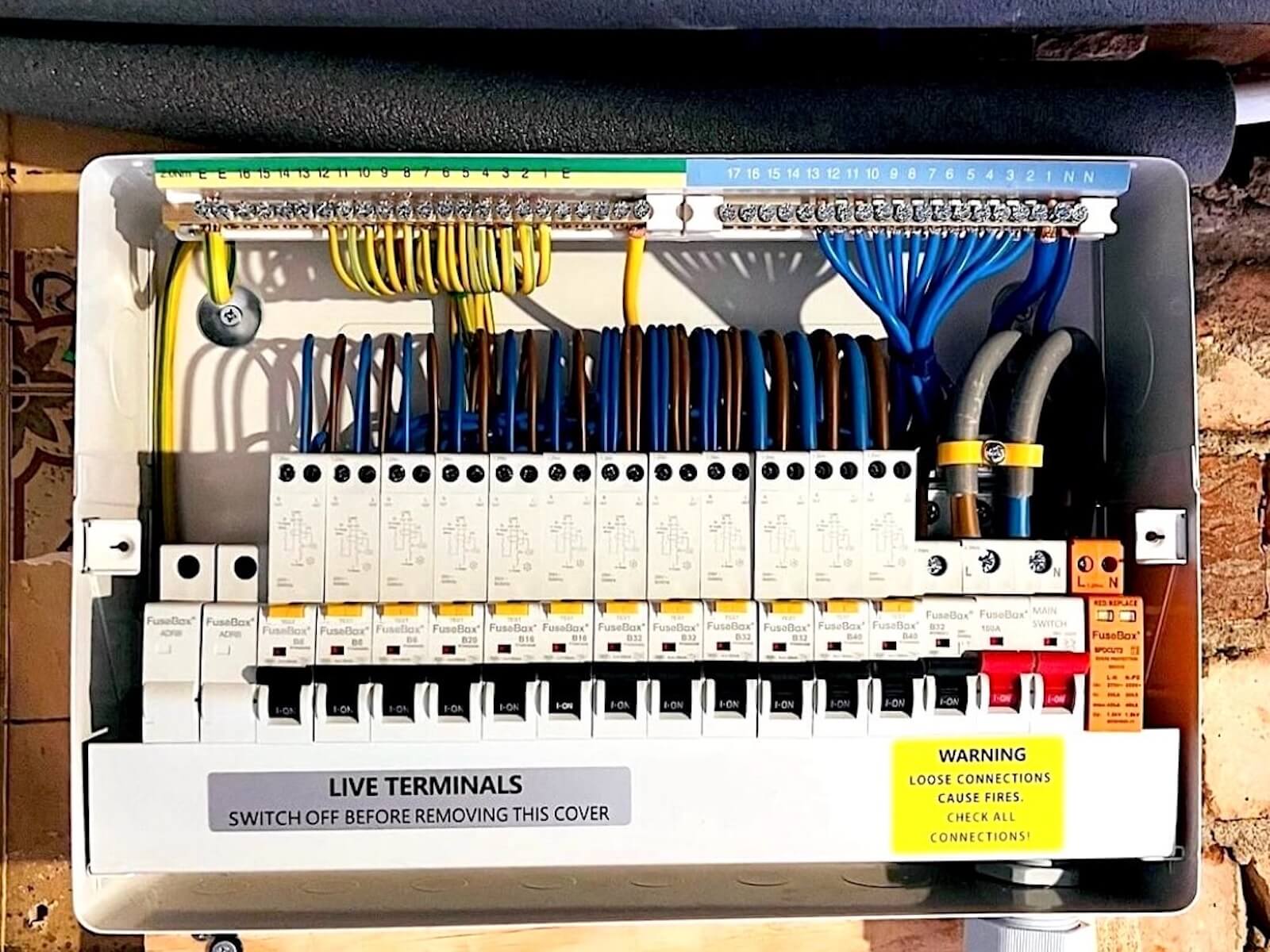
Older fuse boards with wooden backs or rewirable fuses do not meet modern safety benchmarks for fire containment or circuit protection. These units often lack the capacity for modern additions like an EV charger installation. We are seeing a high volume of replacements where installations are upgraded to metal-clad consumer units. These units incorporate Surge Protection Devices (SPD) and Arc Fault Detection Devices (AFDD) where required.
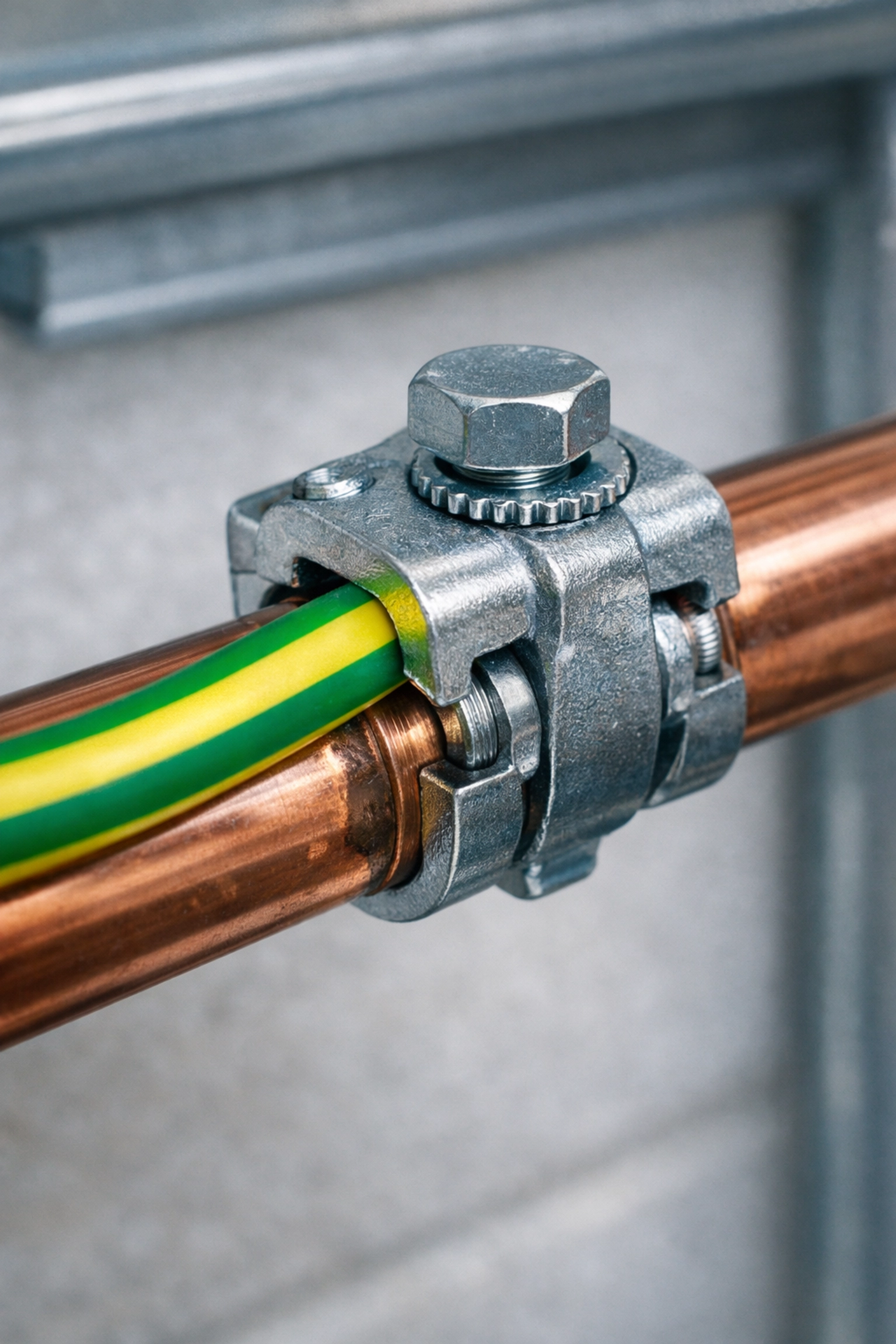
We regularly find that main earthing conductors and protective bonding to gas and water services are undersized or missing. In many Dorset domestic properties, the minimum requirement for bonding conductors is 10mm². If the bonding is absent or smaller than required by the 18th Edition (Amendment 2), the installation is deemed unsatisfactory. We verify the continuity and sizing of these conductors at the start of every EICR. Proper earthing is critical for the safe operation of all electrical equipment, including a PIV unit or kitchen appliances.
Landlords often assume an installation that was compliant five years ago remains compliant today. The BS 7671 regulations underwent significant changes in 2018, 2020, and 2022. An EICR evaluates the installation against current standards, not the standards at the time of construction. For example, the requirement for fire-rated cable supports in escape routes is a newer mandate that older properties frequently miss. Our electricians assess these installations against the latest version of the IET Wiring Regulations to ensure full compliance for Dorset Electrical Solutions clients.
Non-compliant modifications made by tenants or unqualified tradespeople are a common discovery during testing in Poole and Bournemouth. These often include "DIY" extensions to socket circuits or incorrectly wired light fittings. Any work not backed by an Electrical Installation Certificate (EIC) or a Minor Electrical Installation Works Certificate (MEIWC) is scrutinized. When our team identifies unsafe wiring practices, they are coded accordingly. If you are planning an EV charger installation, the existing system must be verified as safe and capable of handling the additional load before work begins.
It is a breach of the 2020 Regulations to allow new tenants to move into a property with an unsatisfactory EICR. If a report identifies C1 or C2 faults, these must be rectified within 28 days or the timeframe specified in the report. For C1 (Danger Present) faults, immediate action is required. We provide written confirmation of remedial works to both the landlord and the tenant. In Dorset, local authorities can request this documentation to verify that the property meets safety standards.
While the maximum interval for a domestic rental EICR is five years, an inspector may specify a shorter duration. This is common in older properties or installations showing signs of significant wear. If the report states a three-year re-test is required, this becomes the new legal deadline. Ignoring the professional recommendation of the qualified person invalidates the compliance status of the property. We track these intervals for our regular clients in Ferndown and Ringwood to prevent missed deadlines.
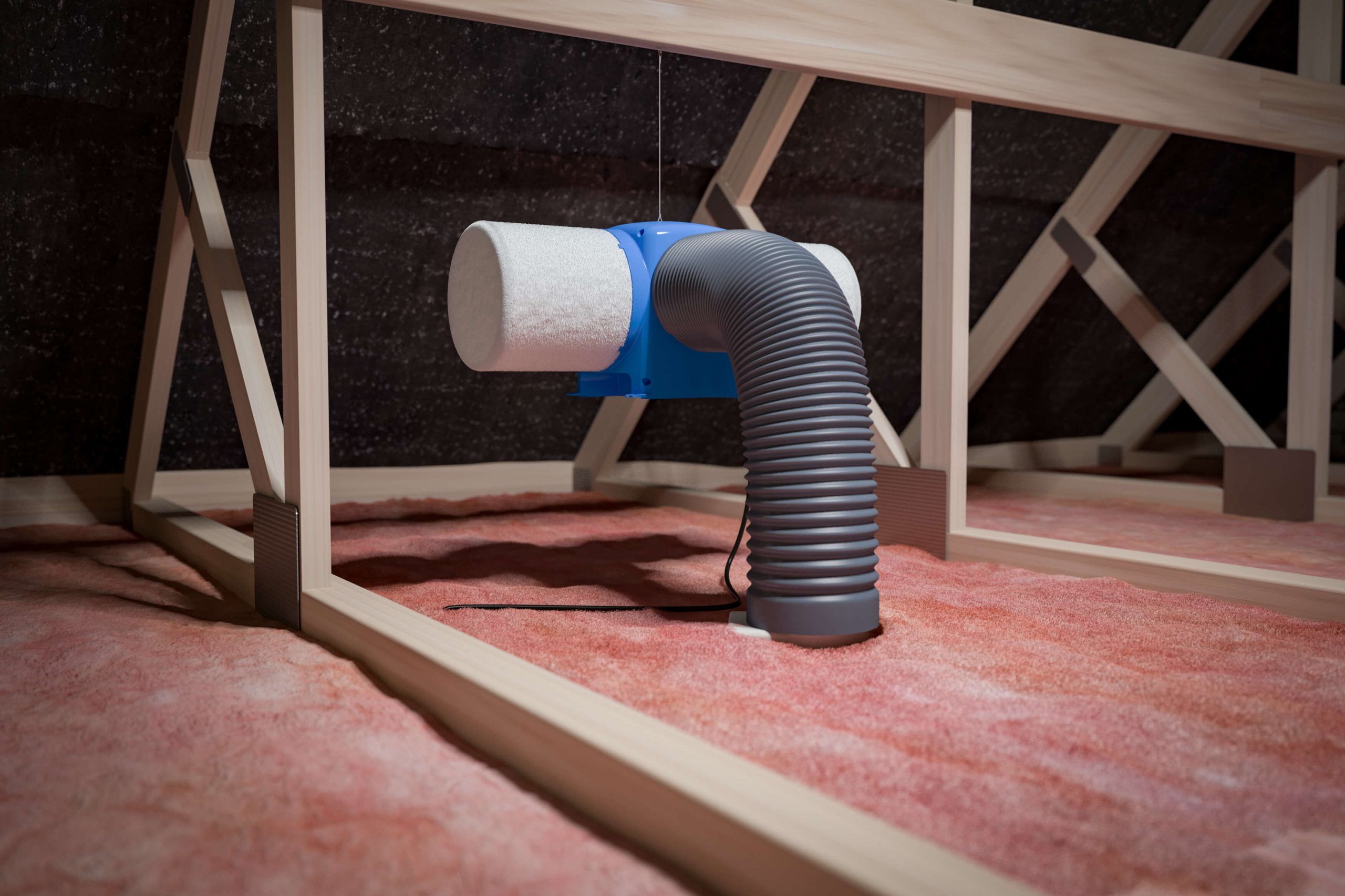
When upgrading electrical systems to pass an EICR, many landlords also address ventilation and modern amenities. A PIV unit is an effective solution for damp and mould prevention in Dorset rentals. These units require a dedicated fused spur and must be included in the overall EICR assessment. Similarly, the installation of an EV charger requires a load assessment of the existing consumer unit. We ensure these additions are integrated safely and documented within the site's electrical records.
Our team is currently completing remedial works across Bournemouth and Poole. We are removing outdated fuse boards and installing surge-protected consumer units to meet 2026 safety expectations. Photos of recent board upgrades in Ringwood to follow.
For further technical specifications or to view our recent projects, visit:
https://www.dorsetelectricalsolutions.com
https://www.dorsetelectricalsolutions.com/gallery/image-1
https://www.dorsetelectricalsolutions.com/gallery/image-3

We are registered with relevant competent person schemes and provide all necessary certification upon completion of testing and remedial tasks. Our electricians are familiar with the specific housing stock challenges found in Dorset and provide reliable assessments for all property types.
Thanks.