

The Electrical Safety Standards in the Private Rented Sector (England) Regulations 2020 require landlords to ensure that every electrical installation in their residential premises is inspected and tested at intervals of no more than five years. This is documented through an Electrical Installation Condition Report (EICR). Our team conducts these inspections across Dorset, including Bournemouth, Poole, Ferndown, and Ringwood. Failure to comply with these regulations results in financial penalties of up to £30,000.
A common cause for an 'Unsatisfactory' EICR result is the absence of Residual Current Devices (RCDs). Under the 18th Edition of the IET Wiring Regulations (BS 7671), RCD protection is mandatory for all sockets up to 32A, circuits in bathrooms, and lighting circuits in domestic properties. Many older properties in Bournemouth and Poole still utilize consumer units that lack this protection.
When an electrician dorset inspects a property, the absence of RCD protection on a circuit where it is required for safety: such as a socket likely to supply outdoor equipment: is typically marked as a Code 2 (C2) 'Potentially Dangerous' condition. This classification renders the report unsatisfactory. Landlords must install RCD protection or upgrade the consumer unit to meet current safety standards.
Old-style fuse boards using re-wireable fuses (BS 3036) are frequently encountered in older housing stock in Ferndown and Ringwood. While these boards are not automatically a failure if they are in good condition, they often lack the safety features required by modern standards, such as RCDs and Surge Protection Devices (SPDs).
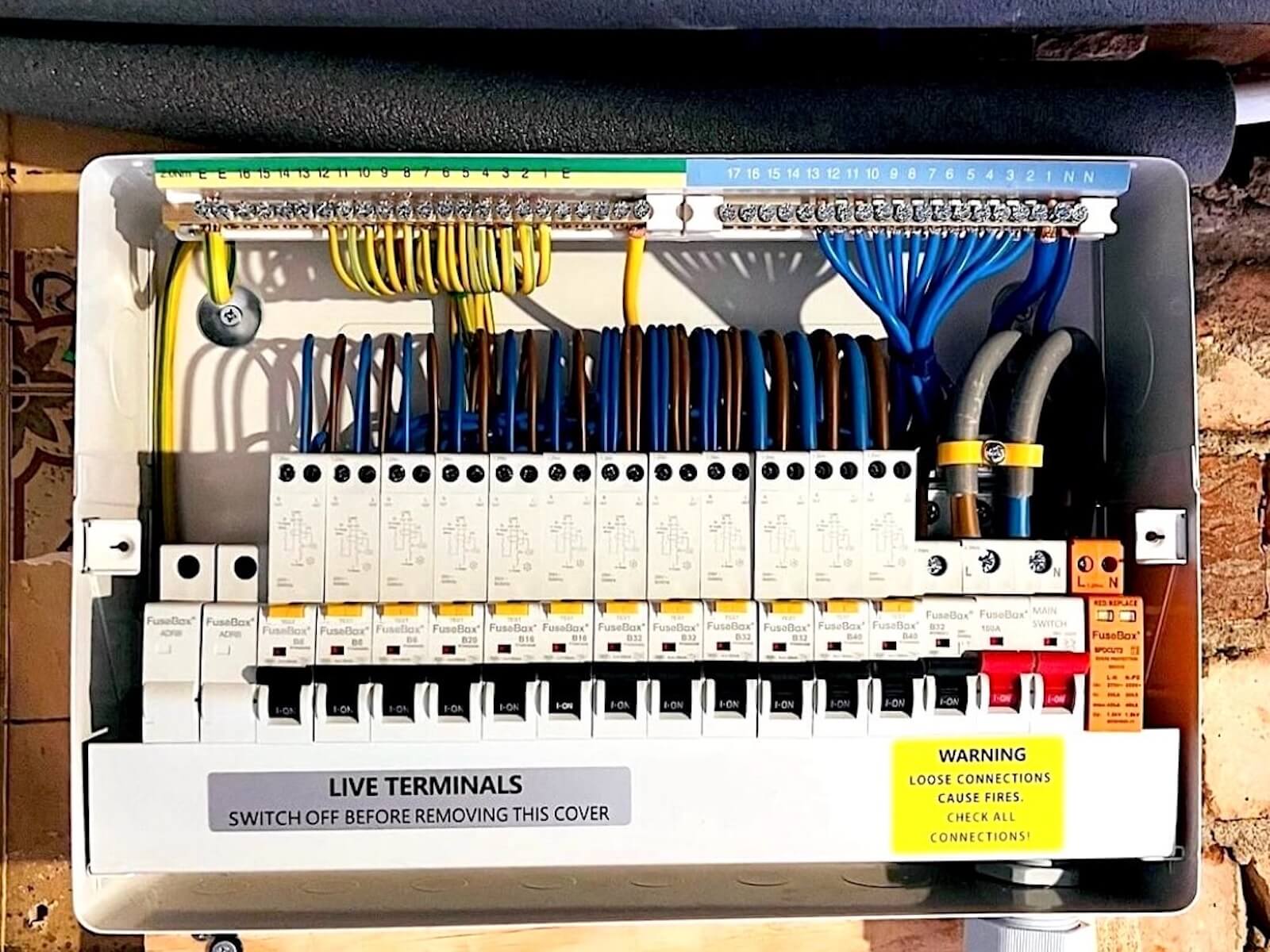
If the inspection reveals that the consumer unit is damaged, has exposed live parts, or lacks adequate earthing, it will fail the EICR. Upgrading to a modern metal-clad consumer unit ensures compliance with the latest regulations and provides better protection against electrical fires and shocks. Our team is currently performing these upgrades for several property portfolios to ensure ongoing compliance.
Earthing and bonding are critical safety components that prevent metal parts of an installation from becoming live during a fault. Landlords often overlook the condition of the main earthing conductor or the protective bonding to gas and water services. In many Dorset properties, bonding conductors are either missing, disconnected, or undersized relative to the supply cables.
An EICR will identify missing main bonding as a defect that requires remedial action. We verify the presence and continuity of these connections to the point of entry of the utility services. Correcting these issues involves installing 10mm² or 16mm² copper conductors to satisfy BS 7671 requirements.
When an EICR is issued with an 'Unsatisfactory' outcome, the landlord has a legal obligation to carry out the necessary remedial work. Regulations state this work must be completed within 28 days of the inspection, or sooner if specified in the report.
Many landlords in the region fail to book an electrician dorset in time to meet this window. Once the remedial work is finished, the landlord must obtain written confirmation from the electrician that the work has been completed and that the safety standards are now met. This confirmation, along with the original EICR, must be supplied to the tenant and, if requested, the local housing authority.
While not a direct electrical "failure" in the sense of a short circuit, poor ventilation leads to damp and mould, which triggers inspections under the Homes (Fitness for Human Habitation) Act 2018. If electrical systems are exposed to high moisture levels or condensation, the risk of corrosion and circuit failure increases.
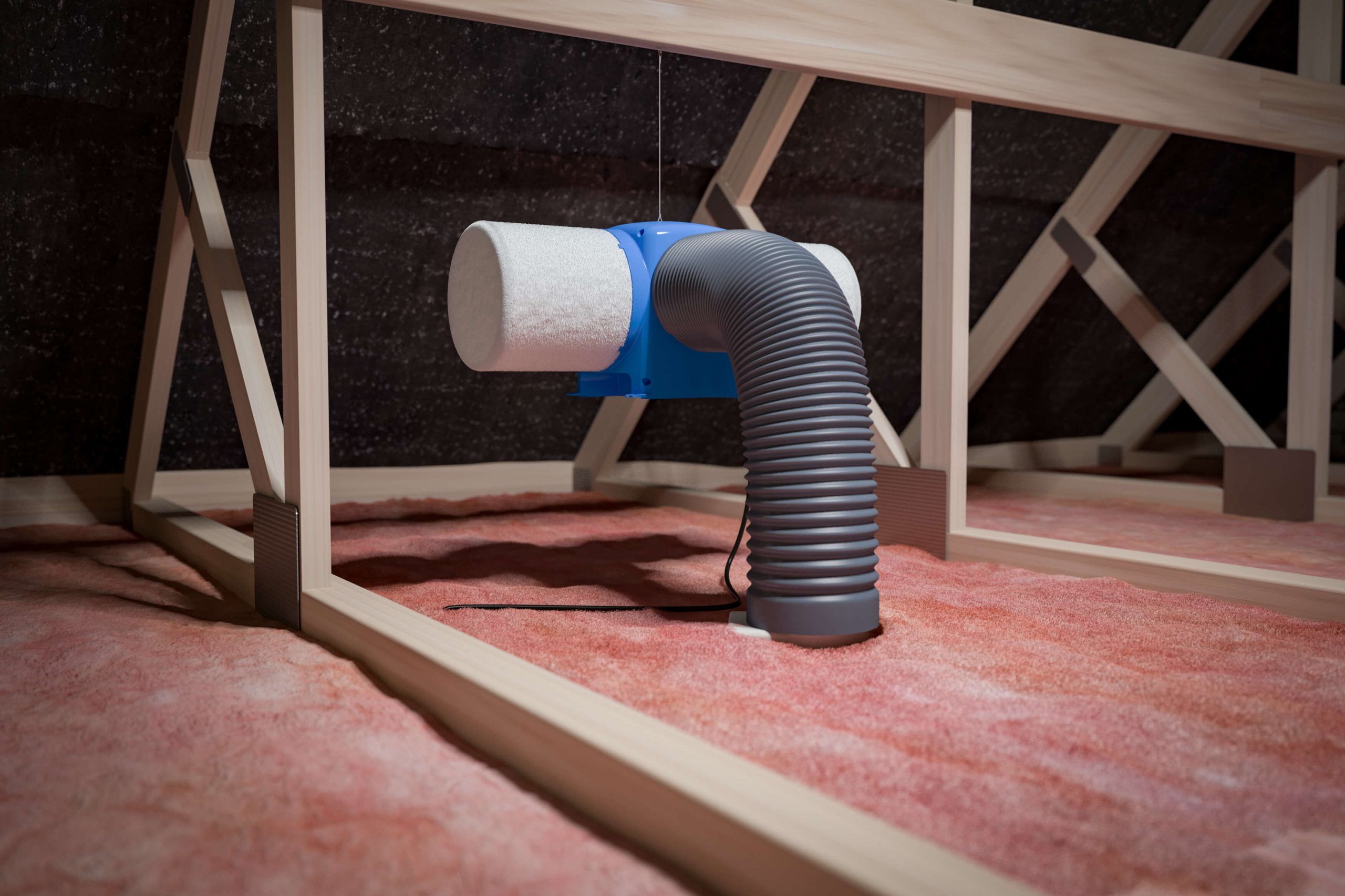
We are installing PIV unit systems in properties across Poole and Bournemouth to combat these issues. A PIV unit introduces fresh, filtered air into the home, creating a positive pressure environment that forces moisture-laden air out of the building. This prevents mould growth and protects the internal fabric of the building, including the electrical infrastructure.
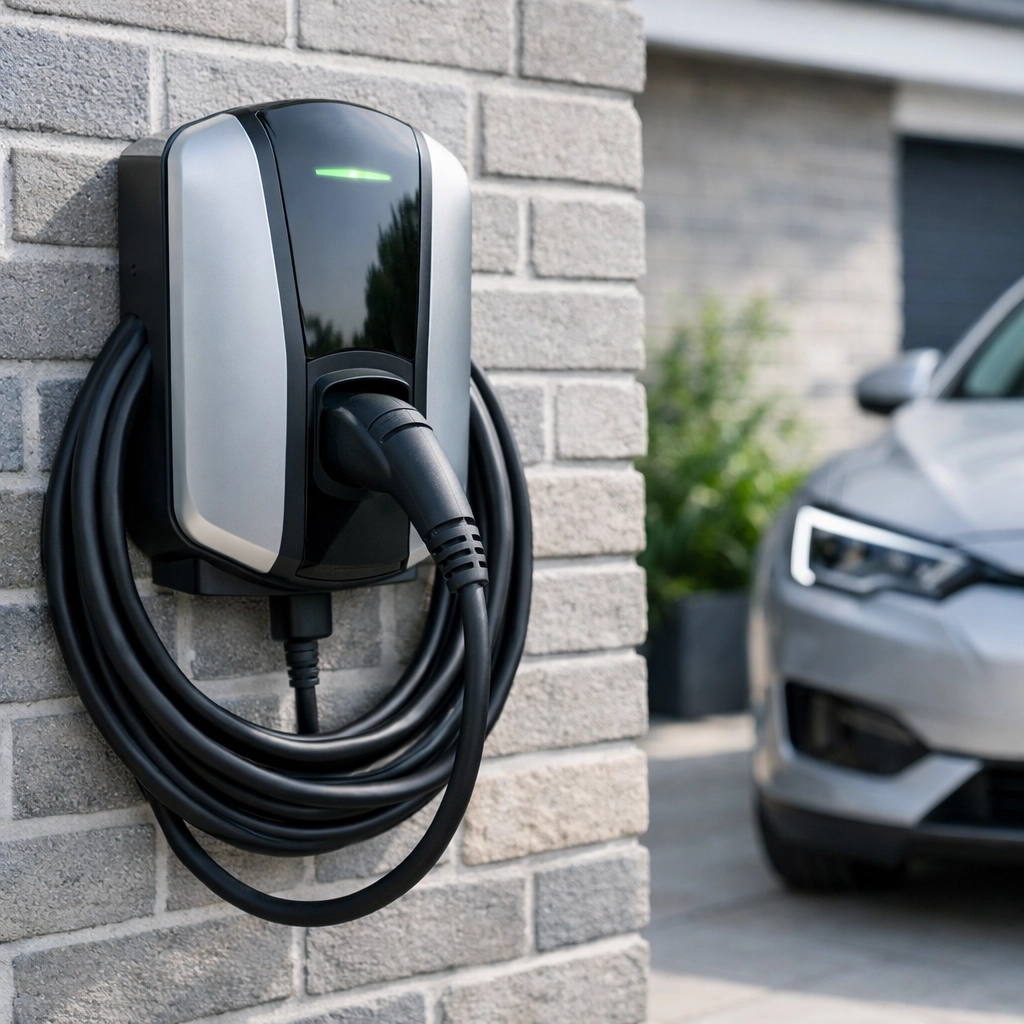
As demand for electric vehicles grows, many landlords are adding charging points to their properties. However, an uncertified or poorly integrated EV charger installation can negatively impact an EICR. The installation must account for the additional load on the existing system and include proper DC leakage protection.
If an EV charger is installed without a dedicated circuit or proper notification to the Distribution Network Operator (DNO), it may lead to overloading or safety risks identified during a five-year inspection. We provide certified EV charger installation services that include the necessary certification to ensure the property remains compliant with all electrical safety standards.
The law requires landlords to provide a copy of the most recent EICR to all existing tenants within 28 days of the inspection. For new tenancies, the report must be provided before the tenant moves in. We frequently find that landlords lose the original documentation or fail to provide it to the local authority when requested.
Failure to provide this documentation can result in the local council serving a remedial notice. In Poole and Bournemouth, local authorities are increasingly active in auditing private rental properties. Maintaining a digital and physical archive of all EICRs, remedial certificates, and installation certificates for new equipment (like PIV units or consumer units) is essential for legal protection.
Landlords must ensure their properties in Bournemouth, Poole, and surrounding areas meet these technical standards:
The current regulations are strict regarding the safety of tenants. Our team provides comprehensive testing and remedial services to ensure your property portfolio remains compliant. Photos of recent consumer unit upgrades and PIV system installations will follow in our project updates section.
https://www.dorsetelectricalsolutions.com/home-2/layout01-img01
https://www.dorsetelectricalsolutions.com/home-2/box02-img01
https://www.dorsetelectricalsolutions.com/home-2/slideinfo-02