
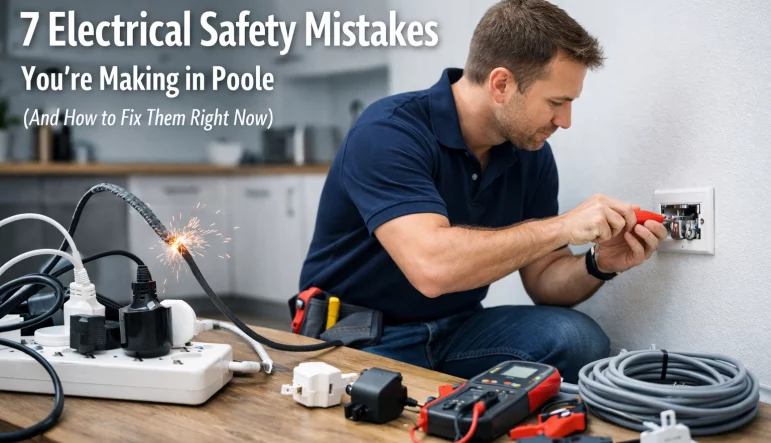
Maintaining a safe electrical system is a priority for property owners across Dorset, Bournemouth, and Poole. Electrical faults remain a leading cause of domestic fires in the UK. Many of these incidents are preventable through basic awareness and regular maintenance. Our team at Dorset Electrical Solutions frequently identifies recurring issues in residential and commercial properties in Ferndown and Ringwood that compromise safety. This guide outlines seven common electrical safety mistakes and the necessary steps to rectify them.
The most frequent error observed by electricians in Dorset is the misuse of extension leads. Property owners often "daisy-chain" multiple power strips together to accommodate more devices. This practice forces the primary lead to carry an electrical load far exceeding its design capacity.
Every wall socket has a 13-amp rating. When multiple high-draw appliances: such as kettles, heaters, or washing machines: are connected to a single extension lead, the risk of overheating and fire increases significantly.
The Fix:
Audit your power usage. If you find yourself relying on extension cords for permanent setups, it is safer to have a qualified electrician install additional fixed wall sockets. You can view our domestic electrical services for more information on socket installations.
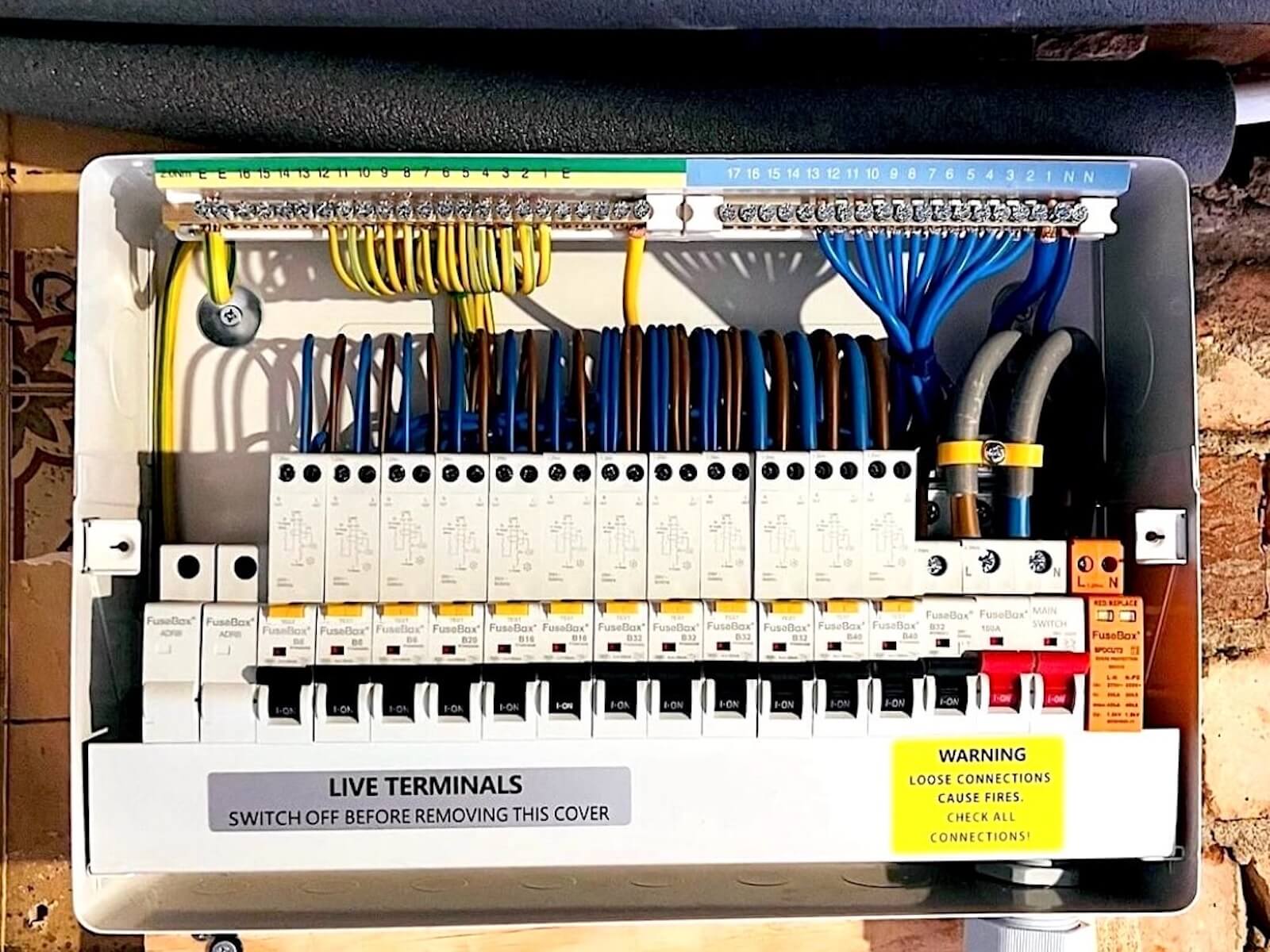
Many older properties in Poole and Bournemouth still utilize outdated fuse boards, some featuring wooden backs or re-wireable fuses. These units lack the modern safety components required by current BS 7671 regulations, such as Residual Current Devices (RCDs) and Surge Protection Devices (SPDs).
An outdated consumer unit may fail to trip during a fault, leading to electric shocks or electrical fires. Modern units are designed to detect minute leakages of current and disconnect the power in milliseconds.
The Fix:
Upgrade to a high-end, 18th Edition compliant consumer unit. This upgrade ensures your property meets current safety standards and provides maximum protection for your wiring and appliances. Explore our consumer unit upgrade options for more details.
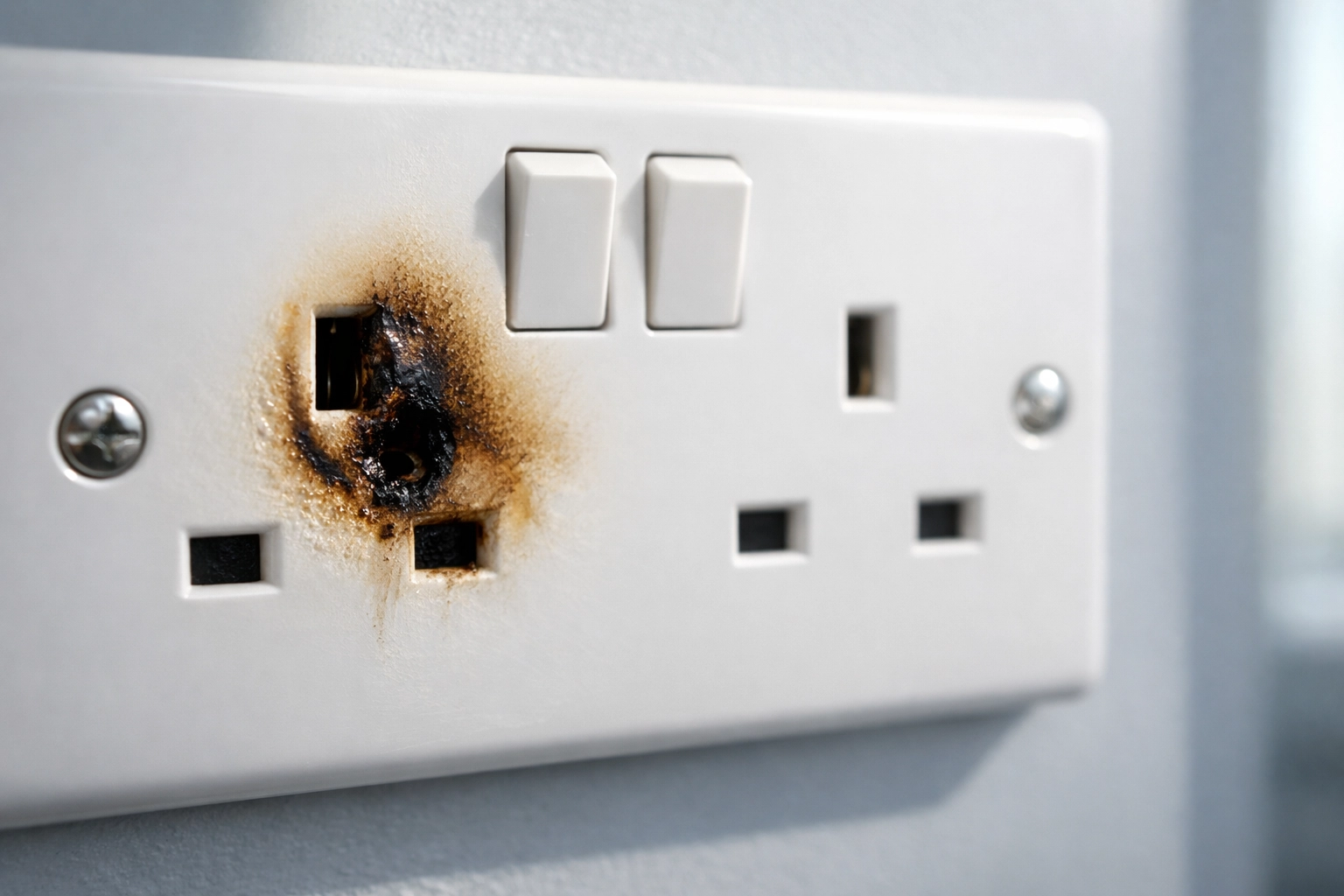
Visible scorch marks around plug pins or socket faces are a clear indicator of arcing. This occurs when electricity jumps across a gap in a loose connection, generating intense heat. Over time, this heat degrades the plastic and can ignite surrounding materials.
Arcing is often caused by worn-out socket internals that no longer grip the plug pins tightly, or by loose wiring within the plug itself. If you notice a buzzing or crackling sound coming from a switch or outlet, the circuit should be isolated immediately.
The Fix:
Stop using any socket that shows signs of discolouration. A professional electrician should inspect the circuit to determine if the issue is restricted to the faceplate or if the underlying wiring has been damaged by heat.
Electrical safety in Poole is often compromised by high humidity and condensation, especially in coastal properties. Excessive moisture leads to the corrosion of electrical contacts and can cause short circuits. Furthermore, dampness leads to mould growth, which can damage electrical fixtures and wiring insulation.
Many homeowners mistakenly believe that opening a window is sufficient to manage dampness. In reality, consistent airflow is required to protect the building fabric and the electrical system within it.
The Fix:
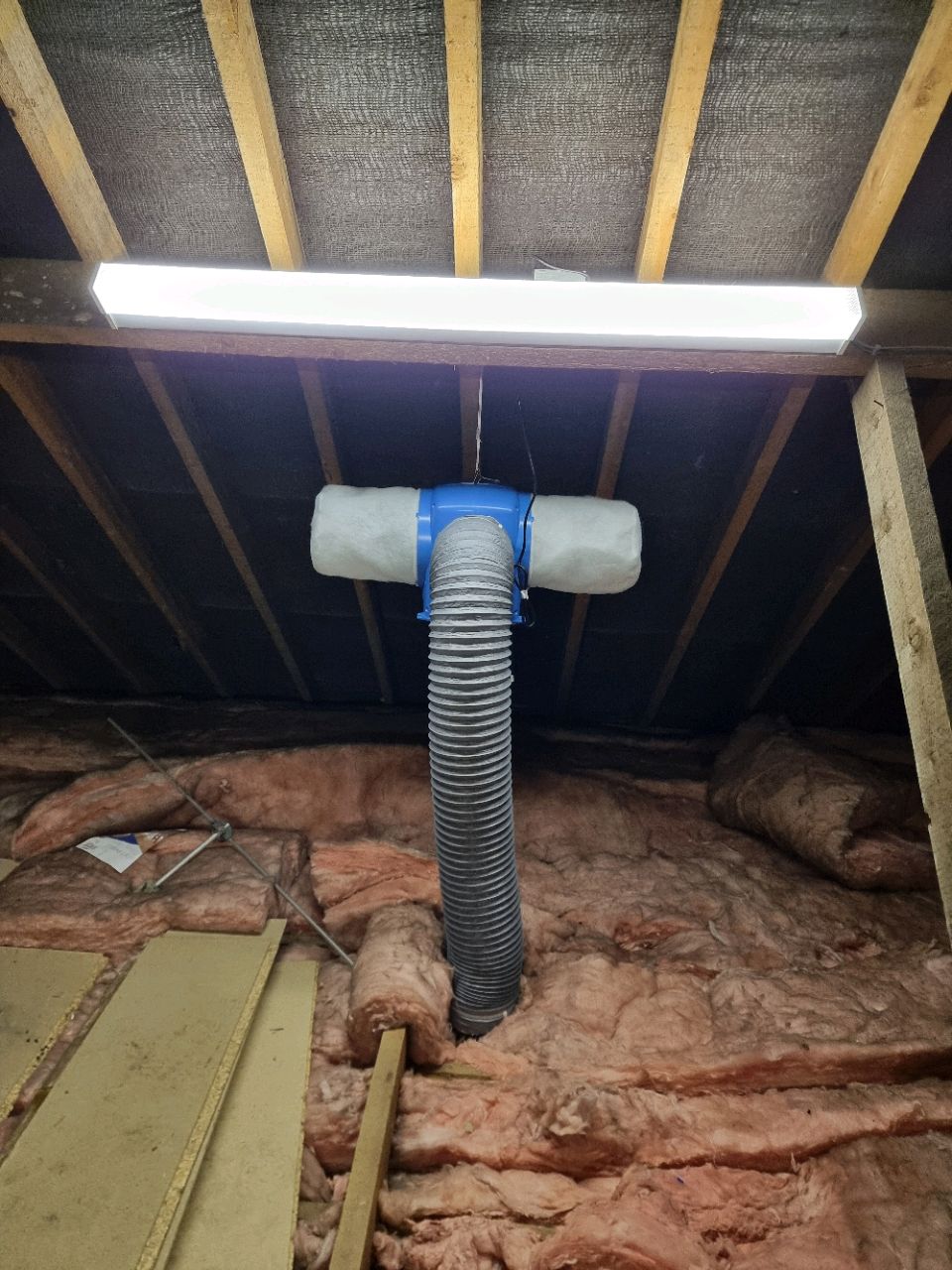
Consider the installation of a Positive Input Ventilation (PIV) system. This technology introduces fresh, filtered air into the home, displaces moisture-laden air, and prevents the condensation that threatens electrical components.
A common mistake is replacing a blown fuse with whatever rating is available. Fuses are designed to protect the cable of the appliance, not the appliance itself. Using a 13-amp fuse for a device that requires a 3-amp fuse (such as a small lamp) allows the thin cable to overheat significantly before the fuse eventually blows.
This mismatch is a primary cause of localized electrical fires. In many Poole households, we find that the wrong fuses have been used during DIY repairs, creating a hidden hazard.
The Fix:
Always check the manufacturer’s instructions or the label on the appliance for the correct fuse rating. Typically, appliances up to 700W require a 3A fuse, while those over 700W require a 13A fuse.
Homeowners in Ferndown and Ringwood often install outdoor lighting or power points without adequate protection. Standard indoor cables are not designed to withstand UV exposure or moisture. When plastic-sheathed cables are left exposed, they become brittle and crack, exposing live conductors.
Furthermore, any outdoor electrical circuit must be protected by an RCD. This is a life-saving device that shuts off the power if it detects a fault, which is particularly critical in wet outdoor environments.
The Fix:
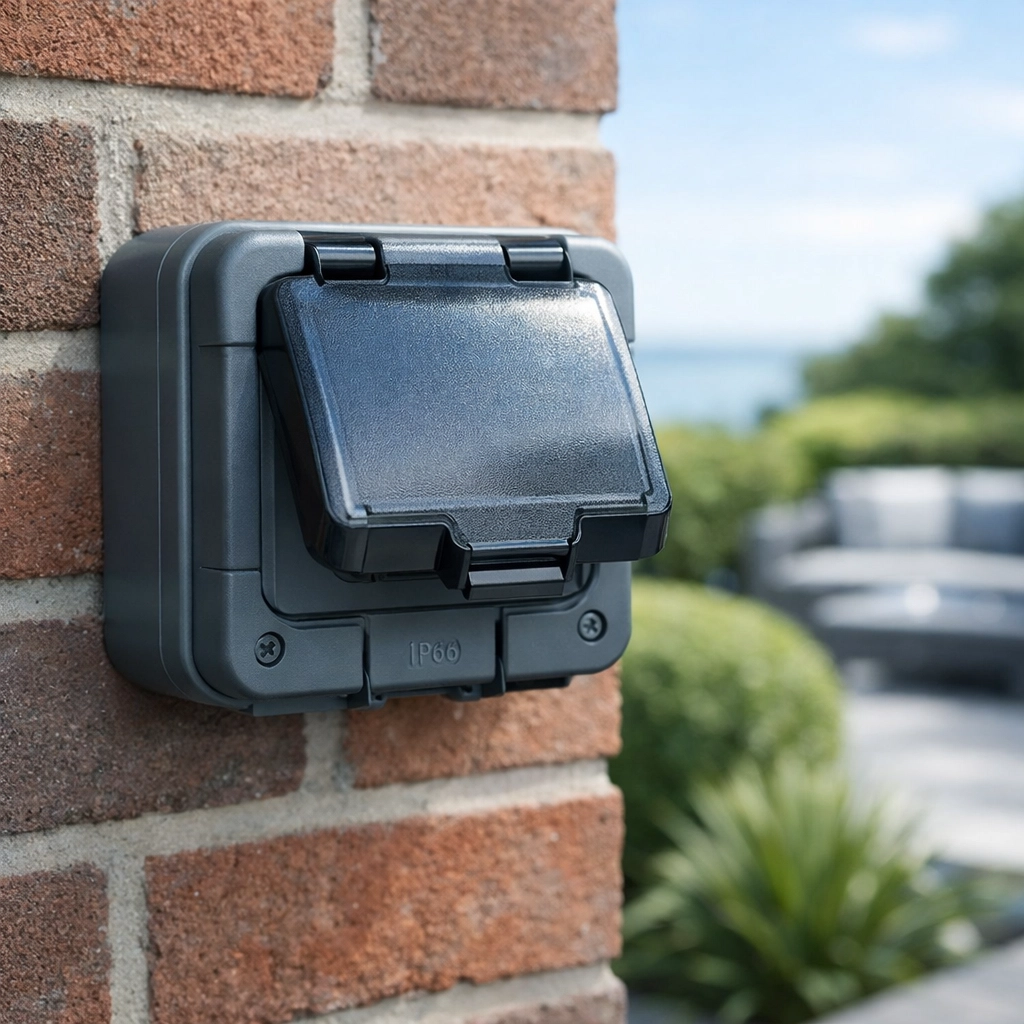
Ensure all external wiring is housed in protective conduit or use Steel Wire Armoured (SWA) cable for underground or exposed runs. All outdoor sockets must be IP-rated (weatherproof) and RCD-protected. Our team provides comprehensive commercial and outdoor electrical services to ensure compliance.
The most significant mistake is assuming that because the lights turn on, the system is safe. Electrical installations deteriorate over time. Connections loosen, insulation becomes brittle, and safety regulations evolve.
An Electrical Installation Condition Report (EICR) is a formal inspection of the electrical system. For rental properties in the UK, this is a legal requirement every five years. For homeowners, it is highly recommended to have an inspection at least every ten years or when moving into a new property.
The Fix:
Schedule a professional inspection. Our electricians in Dorset provide detailed EICR reports, identifying any "Code 1" (immediate danger) or "Code 2" (potentially dangerous) issues that require urgent attention. This is a critical component of any electrical safety Poole checklist.
Dorset Electrical Solutions operates with full compliance to the latest IET Wiring Regulations. Our team is experienced in both domestic and commercial sectors, ensuring that every installation in Bournemouth, Poole, and the surrounding areas is fit for purpose.
Common safety checks we perform include:
If you are concerned about the age of your wiring or the frequency of tripped breakers, professional intervention is necessary. We handle everything from minor repairs to full house rewires and commercial electrical projects.
Proper electrical maintenance prevents costly emergency repairs and ensures the safety of occupants. For residents in Dorset, Bournemouth, and Poole, staying proactive is the most effective way to manage these risks.
Photos of recent consumer unit upgrades and PIV installations in the Poole area are available in our gallery.
Thanks.