
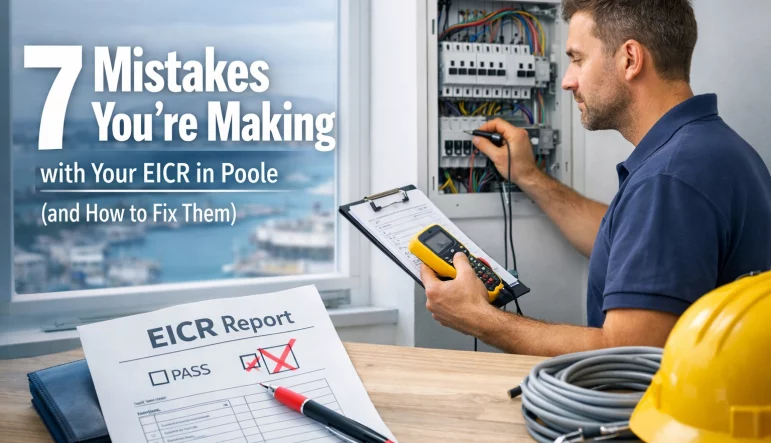
Ensuring the safety of a property in Poole or Bournemouth is a significant responsibility for any landlord or homeowner. An Electrical Installation Condition Report (EICR) is the primary method used to verify that your electrical systems are safe, compliant, and up to code. However, many property owners in Dorset find themselves facing failed reports or unexpected repair bills because of common oversights.
Whether you are managing a rental property in Ferndown or updating a family home in Ringwood, understanding the nuances of an EICR is essential. As an experienced electrician dorset team, we have seen where these inspections go wrong. Here are the seven most common mistakes people make with their EICR and how you can avoid them.
One of the most frequent errors is hiring a contractor based solely on the lowest price or a quick internet search without verifying their credentials. For an EICR to be legally valid, especially for landlords, it must be carried out by a "qualified and competent" person.
In Dorset, choosing a local specialist who understands the specific housing stock in areas like Parkstone or Sandbanks is vital. Many older properties in Poole have unique wiring configurations that require a seasoned eye. Using a firm that isn't registered with a regulatory body like NICEIC or NAPIT can result in a report that is not accepted by local authorities or insurance providers. Always check that your electrician is fully insured and specifically qualified to perform periodic inspections.

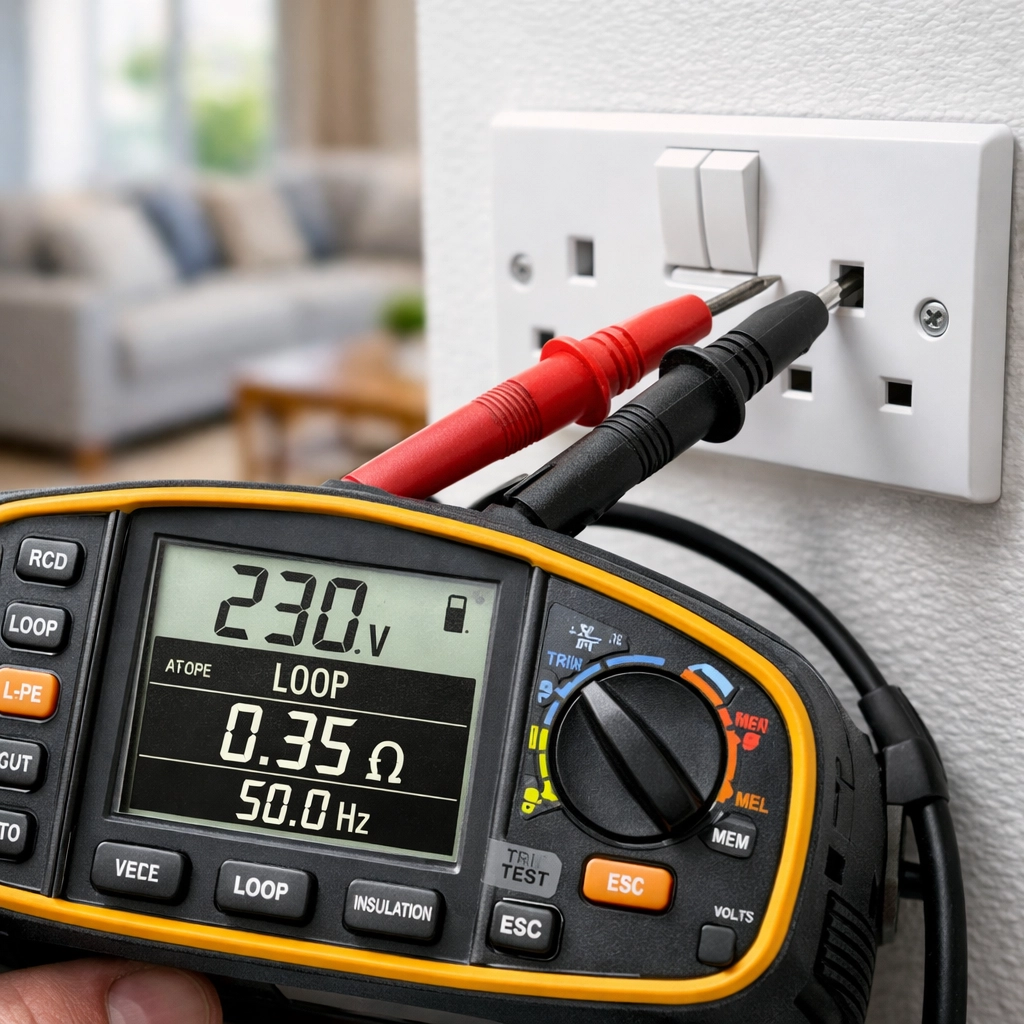
A proper EICR should not be a "drive-by" inspection. A common mistake is accepting a report where the electrician only checked a small fraction of the property. While regulations allow for a percentage of the installation to be sampled, some poor-quality inspections only examine 30% to 40% of the sockets and points.
If an inspection is too shallow, critical issues like loose earth wires (CPCs) or improper cable connections hidden behind walls or floorboards might be missed. We recommend ensuring your electrician performs a thorough check of all accessible points. At Dorset Electrical Solutions, we pride ourselves on transparency, ensuring that the sampling rate is sufficient to give a true representation of the installation's health.
Main bonding is a safety requirement that involves connecting metallic pipes (like gas and water) to the main earthing terminal of the electrical installation. This ensures that if a fault occurs, the metallic pipework doesn't become live.
Many older properties in Bournemouth and Poole still lack adequate main bonding. During an EICR, this is often flagged as a C2 (Potentially Dangerous) or even a C1 (Danger Present) fault. If your report highlights missing bonding, it is not just a "recommendation": it is a critical safety failure that must be addressed to achieve a "Satisfactory" result.
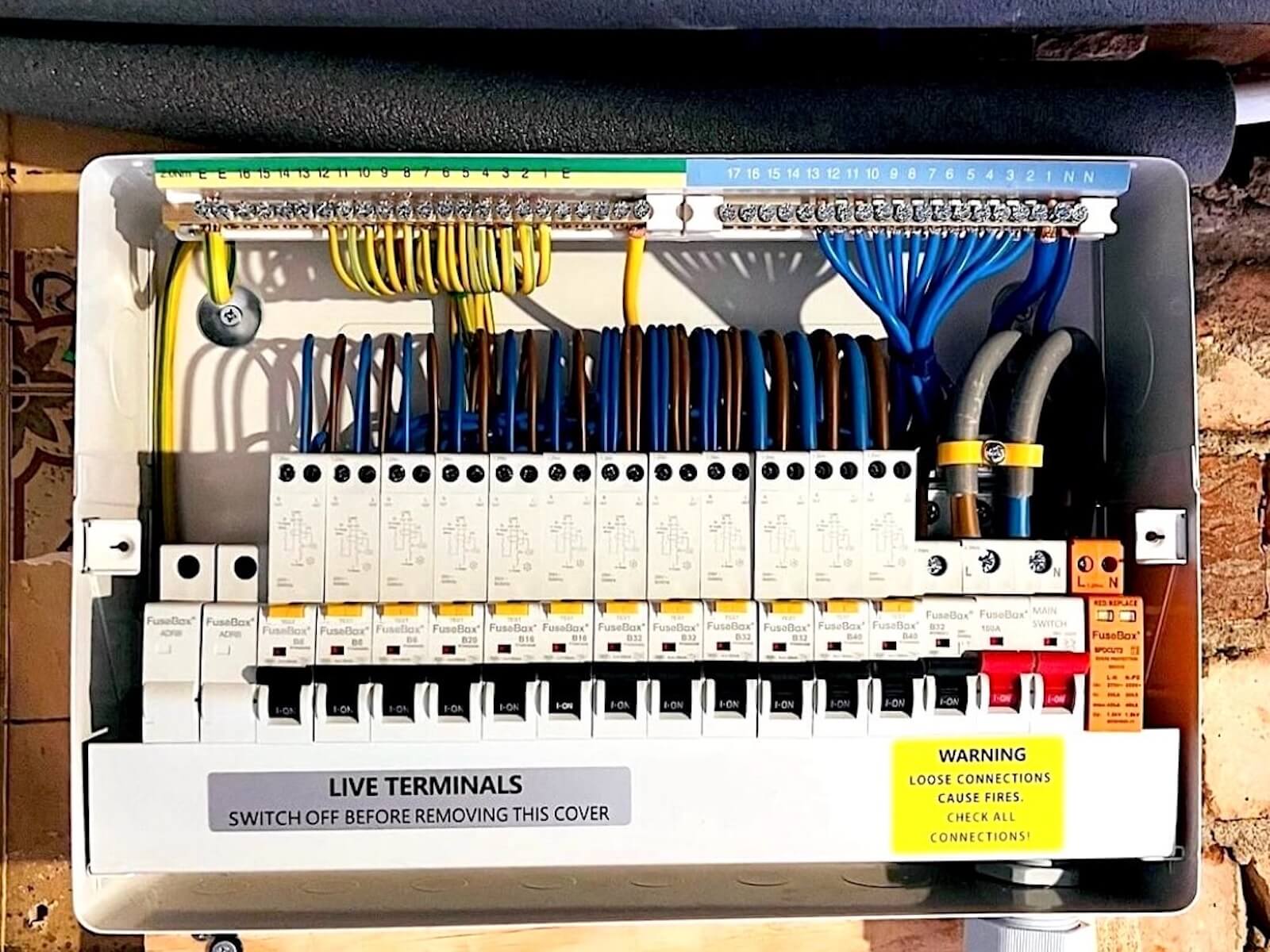
The consumer unit (often called the fuse box) is the heart of your home’s electrical system. A major mistake is assuming that because the lights turn on, the box is safe. Many EICRs fail because the consumer unit is outdated, lacks RCD (Residual Current Device) protection, or has improperly identified circuits.
In some cases, electricians find that neutrals and earth wires from different circuits have been twisted together or "borrowed" to make a system work. This makes troubleshooting dangerous and can lead to fires. Upgrading to a modern consumer unit with individual RCBOs is often the most reliable fix for a failing EICR.
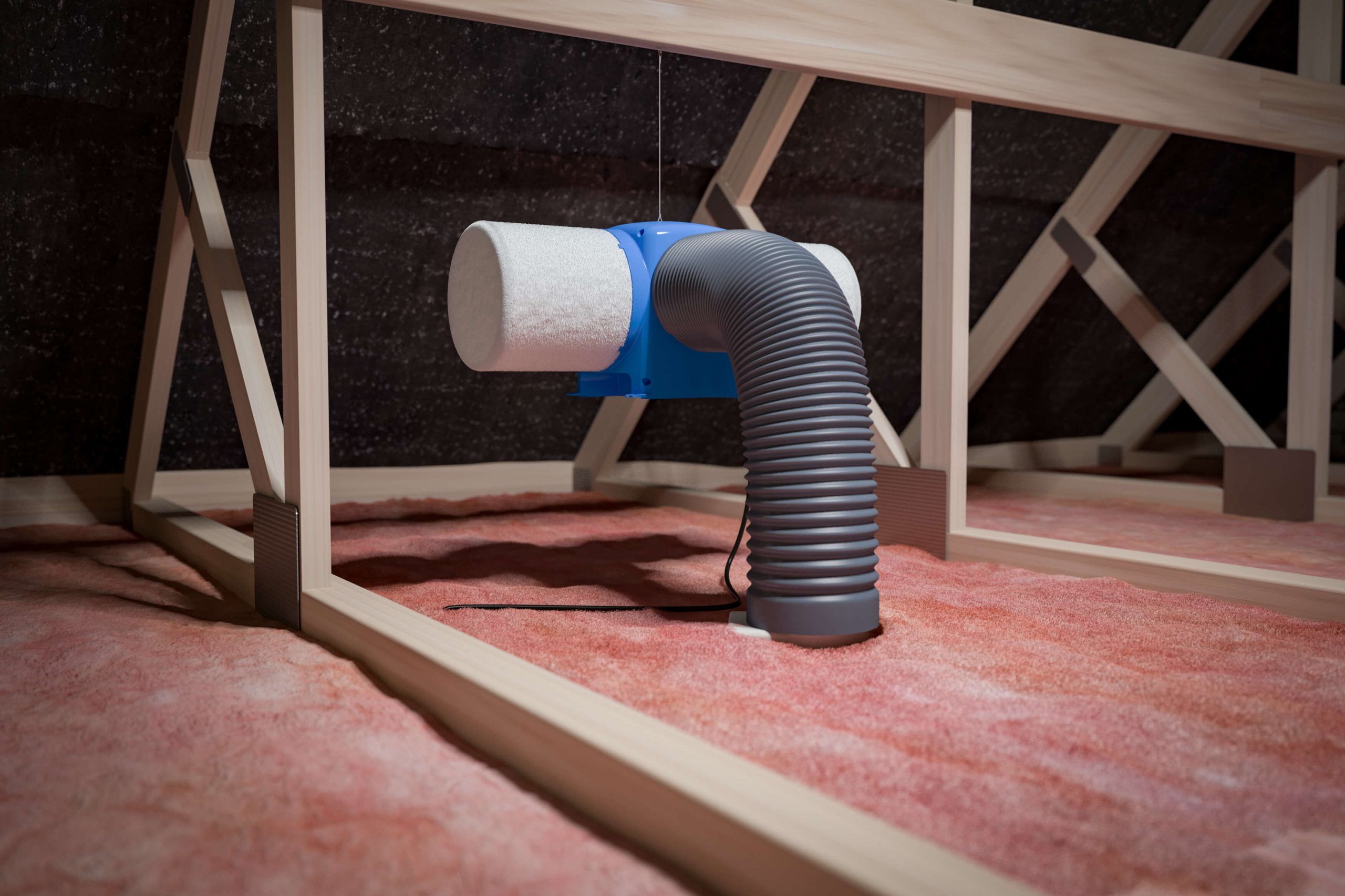
Electrical safety isn't just about wires; it's also about the environment those wires live in. In coastal areas like Poole, dampness and mould can affect electrical fittings, leading to corrosion and short circuits. Many property owners focus on the wiring but ignore the underlying dampness that causes the electrical components to fail.
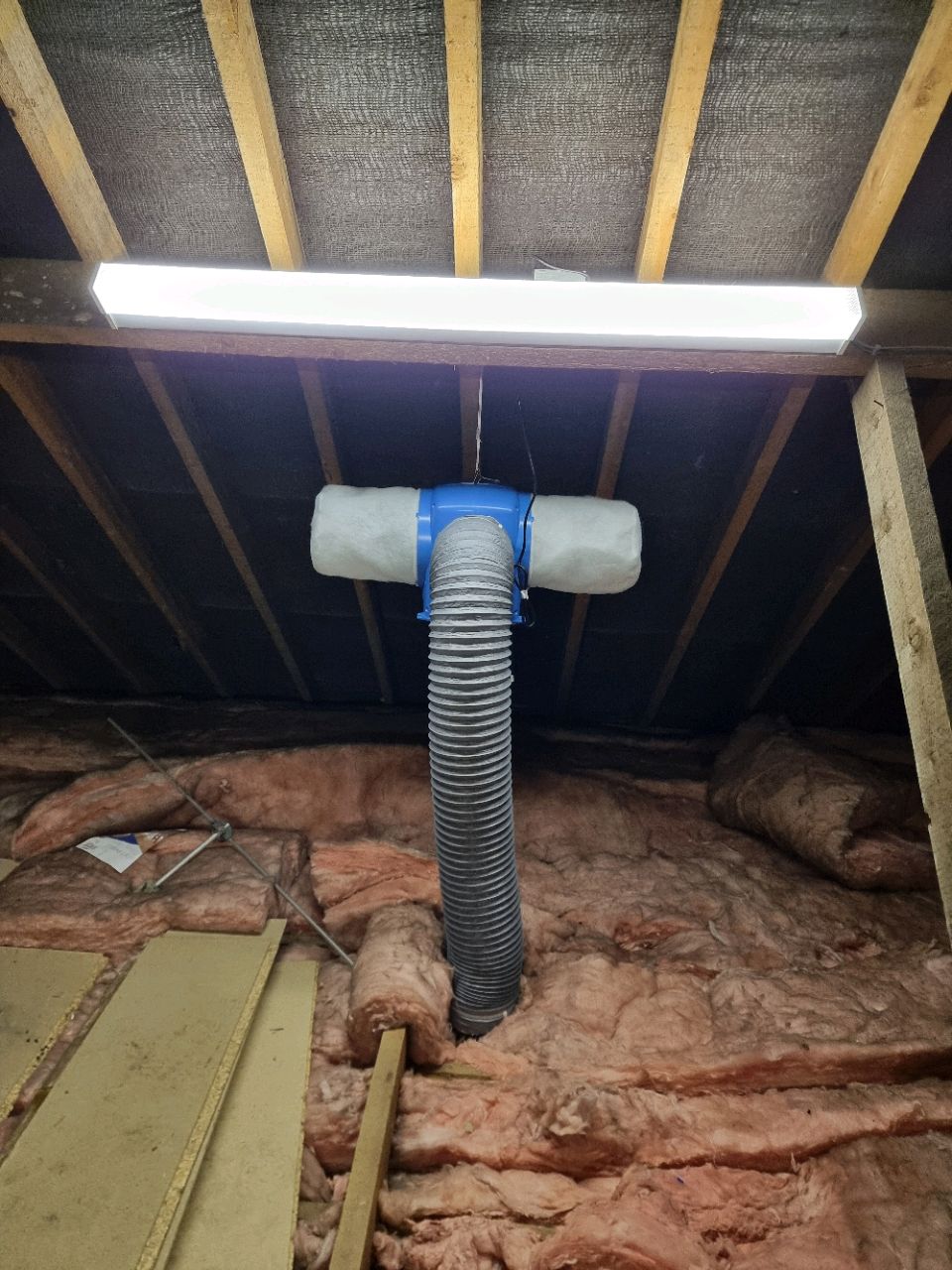
A great way to fix this: and a service we frequently provide alongside electrical remedial work: is the installation of a PIV unit (Positive Input Ventilation). A PIV system helps circulate fresh, filtered air throughout the property, significantly reducing the condensation that leads to mould. By keeping your home dry, you protect both the building fabric and the longevity of your electrical installation.
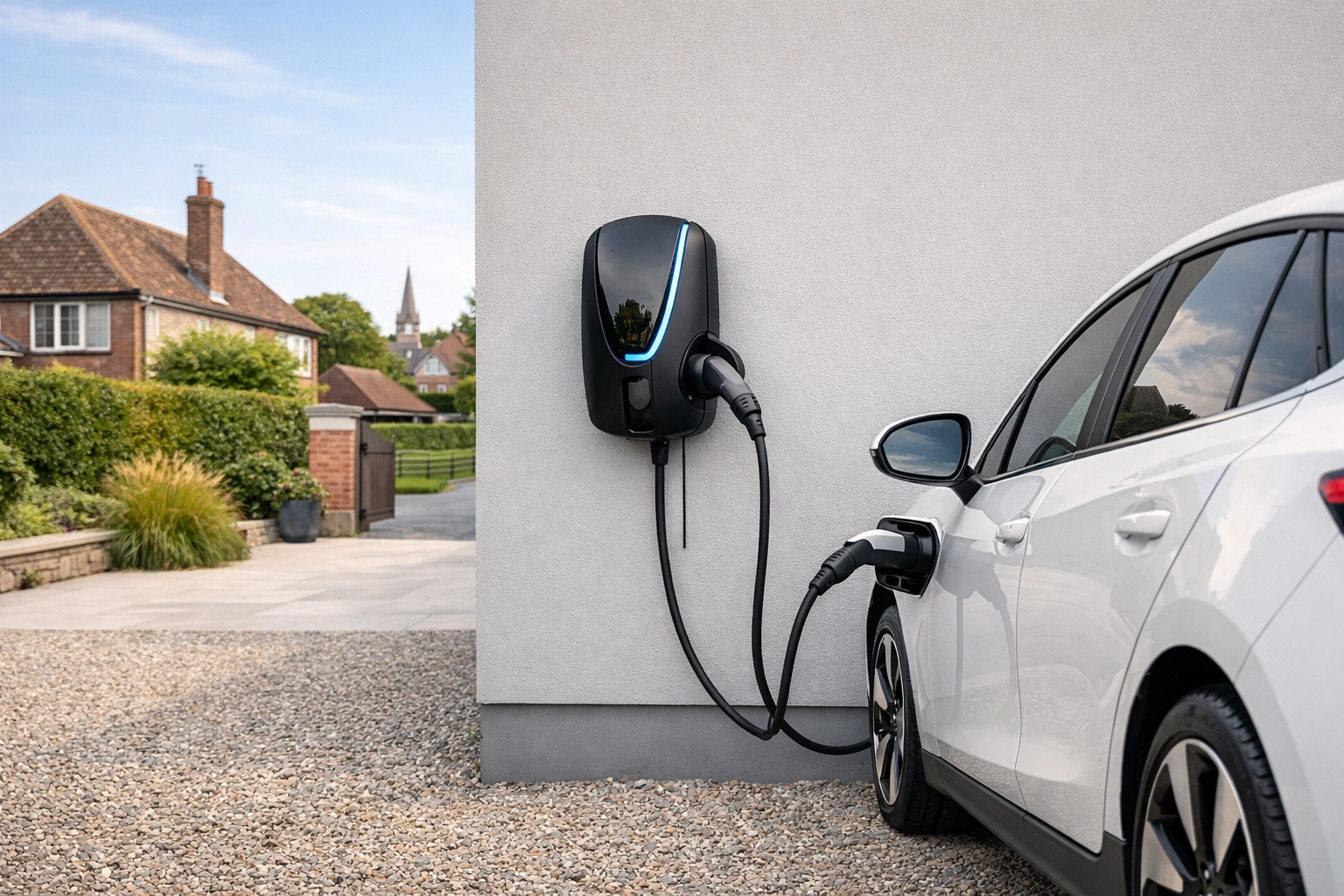
With the rise of sustainable living in Dorset, many homes now feature external power for sheds, garden offices, or electric vehicles. A common mistake is failing to include these in the EICR or having them installed by DIY enthusiasts without proper certification.
If you are planning an EV charger installation in Ringwood or Ferndown, it must be integrated correctly into your consumer unit with the right protection (usually Type A or Type B RCDs). An EICR will often fail if an EV charger has been added to an already overloaded system without the proper load-balancing or earthing arrangements. Always ensure your EV charger and external power points are part of your periodic inspection.
Receiving an EICR can be overwhelming due to the technical jargon. The biggest mistake is failing to act on the codes provided.
Landlords in Poole must complete remedial work for C1 and C2 codes within 28 days to remain compliant with the law. Ignoring these codes not only puts tenants at risk but also opens the landlord up to significant fines from the local council.
Fixing these mistakes often involves a combination of remedial electrical work and home improvements. For example, if your EICR fails due to moisture damage in a bathroom or kitchen, simply replacing the light fitting is a temporary fix. Installing a PIV system provides a long-term solution by tackling the humidity at the source.
Similarly, if you are looking to future-proof your property, combining your EICR with an EV charger installation can be cost-effective. Our team at Dorset Electrical Solutions handles everything from the initial safety inspection to the final installation of high-end chargers and ventilation units.
To ensure your inspection goes as smoothly as possible, there are a few steps you can take:
Dorset Electrical Solutions serves the entire region, including Bournemouth, Poole, Ferndown, and Ringwood. We understand the specific requirements for landlords and the high standards expected by homeowners. Our approach is straightforward: we provide a reliable service, clear reporting, and expert fixes for any issues found.
By avoiding these seven common mistakes, you can ensure your property remains a safe place to live or work. Whether it is ensuring your main bonding is up to scratch, installing a PIV unit to combat Dorset's coastal dampness, or preparing for an EV charger installation, being proactive is the best way to handle your electrical safety.
Don't wait for a fault to occur or a deadline to pass. Regular inspections and choosing the right electrician dorset will keep your installation in top condition for years to come.