
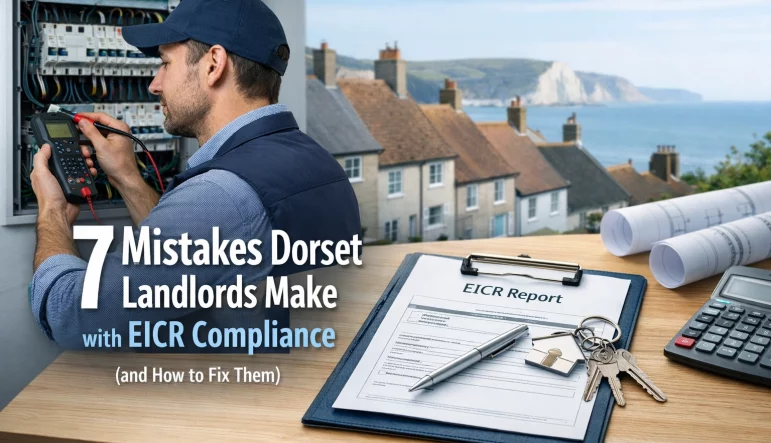
Owning a rental property in Dorset, whether it’s a modern flat in Bournemouth or a character cottage in Ringwood, comes with a significant list of responsibilities. Top of that list is ensuring the safety of your tenants. Since 2020, the Electrical Safety Standards in the Private Rented Sector (England) Regulations have made it mandatory for landlords to have their electrical installations inspected every five years. This result is the Electrical Installation Condition Report (EICR).
However, navigating these regulations isn't always straightforward. Our team at Dorset Electrical Solutions frequently encounters landlords who have inadvertently fallen foul of the law or, worse, left their properties in an unsafe condition. From misinterpreting the "5-year rule" to hiring the wrong electrician dorset has to offer, these errors can lead to fines of up to £30,000.
Here are the seven most common mistakes Dorset landlords make with EICR compliance and the steps you need to take to fix them.
The most critical mistake is failing to verify the credentials of the person carrying out the inspection. An EICR is a legal document, and it must be completed by a "qualified and competent" person. In the industry, this means an electrician who is registered with a government-approved regulatory body like NICEIC or NAPIT.
Many landlords search for a cheap "electrician dorset" on social media or local marketplaces without checking for professional accreditation. If an unregistered individual signs off on your EICR, the report is legally invalid. In the event of an electrical fire, your insurance provider will likely reject your claim, and the local housing authority in Poole or Bournemouth could issue a substantial fine.
How to Fix It: Always request proof of registration before booking. You can check the NICEIC or NAPIT online databases to verify a contractor’s status. Our team at Dorset Electrical Solutions maintains full accreditation to ensure every report we issue is legally robust and safety-focused.
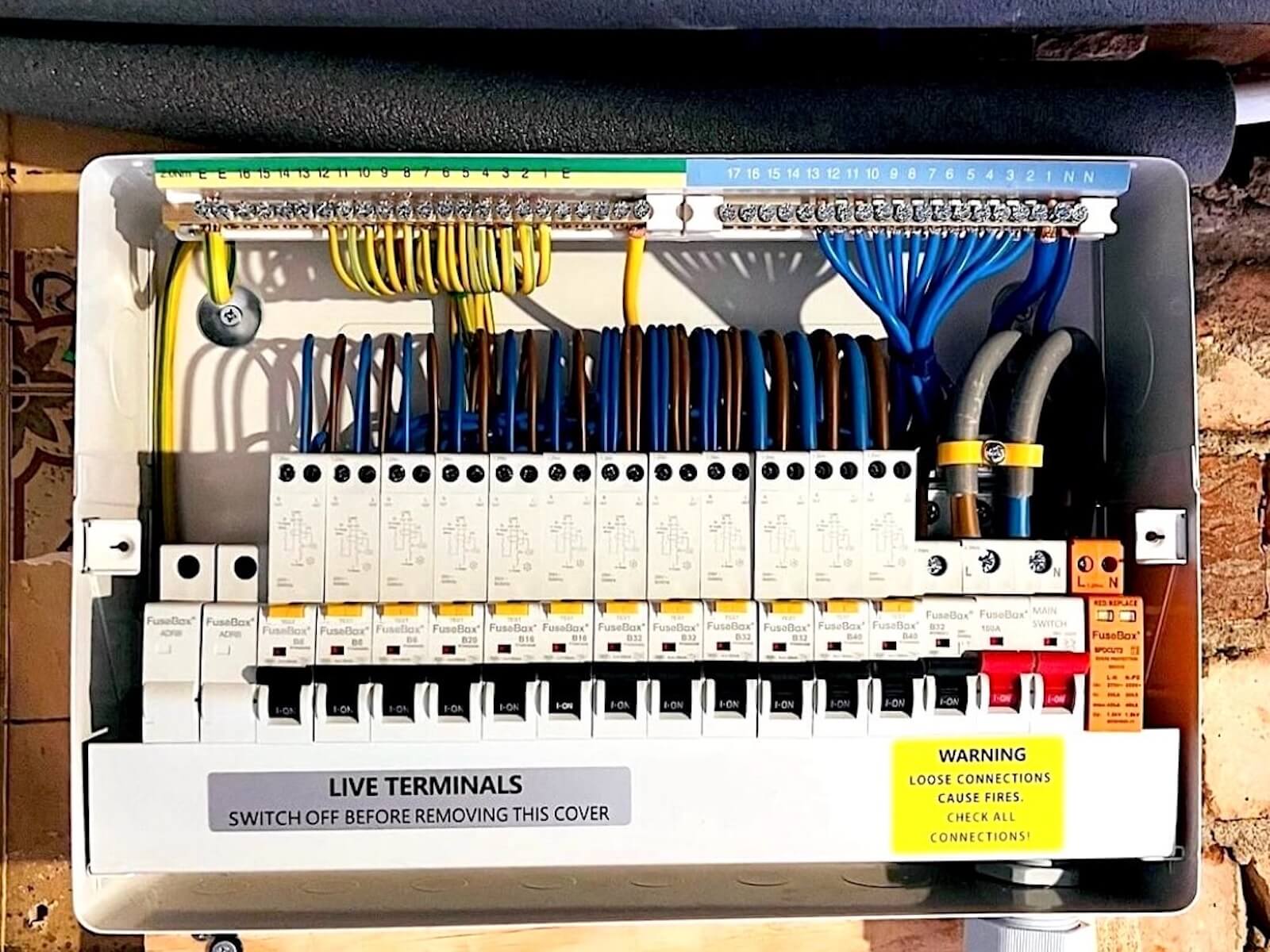
Receiving the report is only half the battle. If the EICR identifies issues, they will be categorised by codes:
A common mistake is assuming that a "Unsatisfactory" report can wait until the next tenancy change. Legally, any C1 or C2 issues must be rectified within 28 days: or sooner if the report specifies a shorter timeframe.
How to Fix It: As soon as you receive an "Unsatisfactory" report, instruct your electrician to provide a quote for the remedial works. Once the work is done, you must obtain written confirmation (often a Minor Works Certificate or an Electrical Installation Certificate) from the electrician to prove the property is now safe. Keep this with your original EICR.
An EICR is a thorough investigation. Our electricians need to access every part of the electrical system, including the consumer unit, light fittings, and every single socket. We often arrive at properties in Ferndown or Christchurch only to find heavy wardrobes blocking sockets or cupboards full of clutter hiding the fuse board.
If an electrician cannot access certain areas, they will mark them as "limitation" on the report. Too many limitations can make the entire EICR invalid or inconclusive, meaning you've paid for a report that doesn't actually prove the property is safe.
How to Fix It: Inform your tenants well in advance. Ask them to clear areas around the consumer unit and ensure that all rooms are accessible. If the property has a loft where junction boxes are located, ensure the hatch is not obstructed.
While the legislation generally requires an inspection every five years, this is a maximum limit, not a guarantee. The frequency of inspection depends entirely on the age and condition of the installation. For older properties in historic parts of Dorset, a competent electrician might recommend a re-test every three years.
Furthermore, many landlords forget that a change of tenancy is the ideal time for a visual check. While not always a legal requirement to do a full EICR at every move-in if the previous one is still valid, it is best practice to ensure no damage has been caused by departing tenants.
How to Fix It: Look at the "Next Inspection Date" recommended by the professional on your current report. If they suggest three years, you must follow that recommendation to remain compliant.
With the rise of electric vehicles, many landlords in Bournemouth and Poole are adding EV charging points to their properties to attract high-quality tenants. However, an EV charger installation significantly increases the load on a property’s electrical system.
A common mistake is installing a charger without updating the EICR or ensuring the existing consumer unit can handle the additional demand. If the charger is installed poorly, it can lead to "Unsatisfactory" ratings on the next inspection or even cause localized overloading.
How to Fix It: Always ensure your EV charger installation is carried out by specialists who understand the load-balancing requirements. When the charger is fitted, ensure you receive the appropriate Electrical Installation Certificate, and keep this alongside your EICR as part of your property’s safety file. You can see examples of our work in our gallery.
You might wonder what damp has to do with an EICR. In Dorset’s coastal climate, moisture ingress is a common problem. Dampness can lead to corrosion in electrical fittings, causing short circuits or even fires. Landlords often treat the symptom (the mould) rather than the cause (poor ventilation), and they certainly don't consider the risk to the electrical system.
If an EICR reveals moisture inside light fittings or sockets, it’s a major red flag.
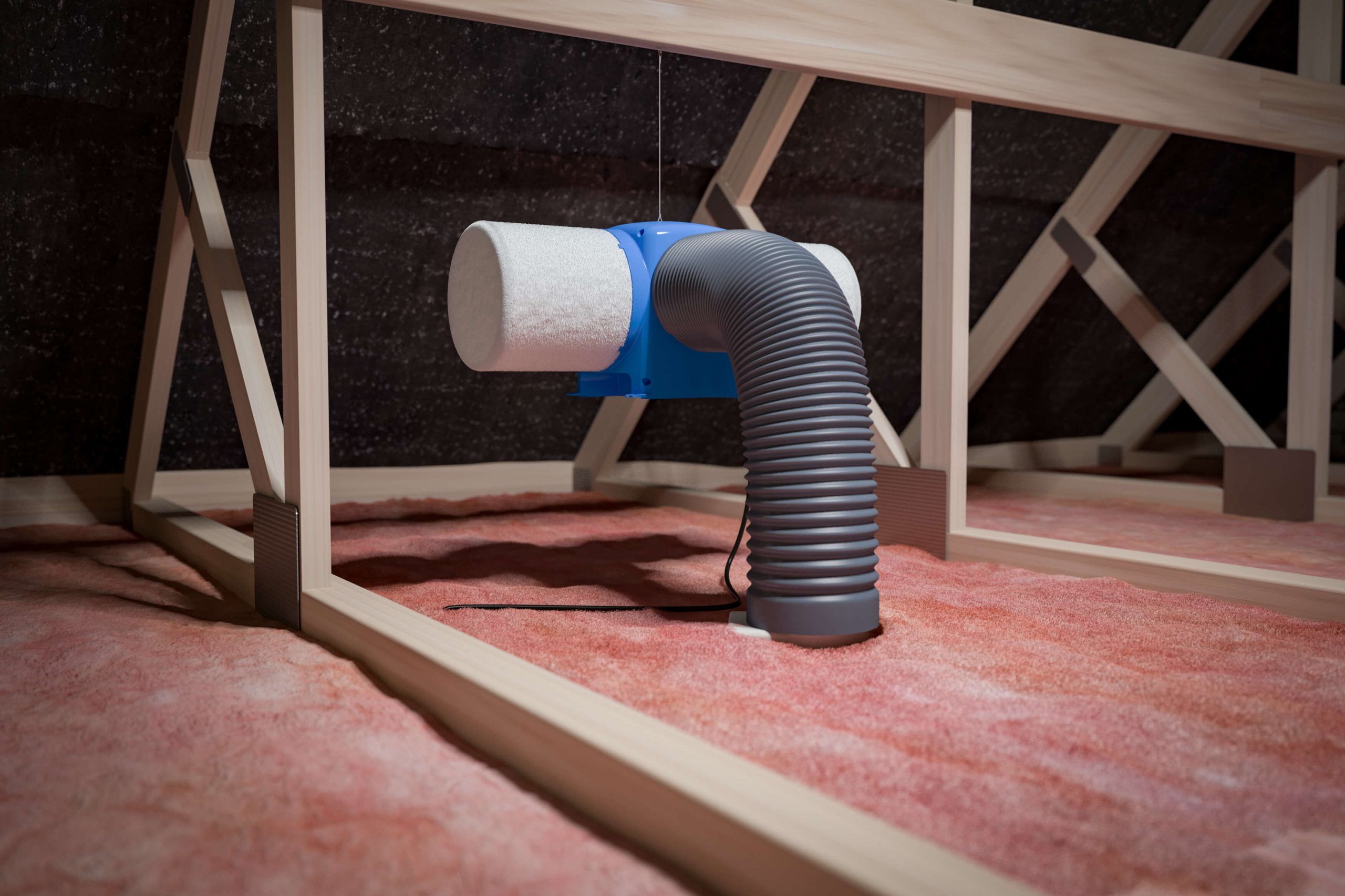
How to Fix It: Consider the installation of a PIV unit (Positive Input Ventilation). A PIV unit is one of the most effective ways to prevent mould and damp by constantly replacing stale, moisture-heavy air with fresh, filtered air. Not only does this protect your tenants' health, but it also protects the integrity of your electrical installation. We provide specialist PIV installations across Dorset to help landlords maintain their properties.
The law is very specific about who needs to see the EICR. You must:
Many landlords lose the paperwork or fail to send it to the tenants, which technically puts them in breach of the regulations even if the property is safe.
How to Fix It: Maintain a digital folder for every property. Scan your EICR, any remedial work certificates, and your EV charger installation documents. Using a professional service like Dorset Electrical Solutions ensures you always have a point of contact to request a digital duplicate if you lose your copy.

Compliance doesn't have to be a headache. By avoiding these seven mistakes, you ensure that your property in Poole, Bournemouth, or anywhere in Dorset remains a safe place to live and a legal asset for your portfolio.
The core of a safe rental property is a robust electrical system. Whether you are looking for a standard EICR, a PIV unit to tackle condensation, or a professional EV charger installation, our team is here to help. We cover all areas including Ferndown, Ringwood, and the surrounding Dorset towns.
Staying ahead of the regulations not only saves you from potential fines but also builds a better relationship with your tenants. A safe home is a happy home, and a happy tenant is a long-term tenant.
For more information on our services or to book your next inspection, visit our contact page. Our team of experts is ready to ensure your property meets the highest safety standards in the industry.
Service Areas:
Our Credentials:
Photos of recent local projects can be found in our online gallery. Keep an eye out for our next update regarding new smart home integration options for Dorset rentals.