

Managing a rental property in Dorset is a full-time job in itself. Between finding reliable tenants in Bournemouth and keeping up with maintenance in Ringwood, the legal paperwork can sometimes feel like an afterthought. However, if there is one piece of paper you cannot afford to ignore, it is the Electrical Installation Condition Report (EICR).
Since the 2020 regulations kicked in, ensuring the electrical safety of your rental property isn’t just a good idea: it’s a legal mandate. Non-compliance can lead to staggering fines of up to £30,000, and more importantly, it puts your tenants at risk. As a leading electrician dorset specialist, we see the same errors popping up from Poole to Ferndown. Whether you are a seasoned property mogul or a first-time landlord, avoiding these seven common EICR mistakes will save you money, stress, and legal headaches.
The biggest mistake we see is landlords choosing a contractor based solely on the lowest quote. While it’s tempting to save a few quid, an EICR is a legal document. Many landlords hire individuals who are not properly registered or don't hold the correct qualifications to sign off on commercial or domestic rental reports.
A cheap, unverified report is essentially a piece of scrap paper. If an incident occurs and your insurer finds out the person who performed the check wasn't a "Registered Competent Person," your insurance could be voided. Always verify that your electrician is registered with a body like NICEIC or NAPIT and that they are working to the latest 18th Edition wiring regulations. At Dorset Electrical Solutions, we pride ourselves on being fully accredited, ensuring every report we issue stands up to legal scrutiny.
When an EICR comes back as "unsatisfactory," it will be marked with specific fault codes. C1 means "Immediate Danger," C2 means "Potentially Dangerous," and FI stands for "Further Investigation Required." Under The Electrical Safety Standards in the Private Rented Sector (England) Regulations 2020, you have a maximum of 28 days to fix these issues.
Many landlords in areas like Bournemouth and Poole make the mistake of waiting until the current tenancy ends to perform these repairs. This is illegal. The clock starts ticking the moment the inspection is completed. Once the remedial work is finished, you must obtain written confirmation from your electrician that the work has been completed to the required standard and keep this alongside your original report.
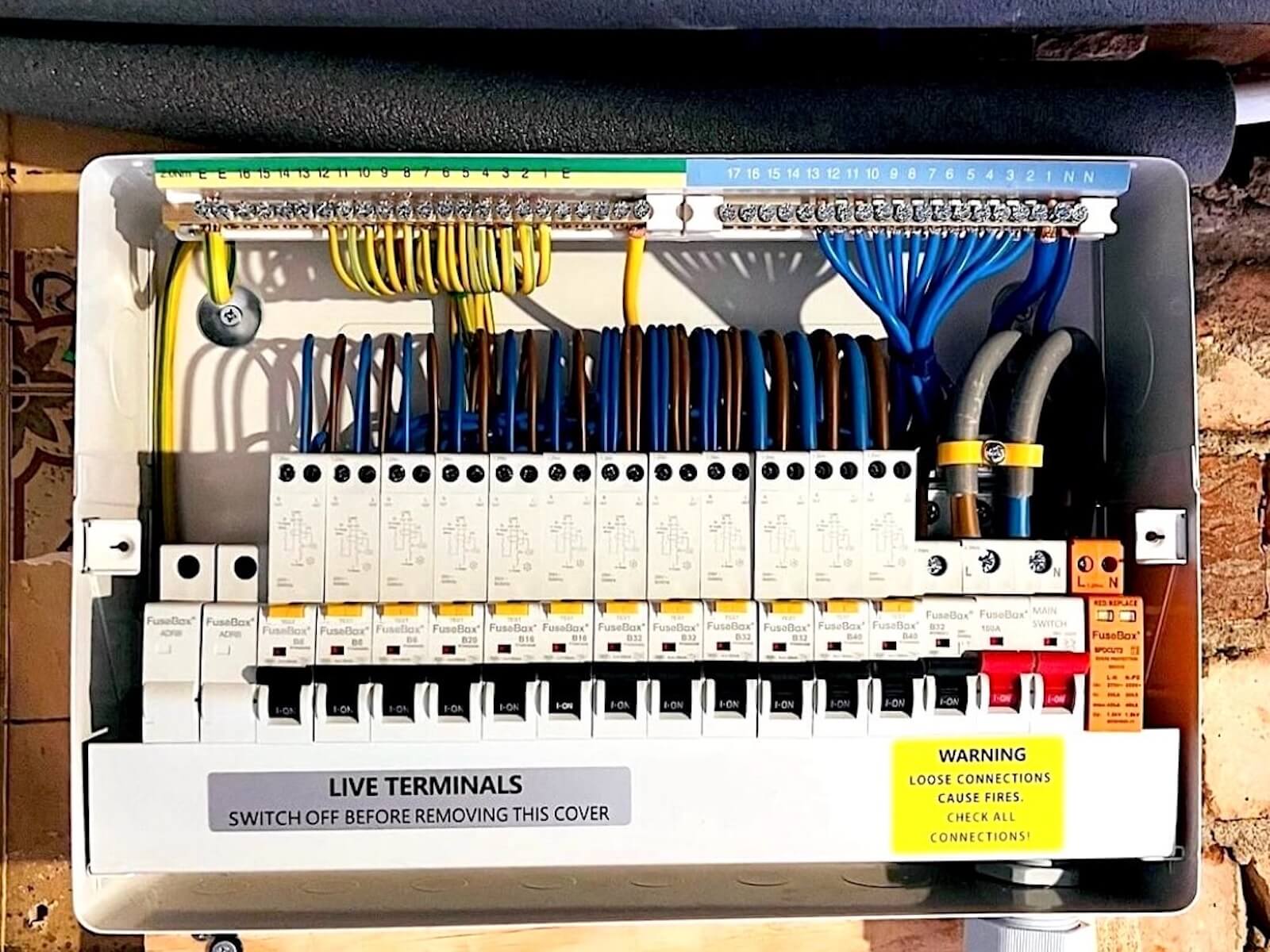
An EICR is not a visual spot-check; it is an invasive test of the entire electrical infrastructure. This means your electrician dorset needs access to every single socket, light fitting, and the consumer unit.
Mistakes happen when landlords don't communicate with tenants. We often arrive at properties in Ferndown only to find a heavy wardrobe blocking the consumer unit or a bed pushed tightly against every socket in the master bedroom. If the electrician cannot access these points, they have to list "Limitations" on the certificate. Too many limitations can make the report invalid for insurance purposes. Before your appointment, ask your tenants to clear access to the meter, the fuse board, and at least a few sockets in every room.
There is a common misconception that every EICR is valid for five years. While five years is the maximum interval allowed by law for most private rentals, it is not a guarantee.
The frequency of testing depends on the age and condition of the installation. If you own an older property in Ringwood with aging wiring, the inspector may recommend a re-test every three years. Landlords often ignore the "recommended next inspection date" on their certificate, assuming they are safe for five years. If your certificate says three years and you wait five, you are technically in breach of the regulations. Always follow the specific timeline provided by your qualified inspector.
Dorset’s coastal climate is beautiful, but the humidity in places like Poole and Bournemouth can be a nightmare for electrical systems. We frequently see EICR failures caused by moisture ingress in junction boxes or corroded wiring in damp walls.
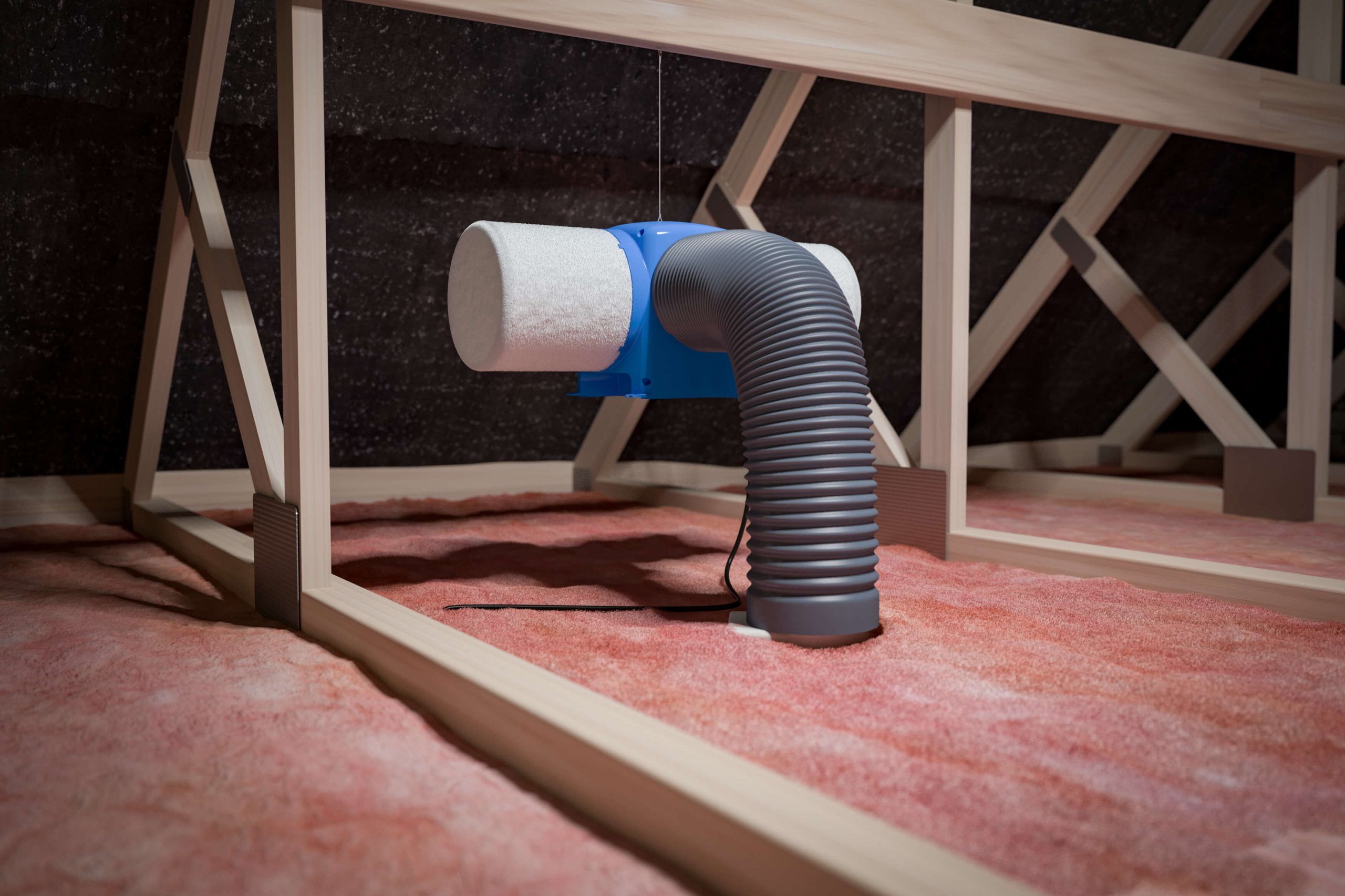
Many landlords treat the symptoms (cleaning the mould) but ignore the cause (poor ventilation). High humidity doesn't just cause health issues for tenants; it degrades your electrical safety. One of the best ways to fix this and protect your property’s electrical health is by installing a PIV unit (Positive Input Ventilation). A PIV unit sits in the loft and gently pushes fresh, filtered air throughout the home, eliminating the condensation that leads to damp.
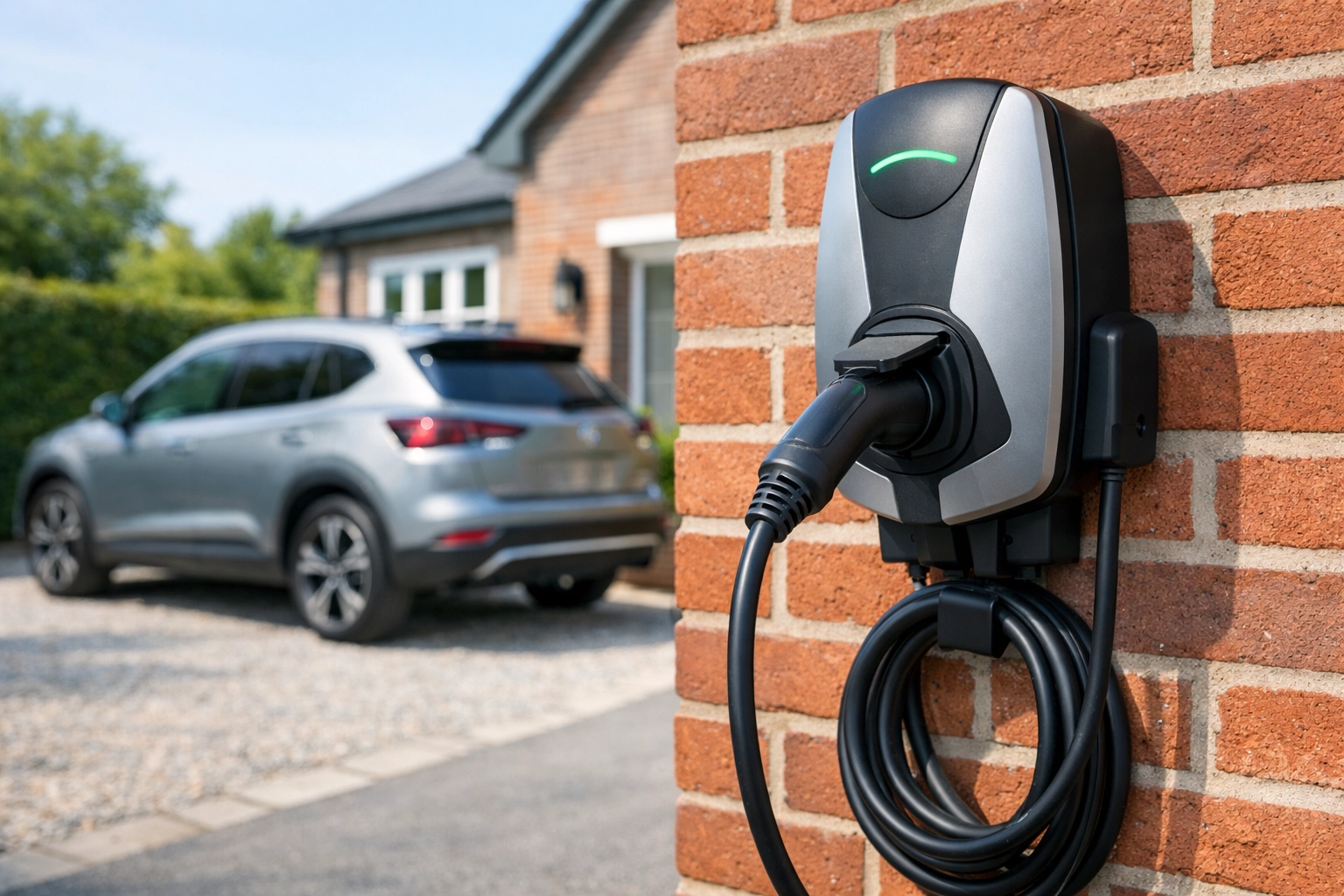
The world is going electric, and many Dorset landlords are now opting for EV charger installation to make their properties more attractive to modern tenants. However, adding a high-load appliance like an EV charger can significantly impact your property’s electrical load and safety profile.
A common mistake is installing an EV charger without updating the EICR or ensuring the current system can handle the demand. If you are planning an EV charger installation in Bournemouth or Ringwood, it’s the perfect time to have a full EICR performed. This ensures your consumer unit is up to the task and that the new circuit doesn't create imbalances that could lead to a failure down the line.
The final mistake is simply losing the paperwork. You are legally required to provide a copy of the EICR to your current tenants within 28 days of the inspection. If you have new tenants moving in, they must receive a copy before they occupy the premises. Furthermore, local authorities in Dorset can request a copy of your report at any time, and you must provide it within seven days.
Failing to provide this documentation is often what triggers the heavy fines, even if the electrical system itself is perfectly safe. Keep digital copies of every certificate and every receipt for remedial work.
Staying on the right side of the law doesn't have to be complicated. Here is a simple checklist for Dorset landlords:
Electrical safety isn't just about avoiding a £30,000 fine; it's about the peace of mind that comes from knowing your investment and your tenants are safe. Whether you have a flat in the centre of Bournemouth or a house in Ferndown, keeping your EICR up to date is the hallmark of a responsible landlord.
If you’re unsure about the current state of your property’s electrics or need to book your next inspection, we are here to help. Our team covers all of Dorset, providing reliable, professional service that keeps you compliant and your tenants happy. For more information on our services, visit our homepage.