
Maintaining electrical safety in residential and commercial properties throughout Poole and the wider Dorset area requires adherence to BS 7671 regulations. Many homeowners in Bournemouth, Ferndown, and Ringwood often overlook minor faults that can escalate into significant fire hazards or shock risks. As experienced electricians in Dorset, our team frequently identifies common errors during routine inspections and EICR testing.
Understanding these risks is the first step toward a safer property. Whether you are managing a shop in Poole High Street or a family home in Canford Cliffs, these seven mistakes are prevalent and, fortunately, entirely preventable.
A frequent issue found in older properties across Poole is the overloading of original electrical circuits. Many houses built decades ago were not designed for the high-draw appliances common in 2026, such as EV chargers, high-end kitchen appliances, and extensive home entertainment systems. Overloading occurs when you add too many sockets or high-wattage devices to a single circuit, exceeding the capacity defined by the circuit breaker or fuse.
When a circuit is pushed beyond its limit, the internal wiring heats up. This heat degrades the PVC insulation over time, eventually leading to a risk of structural fire. To fix this, our team recommends a full circuit assessment. Rather than simply adding "spurs" to existing sockets, we often install dedicated circuits for high-demand areas to ensure the load is distributed safely according to current regulations.
In the world of DIY electrical work, using the wrong gauge of wire is a critical error. Electricity creates heat as it travels through a conductor; the thinner the wire, the higher the resistance for a given current. If the wire is too thin for the electrical load, it acts like a heating element. This can cause the cable to melt behind walls or within ceiling voids, often without the homeowner noticing until smoke appears.
Professional electricians in Dorset ensure that every installation: from a simple lighting circuit to a full commercial rewire: uses the correct wire gauge. This is calculated based on the length of the run, the expected load, and the installation method. Ensuring your wiring is fit for purpose is a cornerstone of electrical safety Poole residents should never ignore.
Loose connections are a leading cause of electrical fires in Dorset. When wires are not securely fastened in socket back-boxes or junction boxes, it creates high resistance. This leads to "arcing," where electricity jumps across small gaps. Arcing generates intense heat that can carbonize surrounding materials and ignite a fire.
Signs of poor connections include flickering lights, buzzing sounds from switches, or a faint smell of burning plastic. Many DIY enthusiasts attempt to join wires using electrical tape or improper terminal blocks. Our team utilizes modern, compliant connectors like Wago clips or screw terminals tightened to the specific torque settings required by manufacturers. This ensures a permanent, low-resistance connection that remains safe under load.
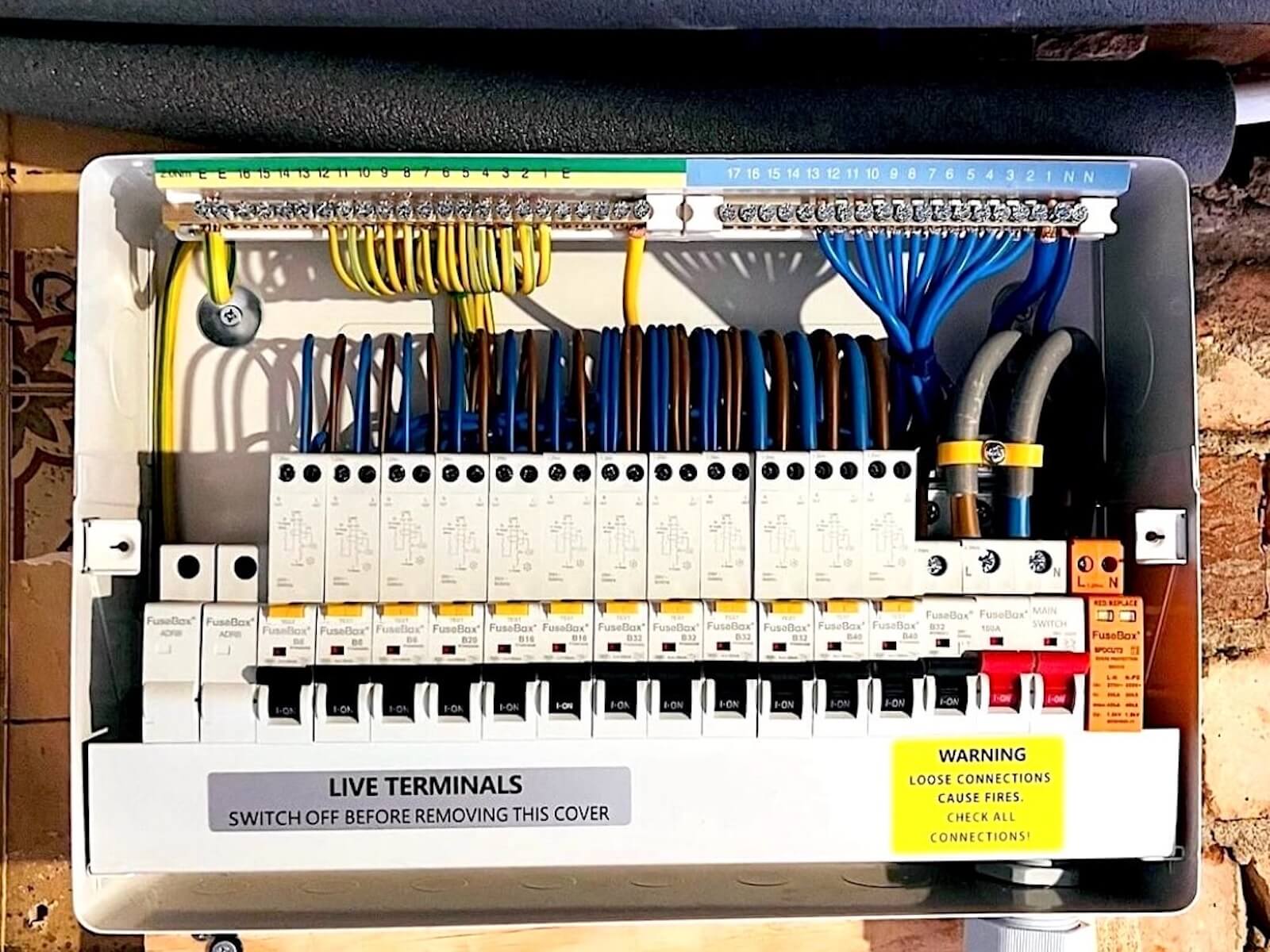
When preparing cables for connection, precision is mandatory. A common mistake is stripping the outer and inner insulation too far back, leaving bare copper exposed outside of the terminal or connector. If two exposed wires touch, it creates a short circuit. If a live wire touches a metal back-box that isn't properly earthed, the entire box: and potentially the screw heads on the faceplate: can become live.
Correcting this requires stripping the wires so that only the portion intended to be inside the terminal is bare. All visible wire outside the terminal must be fully insulated. This level of detail is what differentiates a professional installation from a hazardous DIY job.
This is perhaps the most dangerous mistake a property owner can make. There is a common misconception that turning off a wall switch makes a circuit safe to work on. In reality, the circuit remains live up to that switch. Furthermore, relying on a single circuit breaker in the consumer unit is risky if the board is mislabelled: a frequent occurrence in older Poole homes.
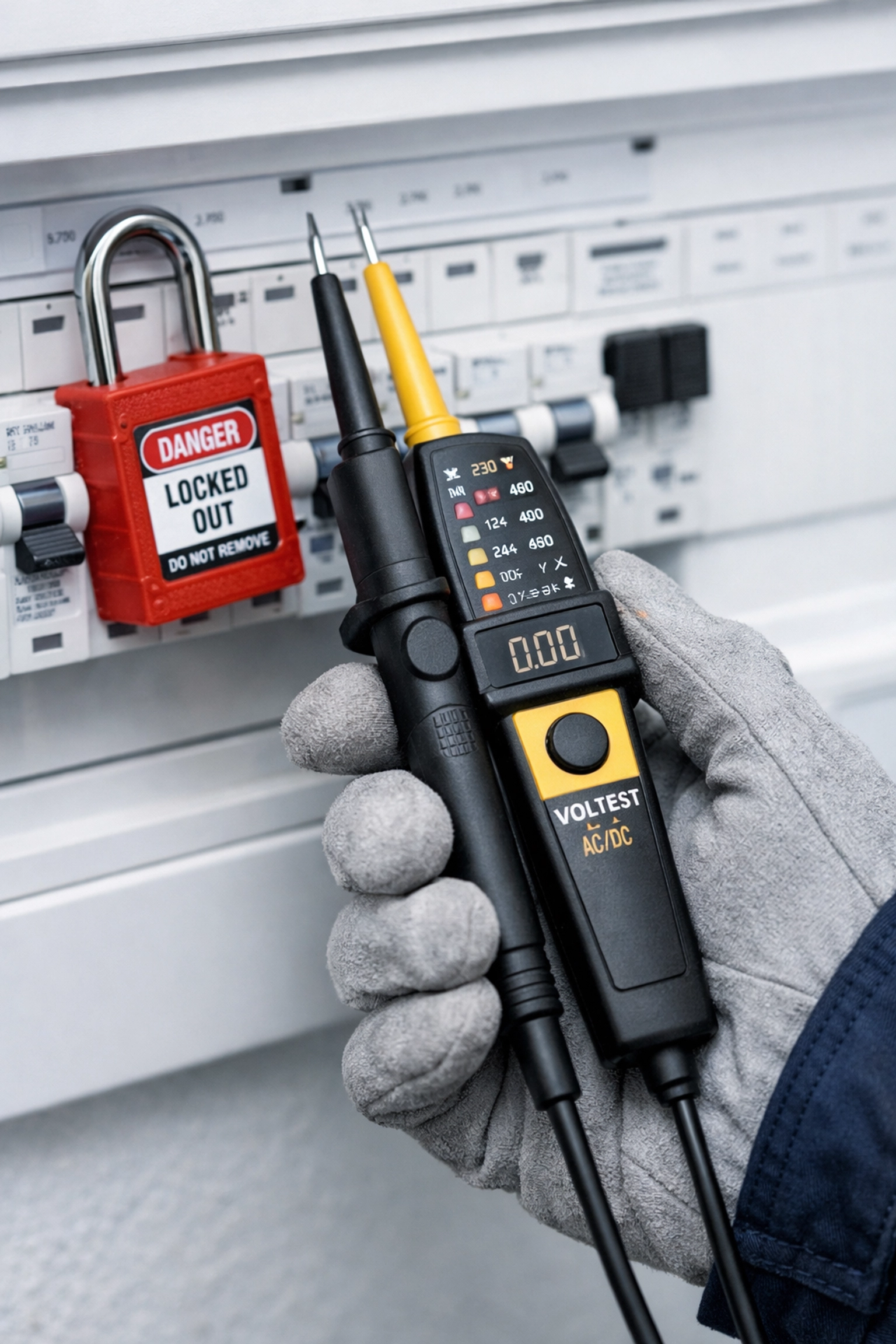
We follow strict "Safe Isolation" procedures. This involves using calibrated voltage testers to confirm a circuit is dead, locking the isolator to prevent accidental reactivation, and testing the tester itself before and after the check. DIY "neon screwdrivers" are notoriously unreliable and should never be used to verify safety. If you are unsure, our team provides professional intervention across electricians-canford-cliffs and electricians-creekmoor to ensure all work is conducted under zero-voltage conditions.
A Residual Current Device (RCD) is a life-saving component that disconnects power in milliseconds if it detects a leak to earth. Many older consumer units in Dorset still use outdated rewireable fuses or standard MCBs that do not provide RCD protection. Without an RCD, a fault that sends electricity through a person's body might not trip a fuse fast enough to prevent a fatal shock.
Upgrading to a modern consumer unit with RCD or RCBO protection is the single most effective safety improvement you can make. This is especially important for circuits that power outdoor equipment or bathrooms. Our consumer unit upgrades bring properties up to modern safety standards, providing peace of mind for residents in Bournemouth and Ferndown.
In many local offices and homes, the demand for power outstrips the number of available wall sockets. The "fix" is often plugging one extension lead into another, known as daisy-chaining. This increases electrical resistance and significantly raises the risk of overloading the initial socket. Extension leads are temporary solutions and are frequently hidden behind furniture where heat cannot dissipate.
The permanent fix is the installation of additional wall sockets. Our team installs extra points in residential and commercial settings, ensuring the load is supported by the property's fixed wiring rather than a chain of plastic leads.
Beyond standard wiring, we also specialise in positive input ventilation (PIV) systems. A common myth is that these systems are complicated to maintain or electrically heavy. In reality, a professionally installed PIV unit is a low-energy solution to damp and mould issues in Dorset homes.
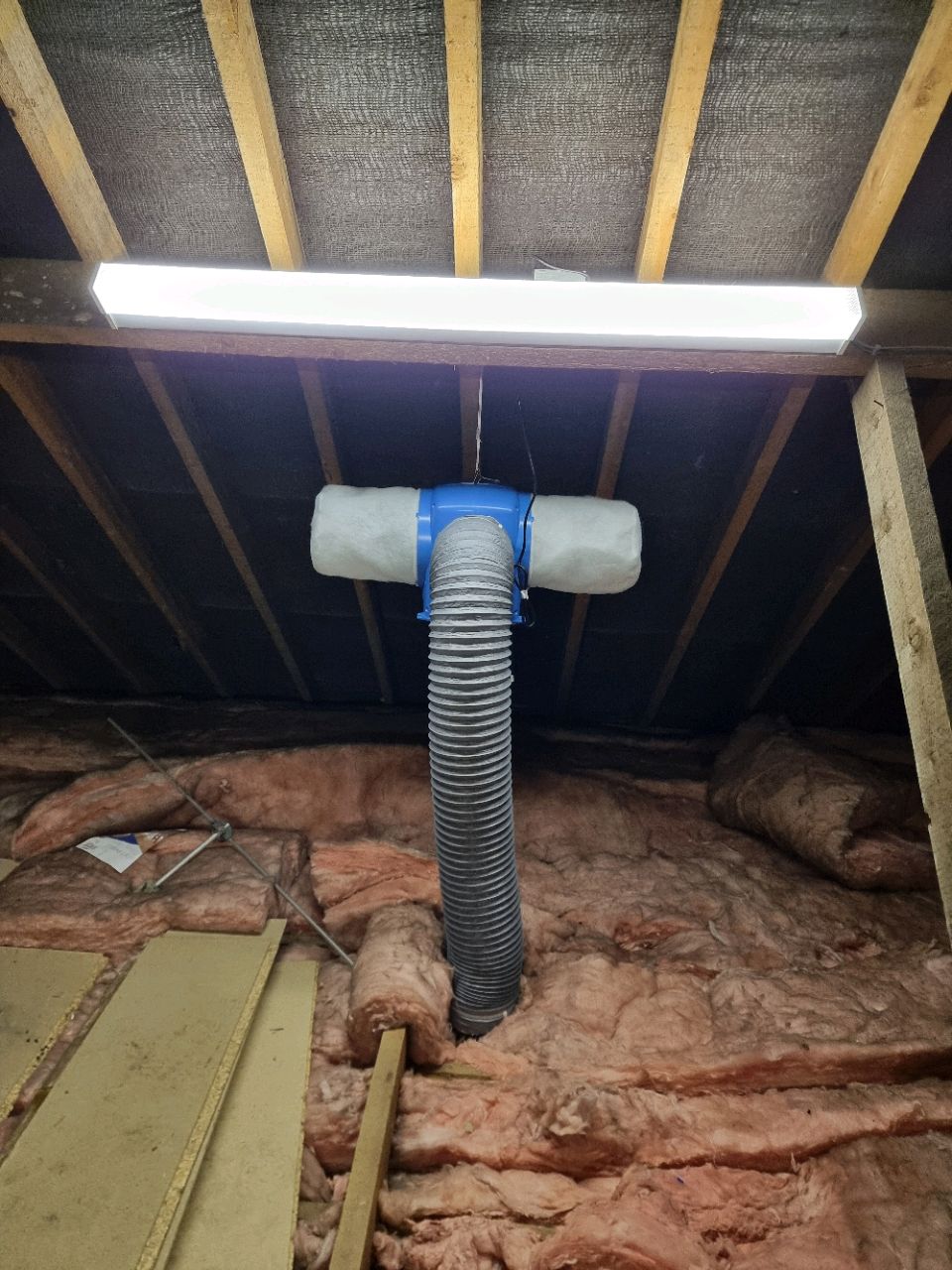
When installing these units, we ensure they are integrated into the home's electrical system with the correct fused spurs and RCD protection. Improperly wired ventilation units can lead to the same risks as any other appliance: overheating and circuit faults. Proper installation ensures the system operates quietly and safely to improve your indoor air quality.
For business owners in Poole and Bournemouth, electrical safety carries additional legal weight. Commercial installations often involve three-phase power and higher load requirements. Mistakes in a commercial setting can lead to significant downtime or insurance invalidation. We provide comprehensive commercial electrical services, including:
Our team covers all local areas, including electricians-branksome-park, electricians-canford-heath, and electricians-charminster. We maintain strict compliance with all health and safety regulations to ensure your business remains operational and safe.
Dorset Electrical Solutions provides a wide range of services to rectify these common mistakes and enhance property safety:
We serve the following locations:
All work is carried out by qualified professionals in accordance with BS 7671. For further information or to schedule an inspection, contact our team directly through our contact page.
Thanks.