
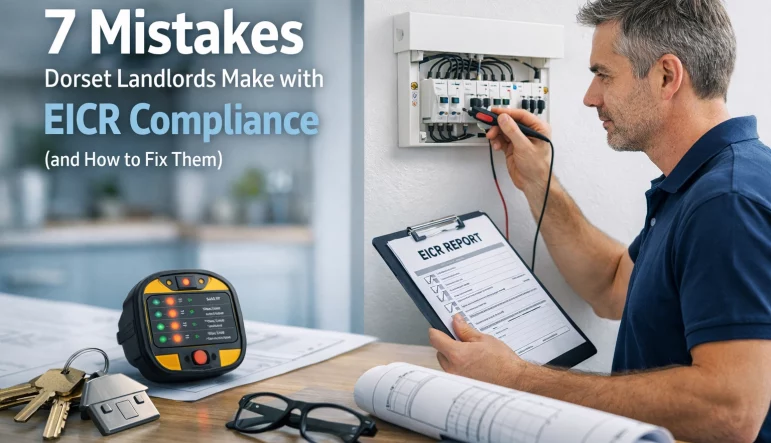
Landlords operating in Dorset, including areas such as Bournemouth, Poole, and Ferndown, are subject to the Electrical Safety Standards in the Private Rented Sector (England) Regulations 2020. These regulations mandate that every rental property must have a valid Electrical Installation Condition Report (EICR). Failure to comply results in financial penalties of up to £30,000 and invalidates landlord insurance policies. Our team at Dorset Electrical Solutions performs these inspections daily across Ringwood and Christchurch, identifying recurring errors that jeopardize tenant safety and legal standing.
The most frequent error is the engagement of an electrician dorset who lacks the specific credentials required for EICR production. An EICR is a legal document that must be completed by a "competent person." This typically means the contractor is registered with a government-approved body such as NICEIC or NAPIT. We frequently encounter reports produced by unregistered individuals that are rejected by local authorities in Poole and Bournemouth. These reports are often technically insufficient and do not follow the 18th Edition of the IET Wiring Regulations (BS 7671).
Verification is the primary fix for this mistake. Landlords should request proof of registration and check the online database of competent persons before commissioning work. Using an unverified contractor to save on initial costs leads to higher long-term expenses if the report is deemed void during a council audit or following an electrical incident. Insurance providers will generally reject claims if the electrical safety certification was not issued by a registered professional.
Receiving the EICR is only the first stage of compliance. If the report identifies issues coded as C1 (Immediate Danger) or C2 (Potentially Dangerous), the landlord has a legal obligation to rectify these within 28 days. Many landlords in Boscombe and Charminster mistakenly believe that simply having the report is enough. A report with C1 or C2 codes is an "Unsatisfactory" result. The property is not legally compliant until these faults are cleared.
Our team provides written confirmation once remedial works are finished. This confirmation, along with the original EICR, must be served to the existing tenants and, in some cases, the local housing authority within 28 days of the initial inspection. C3 codes (Improvement Recommended) do not require immediate action for compliance but should be addressed to maintain the long-term integrity of the installation.
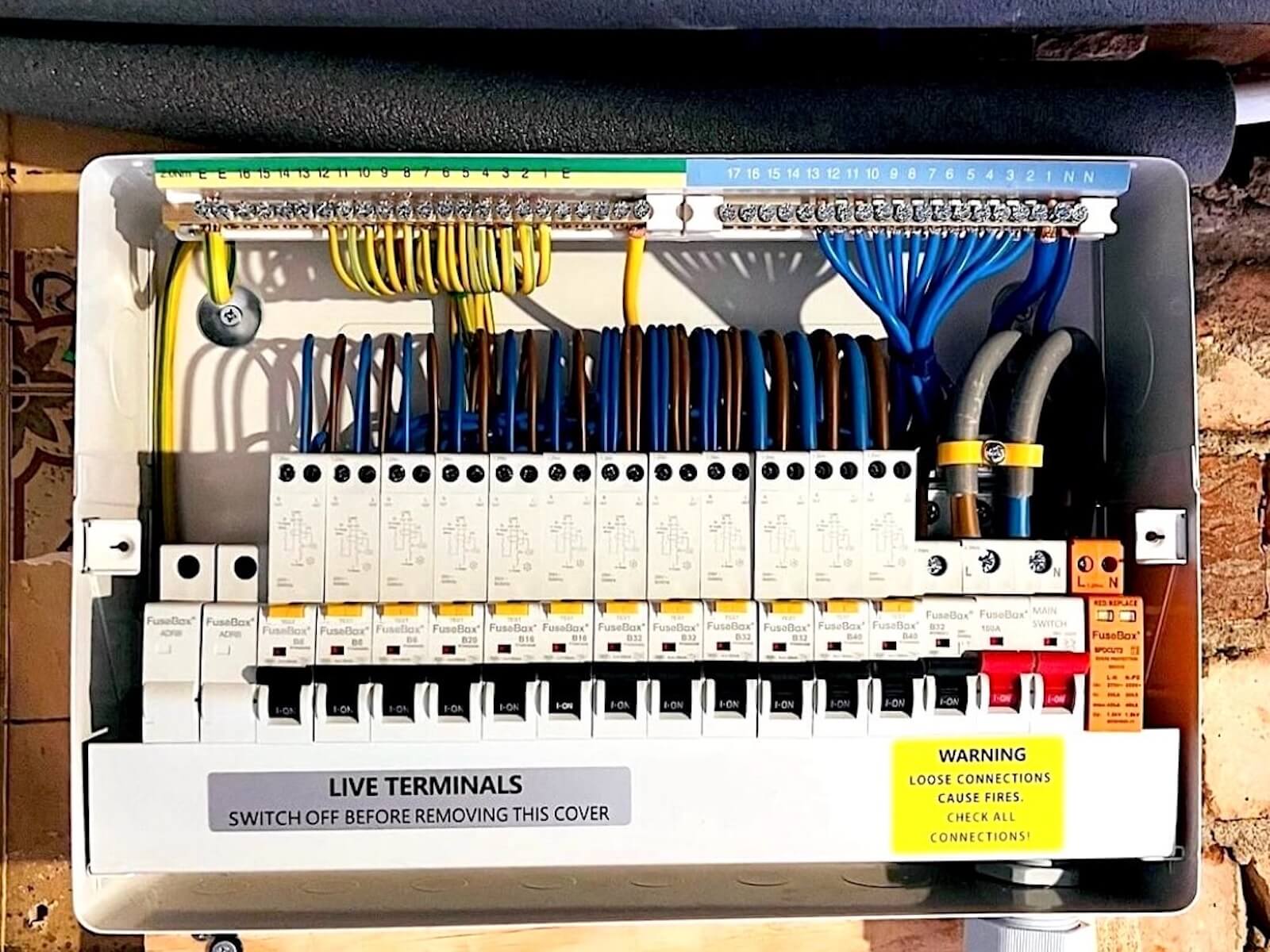
An EICR requires a thorough physical inspection of the electrical system, including the consumer unit, fixed wiring, and all outlets. We often find that inspections in Canford Cliffs and Branksome Park are delayed because the electrician cannot access critical components. Furniture blocking sockets, locked meter cupboards, and inaccessible loft spaces prevent a complete assessment. If more than 10% of the installation is inaccessible, the report may be marked as limited, which can be challenged by local authorities.
To fix this, landlords must ensure the tenant is notified that the power will be switched off for the duration of the testing. All electrical items should be unplugged, and clear access must be provided to the consumer unit and any junction boxes located in the loft. Providing the electrician with keys to all locked areas ensures a comprehensive report and prevents the need for a costly return visit.
While the general rule is that an EICR is valid for five years, this is the maximum allowable period. The inspector may recommend a shorter duration based on the age or condition of the installation. A property with an aging electrical system in Bearwood might be issued a report valid for only three years. Landlords often ignore these recommendations and wait for the full five years, which results in non-compliance if an inspection is requested by the council.
Furthermore, it is best practice to perform a visual inspection at every change of tenancy. While a full EICR is not legally required for every new tenant if the previous one is still within its date, the landlord remains responsible for safety. We recommend obtaining a fresh EICR if a property has been vacant for an extended period or if previous tenants have performed unauthorized DIY electrical work.
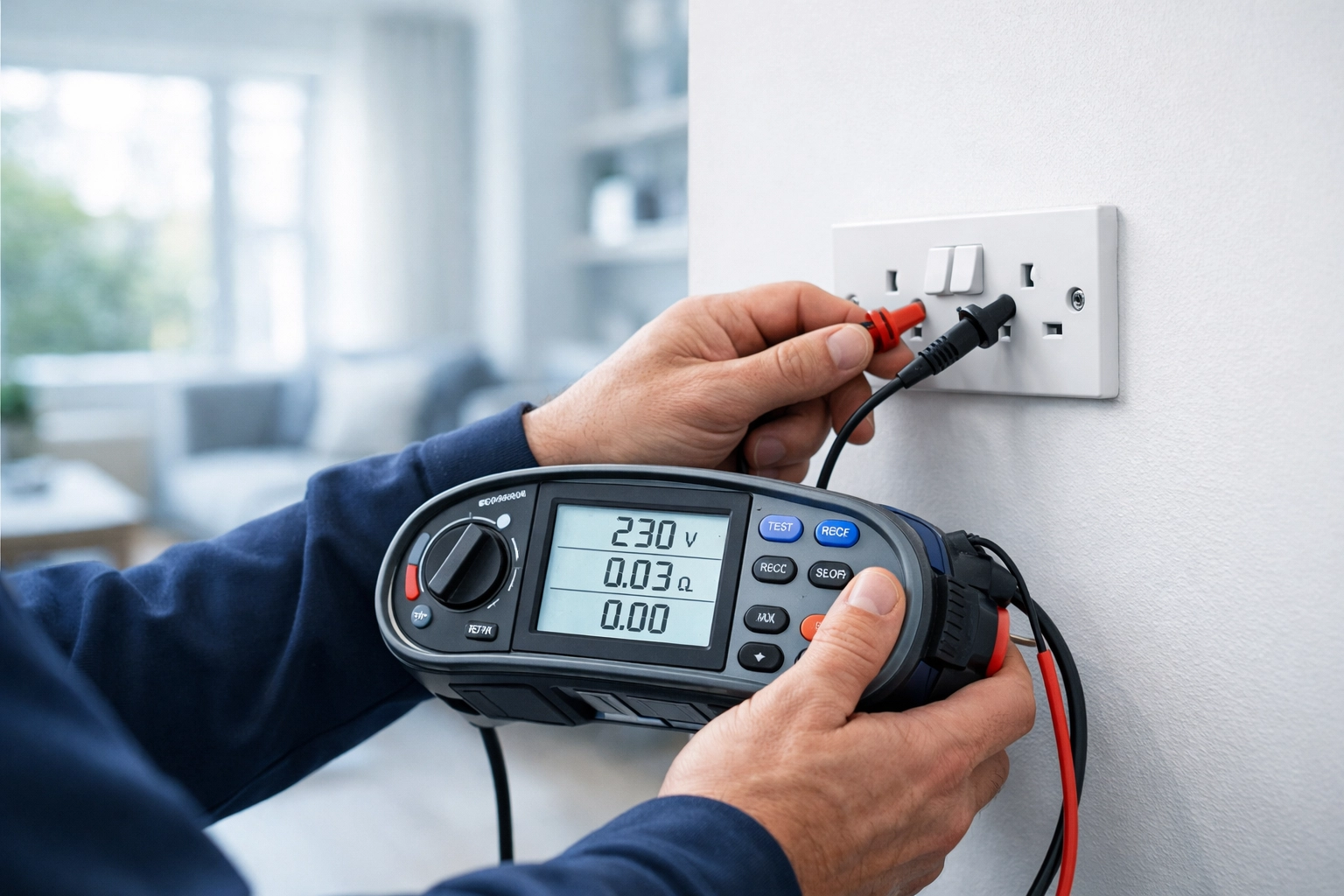
Bathrooms are high-risk environments due to the presence of water. A common failure in Dorset rental properties involves the installation of incorrect light fittings or switches. Any electrical equipment in a bathroom must have a specific Ingress Protection (IP) rating depending on its proximity to the bath or shower. We frequently find standard light fittings in "Zone 1" areas that do not meet the IP44 or IP65 standards required.
Fixing this requires the replacement of non-compliant fittings with moisture-rated alternatives. Pull-cord switches should be used rather than standard wall switches unless the switch is located outside the bathroom. During our inspections in Canford Heath and Creekmoor, we prioritize these zones to ensure the safety of tenants in wet environments.
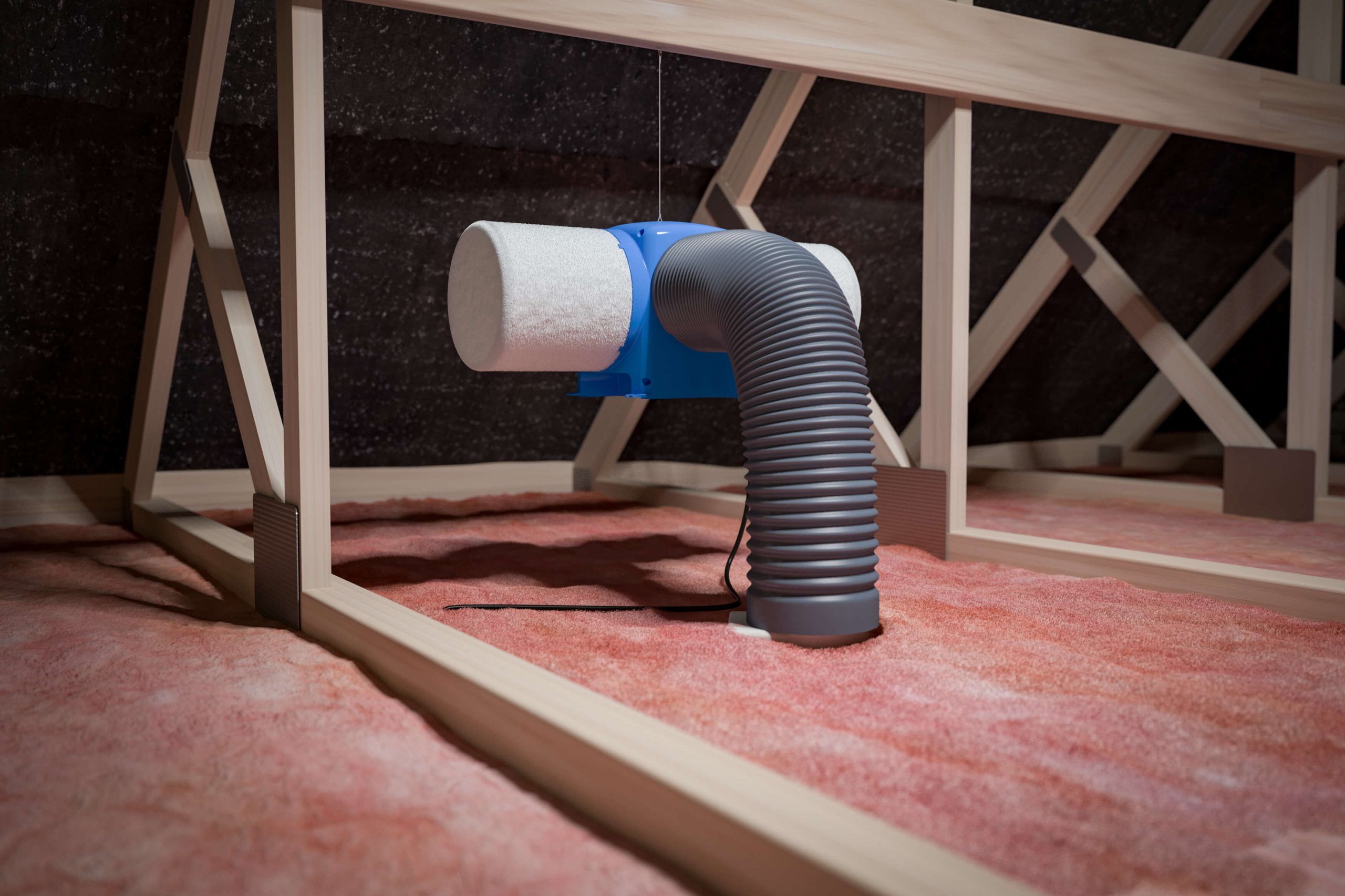
While not strictly a "wiring" fault, poor ventilation often leads to dampness that degrades electrical components and creates safety hazards. Mould growth around sockets and switches is a common reason for EICR failure. Landlords often focus solely on the wiring and ignore the underlying environmental conditions. In older Dorset properties, installing a PIV unit (Positive Input Ventilation) is a factual solution to this problem.
A PIV unit works by drawing fresh, filtered air into the property from the loft space, creating a slight positive pressure that forces out moist, stale air. This prevents the condensation that leads to mould. We regularly install these systems in East Howe and Bear Cross to protect both the building fabric and the electrical installation.
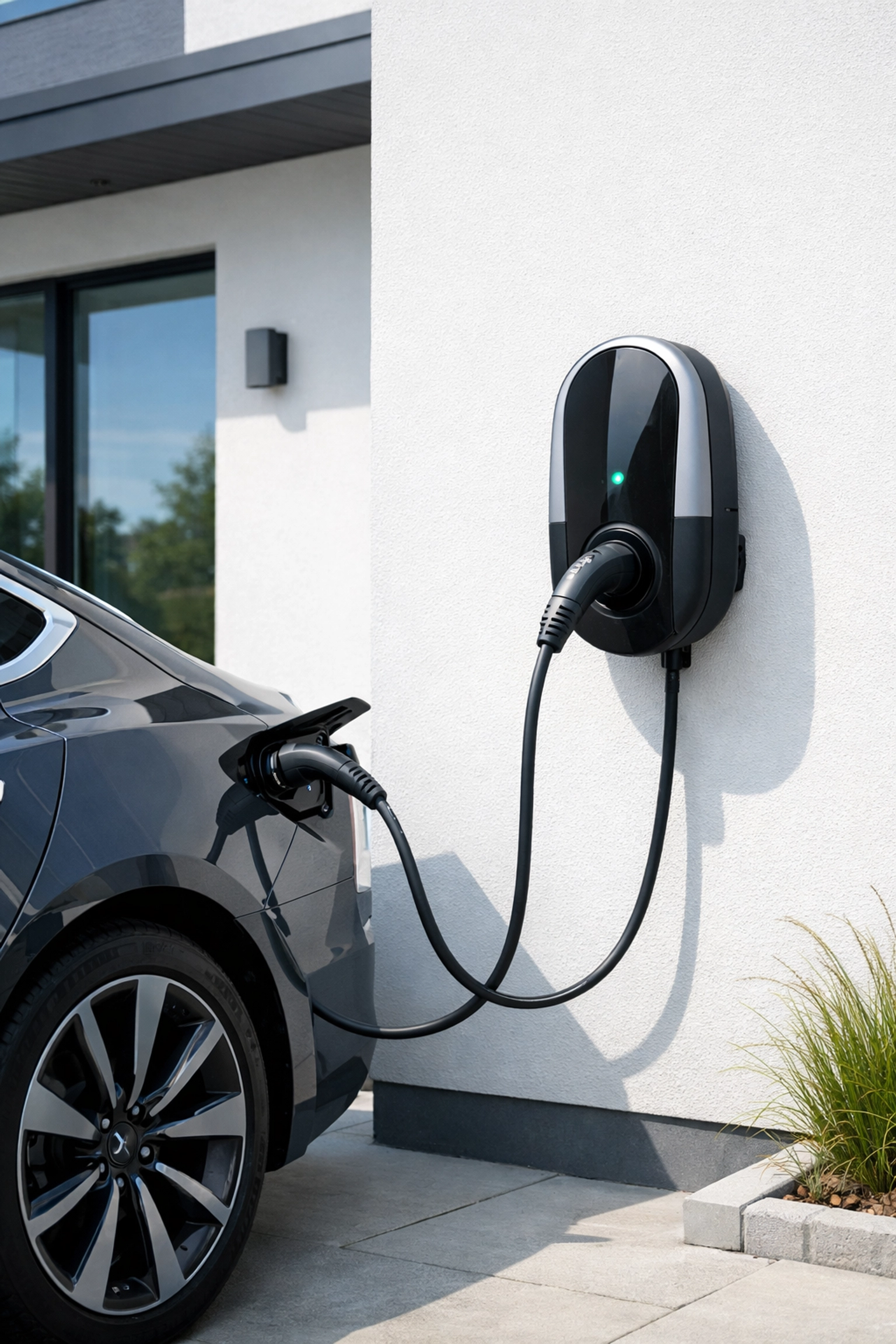
With the rise of electric vehicles, many landlords are adding chargers to their rental portfolios. However, a poorly executed EV charger installation can cause an EICR failure for the entire property. These chargers draw significant current and require dedicated circuits with specific RCD protection (Type A or Type B) and proper earthing arrangements, such as O-PEN protection.
If a charger has been installed by a non-specialist or as a DIY project, it often lacks the necessary safety features required by the 18th Edition. We audit these installations as part of our comprehensive EICR service in Ferndown and Ashington. To fix this, always ensure that EV chargers are installed by OZEV-authorized installers who provide a separate Electrical Installation Certificate (EIC) for the work.
Dorset Electrical Solutions provides EICR testing, remedial works, and specialist installations for landlords across the county. Our team ensures all work meets the BS 7671 standards required for legal compliance and insurance validity. By addressing these seven common mistakes, landlords can ensure their properties in Bournemouth and Poole remain safe and compliant with current UK law.
Our technicians are currently operating in:
We are currently updating our project gallery with recent consumer unit upgrades and PIV system installations. Photos to follow. For further information on our services, visit the Dorset Electrical Solutions homepage.
Thanks.