

Managing a rental property in Dorset involves more than just collecting rent and occasional maintenance. Since the introduction of the Electrical Safety Standards in the Private Rented Sector (England) Regulations 2020, landlords in Bournemouth, Poole, and Ferndown must ensure their properties meet strict safety criteria. The Electrical Installation Condition Report (EICR) is the primary tool used to prove compliance, yet many landlords frequently stumble during the process.
Our team at Dorset Electrical Solutions carries out hundreds of inspections every year across the county. We see the same errors repeated, often leading to unnecessary costs, legal complications, or failed insurance claims. This guide breaks down the seven most common mistakes Dorset landlords make with EICR reports and provides factual, straightforward solutions to keep your property safe and compliant.
The most significant mistake a landlord can make is failing to verify the credentials of the person conducting the inspection. An EICR is a legal document that must be completed by a "competent" person. In the electrical industry, this means an individual who is registered with a recognised body such as NICEIC or NAPIT.
Hiring an unregistered "handyman" or an uncertified electrician dorset residents might find on social media can invalidate your report. If a fire or electrical accident occurs, your insurance provider will likely reject the claim if the EICR was not performed by a qualified professional.
How to fix it:
Always request proof of registration before booking. You can check the online databases of registered competent persons to confirm their status. Ensure the electrician is qualified to the latest 18th edition of the Wiring Regulations (BS 7671). At Dorset Electrical Solutions, our engineers are fully certified and insured, providing reports that meet all legal and insurance requirements in areas like Lansdown and Boscombe.
Receiving the report is only the first step. If the EICR identifies issues marked as Code C1 (Immediate Danger) or Code C2 (Potentially Dangerous), the landlord is legally obligated to complete the remedial work within 28 days. Many landlords mistakenly believe that simply having the report "on file" is enough to satisfy the authorities.
Ignoring these deadlines is a breach of the 2020 Regulations. Local authorities in Bournemouth and Poole have the power to issue civil penalties of up to £30,000 for non-compliance.
How to fix it:
Act immediately upon receiving an "Unsatisfactory" report. Instruct your electrician to carry out the necessary repairs within the 28-day window. Once the work is completed, you must obtain written confirmation (usually a Minor Works Certificate or an Electrical Installation Certificate) and provide copies to your tenants and the local council if requested.
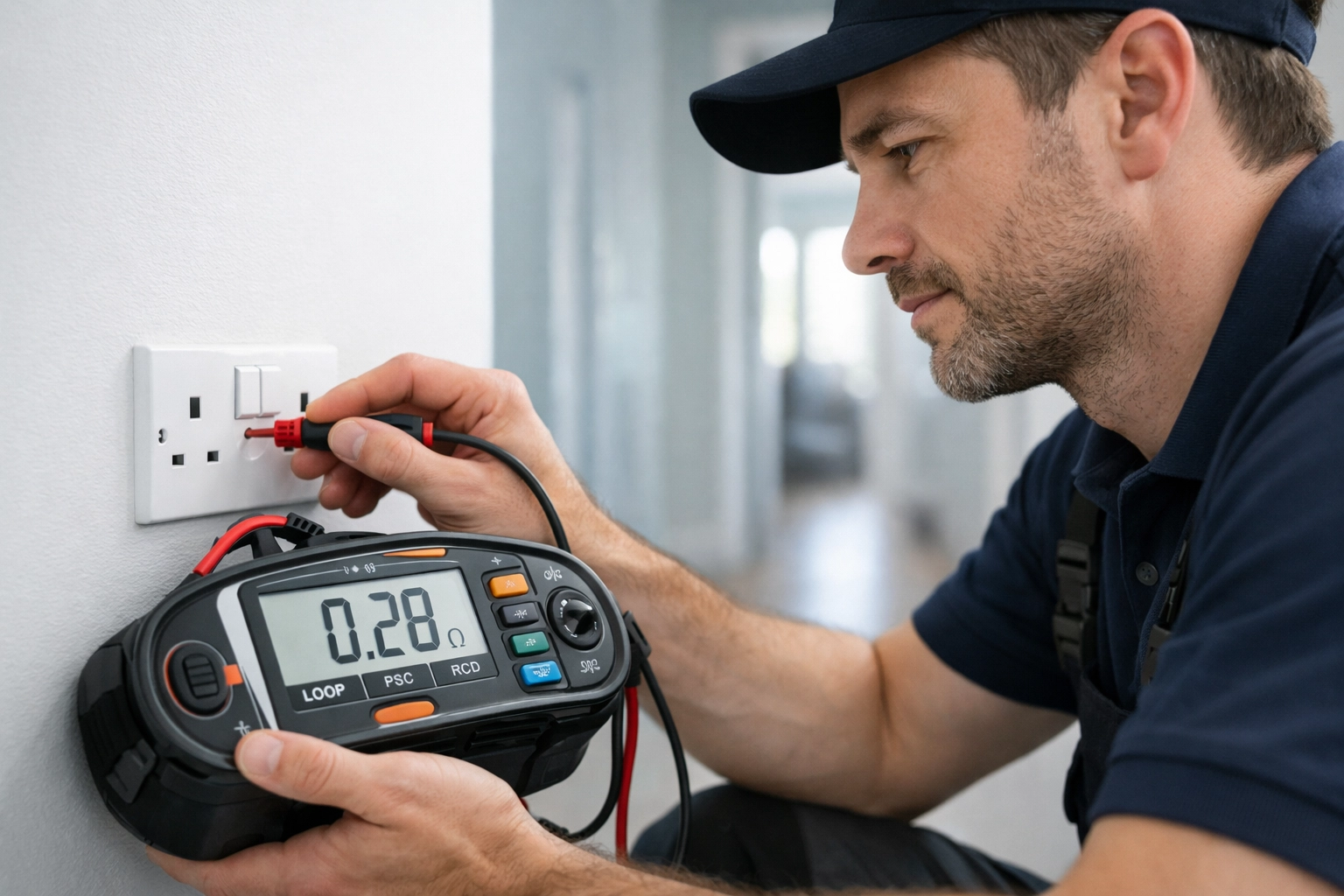
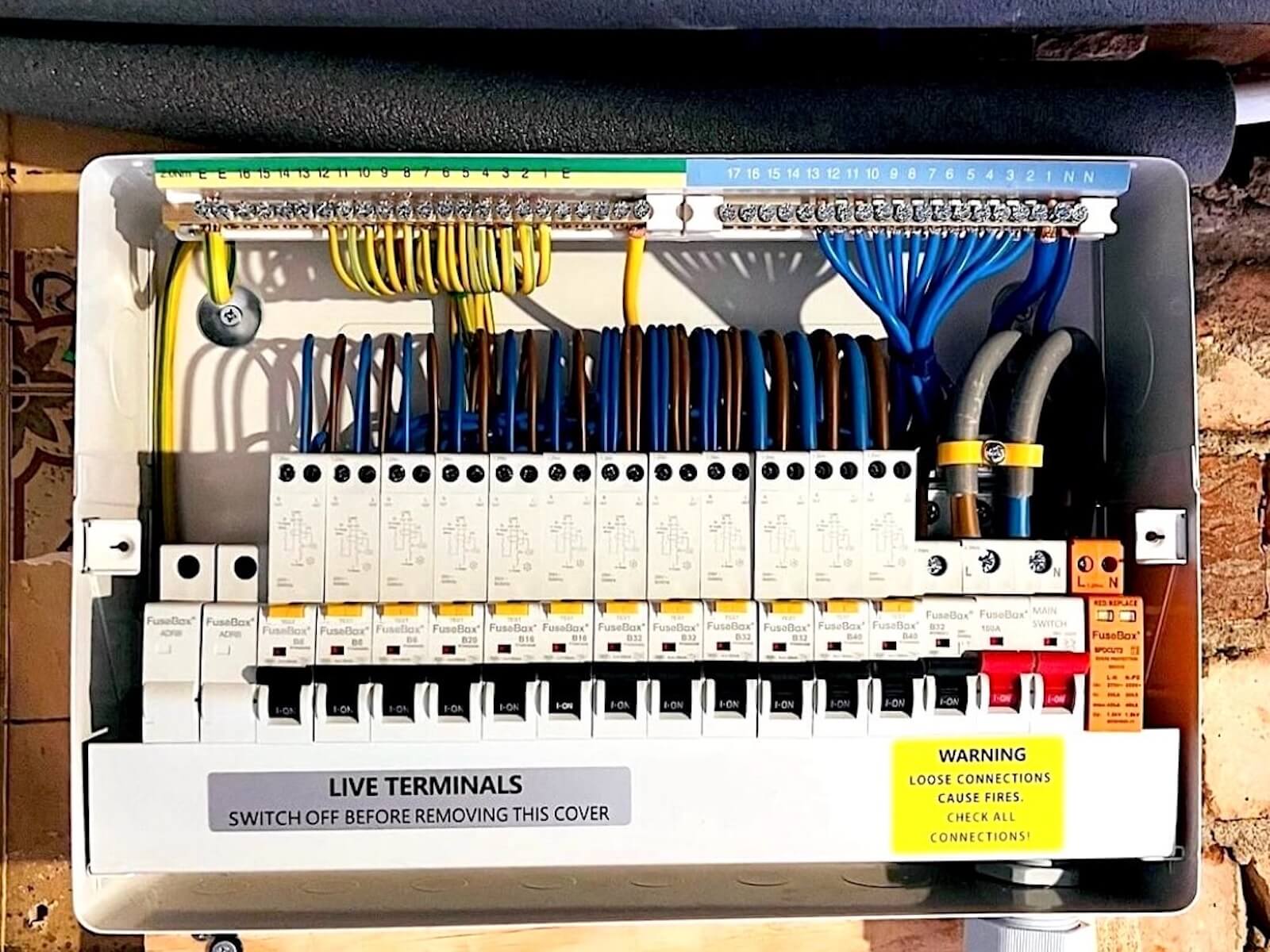
An EICR is not a visual-only check. It requires the electrician to access the consumer unit (fuse box), every socket, every light fitting, and any fixed appliances. We often arrive at properties in Ringwood or Ferndown to find consumer units blocked by heavy furniture or loft hatches sealed shut.
If the electrician cannot access specific parts of the system, they will list "Limitations" on the report. Excessive limitations can render a report "Unsatisfactory" or make it useless for insurance purposes because the entire installation has not been verified.
How to fix it:
A common misconception is that an EICR is always valid for five years. While five years is the maximum interval for a private rented property, the inspector may recommend a shorter duration if the installation is old or in poor condition.
Furthermore, a change of tenancy should ideally trigger a visual inspection, even if the 5-year report is still technically valid. Landlords often forget that the "5 years" is a recommendation, not a guarantee of safety for that entire period.
How to fix it:
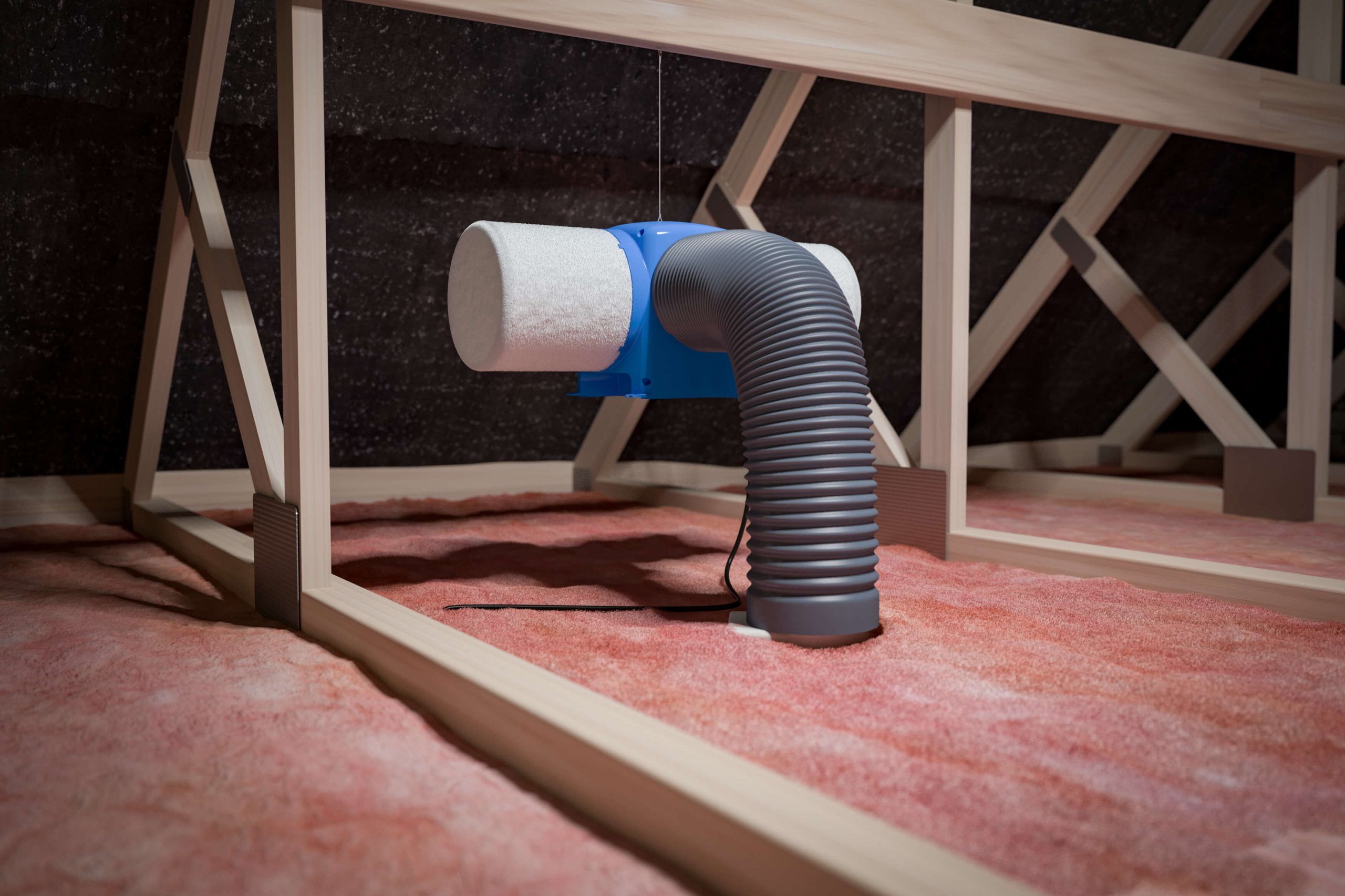
Check the "Next Inspection" date on your current certificate. If your property is older or has a high turnover of tenants, consider more frequent checks. This is also a good time to look at other property health measures. For instance, installing a PIV unit in the loft can prevent damp and mould issues between tenancies, preserving the fabric of the building.
Landlords are legally required to provide a copy of the EICR to:
Failing to keep organized digital and physical copies leads to panic when a local council inspector or a new tenant requests the paperwork.
How to fix it:
Maintain a digital folder for each property. Include the EICR, any remedial work certificates, and proof of service for items like EV charger installation or fire alarms. If you have recently upgraded your property with an EV charger in Canford Cliffs, ensure the installation certificate is filed alongside your EICR, as this forms part of the property’s fixed electrical system.
It is illegal to start a new tenancy if the property has an "Unsatisfactory" EICR. Some landlords attempt to move tenants in with the promise that the repairs will be done "next week." This exposes the landlord to massive liability and puts the tenant at risk of electric shock or fire.
This is particularly relevant in high-demand areas like Bearwood and Charminster, where the pressure to fill vacancies is high.
How to fix it:
Schedule your EICR well in advance of a tenancy change. Allow at least two weeks between the inspection and the new move-in date to account for any remedial work that might be identified. Never allow a tenant to occupy a property that has an active C1 or C2 fault.
Landlords often get overwhelmed by the codes listed in the report. Understanding what is mandatory and what is recommended is vital for budgeting.
How to fix it:
Focus your immediate budget on C1, C2, and FI codes. These must be resolved to achieve compliance. While C3 recommendations are optional, they are often worth doing to future-proof the property. For example, upgrading to a modern consumer unit might be a C3 recommendation that significantly improves the safety and value of your rental in Branksome Park.
Beyond the EICR, modern landlords are increasingly looking at energy efficiency and air quality. If you are arranging for an electrician dorset to visit for an EICR, it is often cost-effective to discuss other upgrades at the same time.
Installing an EV charger installation is becoming a standard requirement for high-end rentals in Bournemouth and Poole. Similarly, addressing ventilation issues with a PIV unit can save thousands in damp remediation costs over the long term.
Our team provides comprehensive services across Dorset, including:
We operate regularly in Hamworthy, Creekmoor, and Littledown. Our engineers ensure all work is documented and compliant with the latest safety standards, providing you with the peace of mind that your investment and your tenants are protected.
Maintaining electrical safety is a continuous obligation. By avoiding these seven common mistakes, you ensure your property remains a safe place to live and a legally compliant asset. For professional EICR testing or remedial work, contact our team to schedule an inspection.
Thanks.