

If you are a landlord in Dorset, Bournemouth, or Poole, you already know that keeping up with regulations can feel like a full-time job in itself. Between gas safety checks, right-to-rent audits, and general maintenance, there is a lot to juggle. However, nothing is quite as critical: or as potentially expensive if ignored: as the Electrical Installation Condition Report (EICR).
Since the legislation changed a few years ago, the rules for electrical safety in private rented sectors have become significantly stricter. Our team at Dorset Electrical Solutions spends a lot of time helping landlords across Ferndown and Ringwood navigate these waters. We see the same errors popping up time and time again. These aren't just minor "oops" moments; they are mistakes that can lead to £30,000 fines, voided insurance, and most importantly, compromised tenant safety.
Here are the seven most common mistakes Dorset landlords make with their EICRs and, more importantly, how you can avoid them to keep your property compliant and your tenants safe.
It sounds simple, but you would be surprised how many landlords let the five-year mark slip by. The law is clear: every rental property must have an EICR performed at least every five years. This isn't a "best practice" suggestion; it is a legal requirement.
In areas like Bournemouth and Poole, where the rental market is fast-moving, it is easy for a certificate to expire between tenancies. If your report was done in 2021, you are quickly approaching the deadline for renewal. Waiting until the last month is a recipe for disaster, as high-quality electrician Dorset services are often booked weeks in advance.
How to avoid it: Treat your EICR like an MOT for your car. Set a reminder for four years and six months after your last inspection. This gives you a six-month window to book a professional, address any remedial works, and get the paperwork filed without rushing.
A common misconception is that the EICR is just for the landlord's records. Actually, you have a legal obligation to provide a copy of the most recent EICR to your tenants.
For existing tenants, you must provide the report within 28 days of the inspection. For new tenants, you must provide it before they move in. If you fail to do this, you are technically in breach of the regulations, even if the report itself is "Satisfactory." We see many landlords in Ferndown and Ringwood who have the paperwork sitting in a drawer while the tenant has no idea whether the electrics are safe.
How to avoid it: As soon as you receive the PDF from us, email it to your tenant and ask for a read receipt. If you use a letting agent, ensure they have the latest version on file before they hand over the keys to a new occupant.
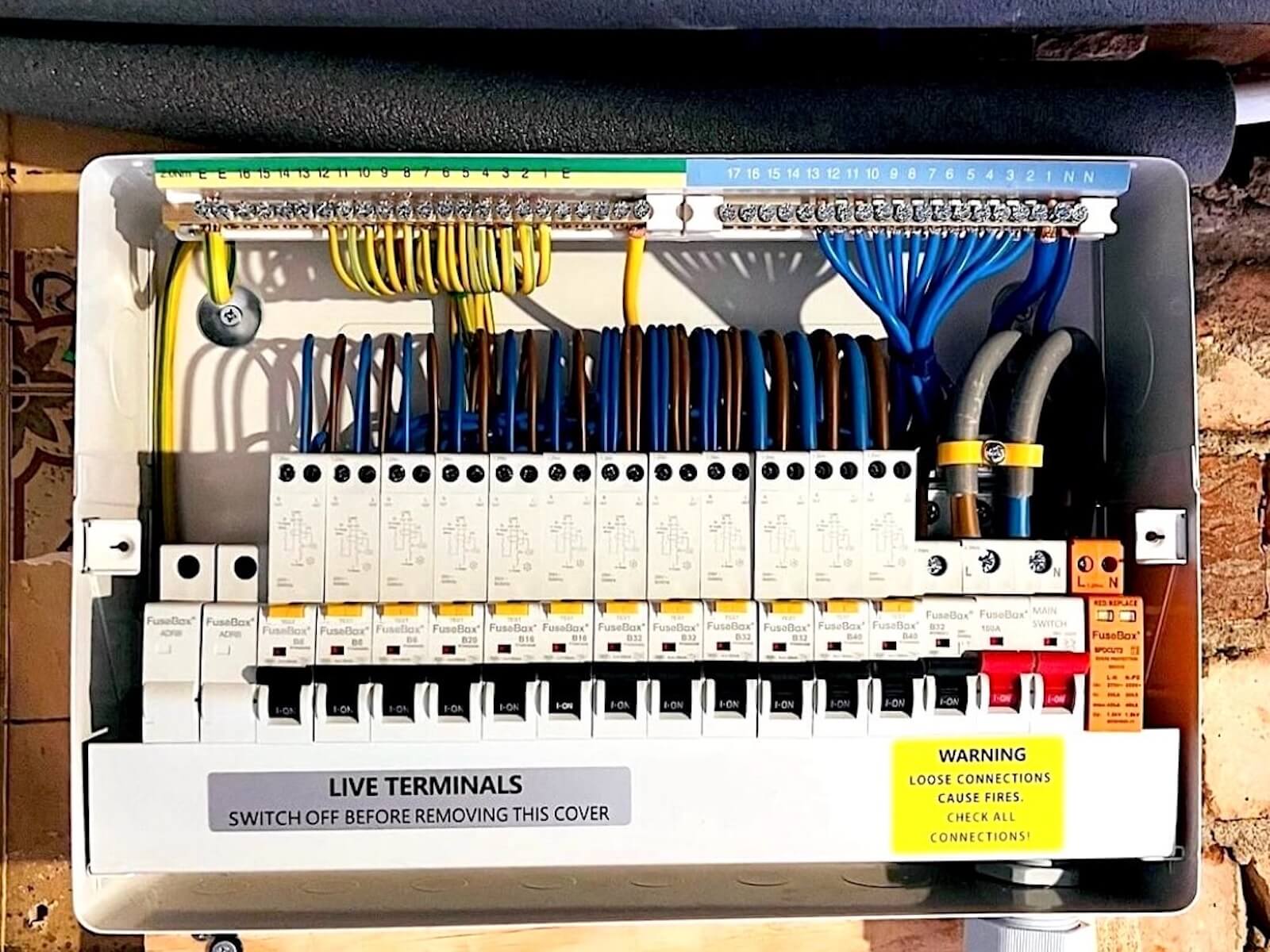
If an EICR comes back as "Unsatisfactory," it will contain codes like C1, C2, or FI (Further Investigation). If these codes are present, you have a strict 28-day window to carry out the remedial work.
A "C1" code means "Danger Present" and requires immediate action: often the electrician will need to make the circuit safe before even leaving the property. A "C2" means "Potentially Dangerous." Even if the house seems fine and the lights are on, a C2 indicates a serious risk that must be fixed. Landlords often wait until the next vacancy to fix these issues, but that is a major legal risk.
How to avoid it: Budget for repairs before the inspection happens. When you hire an electrician Dorset specialists recommend, ask for a quote for remedial works immediately if the report is unsatisfactory. Don't shop around for weeks; the 28-day clock starts the moment the inspection is finished.
This is a specific local requirement that many landlords miss. If you have had remedial work done following an unsatisfactory EICR, you must supply written confirmation that the work has been completed to both your tenant and the local housing authority (Dorset Council) within 28 days of the work being finished.
Dorset Council is proactive about safety standards. Failing to send that confirmation to electrical-reports@dorsetcouncil.gov.uk can trigger an investigation or a fine, even if the work has actually been done.
How to avoid it: Make it part of your workflow. Once the electrician gives you the "Satisfactory" certificate or the proof of remedial work, BCC the council on the email you send to your tenant.
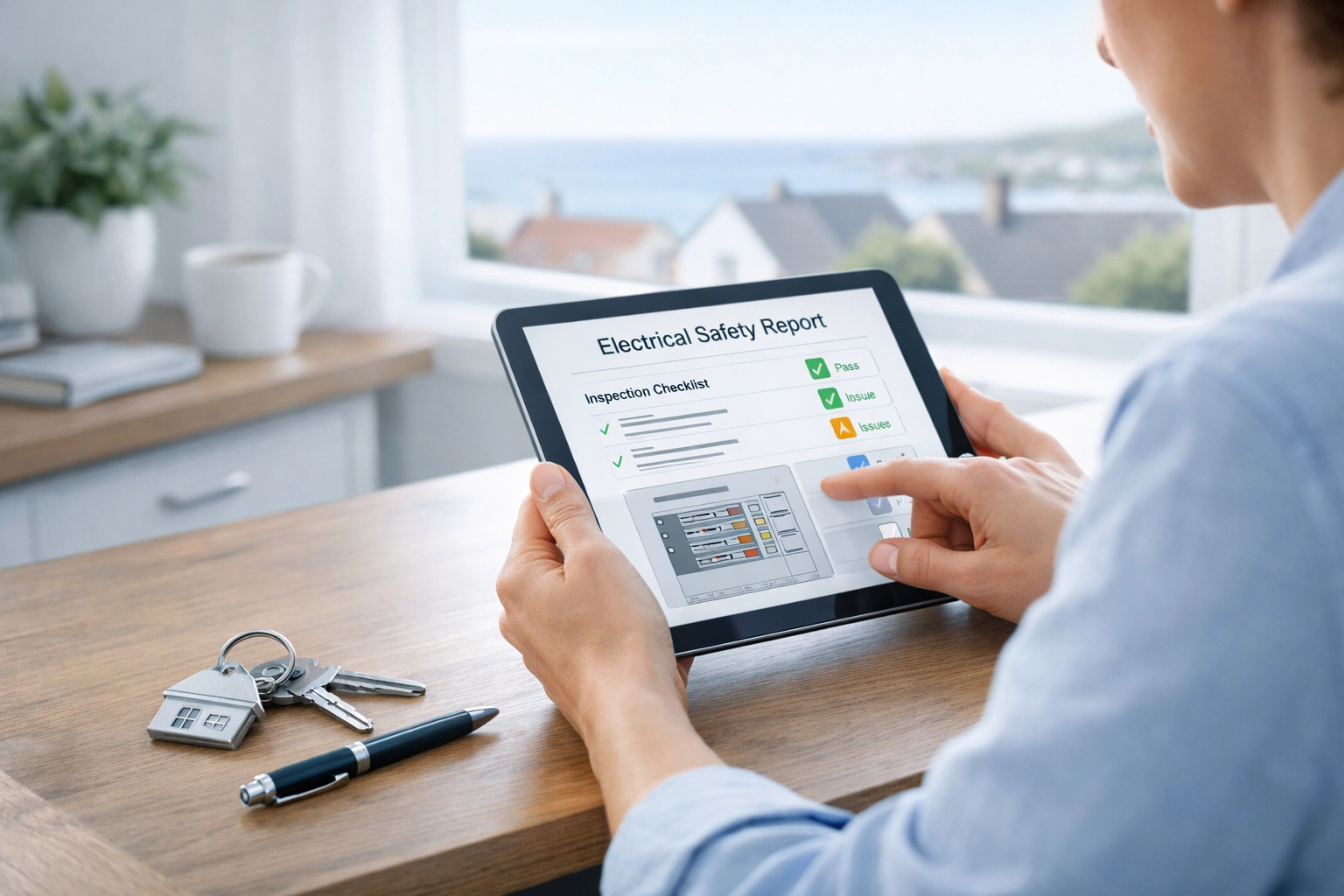
We’ve seen cases in Poole and Bournemouth where a landlord has an EICR done on a Monday, it fails, and a new tenant is scheduled to move in on Friday. The landlord assumes they can just "fix it later" while the tenant is living there.
This is a massive mistake. You cannot legally start a new tenancy if the EICR is unsatisfactory. If there is a C1 or C2 fault, the property is not considered legally fit for habitation in terms of electrical safety.
How to avoid it: Always schedule your EICR at least two to three weeks before a new tenancy begins. This allows time for any necessary upgrades, such as a modern consumer unit installation or wiring fixes, to be completed before the move-in date.
When an EICR highlights issues, it might be tempting to call a general handyman to swap out a socket or fix a loose wire to save money. However, the law requires that remedial work must be performed by a "qualified and competent person."
In the event of a fire or an insurance claim, you will be asked for proof that the person who did the work was qualified. A receipt from a local handyman won't cut it. You need an NICEIC or NAPIT registered professional to ensure the work meets BS 7671 standards.
How to avoid it: Only use registered contractors for your rental portfolio. At Dorset Electrical Solutions, we provide the necessary documentation that proves the work was done to the required standard, which protects your investment and your reputation. You can view our full range of domestic services here.
An EICR is about electrical safety, but seasoned landlords know that property health is holistic. Many landlords make the mistake of focusing only on the wires while ignoring issues that can eventually lead to electrical faults: like damp and mould.
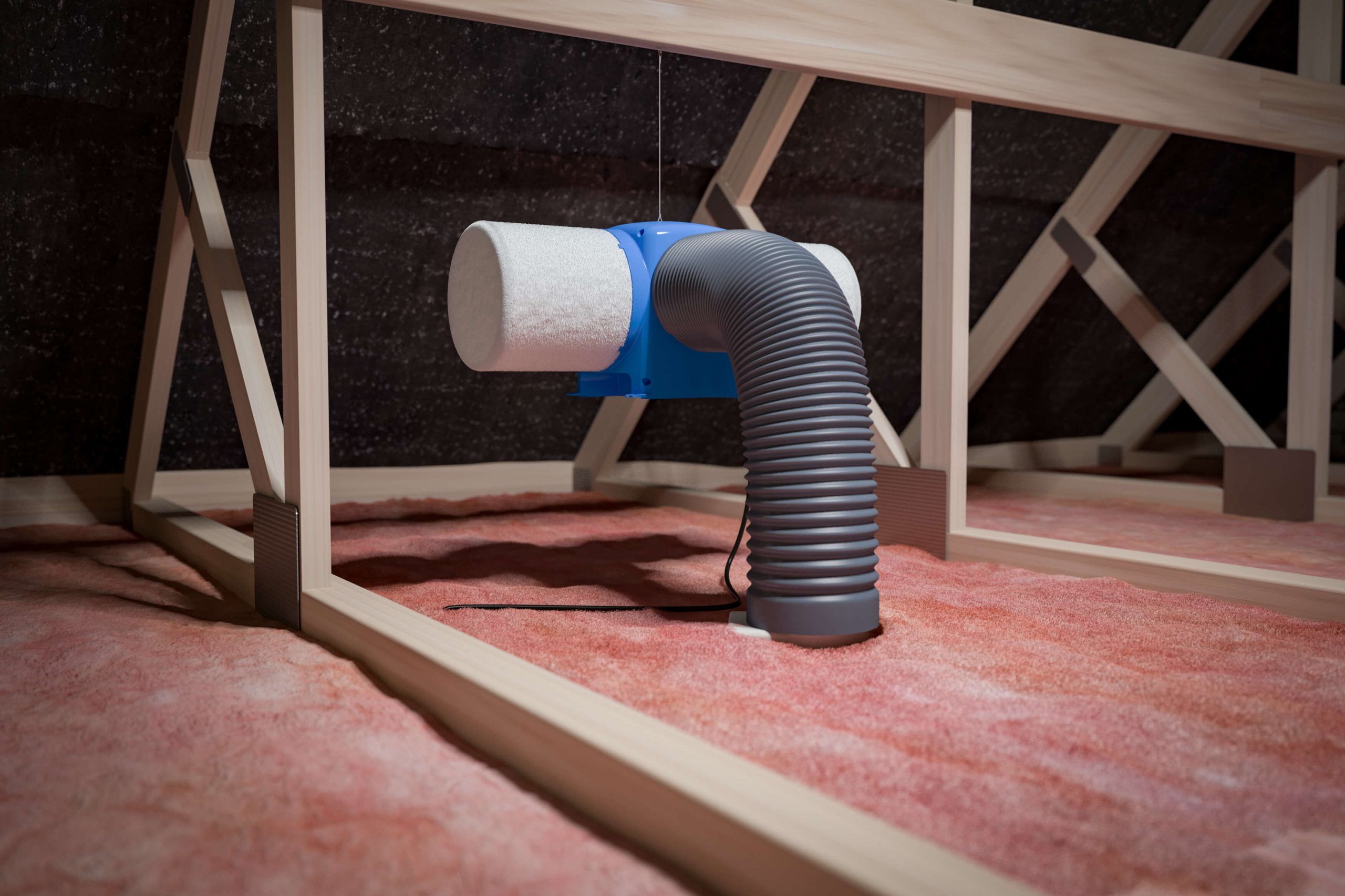
Dampness in a property can cause corrosion in electrical fittings and even short circuits. Many properties in Dorset, especially older builds in Bournemouth and Ringwood, struggle with condensation. This is where a PIV unit (Positive Input Ventilation) becomes a landlord's best friend. By installing a PIV system, you significantly reduce the risk of mould and damp, protecting both the structure of the building and the safety of the electrical system.
How to avoid it: During your electrical inspection, ask your electrician to check for signs of moisture near sockets or in the consumer unit. If damp is an issue, consider a PIV system installation to keep the air fresh and the walls dry.
While you are getting your EICR sorted, it is worth thinking about the future. The UK is moving toward electric vehicles, and more tenants in Dorset are looking for properties with charging points.
An EV charger installation is becoming a highly sought-after amenity in the Poole and Bournemouth rental markets. Not only does it increase the value of your property, but there are often grants available for landlords to help cover the costs. Integrating an EV charger into your electrical system is best done when you are already having an electrician look at your consumer unit. You can learn more about EV charger options here.
To ensure you don't fall foul of the regulations, keep this checklist handy:
Managing a property in Dorset doesn't have to be a headache. By staying on top of your EICR requirements and avoiding these seven common pitfalls, you can ensure your rental business remains profitable, legal, and safe.
Our team is currently working on several projects across Bournemouth and Poole, helping local landlords bring their properties up to code. Whether you need a simple inspection or a full consumer unit upgrade, we are here to help. Our team at Dorset Electrical Solutions provides reliable, matter-of-fact service to keep you compliant.
For more information on how we can assist with your electrical needs, visit our home page or check out our maintenance services.
Photos of our recent projects in Ringwood and Ferndown to follow.
Thanks for reading.