

The landscape for rental property compliance in 2026 has become increasingly complex for property owners across Bournemouth, Poole, and the wider Dorset area. Since the introduction of mandatory Electrical Installation Condition Reports (EICR) for all tenancies in 2020, we are now entering the second major cycle of five-year inspections. This peak in demand has highlighted several critical pitfalls that landlords frequently encounter. Dorset Electrical Solutions provides this guide to ensure that property managers and private landlords remain compliant with current regulations while maintaining the safety of their electrical infrastructure.
The most significant pitfall currently facing landlords in 2026 is the expiration of reports originally commissioned during the 2020-2021 period. Because the legislation required all existing tenancies to have a valid EICR by April 2021, a massive volume of properties is now due for renewal simultaneously. Our team is observing a significant surge in booking requests across Creekmoor and Canford Heath.
Landlords often wait until the month of expiration to book an electrician dorset service. This delay can lead to a lapse in compliance, which carries a maximum fine of £30,000. It is recommended to schedule inspections at least three months before the current certificate expires. This buffer allows for the scheduling of any necessary remedial works identified during the inspection without breaching the 28-day statutory limit for repairs.
A common point of confusion involves the classification codes used within the report. An EICR is not a simple "pass" or "fail" document; it is a technical assessment of the installation’s safety.
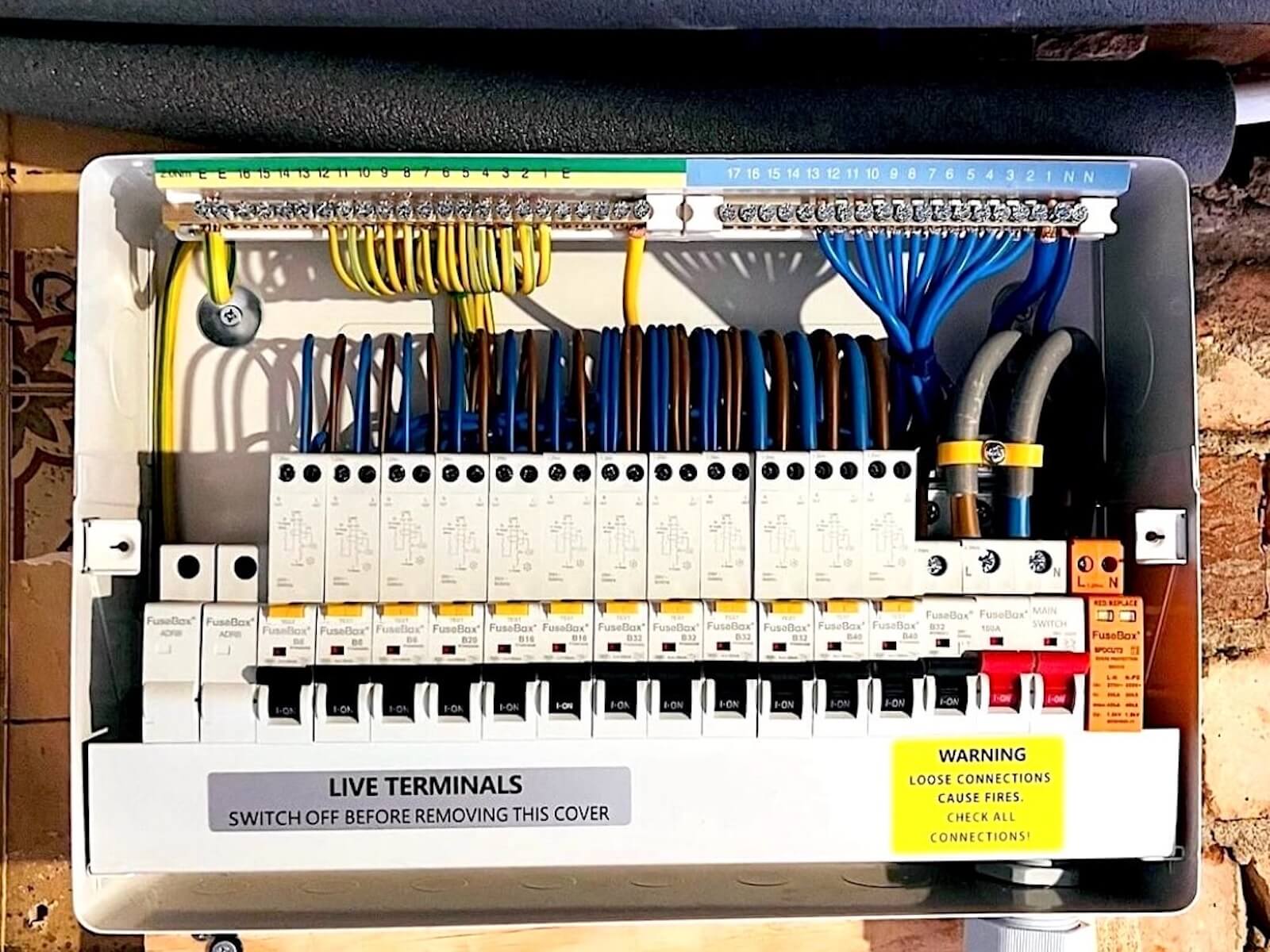
The image above demonstrates a modern consumer unit installation we completed for a client. It features neatly organised circuit breakers and RCD protection, which are essential for achieving a satisfactory EICR rating in 2026. Properties in Charminster and Bear Cross with older fuse boards often require these upgrades to meet current BS 7671 standards.
If an EICR returns an "Unsatisfactory" result due to C1 or C2 findings, the landlord must ensure that remedial work is carried out by a qualified professional within 28 days, or sooner if specified in the report. Failure to do so is a direct breach of the Electrical Safety Standards in the Private Rented Sector (England) Regulations 2020.
Upon completion of the remedial works, the electrician will provide a Minor Electrical Works Certificate or an Electrical Installation Certificate. This documentation must be kept alongside the original EICR to prove that the installation has been made safe. We are currently assisting landlords in East Howe and Boscombe with consolidating this paperwork for local authority audits. Dorset Council may request these documents at any time, and they must be supplied within seven days of the request.
A major concern for Dorset landlords in 2026 is the prevention of damp and mould, especially in older property stock across Canford Cliffs and Branksome Park. Modern energy efficiency measures like double glazing and cavity wall insulation can trap moisture inside the building.
Installing a PIV unit (Positive Input Ventilation) is an effective technical solution. A PIV unit works by drawing fresh, filtered air into the property from the loft space, creating a slight positive pressure that forces moisture-laden air out through natural leakage points.
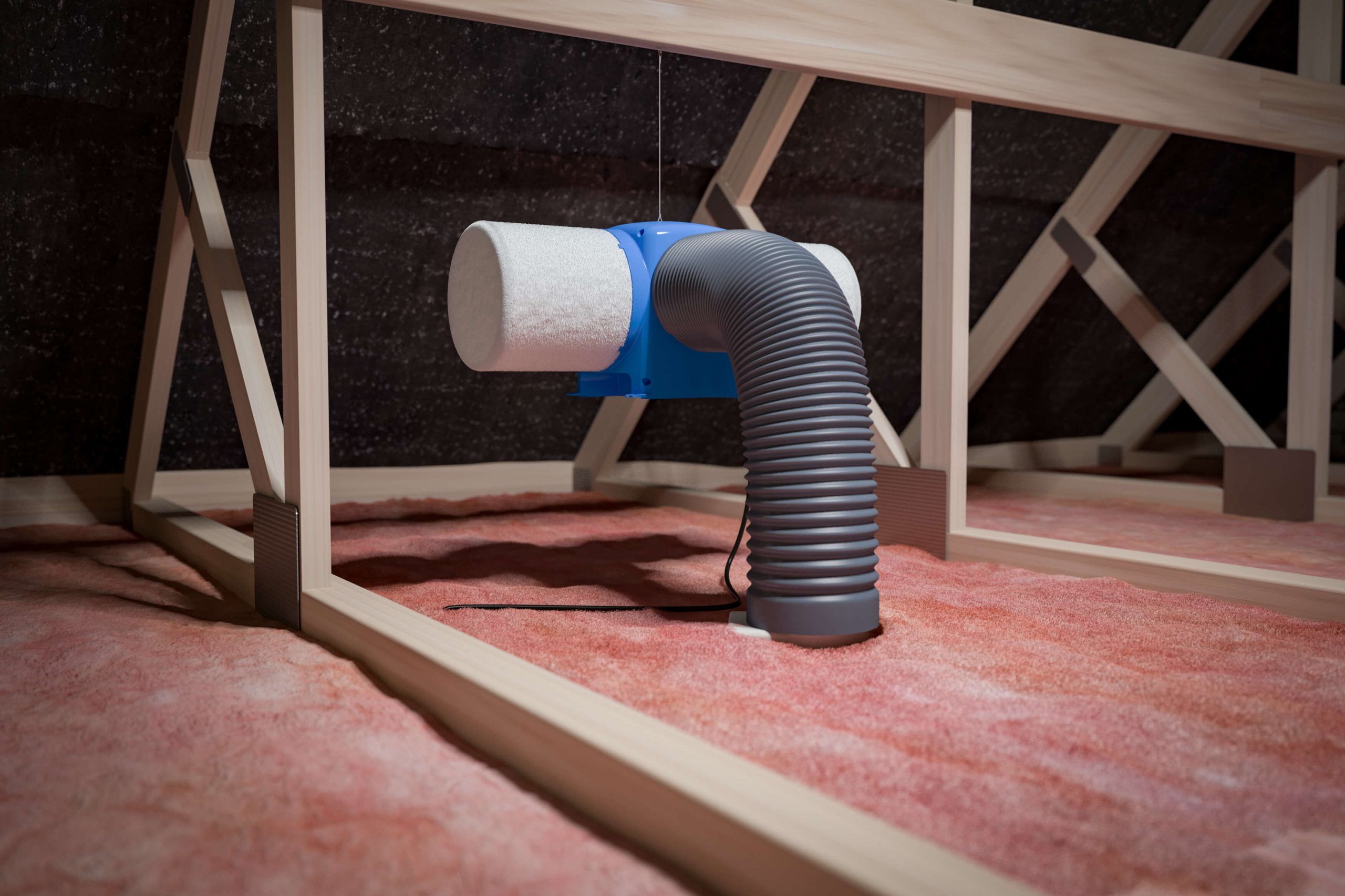
Our team recently installed several PIV units in residential lofts to combat persistent condensation issues. These systems help landlords comply with the Homes (Fitness for Human Habitation) Act by ensuring adequate ventilation and preventing the growth of black mould. The PIV unit is a low-energy solution that operates quietly in the background, significantly improving indoor air quality.
With the 2035 ban on new petrol and diesel cars approaching, tenants in areas like Bournemouth and Poole are increasingly demanding EV charger installation as a standard property feature. Landlords who invest in this infrastructure now are future-proofing their assets and attracting high-quality tenants.
Installing an EV charger is not merely a matter of mounting a socket on an external wall. It requires a dedicated circuit, appropriate RCD protection, and often an assessment of the property's total electrical load. In some cases, we must coordinate with the District Network Operator (DNO) to ensure the local grid can support the additional demand.
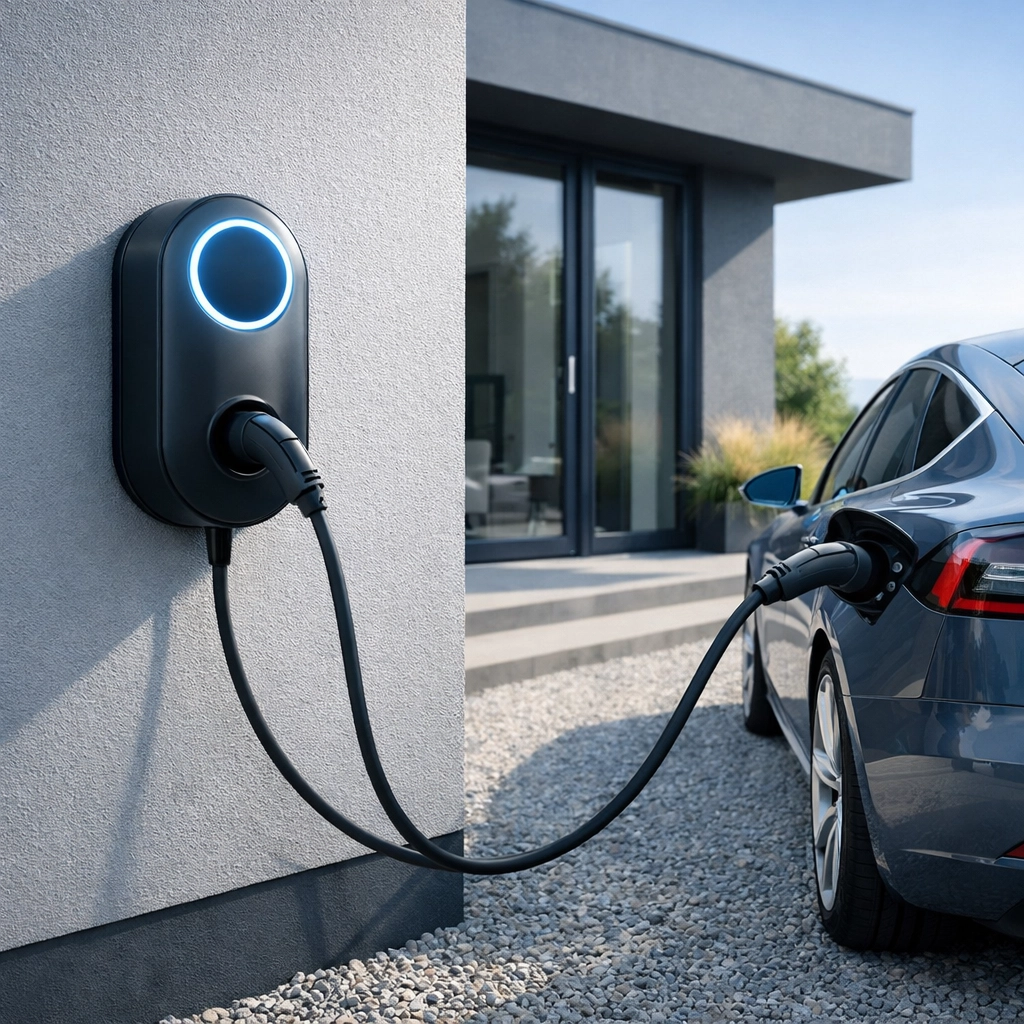
When planning an EV charger installation, we recommend units that offer "smart" charging capabilities. These allow tenants to schedule charging during off-peak hours, reducing the strain on the electrical installation and lowering their energy costs. Our engineers ensure that every installation complies with Part P of the Building Regulations and is integrated correctly into the property's existing electrical system.
A common administrative pitfall is the failure to provide copies of the EICR to the relevant parties within the required timeframes. In 2026, the local authorities in Dorset have streamlined their digital submission processes, but the responsibility remains with the landlord.
We maintain digital records for all our clients to ensure that lost paperwork does not lead to non-compliance. Our team frequently works with property managers in Canford Magna and Ashington to manage large portfolios and ensure that every property has an up-to-date certificate.
The IET Wiring Regulations (BS 7671) are subject to regular updates. In 2026, we focus heavily on the presence of Surge Protection Devices (SPDs) and Arc Fault Detection Devices (AFDDs) in high-risk installations. While an older installation may not require these for a "Satisfactory" rating, their absence is often noted as a C3 recommendation. We advise landlords to consider these upgrades during routine maintenance to enhance tenant safety and protect sensitive electronic equipment from voltage spikes.
Furthermore, the integrity of earthing and bonding remains a critical checkpoint. Many properties in Bearwood and County Gates have undergone renovations where original bonding may have been disconnected or damaged. Our EICR process includes comprehensive testing of these safety paths to ensure that the RCDs will operate correctly in the event of a fault.
The final pitfall is the use of non-accredited or under-qualified individuals to perform inspections. An EICR must be carried out by a person who is competent and has the appropriate insurance and qualifications. Dorset Electrical Solutions is a fully accredited firm, ensuring that all reports are legally robust and technically accurate.
We provide a comprehensive range of services across the Dorset region, including:
Our team continues to serve the communities of Bournemouth, Poole, Ferndown, and Ringwood, maintaining high standards of safety and reliability. Photos of our ongoing projects in the Dorset area are updated regularly.
For landlords managing properties in the current 2026 cycle, early booking and diligent record-keeping remain the most effective strategies for avoiding legal and financial penalties. Our engineers are available to discuss specific site requirements and provide detailed quotations for both inspection and any subsequent remedial actions required to achieve full compliance.
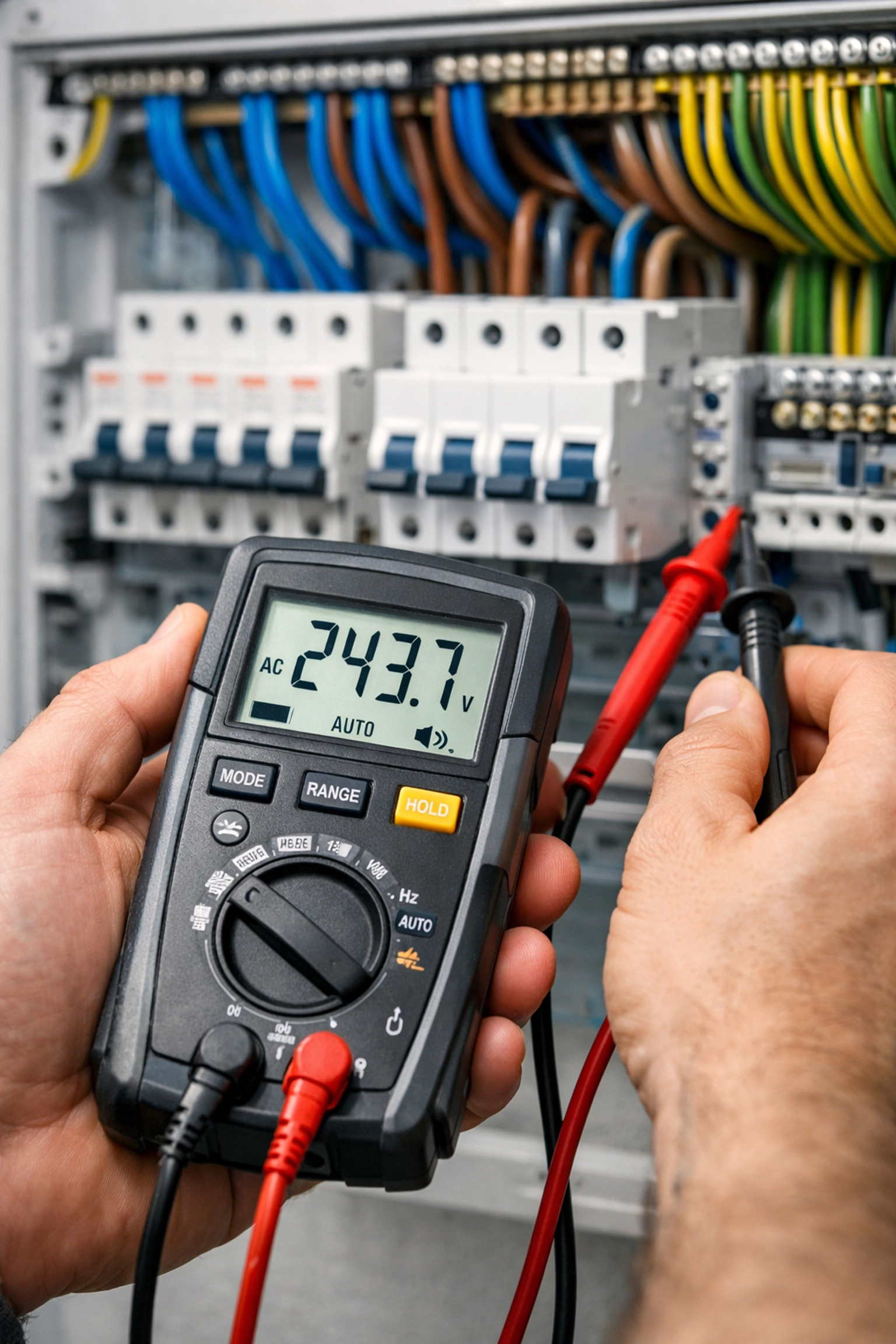
Whether you are dealing with a single-occupancy terrace in Creekmoor or a multi-unit block in Canford Cliffs, maintaining the electrical safety of your property is a statutory obligation that requires professional oversight. Our collective expertise ensures that your property remains safe for habitation and compliant with all evolving UK electrical standards.
Photos of recent consumer unit upgrades and PIV system installations to follow.
Thanks.