
If you live in Bournemouth, Poole, or anywhere along the Dorset coast, you know the struggle. The air gets damp, the windows start "crying" in the morning, and before you know it, black mould is creeping into the corners of your bedroom. It’s a common headache for local homeowners, and Positive Input Ventilation (PIV) is often touted as the "magic bullet" to fix it.
But there is always a catch, right? For many people in Ferndown and Ringwood, the big concern isn’t whether the unit works: most know it does: but whether it’s going to send their monthly energy bills through the roof.
In this guide, we’re going to look at the cold, hard facts about PIV unit running costs. As your local electrician Dorset specialists, we’ve installed hundreds of these systems across the county. We’ve seen the data, heard the feedback from customers, and we’re ready to settle the debate: is a PIV unit bad for your heating bill?
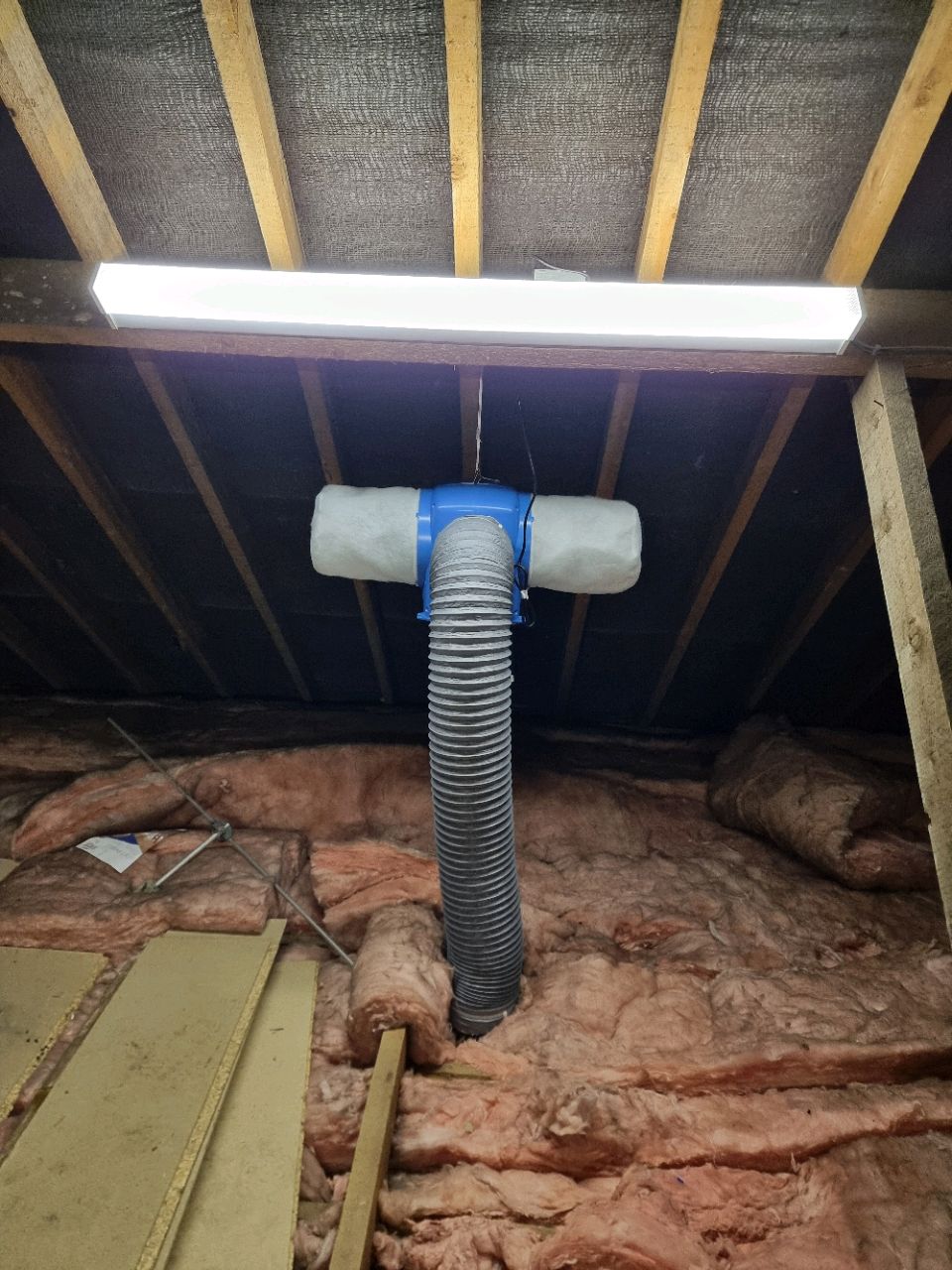
Before we talk money, let’s quickly cover what the kit actually does. A PIV unit is usually installed in your loft space. It takes fresh, filtered air from the loft (or outside), and gently pushes it down into your home through a central diffuser, usually located on your landing.
This creates "positive pressure." It essentially forces the old, stale, moisture-heavy air out of your home through natural gaps like trickle vents, chimneys, or even under doors. By constantly refreshing the air, it stops the humidity from building up, which is what causes condensation and mould in the first place.
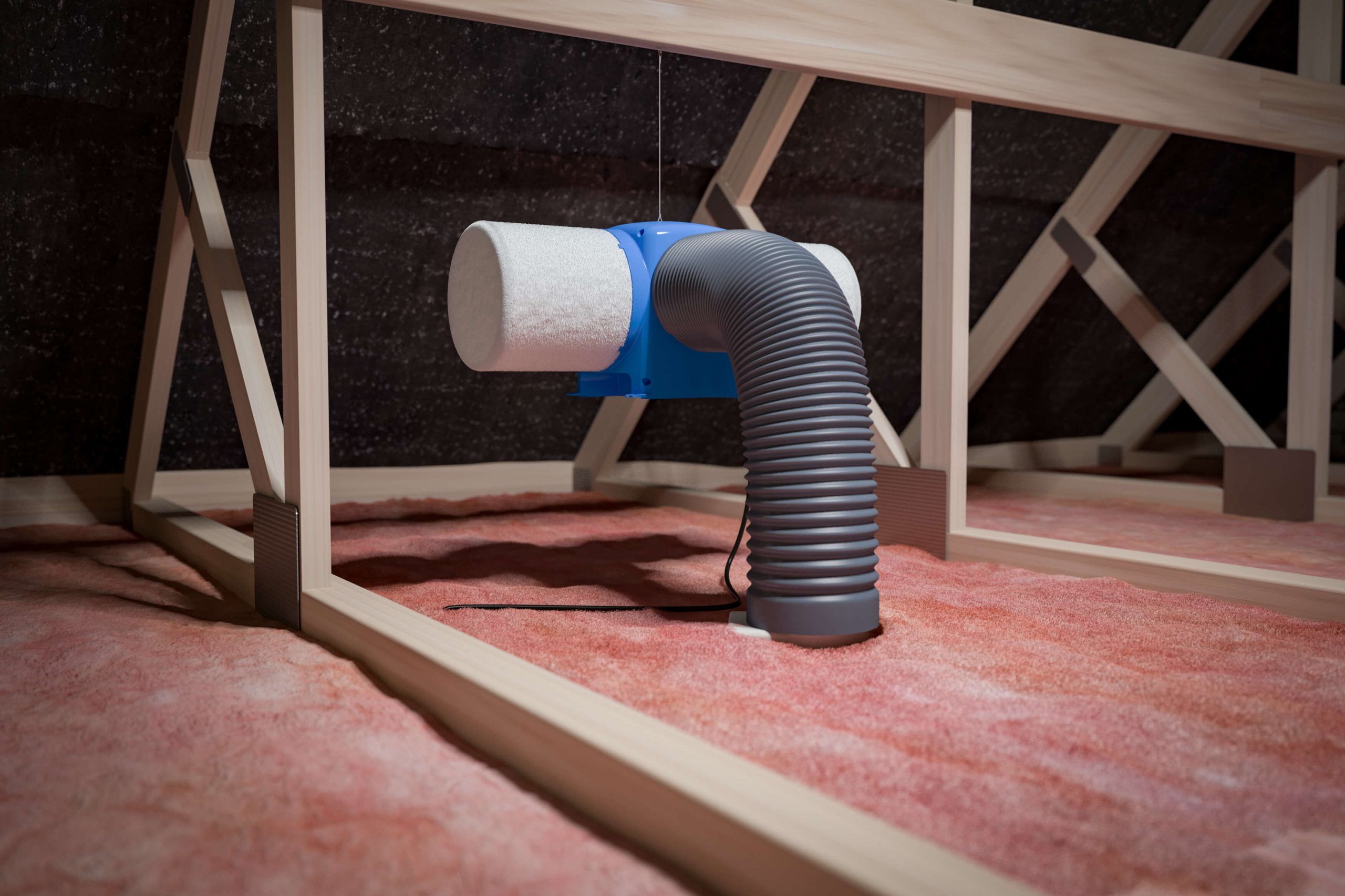
When people ask if a PIV unit is expensive to run, they are usually thinking about the electricity the fan uses. The good news is that modern PIV units are incredibly efficient.
For a standard, non-heated PIV system in a typical 3-bedroom house in Dorset, you are looking at roughly £15 to £40 per year to run. On a daily basis, that works out to about 2p to 4p per day.
In terms of your overall household budget, this is negligible. It’s significantly cheaper than running a tumble dryer or even leaving a television on standby. Most homeowners in Poole and Bournemouth won’t even notice the difference on their monthly statement.
This is where the conversation changes. Some PIV units come with an integrated heater. The purpose of this heater isn’t to warm your house, but to "take the edge off" the cool air being pushed in during the winter.
If you opt for a heated model, your costs will be higher. When the heater is active during the colder months, the running cost can jump to around £1 per day. While this is still manageable for most, it can add up to over £100 per year if the heater is running constantly through a harsh winter. However, for many Dorset residents, the comfort of not having a cold draught is worth the extra few pounds a month.
This is the part of the "truth" that often gets overlooked. While the PIV unit uses a small amount of electricity, it can actually help lower your primary heating bill.
Here is the science: Damp air is much harder and more expensive to heat than dry air.
When your home is full of moisture (high humidity), your radiators have to work overtime to warm up that heavy, water-laden air. By using a PIV unit to maintain a lower humidity level, your central heating system becomes more efficient. You’ll find that your rooms feel warmer at lower temperatures, and the air heats up much faster. In many cases, the savings on your gas or oil bill can actually offset the electricity cost of the PIV unit itself.
Our team at Dorset Electrical Solutions has seen a massive uptick in PIV installations across Bournemouth, Poole, and Ringwood. Why? Because the cost of not fixing a damp problem is far higher than the cost of running a ventilation fan.
If you ignore condensation, you end up with:
The cost of redecorating a room or replacing mouldy carpets far outweighs the £30 a year it costs to keep the air fresh.
When you’re looking for an electrician Dorset to install your system, it’s vital to ensure they are qualified and understand the specific needs of your property. At Dorset Electrical Solutions, we ensure every installation meets the latest 18th Edition wiring regulations.
We also work closely with landlords in the area. Under current regulations, landlords have a strict "Fitness for Human Habitation" obligation, which includes managing damp and mould. We often combine PIV installations with a full EICR (Electrical Installation Condition Report) to ensure the entire property is safe and compliant. You can find more about our general services on our Dorset Electrical page.
If you are particularly worried about the rising cost of electricity in the UK, there are ways to make your home ventilation even more sustainable. For instance, many of our customers in Ferndown are choosing to pair their ventilation systems with renewable energy.
By installing solar PV panels, you can essentially run your PIV unit for free during daylight hours. Even on a cloudy day in Dorset, a solar array can generate more than enough power to keep a small PIV fan spinning.
Additionally, as we move towards more "all-electric" homes, we are seeing a trend where homeowners bundle their PIV installation with other upgrades, such as EV charger installation. If we are already on-site upgrading your consumer unit to handle a new vehicle charger, adding a PIV unit is a straightforward and cost-effective addition.
So, is a PIV unit bad for your heating bill? The answer is a resounding no.
A standard PIV unit is one of the most cost-effective electrical additions you can make to a home. The minimal electricity it uses is usually balanced out by the improved efficiency of your heating system and the money saved on damp-related repairs.
If you choose a heated model, you should be prepared for a slight increase in winter, but even then, it remains a fraction of the cost of running a portable dehumidifier, which can be noisy, bulky, and much more expensive to operate.

At Dorset Electrical Solutions, we pride ourselves on being reliable, local experts. We don't just "fit a fan": we assess your home’s airflow, check your loft insulation, and ensure the unit is set to the correct speed for your square footage.
Whether you are a homeowner in Bournemouth tired of wiping windows every morning, or a landlord in Poole needing to protect your investment, we are here to help. Our team covers the whole of Dorset, including:
If you're ready to get rid of mould for good without breaking the bank, get in touch with our team today. You can book a survey or ask us more about how PIV can work in your specific property by visiting our contact page.
Keep an eye on our blog for more tips on keeping your Dorset home efficient, safe, and dry.
Thanks for reading!