
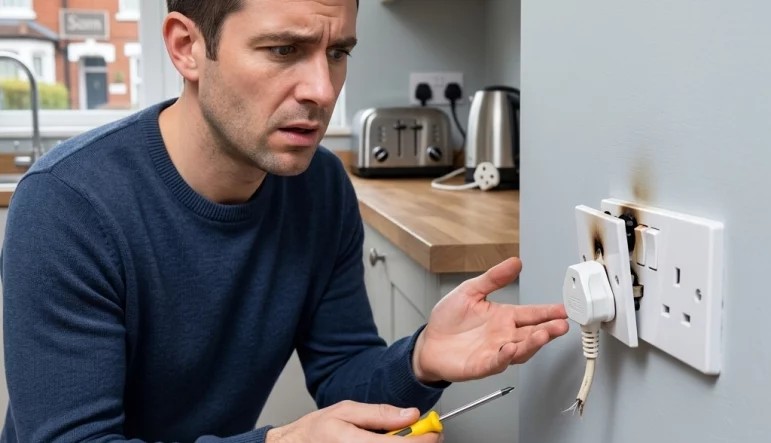
Home improvement is a popular pastime for many homeowners across Dorset, Hampshire, and Wiltshire. While painting a room or assembling flat-pack furniture is relatively low-risk, electrical work is an entirely different matter. We often see the results of DIY projects gone wrong when our team is called out for repairs. Electrical systems are complex and require a specific level of expertise to manage safely.
Many people attempt DIY electrical work to save money. However, mistakes in this area are frequently dangerous and expensive to rectify. In many cases, a simple DIY task turns into a situation requiring an emergency electrician in Bournemouth. Our team at Dorset Electrical Solutions Ltd has compiled this guide to highlight common mistakes and explain the risks involved.
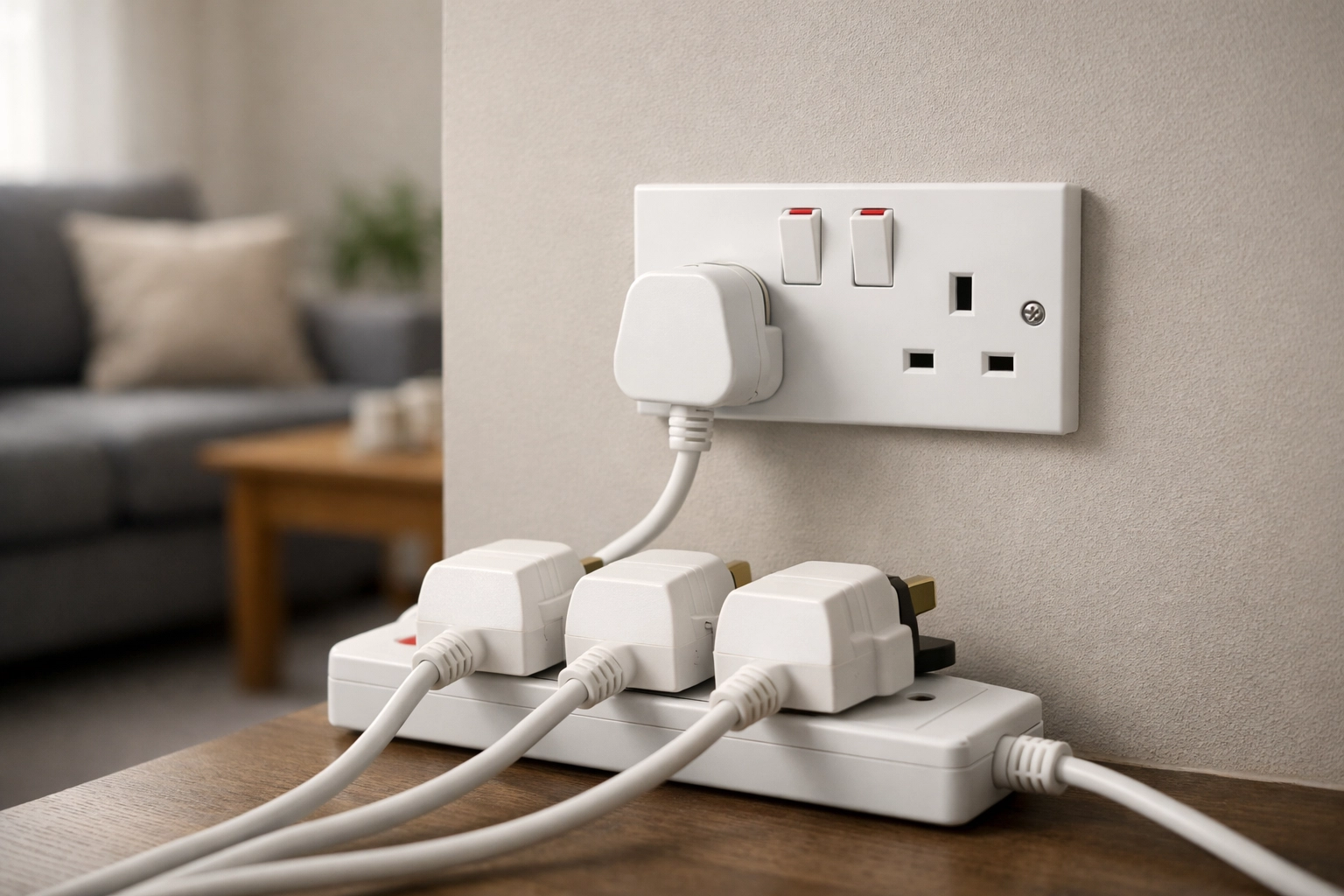
One of the most frequent issues we encounter is overloaded circuits. This often happens when homeowners add too many high-power appliances to a single circuit without understanding the capacity of the consumer unit. Modern homes use more electricity than ever before. We see many properties where multiple extension leads are daisy-chained together to power computers, heaters, and kitchen appliances.
When a circuit is overloaded, the wires generate heat. If the circuit breaker fails to trip or is the wrong size, the insulation on the wires can melt. This creates a significant fire hazard. According to national safety statistics, overloaded circuits are a leading cause of domestic electrical fires. Our electricians in Poole regularly advise clients on how to distribute loads across different circuits to maintain safety.
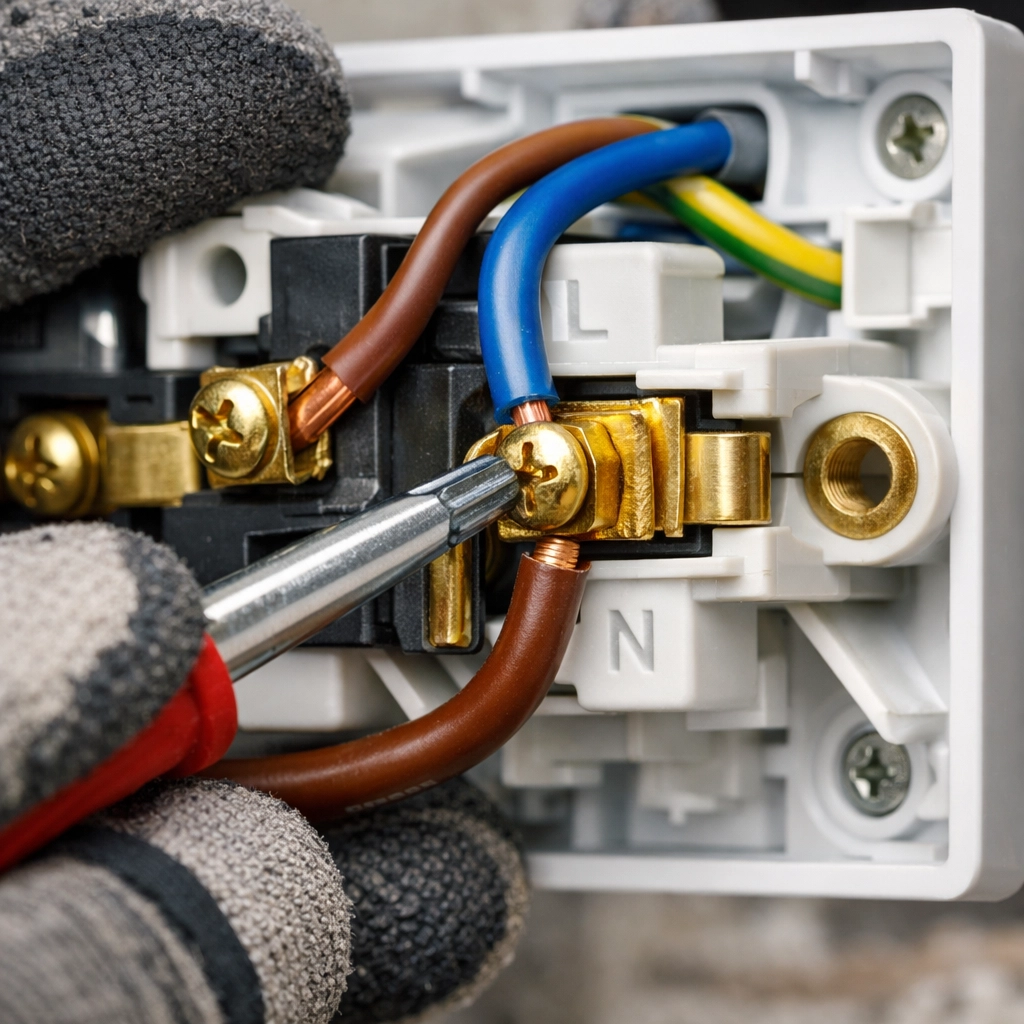
Wiring connections must be secure to function correctly. A common DIY mistake is failing to tighten terminal screws sufficiently or, conversely, over-tightening them and snapping the wire. Loose connections cause arcing. This is where electricity jumps across a gap, creating intense heat and potential fire risks.
We also see many DIY enthusiasts using the "backstabbing" method on the back of outlets. This involves pushing the wire into a spring-loaded connector rather than using the screw terminals. While some products allow this, it often leads to a poor connection over time as the spring weakens. Our team always recommends using screw terminals and ensuring every connection is firm and checked. Flickering lights or intermittent power are often signs of loose connections that need immediate attention from an electrician in Dorset.
A critical error we find in DIY work is the reversal of live (hot) and neutral wires. In the UK, wiring follows specific colour codes. Connecting the brown wire to the neutral terminal or the blue wire to the live terminal is extremely dangerous.
While the appliance might still appear to work, the internal circuitry remains "live" even when the switch is off. This creates a lethal shock hazard for anyone attempting to change a bulb or repair the appliance. This is a primary reason why professional testing is required. Our team uses calibrated testing equipment to ensure polarity is correct across all installations.
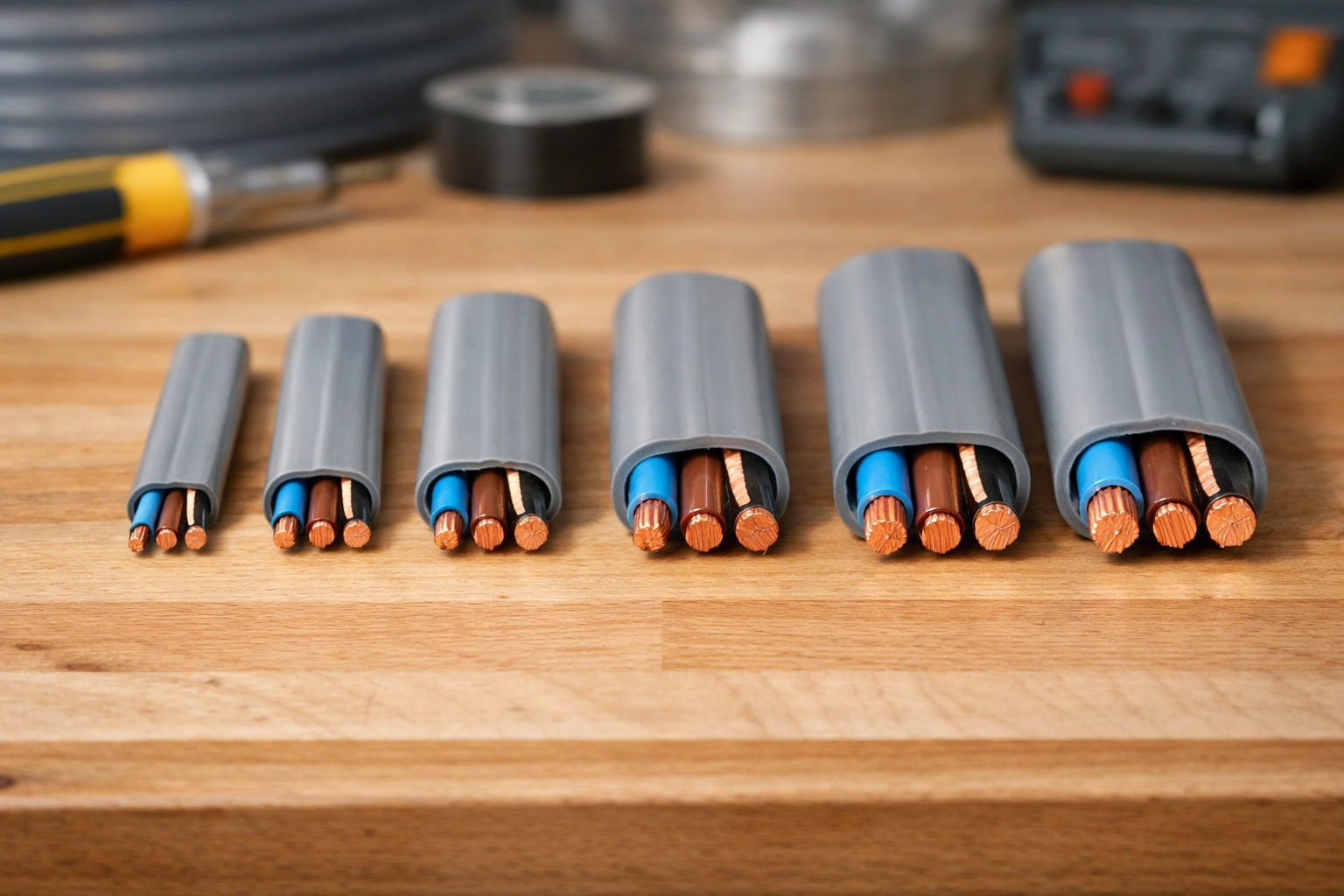
Different electrical tasks require different thicknesses, or gauges, of wire. For example, a lighting circuit typically uses 1.5mm² cable, while a power circuit for sockets usually requires 2.5mm² cable. High-draw appliances like electric showers or cookers need much thicker cabling, often 6mm² or 10mm².
DIYers often use whatever cable they have available. Using a wire that is too thin for the current passing through it causes the wire to overheat rapidly. This is a common cause of "burning smells" reported to our emergency electrician in Bournemouth. We ensure all cabling meets the current BS 7671 standards to prevent such hazards.
When installing new sockets or switches, some people cut the wires too short within the electrical box. This makes it difficult to make a secure connection. It also leaves no room for future repairs or replacements. Short wires are more likely to pull out of terminals when the socket is pushed back into the wall.
We recommend leaving at least 150mm of wire extending from the box. This provides enough slack to work with the component comfortably. If you find yourself struggling with short wires that keep popping out, it is time to contact an electrician in Bournemouth to extend the circuit safely using proper connectors.
Earthing is a fundamental safety feature of any electrical system. It provides a path for fault current to flow safely to the ground, triggering the circuit breaker or RCD to trip. Many DIY installations we inspect lack proper earthing or have disconnected earth wires.
Metal light fittings and switches must be earthed. If a fault occurs and there is no earth connection, the metal casing can become live. Anyone touching it would receive a severe electric shock. Our team at Dorset Electrical Solutions Ltd performs full earth continuity tests on every job to ensure your home remains safe. You can see examples of our professional installations in our gallery.
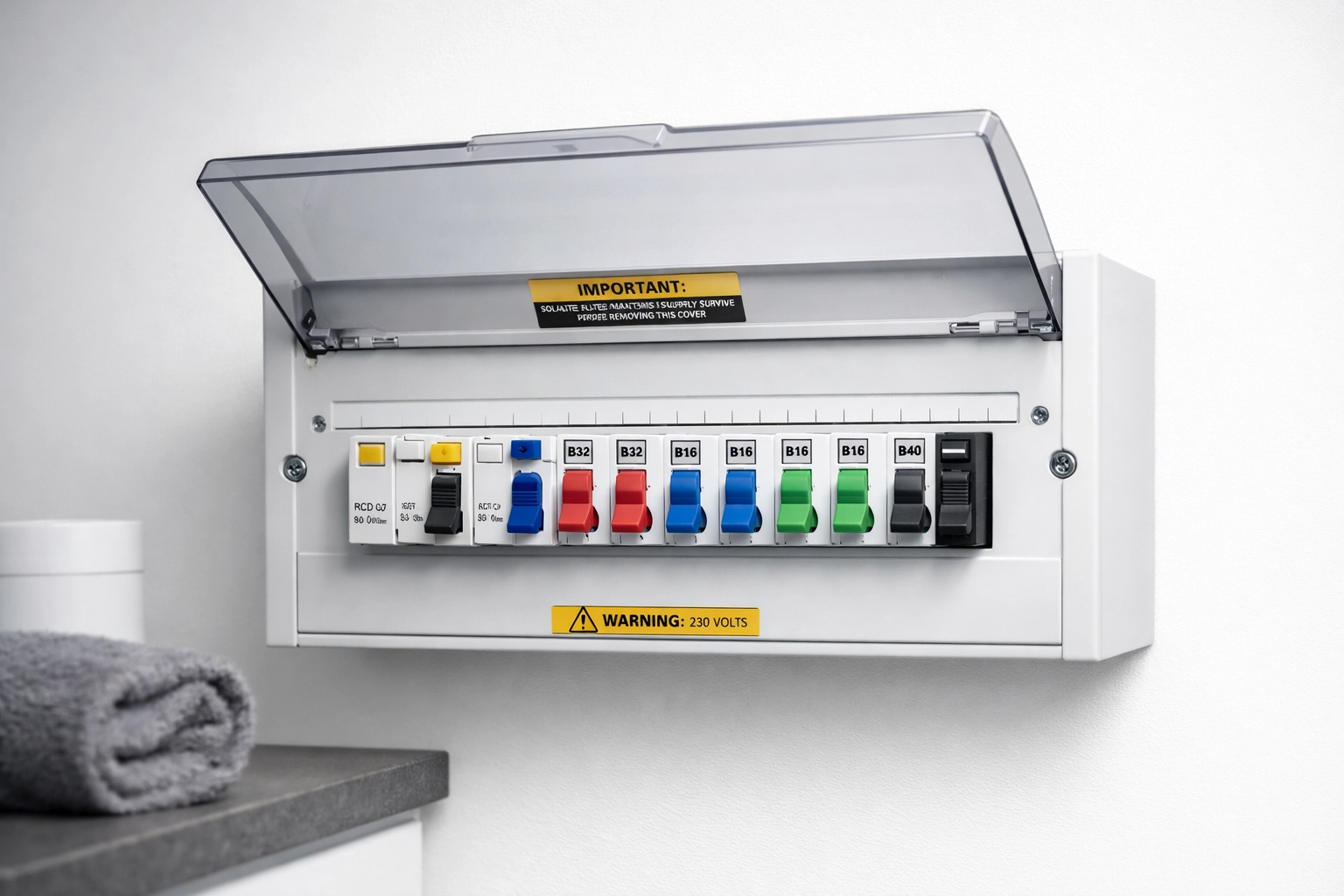
The circuit breaker in your consumer unit is designed to protect the wiring, not the person. If you install a 32-amp breaker on a circuit designed for 15 amps, the wires will melt before the breaker ever trips. This is a common DIY mistake made during home renovations.
Understanding the relationship between breaker size and cable capacity is vital. If you are experiencing frequent trips, the solution is never to simply install a larger breaker. This often points to an underlying fault or an overloaded circuit. Our electricians in Poole can diagnose the root cause and upgrade your system correctly.
A Residual Current Device (RCD) is a life-saving device designed to prevent you from getting a fatal electric shock if you touch something live. Many older homes in Bournemouth and the surrounding areas still have outdated fuse boards without RCD protection.
DIY additions to these systems often bypass safety requirements. Current regulations require RCD protection for almost all domestic circuits. If you are adding a new socket or outdoor light, it must be RCD protected. If your consumer unit is old, we highly recommend an upgrade to ensure compliance and safety. You can learn more about our services at dorsetelectricalsolutions.com.
While not strictly "installation" work, the misuse of extension leads is a major DIY safety error. We frequently see extension leads used as permanent wiring solutions. They are often tucked under carpets or run through doorways where they can be pinched and damaged.
Extension leads are for temporary use only. They should never be plugged into one another. If you find yourself relying on extension leads, you need more permanent sockets installed. Our team can install additional points across your home to eliminate the need for these trip and fire hazards.
Electrical faults don't usually happen at convenient times. A DIY mistake made on a Sunday afternoon can result in a total power loss by Sunday evening. There are several signs that you should stop what you are doing and call a professional:
Our team provides emergency services to address these issues before they escalate into house fires. We cover Bournemouth, Poole, and the wider Dorset area.
Beyond the physical danger, DIY electrical work carries legal and financial risks. Most electrical work in UK homes must comply with Part P of the Building Regulations. This means major works must be notified to local building control and certified by a competent person.
If you carry out work yourself and do not have a certificate, you may struggle to sell your home in the future. Furthermore, if a fire occurs and is traced back to uncertified DIY electrical work, your home insurance provider may refuse to pay out. Hiring a professional electrician in Dorset ensures you receive the necessary paperwork to prove the work is safe and compliant.
At Dorset Electrical Solutions Ltd, we encourage homeowners to focus on cosmetic DIY and leave the technical work to us. Whether it is installing energy-efficient LED lighting or upgrading a consumer unit, our team has the tools and training to do the job right the first time.
We serve residential and commercial clients throughout Dorset, Hampshire, and Wiltshire. Our experience allows us to identify potential hazards that an untrained eye might miss, such as degraded insulation or faulty components. Using a professional ensures your home stays powered and your family stays safe.
If you have attempted a DIY project and are unsure about the results, or if you need a reliable electrician in Bournemouth for a new project, we are here to help. Safety is our priority, and we provide factual, routine updates on all our projects to keep our clients informed.
Thanks – The team at Dorset Electrical Solutions Ltd