
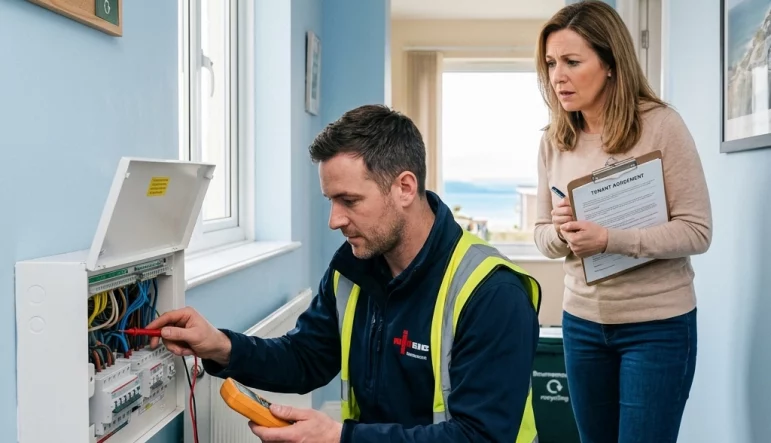
Managing a rental property in Bournemouth, Poole, or the surrounding Dorset area involves navigating a complex web of safety regulations. Since the introduction of the Electrical Safety Standards in the Private Rented Sector (England) Regulations 2020, the Electrical Installation Condition Report (EICR) has become a non-negotiable requirement for all private landlords. This mandatory safety check ensures that all fixed electrical parts of a property, such as the wiring, the socket-outlets, and the consumer unit, are safe for continued use.
However, despite these regulations being in place for several years, many landlords in the BCP (Bournemouth, Christchurch, and Poole) area continue to fall foul of the rules. Local authorities are increasingly proactive in enforcing these standards, and failing to comply can lead to civil penalties of up to £30,000. For landlords, the cost of a mistake far outweighs the cost of a professional inspection from a qualified electrician dorset.
To help you stay compliant and protect your investment, we have identified the seven most common mistakes landlords make with EICRs and how you can avoid the heavy fines associated with them.
The most common mistake is simply losing track of the calendar. Under the current legislation, an EICR must be carried out at least every five years. This is not a suggestion; it is a hard legal limit. In many cases, an inspector may even recommend a shorter interval if the electrical installation is particularly old or shows signs of rapid deterioration.
In Bournemouth, where many rental properties are converted Victorian villas or older flats, the electrical systems can be under significant stress. If your previous report was marked for a five-year re-test, you must ensure the new inspection is completed before the expiry date. Waiting until the last minute can be risky, especially during peak periods when reputable contractors are fully booked. Our team at Dorset Electrical Solutions recommends scheduling your inspection at least two months before the current certificate expires to ensure continuous compliance.
The regulations state that the EICR must be carried out by a "qualified and competent person." This is a critical point that many landlords overlook in an attempt to save a few pounds. A cheap "handyman" or an unaccredited electrician might offer a lower price, but if they cannot prove their competence or hold the correct professional indemnity insurance, your report is effectively worthless in the eyes of the law.
When searching for an electrician dorset, you should look for registration with a government-approved body such as NAPIT or the NICEIC. These organisations ensure that the contractor is regularly assessed and up to date with the latest IET Wiring Regulations (BS 7671). Dorset Electrical Solutions maintains full accreditation, ensuring that every report we produce is legally robust and provides a genuine assessment of property safety.
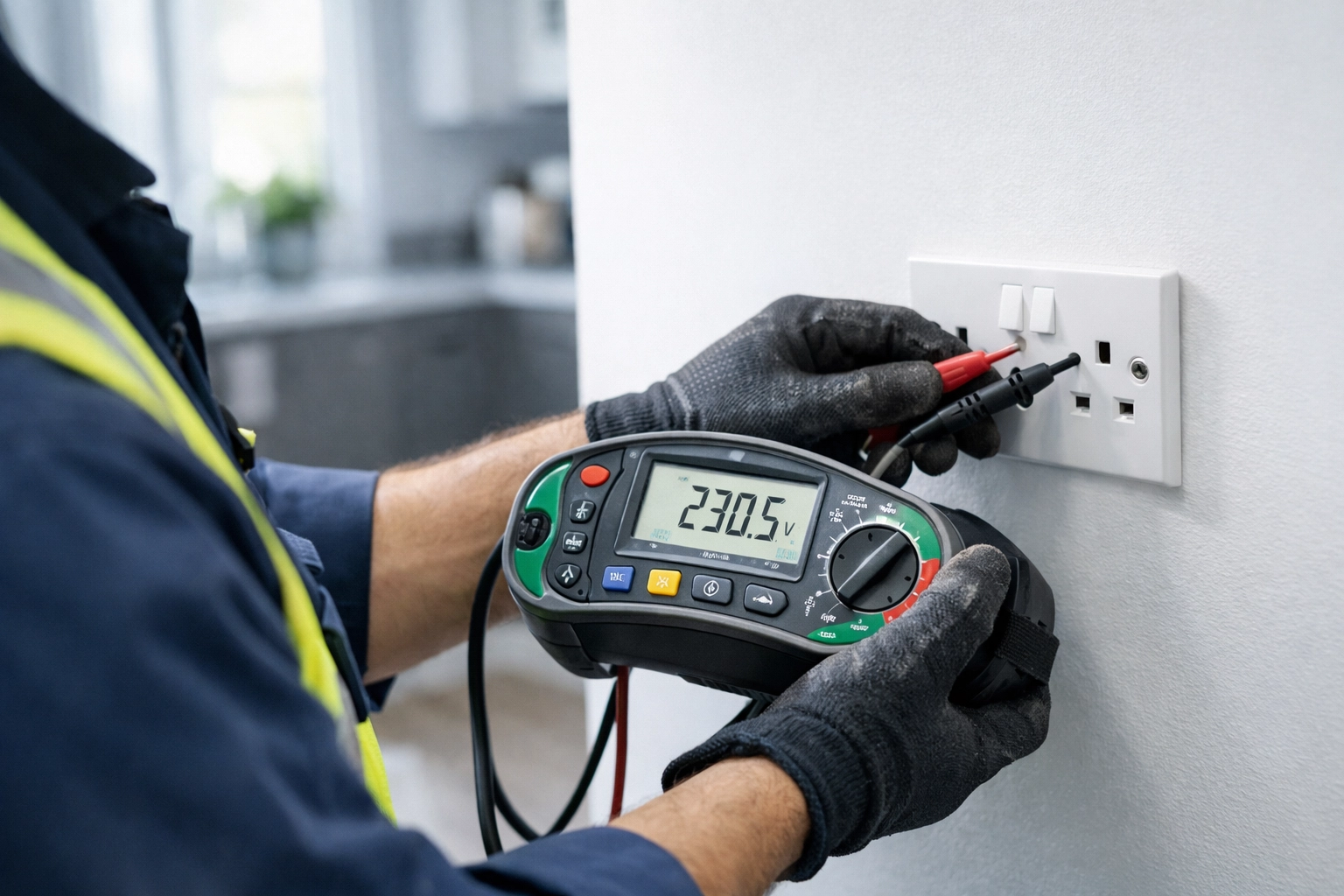
An EICR is not just a piece of paper; it is an assessment of safety. If the report comes back as "unsatisfactory," it will contain observation codes that dictate the required action. The biggest mistake a landlord can make is ignoring these findings.
If your report contains C1, C2, or FI codes, you have a maximum of 28 days to complete the remedial work. In some instances, the inspector may specify a shorter timeframe if the risk is high. Failing to fix these issues within the 28-day window is a direct breach of the regulations and is the primary reason for local authority fines in Bournemouth and Ferndown.
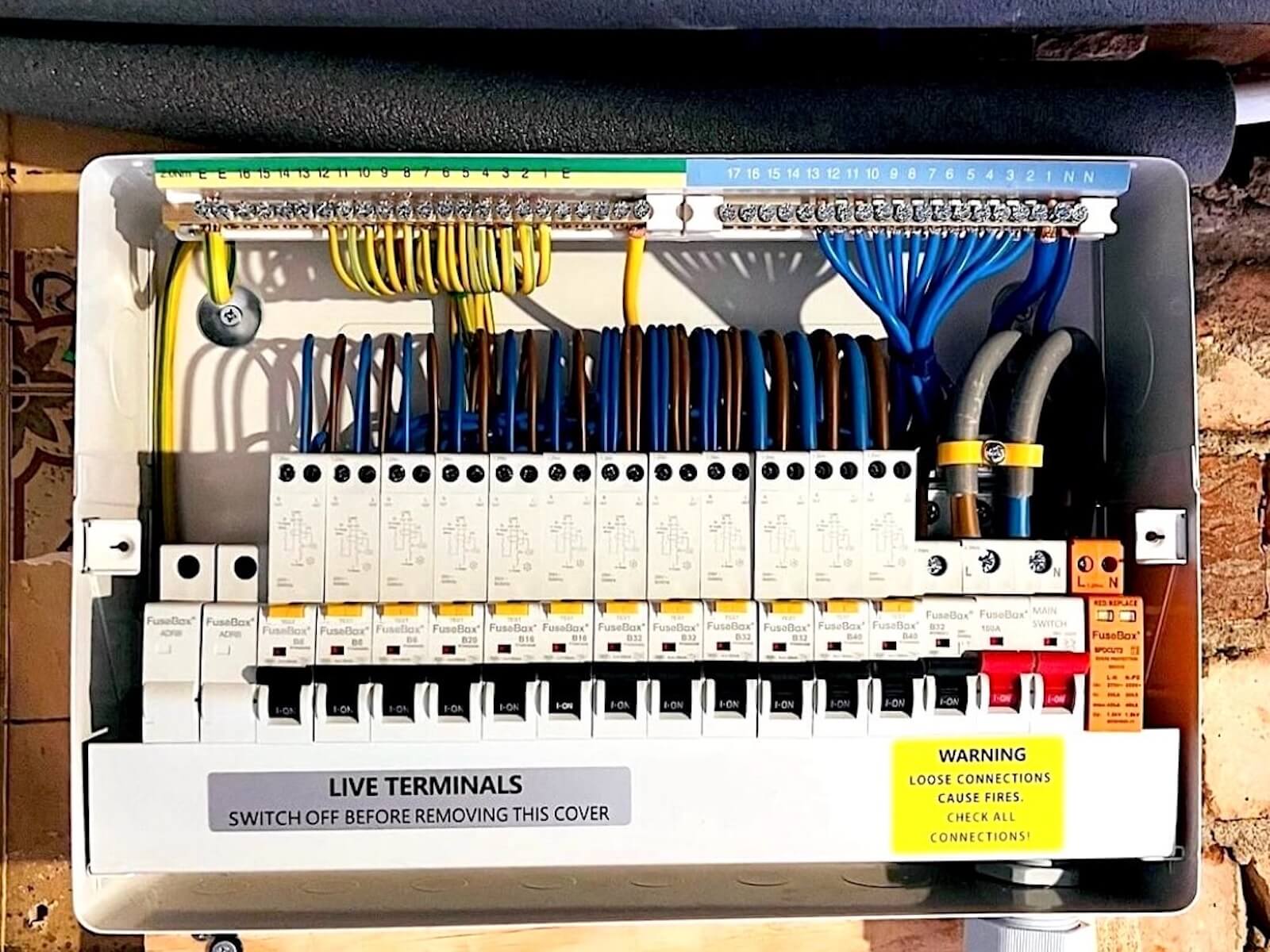
Compliance doesn’t end once the inspection is finished. Landlords are legally obligated to provide a copy of the EICR to each existing tenant within 28 days of the inspection. This transparency ensures that tenants are aware of the safety status of their home.
If a tenant requests a copy of the report in writing, the landlord has 28 days to provide it. For new tenancies in areas like Ringwood or Poole, the landlord must provide a copy of the most recent EICR to the tenant before they move in. We often see cases where landlords have the report but forget the administrative step of distribution, which can lead to disputes and potential legal action if an incident occurs.
While you do not need to send every satisfactory EICR to the council, you are required to provide a copy to the local authority within seven days if they request it. More importantly, if remedial works were required following an unsatisfactory report, you must provide written confirmation to both the tenant and the local authority that the work has been completed.
This confirmation must be sent within 28 days of the completion of the remedial work. This is often the "missing link" in the compliance chain. A landlord might get the work done but fail to document the completion properly. Keeping a clear paper trail, including the original EICR and the subsequent Electrical Installation Certificate (EIC) or Minor Electrical Installation Works Certificate (MEIWC), is essential for proving your "satisfactory" status.
Many landlords view electrical safety as a purely defensive task: avoiding fines and danger. However, a common mistake is failing to see the broader picture of property maintenance and tenant demand. In Bournemouth’s competitive rental market, properties that offer modern amenities and high air quality are more desirable.
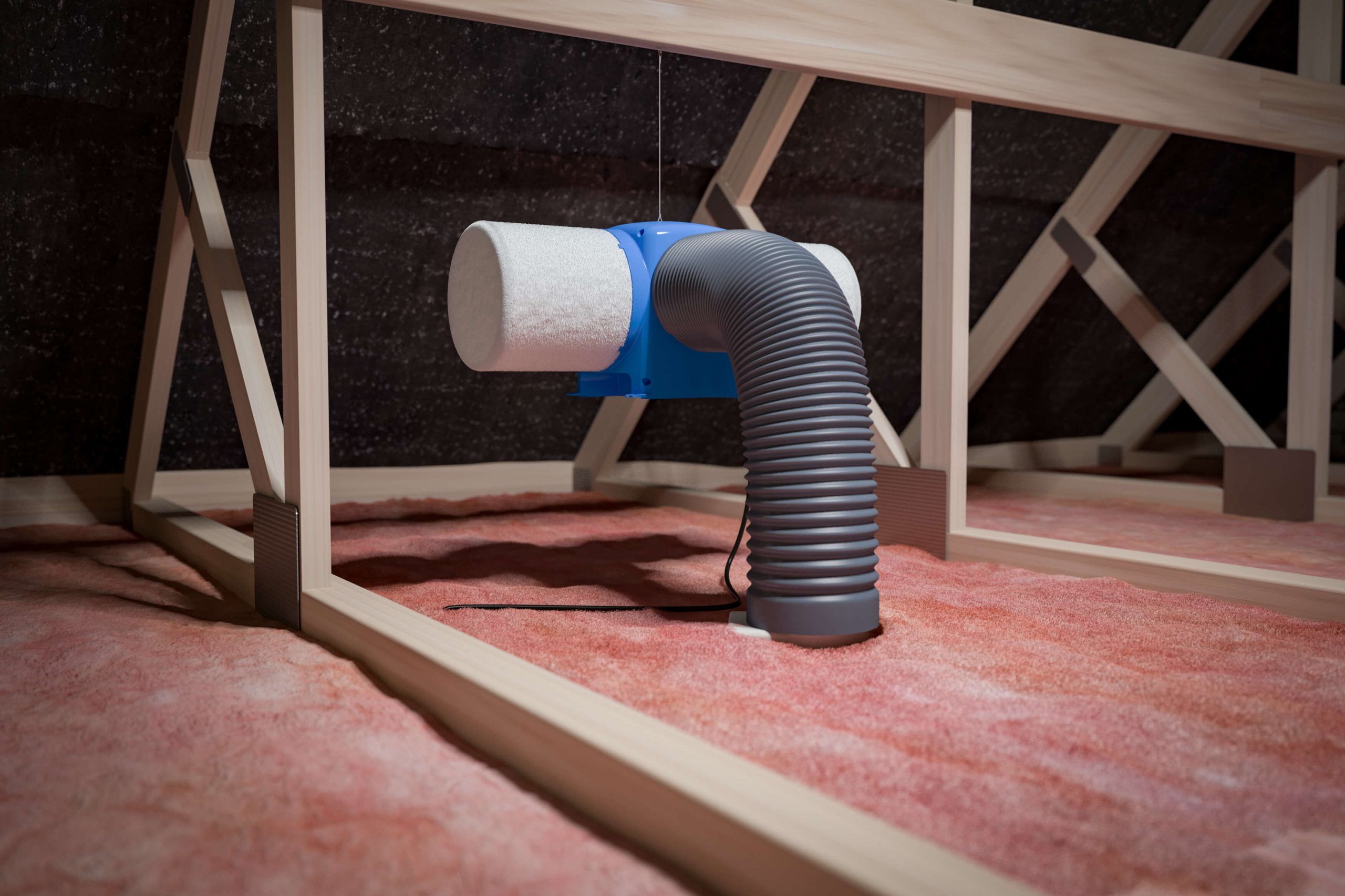
For example, with the shift toward electric vehicles, an EV charger installation can significantly increase a property's appeal to professional tenants. Similarly, many older properties in Dorset suffer from damp and mould issues due to coastal humidity. Installing a PIV unit (Positive Input Ventilation) is an effective way to solve these issues.
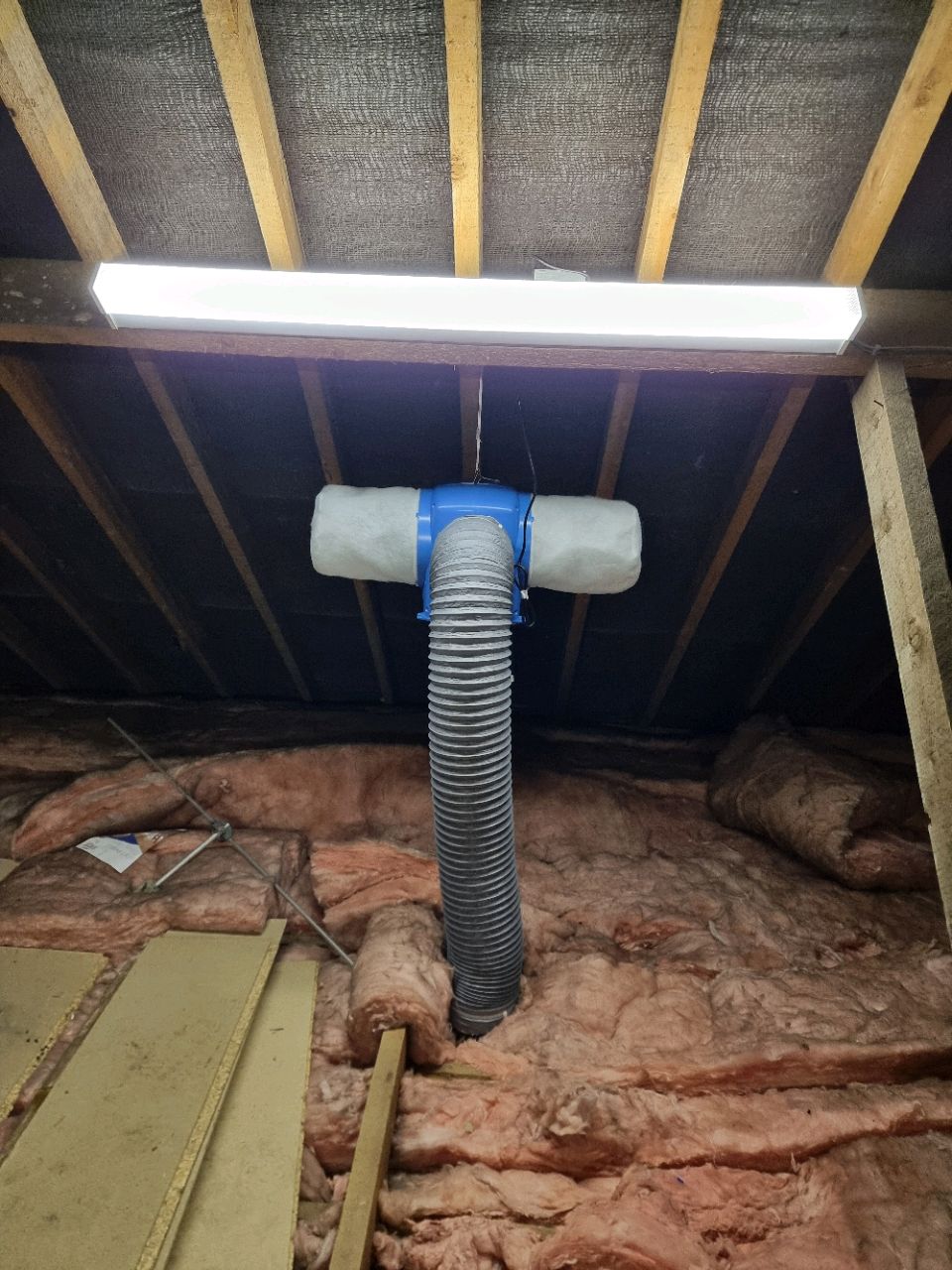
A PIV system helps reduce mould and condensation, protecting the building fabric and the tenant's health. Integrating these services during an electrical overhaul can be more cost-effective than scheduling them separately.
The final mistake is a lack of organisation. Landlords must keep a copy of the EICR to provide to the next inspector when the five-year renewal comes around. This previous report provides a history of the installation and can help the new inspector identify recurring issues.
If you lose your report and the local authority requests it, you will likely face a penalty. We recommend digital storage for all safety certificates. Our team provides digital copies of all EICR reports, making it easy for landlords in Ringwood and Poole to access their documentation at a moment’s notice.
Maintaining a safe rental property is a continuous process. Beyond the EICR, landlords should consider how they can improve the energy efficiency and longevity of their properties. Whether it is a full consumer unit upgrade to meet current standards or the installation of specialist ventilation like a PIV unit, staying ahead of maintenance prevents costly emergency repairs.
We provide comprehensive electrical services across Bournemouth, Poole, Ferndown, and Ringwood. Our services include:
Our team is dedicated to helping landlords navigate the complexities of electrical compliance with straightforward, professional advice. By avoiding these seven common mistakes, you can ensure your tenants remain safe and your business remains profitable and free from local authority fines.
For more information on our recent projects and to see the standard of our work, you can browse our gallery. We are currently removing outdated wiring in several Bournemouth properties and preparing them for 2026 compliance standards. Photos of these completed projects will follow.
Dorset Electrical Solutions serves the entire Dorset region with reliable, high-end electrical services.
Thanks.