

An Electrical Installation Condition Report (EICR) is a formal document produced following an assessment of the electrical installation within a property. For landlords in Dorset, this is a legal requirement under the Electrical Safety Standards in the Private Rented Sector (England) Regulations 2020. Our team at Dorset Electrical Solutions frequently identifies specific recurring failures across Bournemouth, Poole, and Ringwood. These mistakes range from administrative errors to critical safety hazards.
The most significant mistake property owners make is hiring an electrician based solely on the lowest price. An EICR must be conducted by a "competent person" who is registered with a government-approved scheme such as NICEIC or NAPIT. We often see reports that are legally invalid because the person signing them off lacks the correct credentials.
An invalid report offers no legal protection in the event of a fire or electrical accident. Insurance providers in Ferndown and the wider Dorset area often reject claims if the EICR was not completed by a registered professional. Our electricians follow the 18th edition of the IET Wiring Regulations (BS 7671) to ensure every inspection meets national standards.
When an EICR identifies a "C1" or "C2" fault, the landlord has a legal obligation to address these issues within 28 days. A C1 code indicates immediate danger, while a C2 code indicates potential danger. We frequently find that landlords in Poole and Bournemouth receive their reports but fail to book the remedial works within the required timeframe.
Failure to fix these faults within 28 days can lead to local authority fines of up to £30,000. Once the work is completed, you must obtain a written confirmation from your electrician dorset that the remedial work has been carried out. This confirmation must be kept alongside the original EICR.
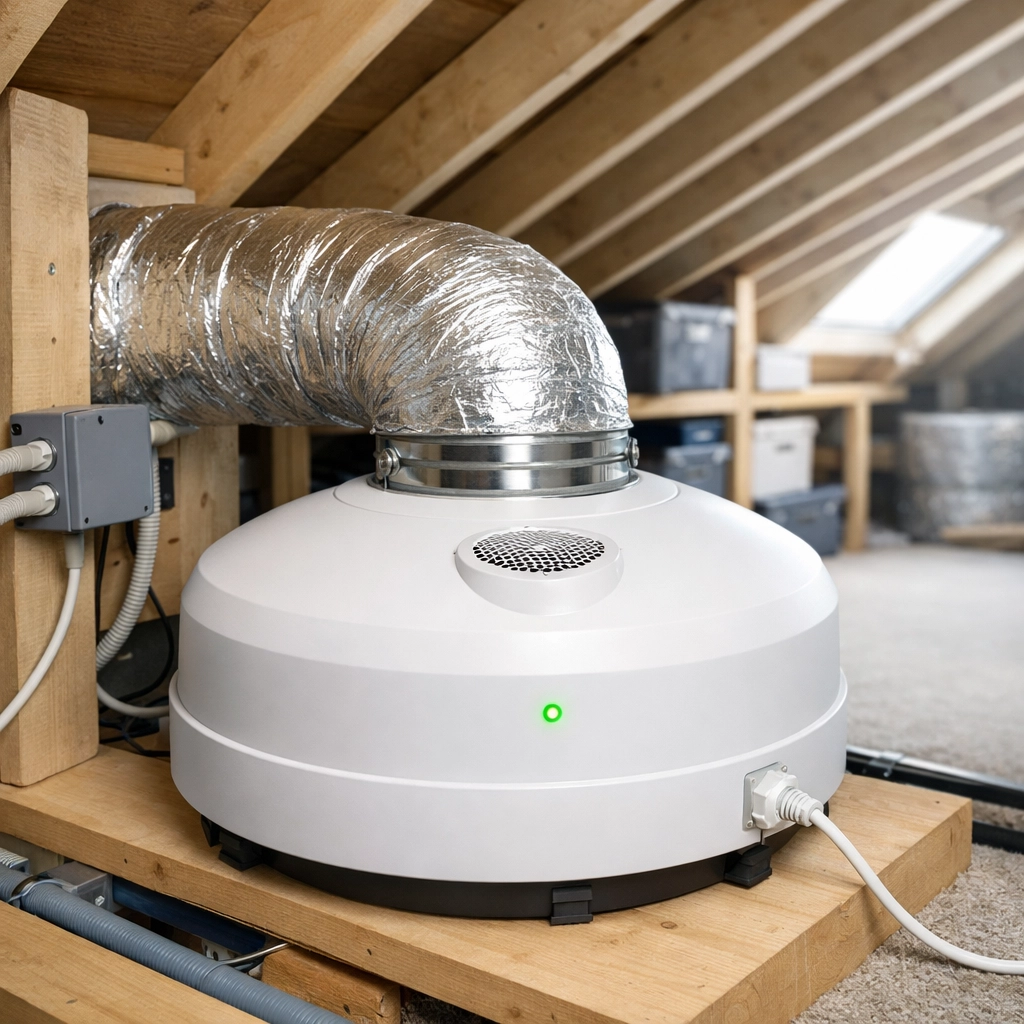
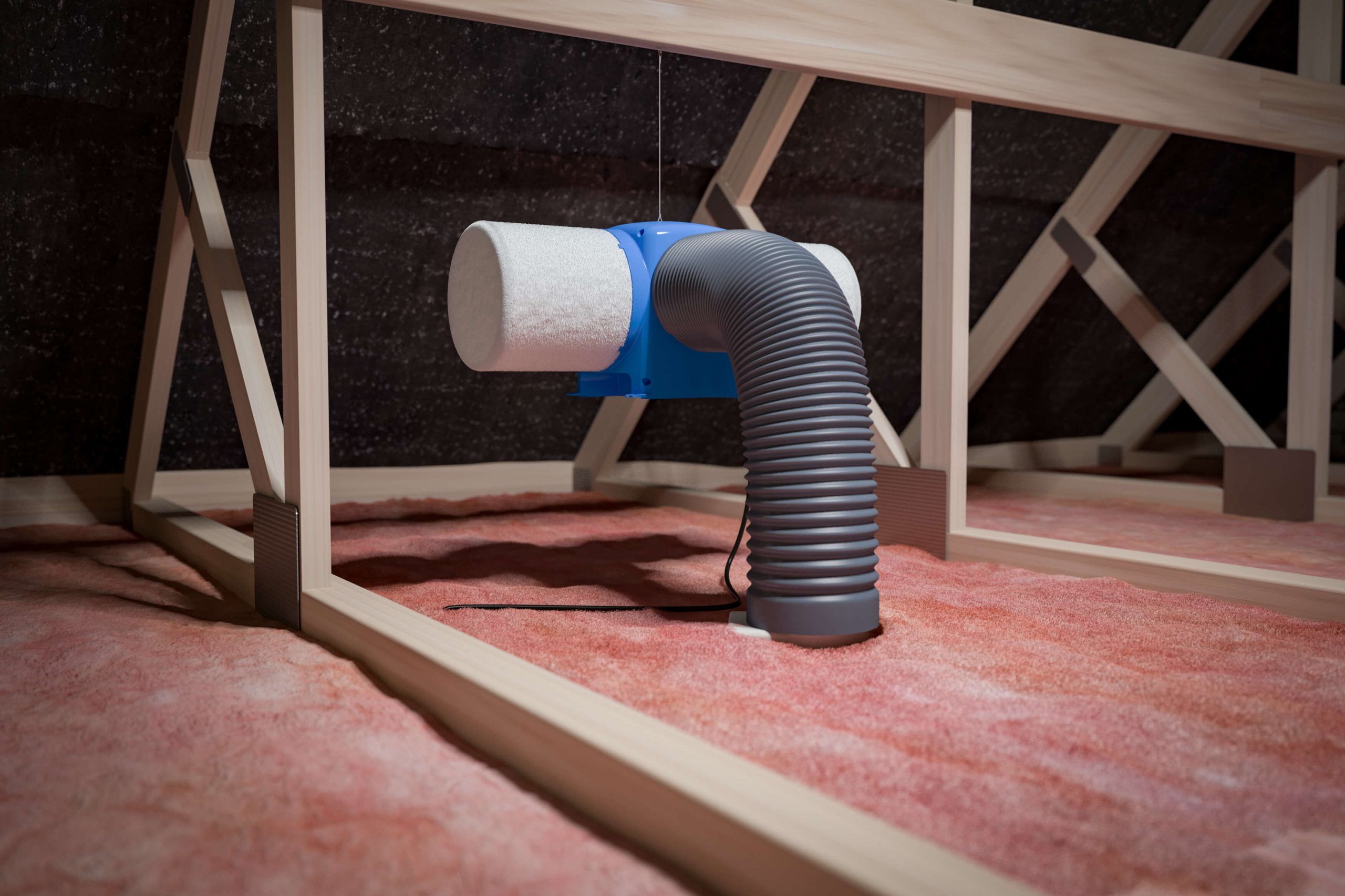
Dorset’s coastal environment, particularly in areas like Bournemouth and Poole, leads to high humidity. Excess moisture often results in corrosion within junction boxes and consumer units. Many EICR failures are caused by electrical components being exposed to damp conditions that have been ignored for years.
We recommend addressing the root cause of moisture before repairing the electrical system. Installing a PIV unit (Positive Input Ventilation) is a standard solution for properties suffering from condensation and mould. A PIV unit circulates fresh, filtered air throughout the home, which protects both the occupants and the electrical infrastructure from damp-related degradation.
With the increase in electric vehicle ownership in Ringwood and Ferndown, many homeowners are opting for EV charger installation. A common mistake is having these chargers installed by non-specialists who do not account for the additional load on the existing consumer unit.
During an EICR, we often find that EV chargers have been "teed off" existing circuits rather than having their own dedicated circuit. This is a direct violation of safety regulations. A proper EV charger installation requires a specific RCD (Residual Current Device) and often an upgrade to the main earthing system. If the installation was done as a DIY project or by an uncertified handyman, it will likely cause the entire property to fail its EICR.
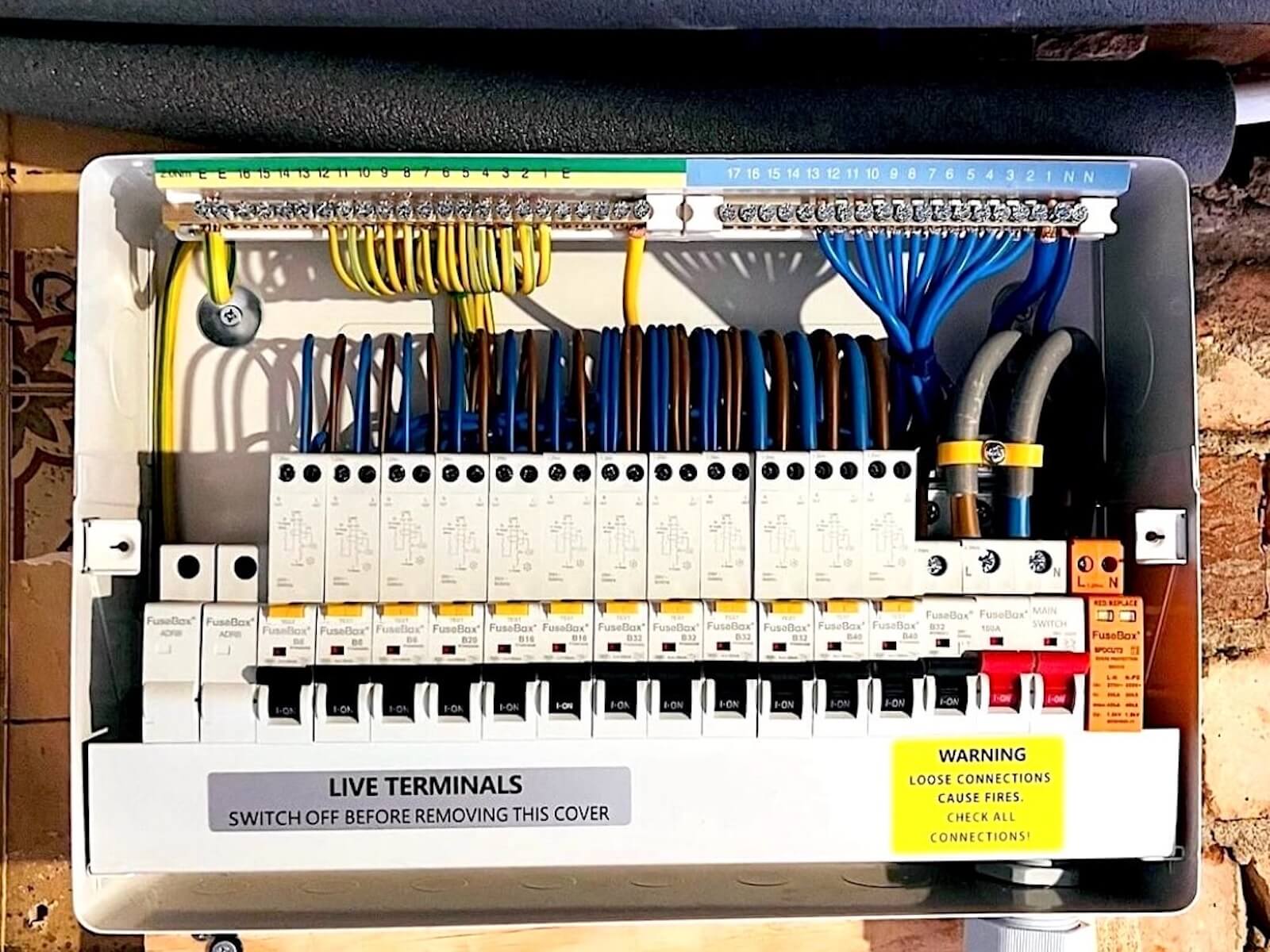
Many older properties in Dorset still use "fuse boxes" with rewireable fuses. While these are not illegal, they often fail to meet modern safety standards during an inspection. The lack of RCD protection is the leading cause of EICR failures.
An RCD is a life-saving device designed to prevent you from getting a fatal electric shock if you touch a live wire. Modern regulations require RCD protection for almost all circuits in a domestic property. If your consumer unit lacks this, it will be marked as a C2 (potentially dangerous) fault. Upgrading to a modern consumer unit with individual RCBOs for each circuit is the most reliable fix for this issue.
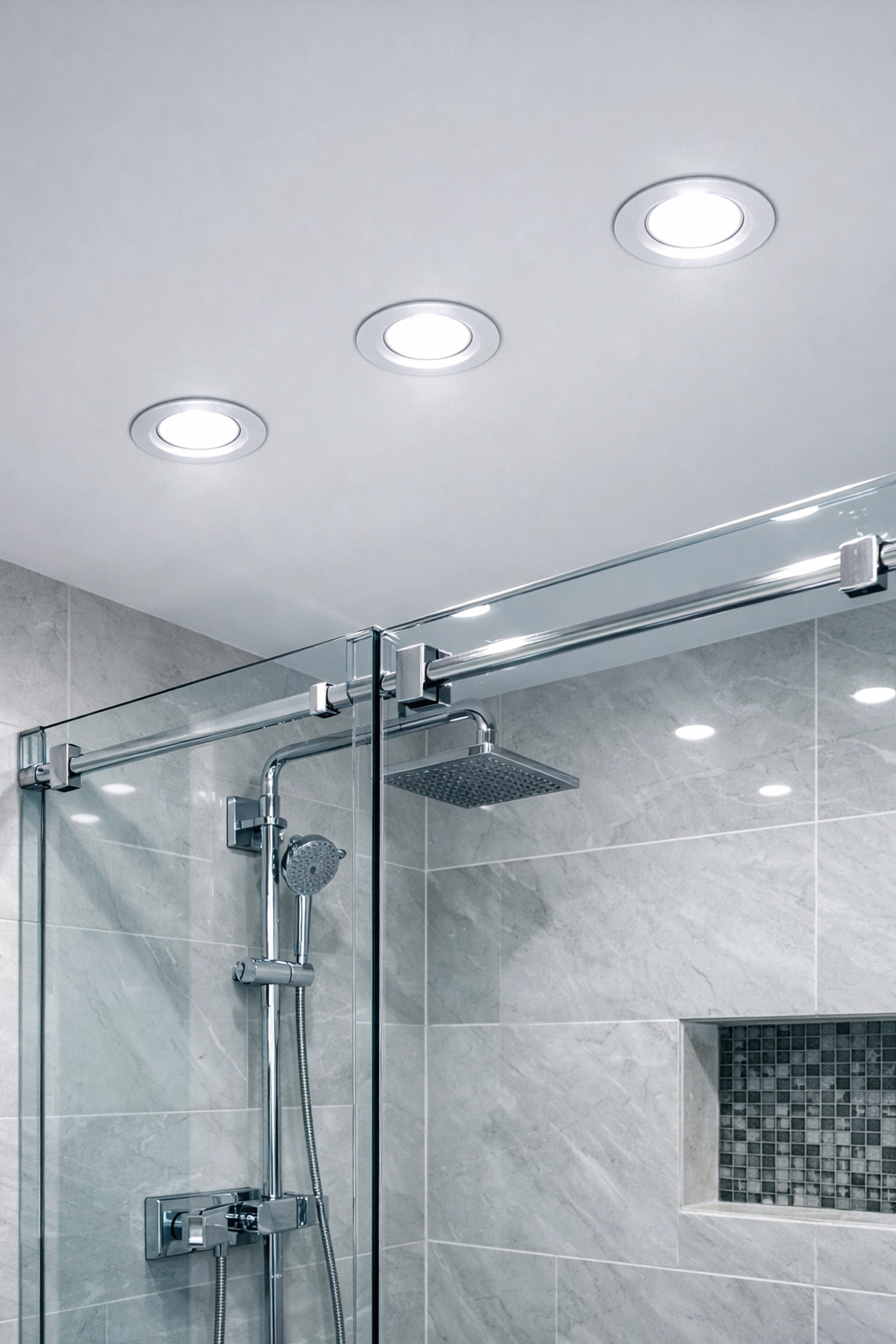
Bathrooms are divided into "zones" based on their proximity to water sources. Electrical fittings, such as lights and extractor fans, must have a specific Ingress Protection (IP) rating to be safe for use in these zones.
In many Dorset homes, we find standard light fittings installed directly above showers. These fittings are not designed to handle steam or water splashes. During an EICR, this is a frequent point of failure. The fix involves replacing non-compliant fittings with IP44 or IP65 rated equipment. This ensures the installation remains safe in wet environments and complies with the latest building regulations.
Main earth bonding is the connection of your gas and water pipes to the main earthing terminal of your electrical installation. This is a critical safety feature. If a fault occurs, the bonding ensures that metal pipes do not become live and cause an electric shock.
In Ferndown and Bournemouth, we often find that when new boilers or plastic piping are installed, the original earth bonding is cut or not reconnected correctly. Without visible green and yellow 10mm cables connected to your service pipes, your property will fail its EICR. This is a straightforward fix for a qualified electrician dorset, but it is a mistake that is frequently overlooked by property owners until the inspection occurs.
The most effective way to manage your electrical safety is through proactive maintenance. Do not wait for your current report to expire before booking your next inspection. For landlords, we recommend a visual check at every change of tenancy, even if the five-year EICR is still valid.
If you are planning an EV charger installation or installing a PIV unit, ensure the work is done by the same team that handles your compliance. This ensures that any new additions are correctly integrated into your existing system and recorded on your next EICR.
Our team at Dorset Electrical Solutions provides comprehensive testing services across:
All remedial works are carried out to BS 7671 standards. We provide digital reports and certificates immediately following the completion of the work.
Photos of recent consumer unit upgrades in Bournemouth to follow.