
With the cost of living still a major talking point across the UK, keeping an eye on your energy consumption is more important than ever. Whether you are living in a seaside apartment in Bournemouth, a Victorian terrace in Poole, or a rural cottage in Wiltshire, your home’s electrical habits are likely costing you more than they should.
As an experienced electrician in Dorset, our team at Dorset Electrical Solutions Ltd visits hundreds of homes every year. We see the same patterns emerging: small, seemingly insignificant habits that add up to massive annual electricity bills. Most people think they are doing a decent job of saving energy, but there are often hidden "vampires" and outdated setups draining wallets right under their noses.
Here are the seven most common energy-wasting mistakes we see in Dorset homes and how you can fix them to start saving money today.
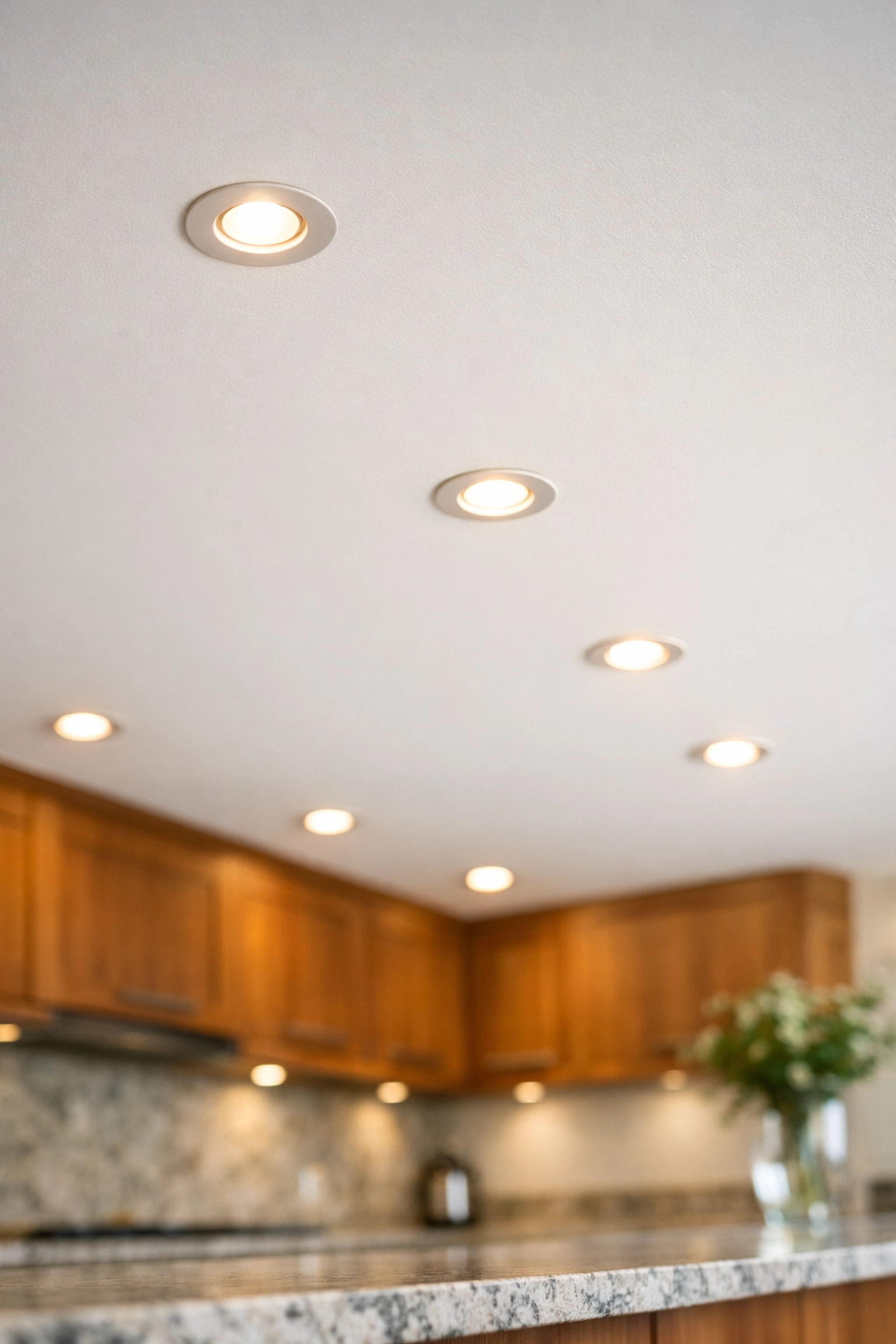
It sounds like old news, but you would be surprised how many homes in Dorset and Hampshire are still fitted with old-fashioned halogen spotlights or incandescent bulbs. While the upfront cost of an LED bulb is slightly higher, the energy savings are incomparable.
A standard halogen GU10 spotlight typically uses 50 watts of power. An equivalent LED version uses just 5 watts. If you have a kitchen with ten spotlights, you are effectively burning 500 watts every time you flip the switch. Switching to LED reduces that to 50 watts for the same amount of light.
When our electricians in Poole perform lighting upgrades, we often find that homeowners save enough in the first year to pay for the cost of the bulbs and the installation. Beyond the wattage, LEDs run significantly cooler, reducing the fire risk associated with older, hot halogen bulbs that can often scorch surrounding insulation.
One of the biggest mistakes people make is assuming that "off" means "off." Many modern appliances go into a standby mode that continues to draw a small amount of current, often referred to as "vampire power."
In the average UK household, standby power can account for up to 10% of the total electricity bill. Common culprits include:
If you aren't using an appliance, turn it off at the wall. For hard-to-reach sockets, we often recommend installing smart plugs. These allow you to set schedules or turn off entire banks of electronics from your phone, ensuring your entertainment centre isn’t costing you money while you sleep.
As we move deeper into the colder months in Dorset and Wiltshire, heating becomes the primary energy drain. If you have electric heating or an immersion heater for your hot water, mistakes here are incredibly costly.
A common error is leaving an immersion heater on all day. Many homeowners aren't aware that their cylinder is reheating water they won’t use until the following morning. Installing a proper timer or a smart controller can save a significant amount.
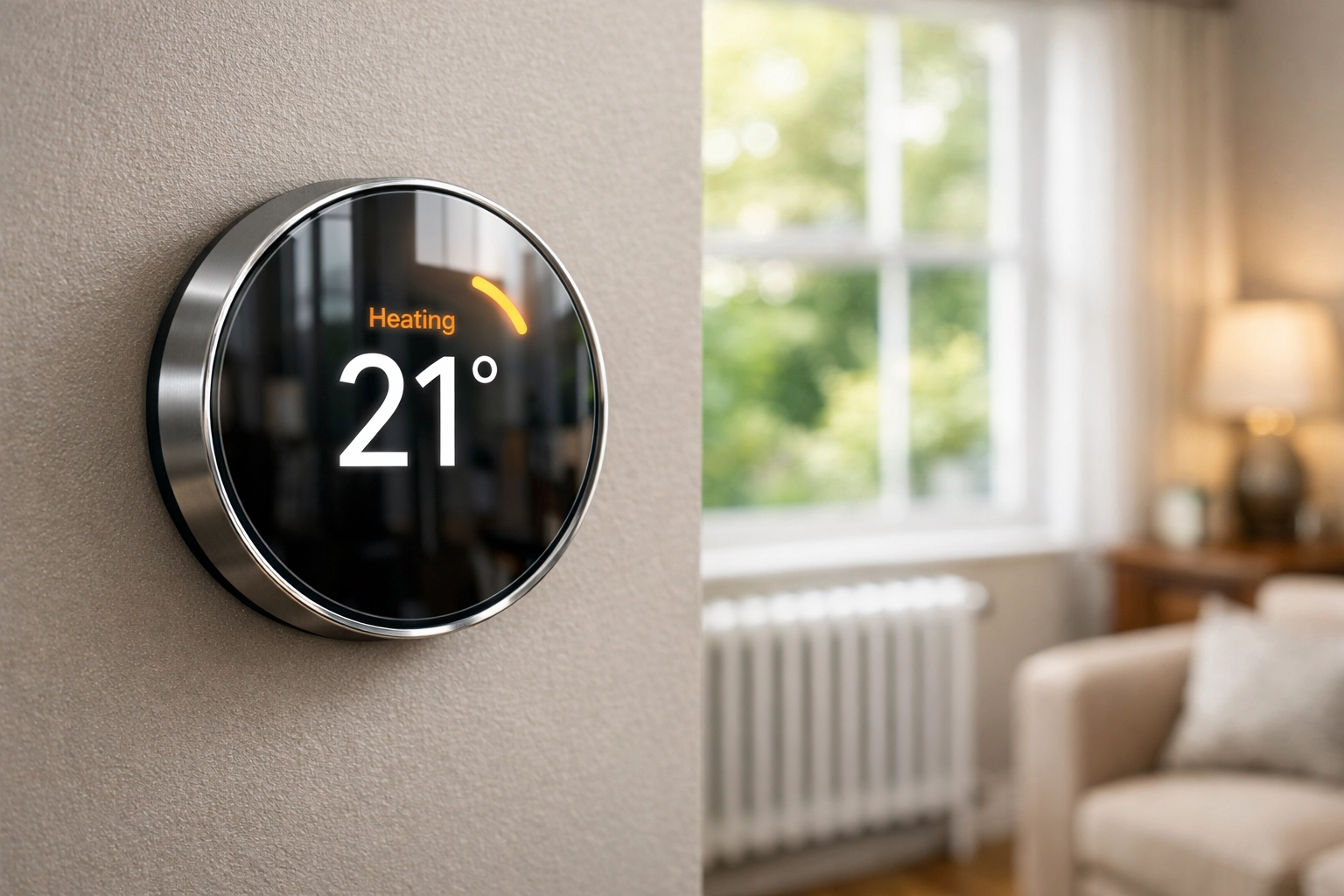
Furthermore, many homes lack "zonal" heating. You shouldn't be heating the guest bedroom or the dining room to 21 degrees if you aren't using them. Modern smart thermostats allow you to control individual rooms. If you’re looking for a professional install, our team of electricians in Bournemouth can help integrate these systems into your existing wiring, giving you much finer control over your monthly spend.
If you have a smart meter or an Economy 7 meter, you might be wasting money by running high-drain appliances during the day. Dishwashers, tumble dryers, and washing machines are the heavy hitters in most households.
With the rise of electric vehicles (EVs) in Dorset, many residents have switched to time-of-use tariffs like those offered by Octopus Energy or British Gas. These tariffs offer incredibly cheap electricity during the night. By setting your dishwasher to run at 2 AM or charging your car during the "super off-peak" window, you could be paying a fraction of the standard daytime rate.
If you don't have a smart meter yet, it’s worth contacting your provider. Once installed, we can assist with installing dedicated circuits for EV chargers or heavy appliances to ensure your home is ready to take advantage of these lower rates. Visit Dorset Electrical Solutions to see how we can help upgrade your home’s infrastructure.
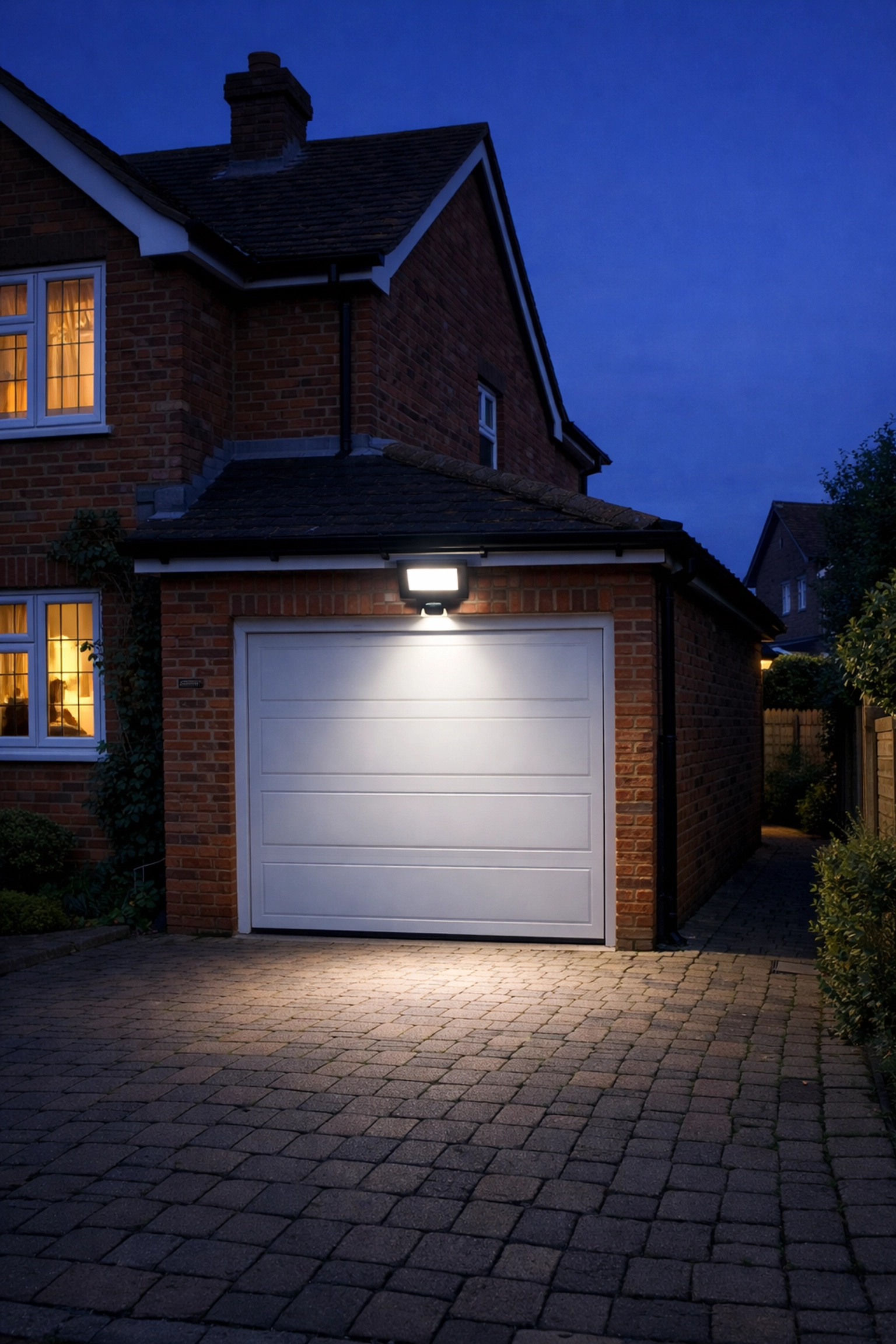
We love our gardens in the South West, but outdoor electrics are a common source of energy waste. We often see powerful floodlights aimed at driveways that stay on all night or are triggered by every passing cat.
If you have a 100W or 200W outdoor floodlight that isn't LED, it is a massive drain. The solution isn't just switching to LED, but also ensuring you have high-quality PIR (Passive Infrared) sensors. These sensors ensure the light only comes on when needed.
We also suggest looking into "dusk-to-dawn" sensors for decorative lighting, which are much more efficient than manual switches that often get left on accidentally for days at a time. If you need an emergency electrician in Bournemouth because an old outdoor light has tripped your consumer unit during a rainstorm, it might be the perfect time to consider a more efficient, modern replacement.
Many residents in Dorset and Hampshire are still using old-style fuse boxes with rewirable fuses. While these aren't directly "wasting" electricity in the way a lightbulb does, they are often a sign of an ageing electrical system that isn't running at peak efficiency.
Older systems can suffer from poor connections and high resistance, which can lead to heat buildup and minor energy loss. More importantly, they lack the modern safety features: like Surge Protection Devices (SPDs) and RCDs: that protect your expensive, energy-efficient electronics from damage.
Upgrading your consumer unit is one of the best investments you can make for your home. It ensures that your modern LED lighting, smart thermostats, and EV chargers are operating on a stable, safe circuit. It also provides the foundation for adding more energy-saving tech in the future.
The final mistake is one that involves both energy waste and safety: the "handyman" approach to electrics. We often see DIY jobs where the wrong gauge of wire has been used for a long run (like a shed or garden office) or where too many extension leads are daisy-chained together.
Incorrect wiring causes voltage drop, which means your appliances have to work harder and run hotter to perform the same task. Not only does this waste energy, but it is a major fire hazard. Extension leads are meant for temporary use, not as a permanent solution for your home office.
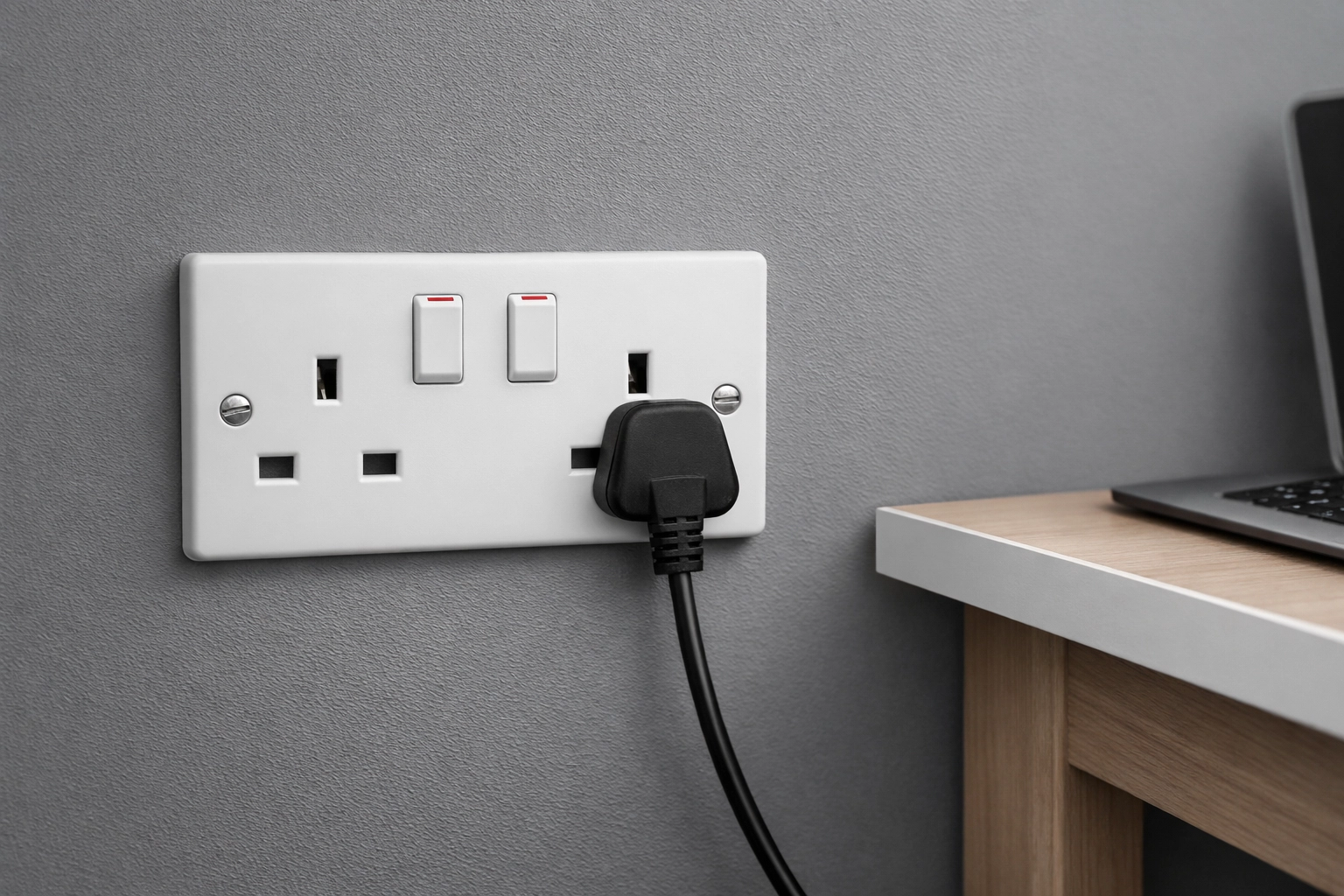
If you find yourself relying on a web of extension cables under your desk, it’s time to call in a professional. Adding extra sockets is a straightforward job for our electricians in Dorset, and it ensures your equipment is running safely and efficiently.
At Dorset Electrical Solutions Ltd, we aren't just here to fix problems when things go wrong. We are here to help you optimize your home for the future. From installing the latest smart home technologies to performing full EICR (Electrical Installation Condition Report) inspections to find hidden inefficiencies, our goal is to keep your home safe and your bills low.
If you are concerned about your energy usage or if you haven't had your electrics checked in over ten years, give us a call. We cover everything from minor repairs to full house rewires across Dorset, Hampshire, and Wiltshire.
Thanks – The team at Dorset Electrical Solutions Ltd
https://www.dorsetelectricalsolutions.com/home-2/layout01-img01
https://www.dorsetelectricalsolutions.com/home-2/slideinfo-01