
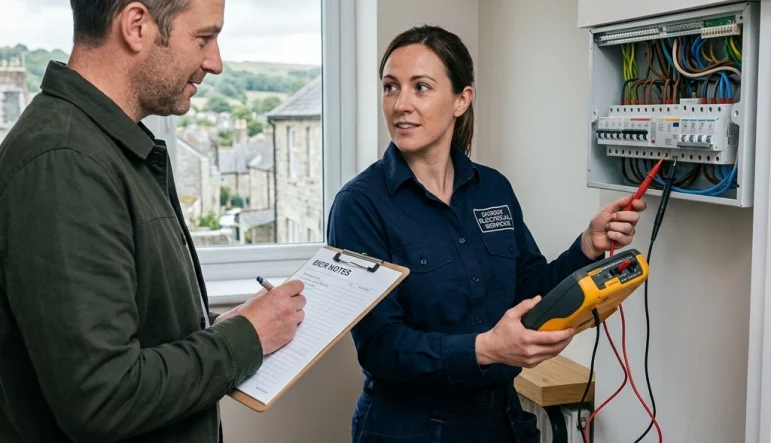
Navigating the landscape of rental property management in Dorset involves strict adherence to the Electrical Safety Standards in the Private Rented Sector (England) Regulations 2020. Our team frequently carries out inspections across Bournemouth, Poole, Ferndown, and Ringwood, observing a consistent pattern of avoidable errors. An Electrical Installation Condition Report (EICR) is a mandatory requirement, yet many landlords inadvertently compromise their legal standing and tenant safety through simple oversights.
Failing to maintain a valid EICR can result in local authorities in Dorset issuing financial penalties of up to £30,000. Beyond the financial risk, the safety of the electrical systems within a property is paramount. We are identifying and documenting the most frequent mistakes made during the EICR process to assist landlords in maintaining compliance and ensuring their portfolios remain safe for occupancy.
The most prevalent error we encounter is the selection of an electrician based solely on the lowest price point without verifying professional credentials. An EICR must be performed by a competent person. Within the industry, this typically means a contractor registered with a government-approved regulatory body such as NICEIC or NAPIT.
If an unqualified individual signs off on a report, the document is legally invalid. In the event of an electrical fire or accident, insurance providers frequently reject claims if the EICR was not completed by a registered professional. Our team is fully qualified and registered, ensuring that every report we produce meets the stringent requirements set by UK legislation. When looking for an electrician dorset landlords should always verify registration numbers on the official NICEIC or NAPIT databases before work commences.
Receiving the EICR is only the first step of the process. If a report identifies faults categorised as Code C1 (Immediate Danger) or Code C2 (Potentially Dangerous), the landlord is legally obligated to address these issues within 28 days. We often see landlords in Ferndown and Ringwood file the report away without reviewing the specific codes, assuming that having the piece of paper is sufficient for compliance.
A "Satisfactory" result is only achieved once the remedial works are completed and documented. For C1 faults, the electrician is required to make the installation safe before leaving the property, but follow-up work is often necessary. We are currently performing remedial upgrades for several landlords who missed their initial windows, highlighting the importance of immediate action once a "Unsatisfactory" report is issued. Documentation of the completed works must be kept alongside the original EICR to prove full compliance.
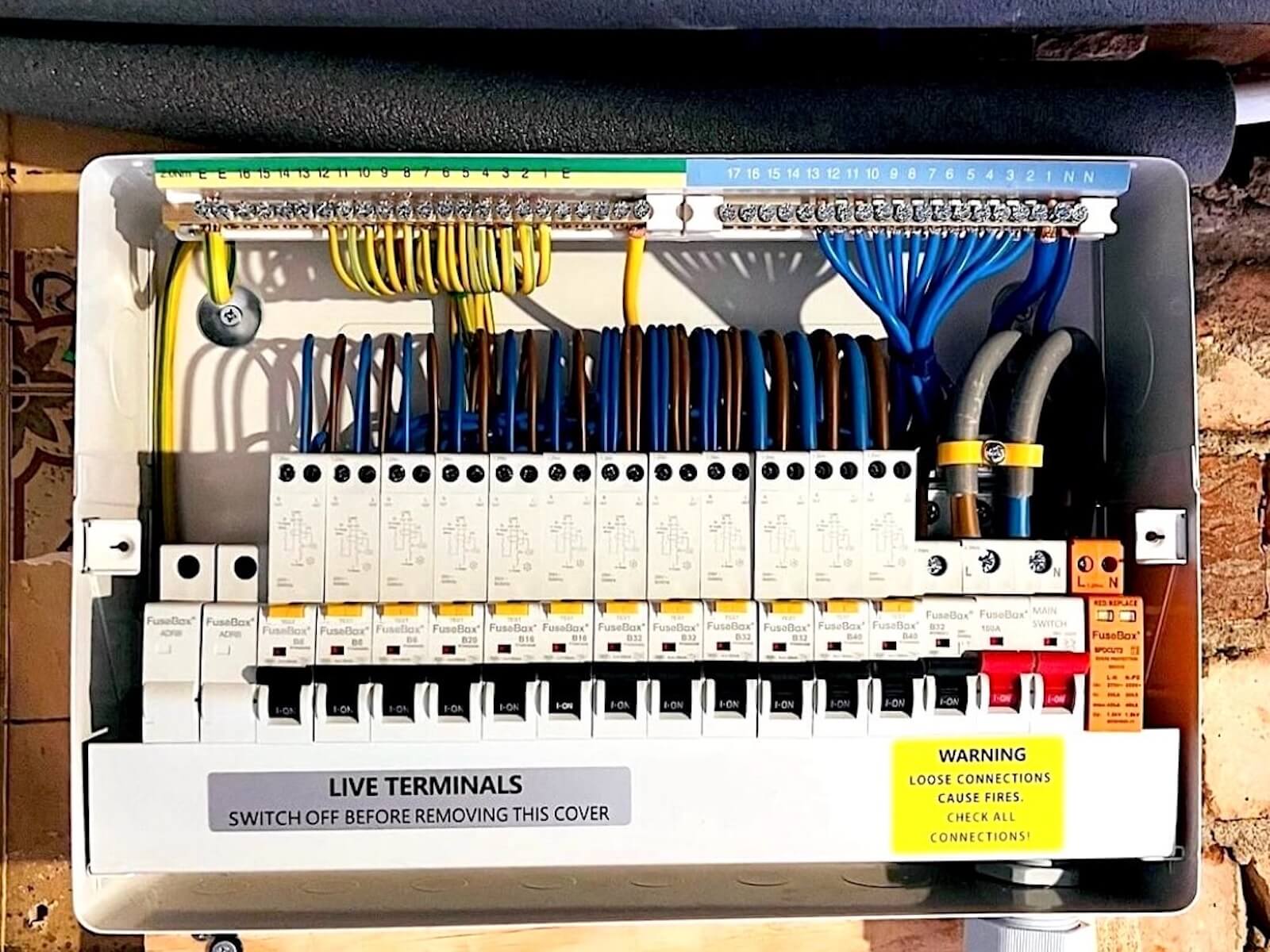
An EICR is a comprehensive assessment that requires access to the entire electrical system. This includes the consumer unit, every socket, light switch, and fixed appliance. We frequently arrive at properties in Poole where furniture is blocking sockets or the meter cupboard is locked without a key provided.
When an electrician cannot access specific parts of the system, they must list these as "limitations" on the report. If there are too many limitations, the report may be deemed incomplete by local authorities or insurers. Landlords must ensure tenants are informed of the need for full access. Moving heavy furniture and ensuring cupboards are clear allows our team to perform a thorough inspection and reduces the likelihood of a "Limitation" note appearing on the final certificate.
Bathrooms are designated as high-risk areas due to the presence of water. We regularly find that landlords or previous tenants have installed standard light fittings in zones where water ingress is likely. Any electrical fitting within a bathroom must have the appropriate Ingress Protection (IP) rating.
During inspections in Bournemouth, we often flag non-compliant downlights or heaters that lack the necessary protection. These errors result in an automatic "Unsatisfactory" rating. Ensuring that bathroom electrical installations meet current 18th Edition Wiring Regulations is a core component of the EICR. We are removing and replacing non-compliant fittings daily to bring Dorset properties back to legal safety standards.
Residual Current Devices (RCDs) are critical safety components designed to trip the circuit instantly if a fault is detected, preventing fatal electric shocks. Under current regulations, RCD protection is mandatory for most circuits in a domestic property, particularly those serving bathrooms and ground-floor sockets that could power outdoor equipment.
Many older properties in Ringwood and Ferndown still utilise outdated fuse boards that lack RCD protection. While an older board isn't always an automatic failure if it was compliant at the time of installation, the lack of RCD protection for specific high-risk circuits usually triggers a C2 code. We are currently upgrading numerous consumer units to include dual RCD protection or RCBOs (Residual Current Breaker with Overcurrent), which provides the highest level of safety and ensures the property passes its EICR.
Main protective bonding is a fundamental safety requirement. It involves connecting the metal pipework of the gas and water services to the main earthing terminal of the electrical installation. This prevents these pipes from becoming live in the event of an electrical fault.
We frequently observe missing or disconnected earth bonding in Dorset rental properties. This is a common cause of EICR failure. The green and yellow bonding cable must be visible and securely attached to the pipework, usually within 600mm of the meter or point of entry into the building. Our team checks this as a priority at the start of every inspection, as it is a critical safety barrier for the occupants.
The general regulation states that an EICR is valid for a maximum of five years. However, this is not a fixed rule; the inspector may recommend a shorter period, such as three years, if the installation is particularly old or in poor condition. Landlords often mistakenly assume they are safe for five years regardless of the inspector's recommendation.
Furthermore, while the law doesn't strictly require a new EICR for every change of tenancy (provided the current one is still valid), it is considered best practice to conduct a visual inspection or a full EICR if the previous tenants were in situ for a long duration. This ensures that no unauthorised alterations or damage to the electrical system have occurred. Keeping the documentation up to date is essential for landlords in high-turnover areas like Bournemouth and Poole.
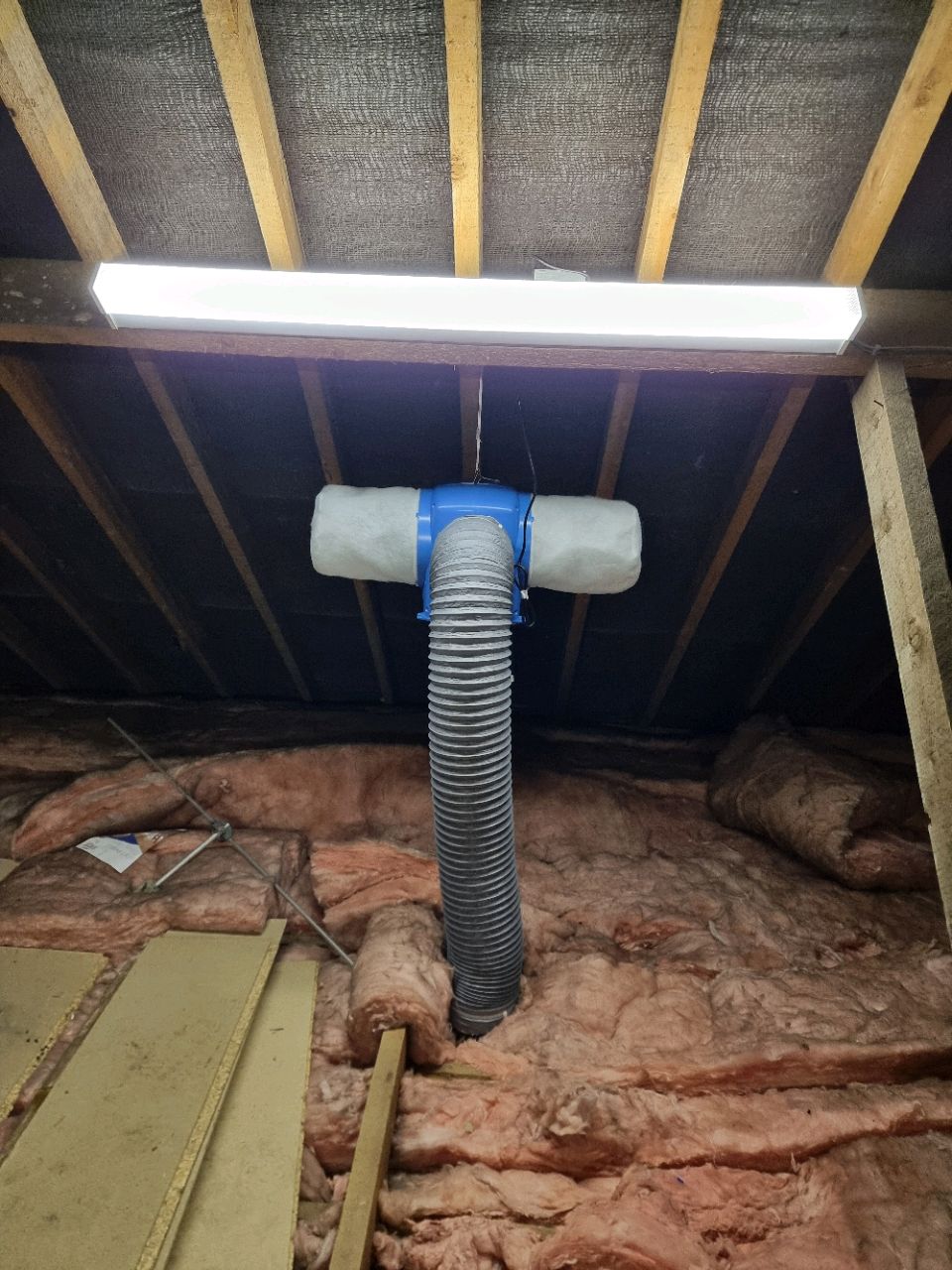
Beyond electrical safety, we are seeing an increase in landlords installing PIV unit (Positive Input Ventilation) systems to protect their investments. Properties in coastal Dorset are often susceptible to damp and condensation, leading to mould growth: a major issue for tenant health and property longevity.
A PIV system works by drawing fresh, filtered air into the property, creating a slight positive pressure that forces out moist, stale air. This process effectively eliminates condensation on windows and prevents the conditions that allow mould to thrive. Our team is installing these units in lofts across the region to provide a low-maintenance solution to damp problems.
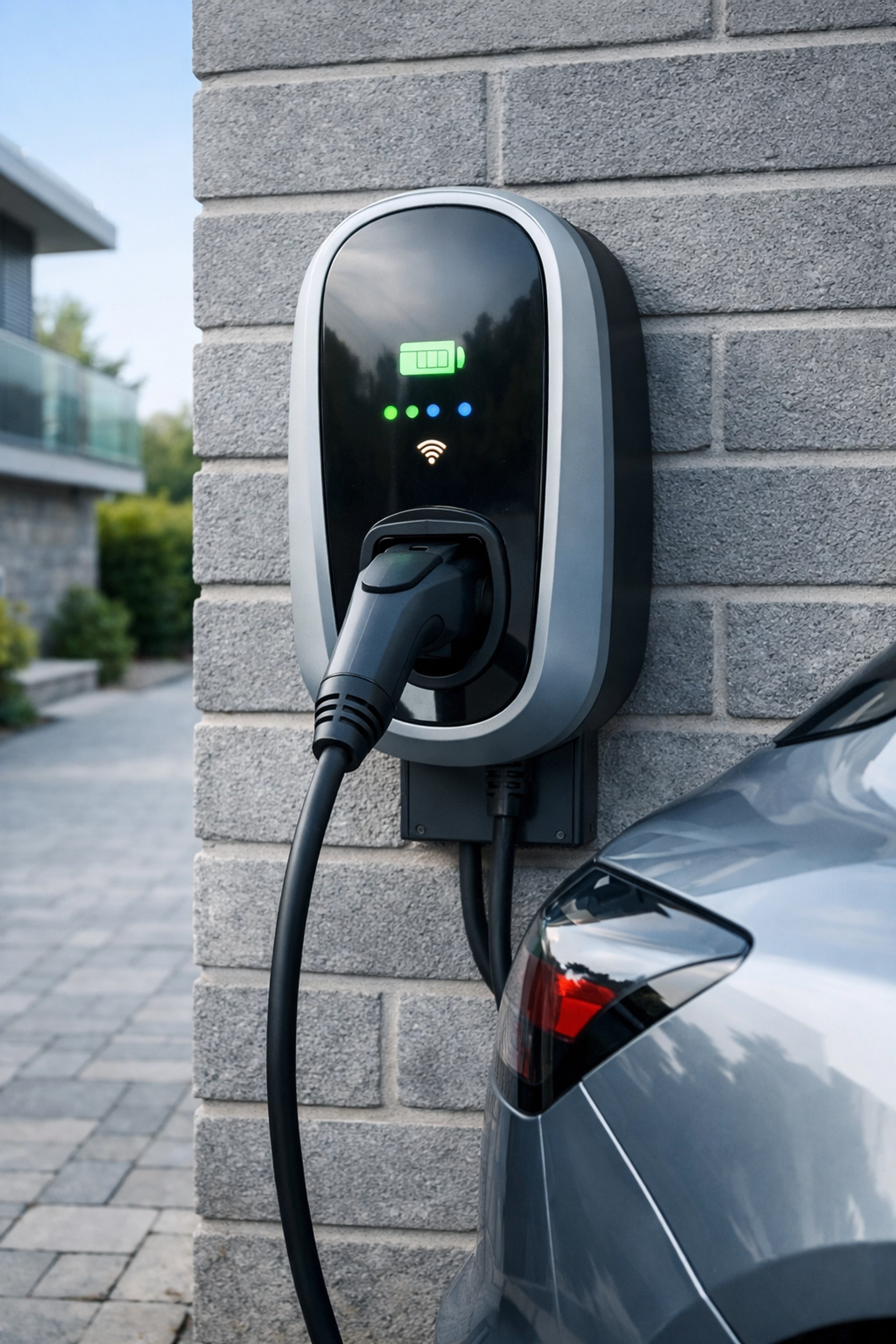
With the transition toward electric vehicles, landlords are increasingly inquiring about EV charger installation. Providing a dedicated charging point is becoming a significant draw for high-quality tenants in Poole and Bournemouth.
Installing a home charging point requires a dedicated circuit and, in many cases, an upgrade to the existing consumer unit to handle the additional load. We are currently integrating EV charging solutions into property renovation projects, ensuring that the installation is fully compliant with the latest regulations and reflected accurately in the property's electrical records. This not only adds value to the rental property but also ensures the electrical system is equipped for the demands of modern living.
To maintain a legal and safe rental portfolio in Dorset, we recommend the following straightforward approach:
Our team continues to provide technical support and certified inspections throughout the Dorset region, including Bournemouth, Poole, Ferndown, and Ringwood. We are currently updating our gallery with recent consumer unit and PIV installation projects. Photos to follow.
For further information on our services, visit https://www.dorsetelectricalsolutions.com.
Thanks.