
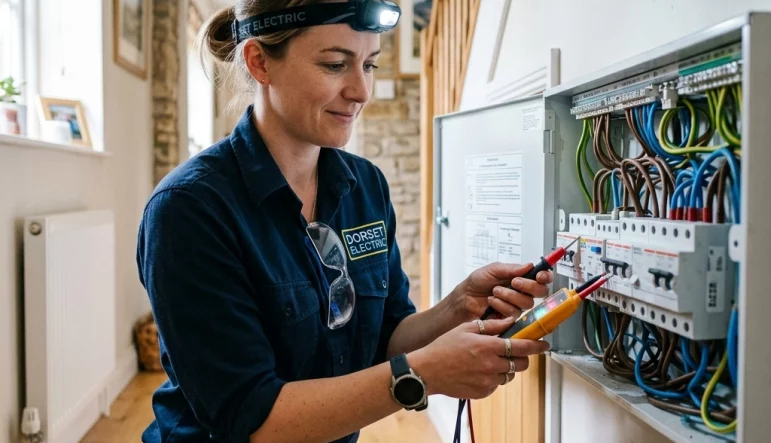
Owning a home or a business in Dorset comes with its fair share of responsibilities. Whether you are living in a seaside apartment in Bournemouth, a Victorian terrace in Poole, or managing a commercial warehouse in Ferndown, the safety of your electrical system is paramount. Unfortunately, not all electrical work is created equal. Our team at Dorset Electrical Solutions often gets called out to rectify "DIY disasters" or substandard work performed by less-than-reputable contractors.
The reality is that unsafe installations aren't just an eyesore; they are a direct fire hazard and a risk to your life. Because most wiring is hidden behind walls or tucked away in lofts, it is easy to assume everything is fine until a circuit trips or, worse, a fire starts. In this guide, we are pulling back the curtain on what quality electrical work looks like and sharing the secrets that electricians in Dorset use to spot a dangerous setup before it becomes a catastrophe.
If you walk into your utility cupboard or look at your external lighting and things look "messy," they probably are. One of the most common signs of an unsafe installation is poor cable management. Our team frequently sees what we call "spaghetti wiring": a mass of tangled cables with no clear direction or support.
Proper electrical work should be neat. Wires should be secured with clips or housed in conduit, especially in areas like garages or outbuildings in Ringwood where they might be exposed to movement or moisture. If you see wires "poking out" or held together with electrical tape rather than proper connectors, it’s time to call a pro. Tape is never a permanent solution for joining wires; it’s a temporary fix that dries out, peels, and leads to exposed live conductors.
Another major red flag is scorching. Take a look at your plug sockets and light switches. Do you see any brown or black discolouration? This indicates arcing or overheating. If a socket feels warm to the touch, it is a sign that the internal connections are loose or the circuit is overloaded. This is particularly common in older properties across Bournemouth where the original wiring wasn't designed for the heavy load of modern appliances like air fryers, EV chargers, and high-spec gaming PCs.
Your consumer unit (often called a fuse box) is the most critical safety component in your home. It’s the "brain" that detects faults and cuts the power before someone gets hurt. Many homes in Dorset are still running on old-fashioned "rewirable" fuse boards. While they may have worked for decades, they lack the sophisticated safety features required by current BS 7671 regulations.
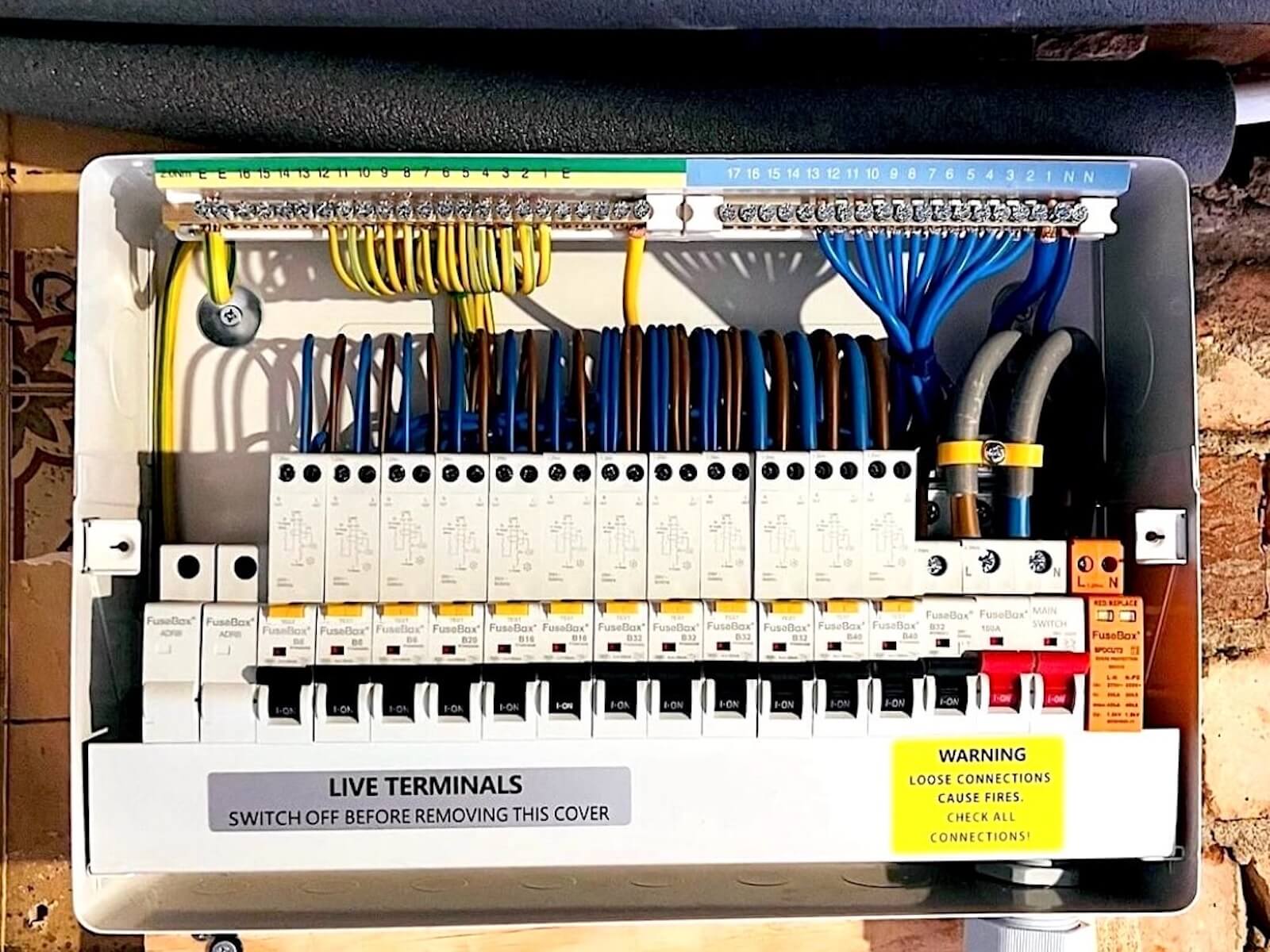
A modern consumer unit installation, like the one pictured above, includes RCDs (Residual Current Devices) or RCBOs. These devices are designed to trip within milliseconds if they detect a leak of current, which could happen if a child pokes something into a socket or if a cable is accidentally cut while gardening.
When we perform consumer unit upgrades, we often find that the earthing for the property is inadequate or missing entirely. Without a solid earth connection, a fault has nowhere to go, potentially turning your metal appliances: like your toaster or washing machine: live. If your fuse box looks like a wooden box or has ceramic fuses that you have to manually wrap wire around, you are overdue for an upgrade.
Maintaining a safe home isn't just about the wires; it’s also about the environment those wires live in. Damp and condensation are huge issues in coastal areas like Poole. High humidity can lead to corrosion in your electrical fittings, which is why many homeowners are turning to positive input ventilation (PIV) systems.
However, there are several PIV myths circulating. Some people believe PIV units are expensive to run or that they create a "cold draught" throughout the house. In reality, modern PIV systems are incredibly energy-efficient and are designed to subtly push fresh, filtered air into the home, displacing the moisture-laden air that causes mould.
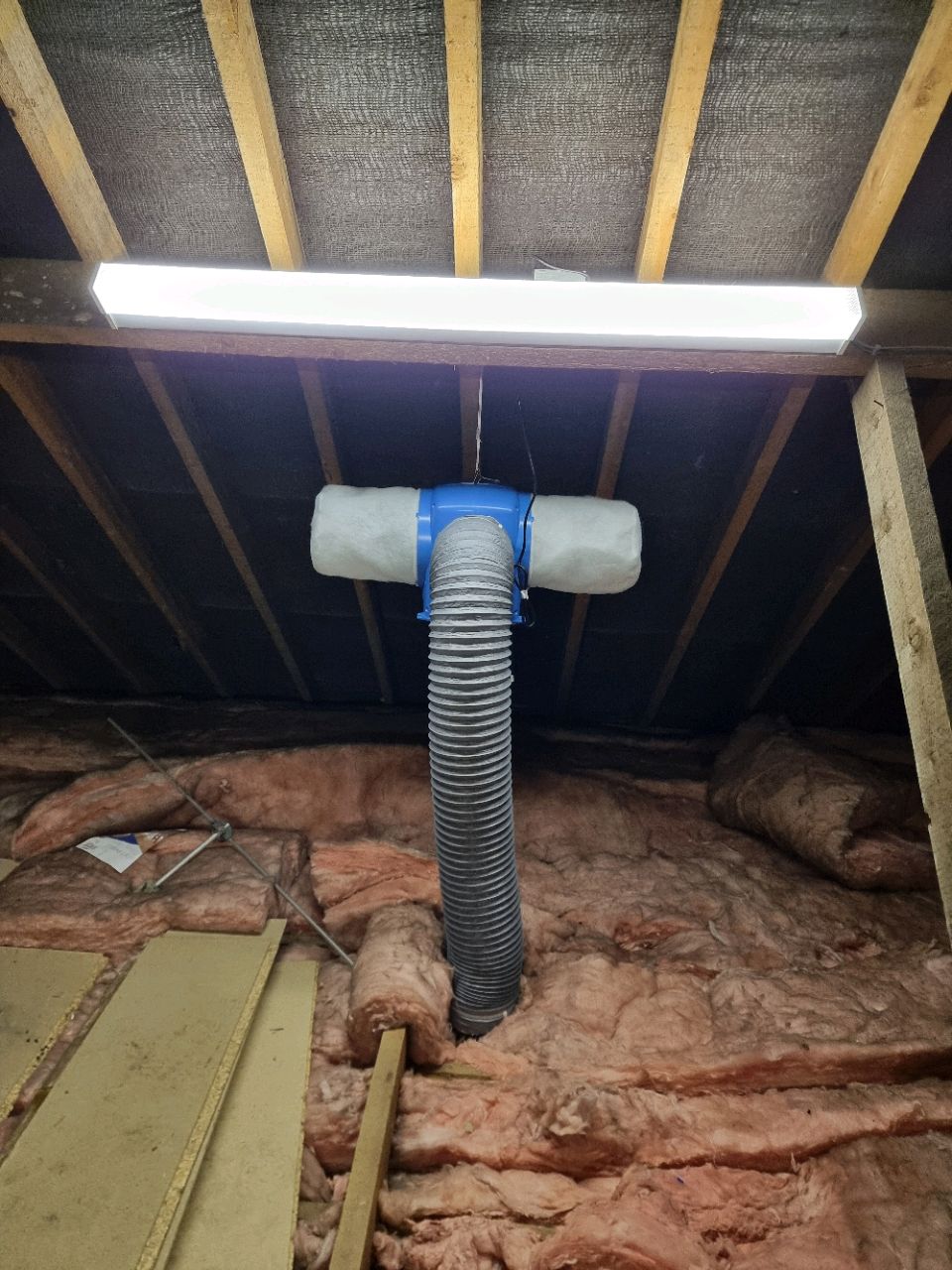
As shown in our recent installations, these units are typically fitted in the loft. When installed correctly by qualified electricians in Dorset, they can significantly improve air quality and protect your home's structural and electrical integrity by keeping the environment dry. A PIV unit should always be installed on its own dedicated circuit to ensure it doesn't overload existing lighting loops.
While visual checks are great, the most dangerous faults are the ones you can't see without specialist tools. This is why electrical safety poole and Dorset-wide homeowners should invest in an EICR (Electrical Installation Condition Report).
During an EICR, our team uses multimeters and insulation resistance testers to "stress test" your wiring. We look for:
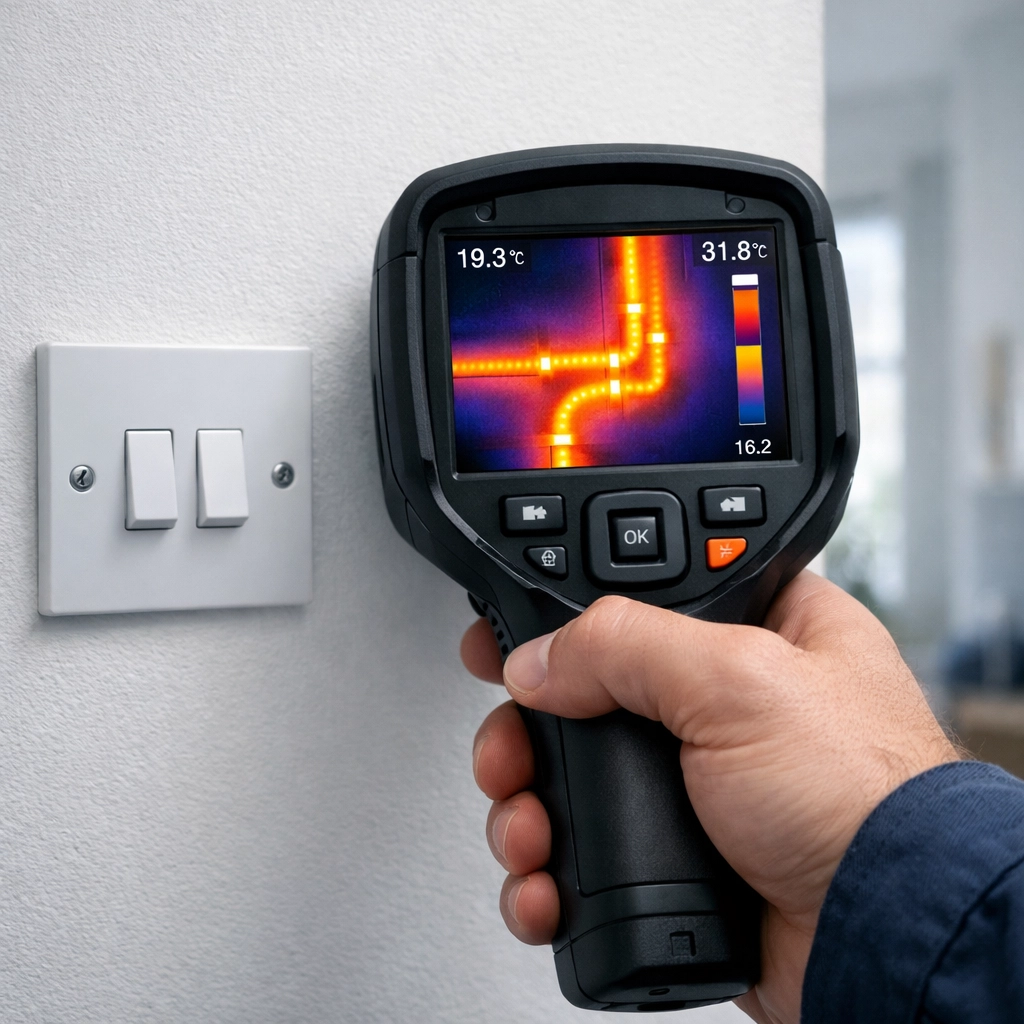
Using thermal imaging cameras, we can see "hot spots" behind walls that aren't visible to the naked eye. If a junction box is buried behind plasterboard and is overheating, we can find it before it sparks a fire.
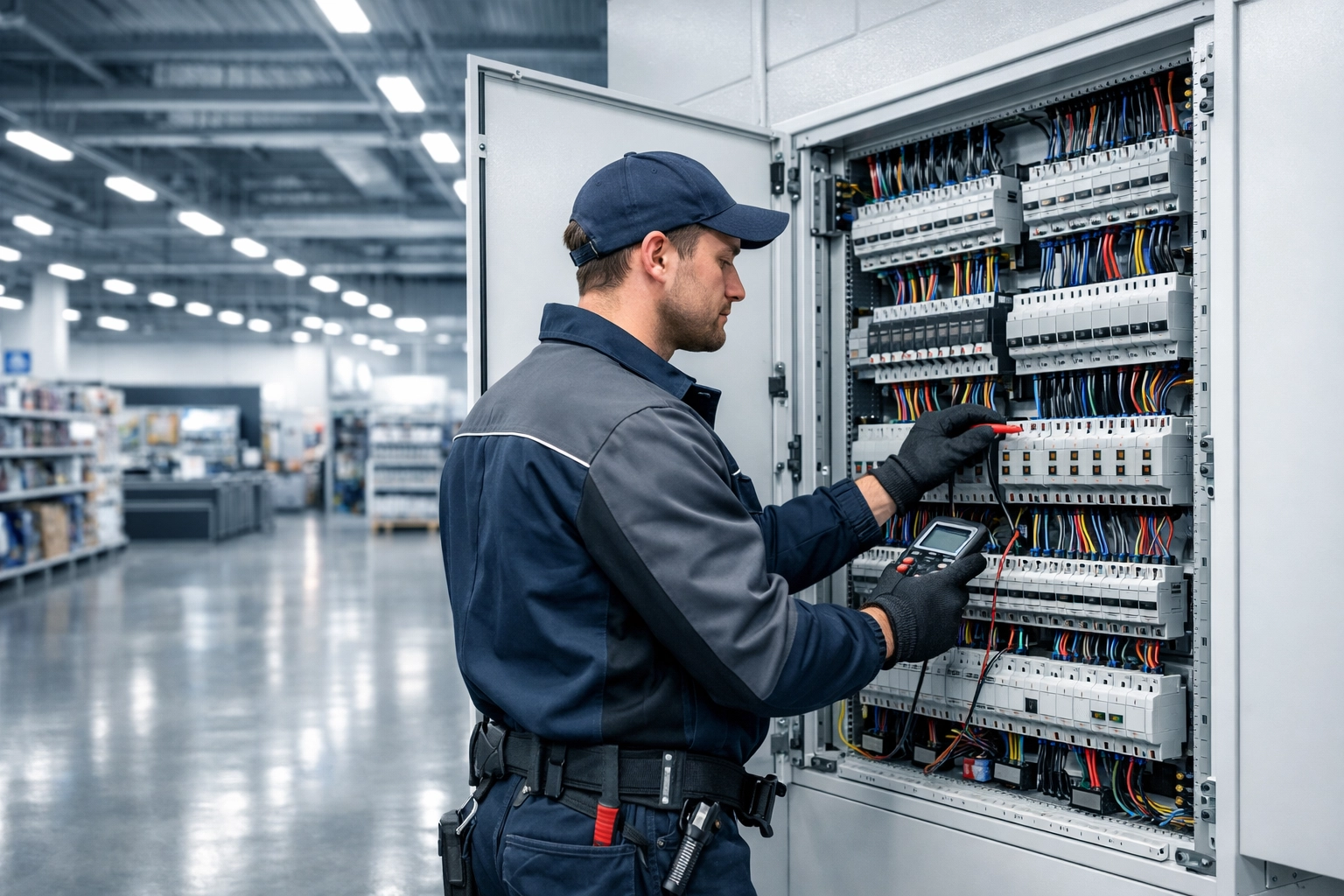
For business owners in Ferndown or Ringwood, the stakes are even higher. Commercial installations often involve three-phase power and much higher loads than domestic settings. An unsafe installation in a commercial kitchen or a retail unit doesn't just risk safety; it risks your livelihood.
Our commercial electrical services cover everything from emergency lighting testing to full shop fit-outs. We ensure that your business remains compliant with the Electricity at Work Regulations 1989. This includes regular PAT testing and ensuring that all distribution boards are correctly labelled and accessible. If your commercial premises hasn't had an inspection in the last five years, you are likely out of compliance and potentially uninsured in the event of an electrical fire.
The easiest way to end up with an unsafe installation is to hire an unregistered "handyman" for electrical work. In the UK, major electrical work must be carried out by a "competent person" registered with a scheme like NICEIC or NAPIT.
When hiring electricians in Dorset, always ask for:
To help you stay safe, here is a quick checklist of things you can check today:
If you find anything concerning, don't try to fix it yourself. Electrical work is not a DIY hobby. Our team covers all areas including Bournemouth, Poole, Ferndown, and Ringwood, ensuring that your home or business meets the highest safety standards.
We take pride in being a reliable partner for the Dorset community. Whether you are worried about an old fuse board or looking to install positive input ventilation to tackle a damp problem, we are here to help. Safety isn't just about following rules; it's about peace of mind. Knowing that your family or your employees are protected by a high-quality installation is worth the investment.
For more information on our services or to view our recent projects, feel free to browse our gallery or check our sitemap for specific service pages.
Stay safe, Dorset.
Dorset Electrical Solutions
Reliable. Local. Professional.