
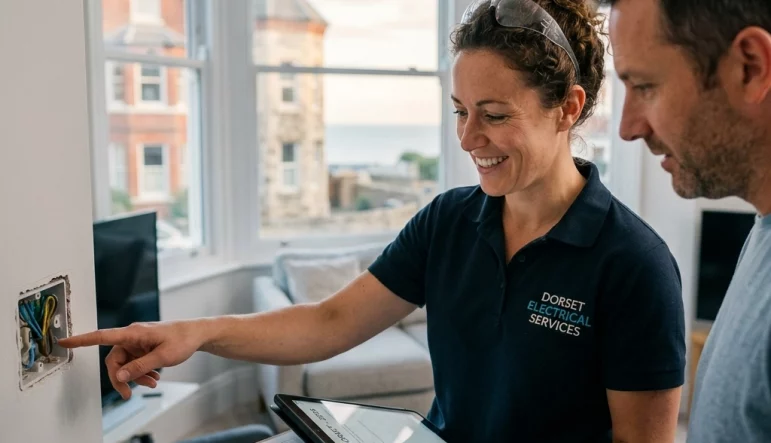
As we move through 2026, the landscape for rental properties in Dorset has never been more regulated. For landlords in Bournemouth, Poole, and the surrounding areas, staying on top of electrical safety isn't just about being a good host: it is a strict legal requirement. The Electrical Installation Condition Report (EICR) remains the gold standard for proving your property is safe, but we are still seeing many local property owners trip up on the details.
Failure to comply with the latest 18th Edition Amendment regulations can result in fines of up to £30,000 and, more importantly, put your tenants at risk. At Dorset Electrical Solutions, we’ve identified seven common mistakes Dorset landlords are making this year and, more importantly, how you can fix them before they become a costly problem.
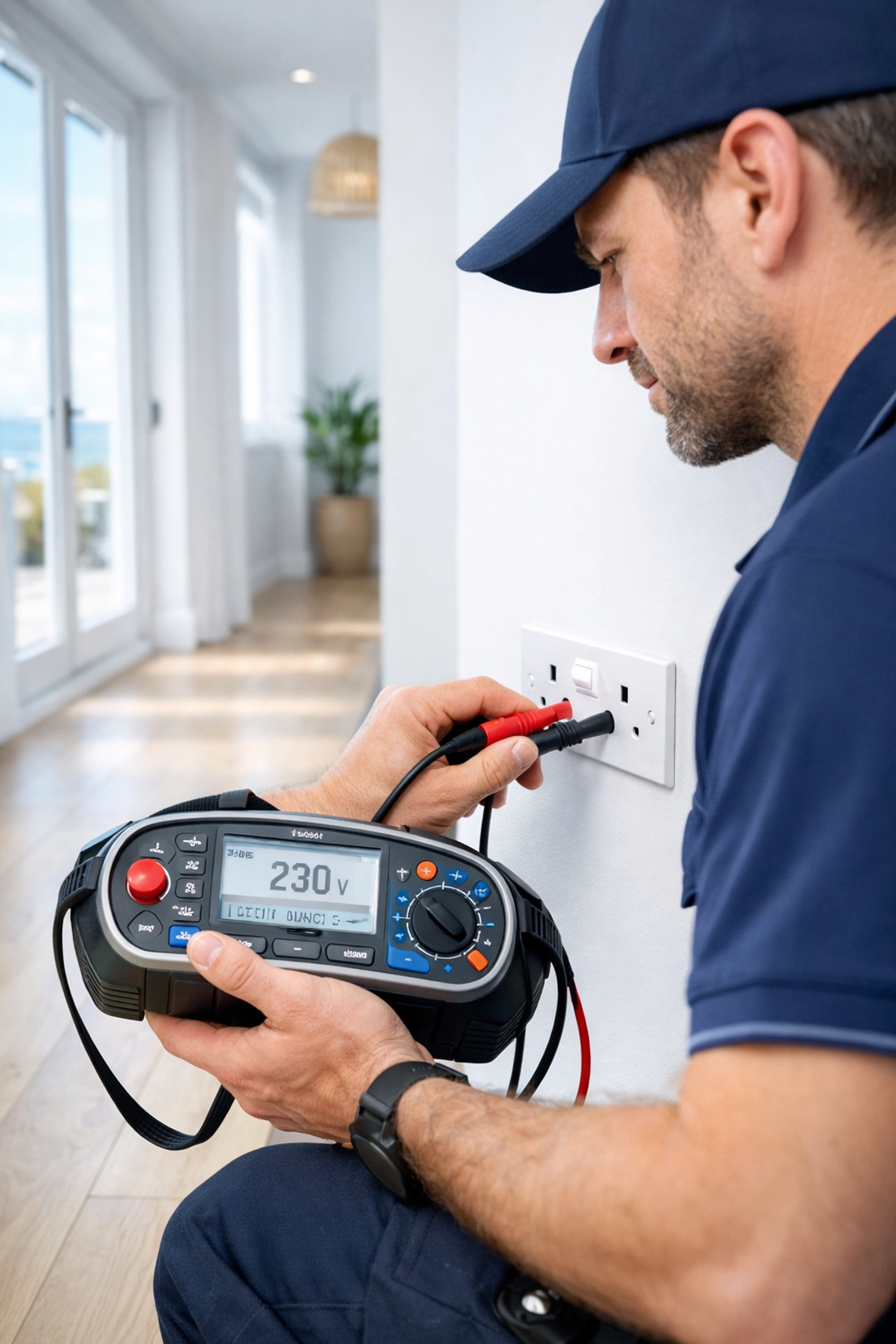
One of the most frequent errors we see in Ferndown and Ringwood is landlords hiring general tradespeople or unregistered electricians to carry out an EICR. In 2026, the criteria for a "competent person" are stricter than ever. A valid EICR must be completed by a qualified professional registered with a recognized body such as NICEIC or NAPIT.
If your electrician isn't qualified to the latest standards, your certificate is essentially a piece of scrap paper. Worse, insurance providers will often void your policy if a fire occurs and the last inspection was performed by an uncertified worker. Always verify that your electrician Dorset is fully insured and registered. We recommend checking the online databases for any contractor you hire to ensure they have the credentials to sign off on BS 7671 compliance.
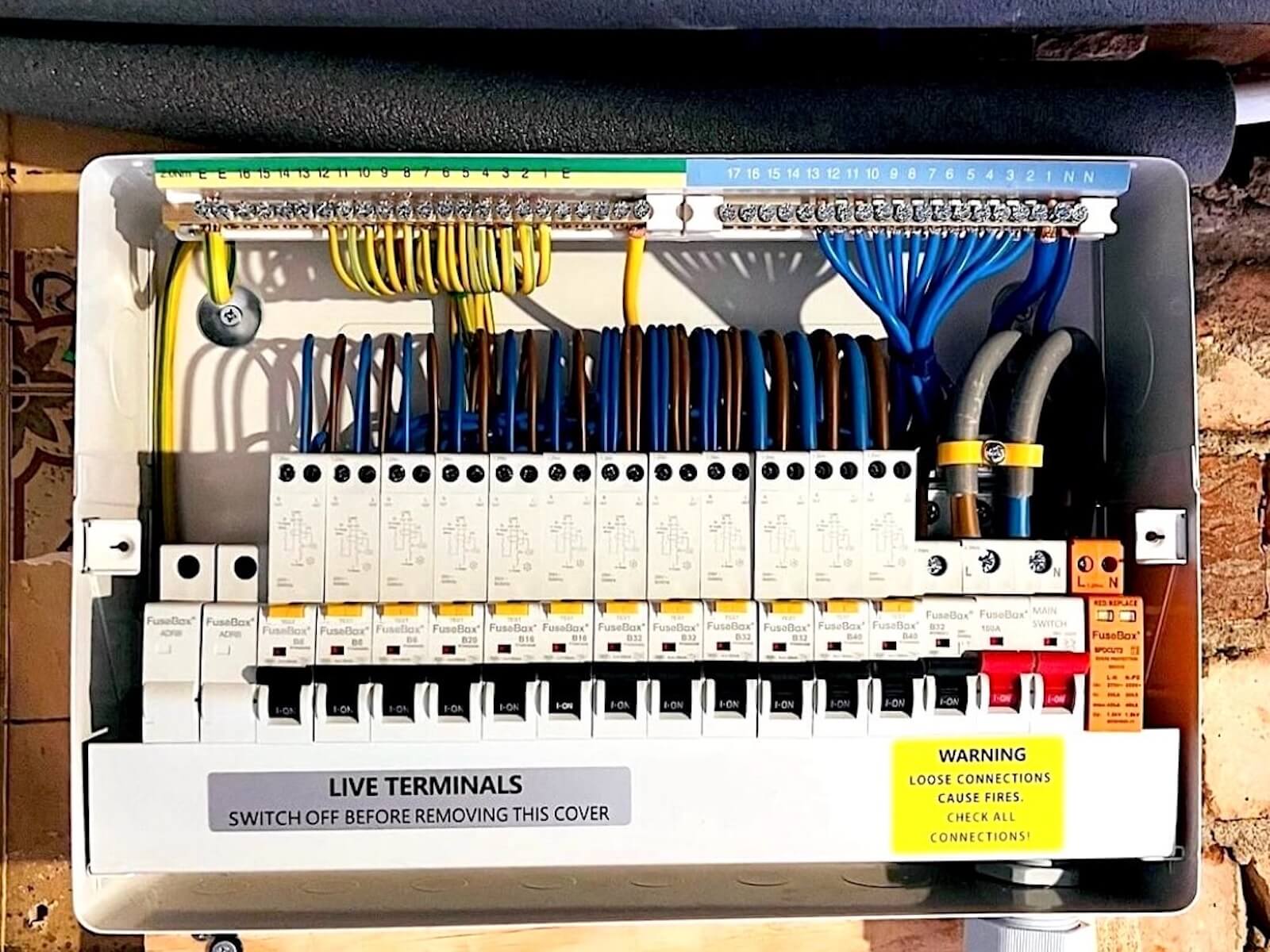
Receiving an EICR report is only half the battle. If your report comes back with "Unsatisfactory" codes: specifically Code C1 (Immediate Danger) or Code C2 (Potentially Dangerous): you are legally bound to fix these issues.
The mistake many landlords make is sitting on the report or waiting for the next tenancy break to address the faults. By law, you must complete remedial work within 28 days of the inspection. If a C1 code is present, the danger is immediate, and the power may need to be isolated right away. Once the work is finished, you must obtain written confirmation that the safety standards have been met. Keeping this paperwork alongside your original report is vital for your records and for the local housing authority.
The "five-year rule" is the maximum duration an EICR can remain valid for a rental property. However, we often find landlords in Poole and Bournemouth letting these certificates expire by a few weeks or months, assuming a "grace period" exists. There is no grace period.
Scheduling your inspection at least two months before the current one expires is the best way to avoid falling into non-compliance. In high-demand areas, the best electricians are often booked well in advance. Proactive scheduling ensures that even if remedial work is needed, you can get it done within the legal timeframe without rushing or overpaying for emergency call-outs. You can view some of our recent compliance work in our gallery.
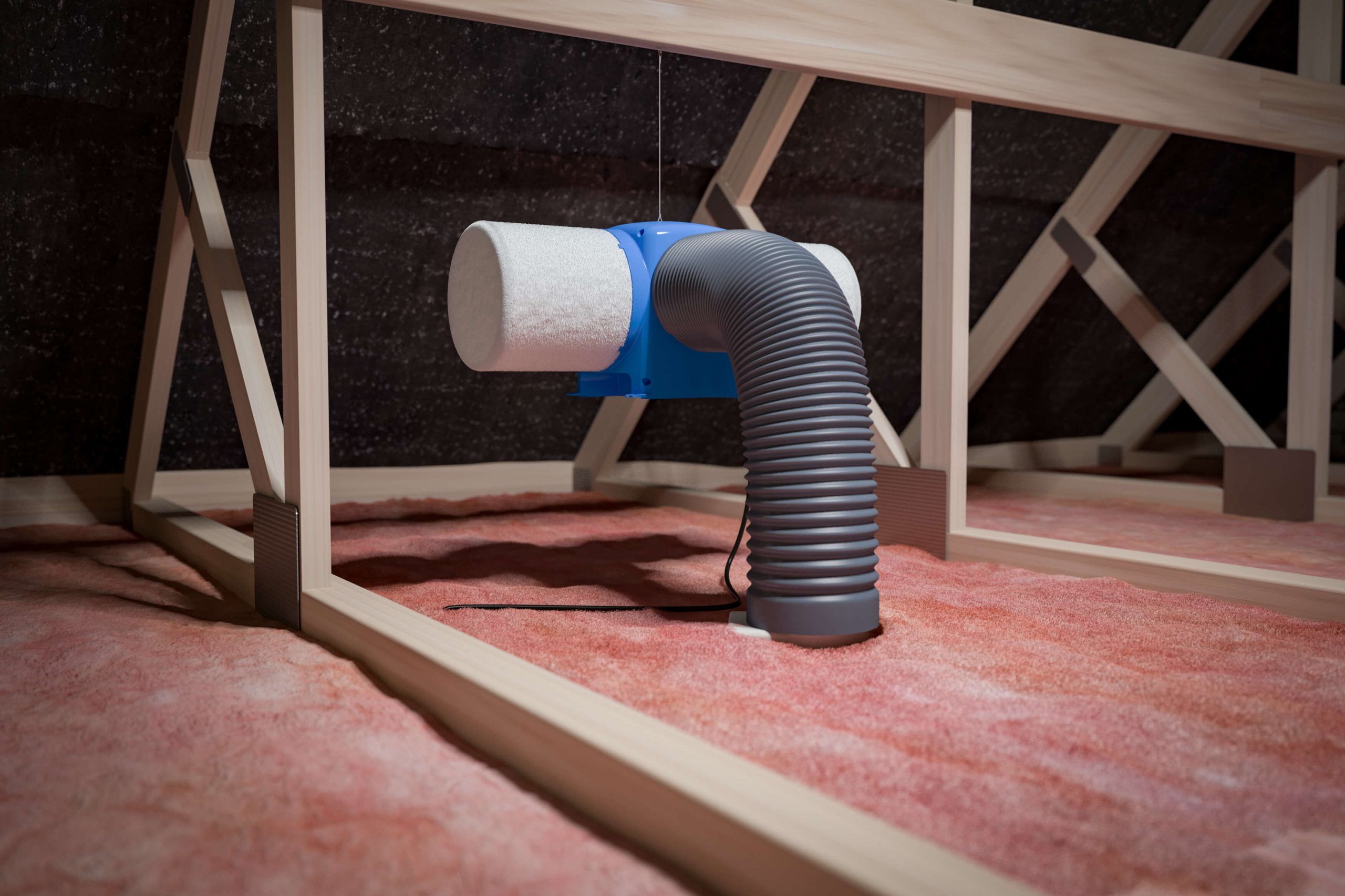
In 2026, the definition of a "safe" home has expanded. It’s no longer just about bare wires; it’s about the overall health of the environment. Many Dorset landlords fail their EICR or broader safety checks because they neglect the property's ventilation systems. Damp and mould are major issues in coastal towns like Bournemouth, and faulty extractor fans or blocked vents can lead to serious health hazards for tenants.
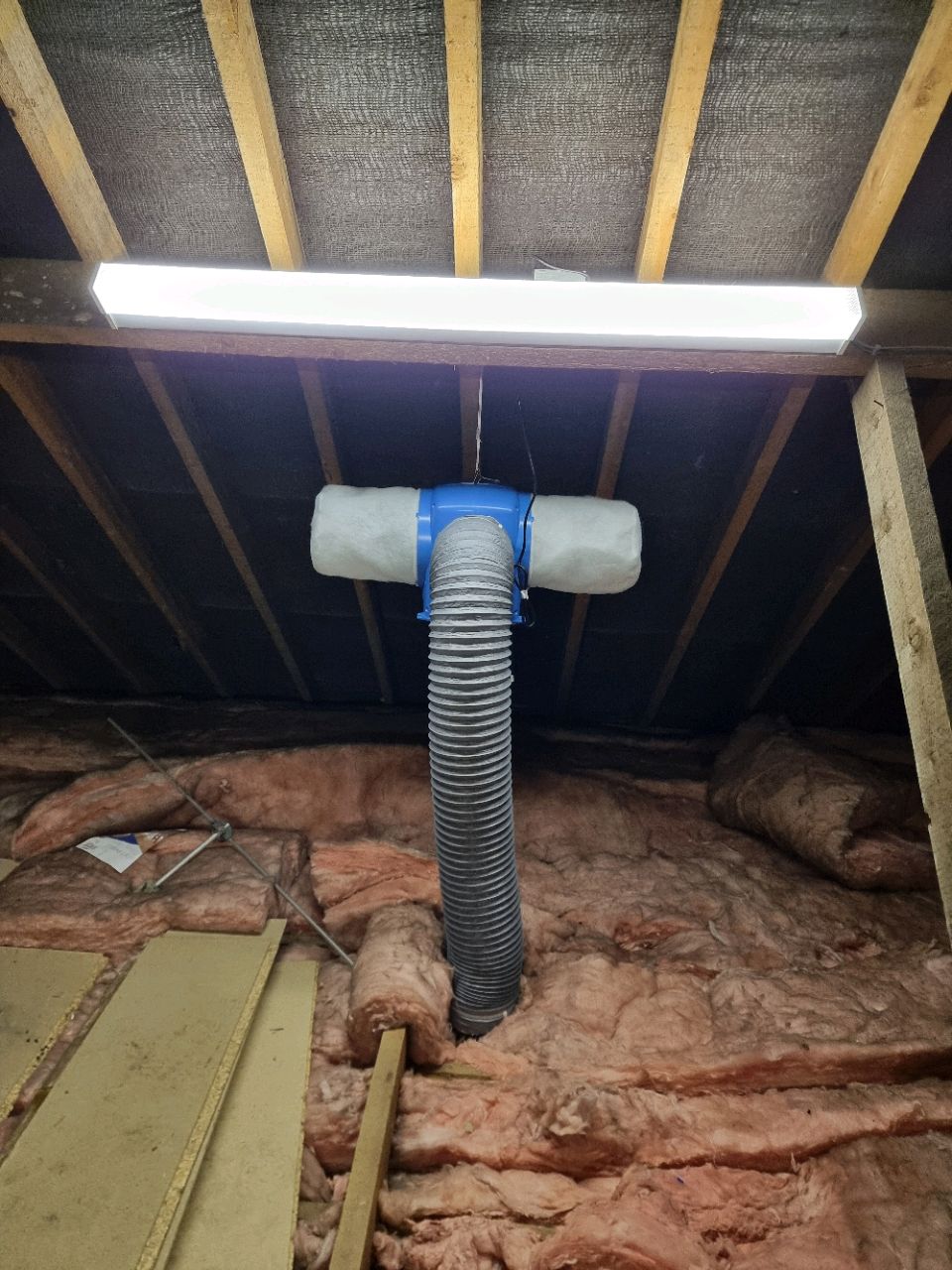
Integrating a PIV unit (Positive Input Ventilation) is becoming a standard solution for Dorset landlords. A PIV system works by drawing fresh, filtered air into the property, displacing the moisture-laden air that causes mould. During an EICR, we often find that old ventilation wiring is degraded. Ensuring your PIV unit is professionally installed and maintained is a key part of maintaining the property's electrical and structural integrity.
As electric vehicle adoption hits record highs in 2026, more tenants in Dorset are looking for properties that support their lifestyle. A common mistake is not considering how an EV charger installation affects the existing electrical system during an EICR.
An EV charger adds a significant load to your consumer unit. If you plan to install a charger for your tenants: or if they request one: your EICR needs to reflect that the system can handle the increased demand. Landlords who install chargers without a proper load assessment often face tripped breakers or, in worse cases, overheated wiring. If you’re looking to add value to your rental in Ringwood or Ferndown, ensure your EV charger installation is handled by experts who can integrate it safely with your current electrical setup.
This is a procedural mistake that often catches local landlords off guard. If your property receives an "Unsatisfactory" EICR and you subsequently carry out the required remedial work, you must notify the local housing authority.
For properties within the Dorset Council area, you are required to provide written confirmation of the completed works to both your tenant and the council within 28 days. Simply having the work done isn't enough; the paper trail must be completed. Failure to notify the council can trigger an investigation, leading to unnecessary stress and potential fines, even if the house is technically safe. We always advise our clients to send these documents via recorded delivery or confirmed email.
The pressure to minimize void periods is high, especially in the competitive Bournemouth and Poole markets. However, moving a new tenant into a property with an "Unsatisfactory" EICR is a major legal risk.
Even if you have booked the remedial work for the week after they move in, the property is legally considered "unfit" from an electrical safety standpoint the moment the report is issued with a C1 or C2 code. If an accident were to happen during those first few days, the landlord is fully liable. Always ensure you have a "Satisfactory" certificate in hand before the new tenancy agreement begins. This protects your investment and ensures your tenants' safety from day one.
The common thread in all these mistakes is a lack of proactive planning. Electrical safety shouldn't be an afterthought. Whether you are managing a single flat in Charminster or a large portfolio across Canford Cliffs and Branksome Park, the steps to compliance are clear:
At Dorset Electrical Solutions, our team is dedicated to helping landlords navigate the complexities of 2026 electrical regulations. We provide comprehensive EICR services, remedial works, and specialist installations like PIV systems and EV chargers across Bournemouth, Poole, Ferndown, and Ringwood.
Staying compliant doesn't have to be a headache. By addressing these seven common mistakes, you can ensure your rental properties remain safe, legal, and profitable for years to come. For more information on our services or to book an inspection, visit our main page or explore our post sitemap for more helpful guides.