
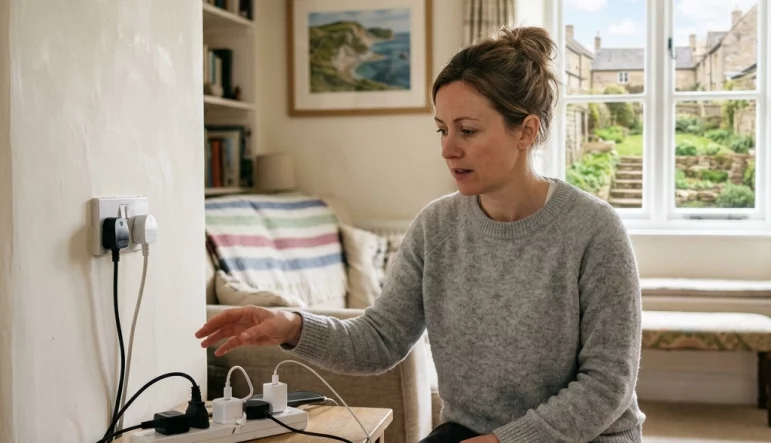
Maintaining a home in Dorset involves many responsibilities. From regular garden maintenance to ensuring the roof is watertight, the list of tasks is long. However, electrical safety is often overlooked until something goes wrong. Whether you live in a Victorian terrace in Bournemouth or a modern apartment in Poole, your home’s electrical system is its most critical infrastructure.
Mistakes in electrical safety are common. These errors range from simple habits to dangerous DIY attempts. Many homeowners in our region are unknowingly living with fire hazards or shock risks. As a leading electrician in Dorset, we see these issues daily. This guide highlights the most frequent mistakes and explains how to keep your household safe.
The "Do It Yourself" trend is popular, but electricity is not a hobby. Many homeowners attempt to save money by performing their own repairs or installations. This often leads to dangerous outcomes.
One frequent mistake is using incorrectly sized wire. Thin wire acts as a resistor when it carries too much current. This generates heat and can melt the cable insulation. Over time, this leads to structural fires behind your walls. We often find that DIY enthusiasts use whatever cable they have lying around rather than purchasing the correct gauge for the circuit.
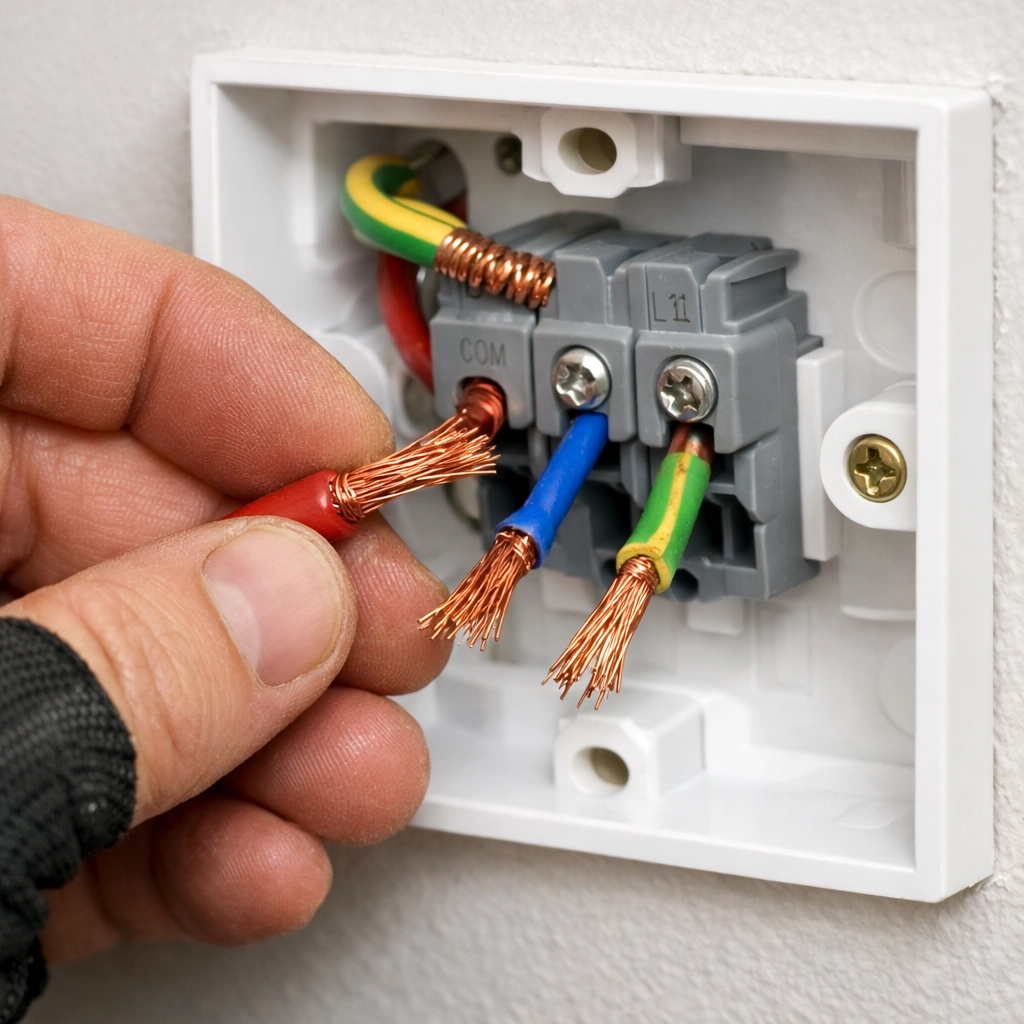
Stripping wires too far back is another common error. If you leave bare copper exposed outside of terminals or connectors, you create a major hazard. Exposed live wires can touch metal back-boxes. This makes the entire box live. Touching a switch plate or a screw on that box could result in a severe electric shock.
Our team frequently corrects "backstabbed" wiring. This occurs when wires are pushed straight into the back of an outlet rather than being wrapped securely around a screw terminal. These connections are notorious for loosening over time. Loose connections cause sparks, arcing, and eventually, fires. If you are looking for a reliable electrician in Bournemouth to check your DIY work, it is always better to be safe than sorry.
The consumer unit, or fuse box, is the heart of your electrical system. It is designed to protect your home from overloads and short circuits. However, many units in Dorset properties are outdated or incorrectly maintained.
A dangerous mistake we see is mismatched breakers and wiring. If a 30-amp breaker is installed on a circuit only rated for 20 amps, the safety mechanism fails. The wiring will melt before the breaker ever trips. This is a common issue in older Dorset homes where high-power appliances like electric showers or EV chargers have been added without upgrading the underlying infrastructure.
Double tapping is another significant risk. This involves inserting two separate wires into a single circuit breaker terminal. It is nearly impossible to tighten both wires equally. In our coastal environment, salt air can lead to minor corrosion over time. Unequal tightness causes arcing. This generates intense heat, chars plastic components, and can lead to a fire.
Poor circuit labelling may seem like a minor inconvenience, but it is a safety hazard. In an emergency, such as a smoking socket or a cut wire, you must be able to isolate the circuit immediately. If your labels are missing or incorrect, you lose vital seconds.
Many homes in Poole and Bournemouth were built before the era of modern technology. They often lack a sufficient number of wall sockets. This leads homeowners to rely heavily on extension leads.
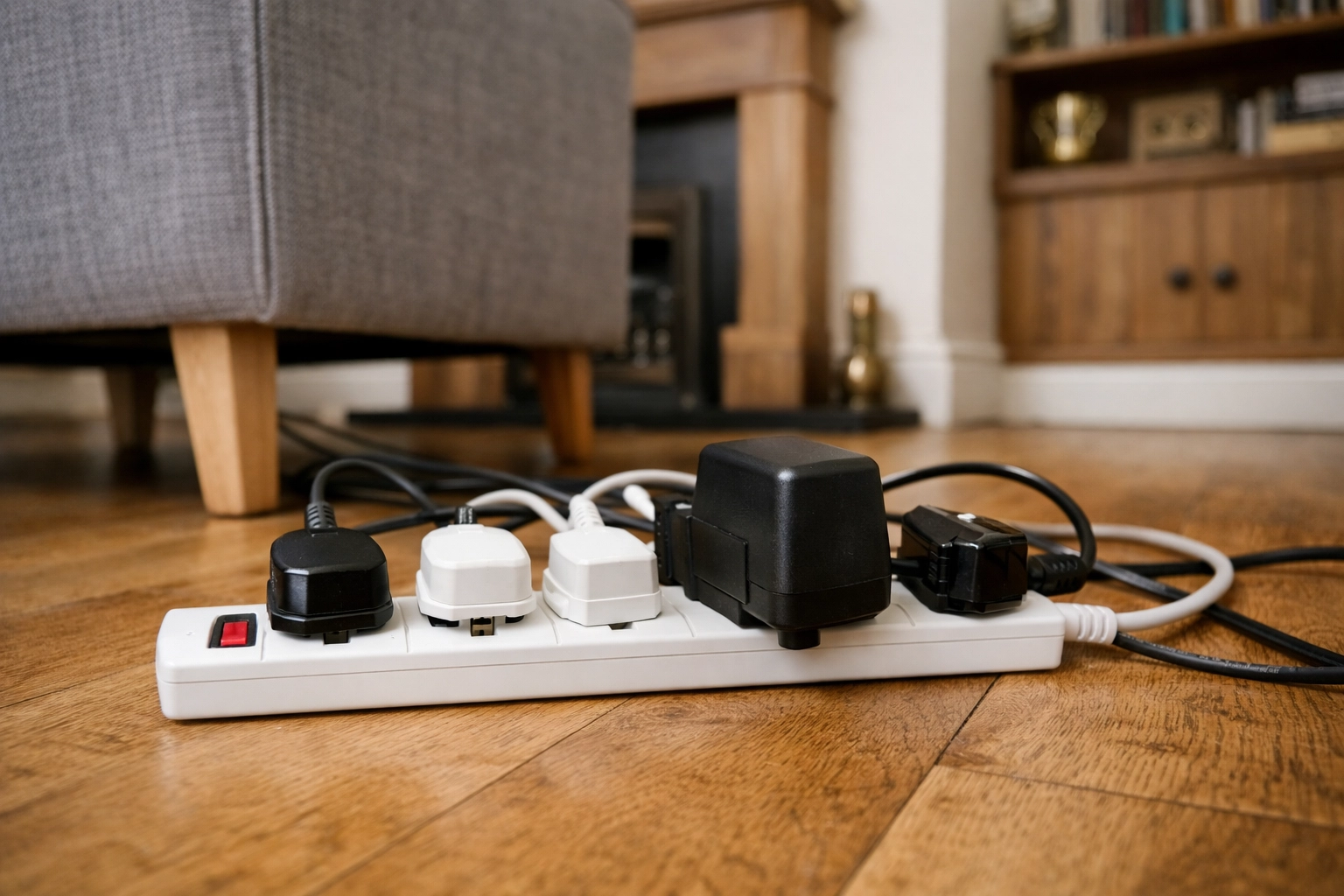
Overloading these leads is a major fire risk. Plugging multiple high-draw appliances: such as kettles, heaters, or hair dryers: into a single lead can cause it to overheat. This is particularly dangerous when leads are hidden behind sofas or under rugs where heat cannot escape.
Daisy-chaining is another frequent mistake. This is the practice of plugging one extension lead into another. It increases electrical resistance and significantly raises the risk of a fire. If you find yourself relying on extension leads permanently, it is time to call an electrician in Poole to install additional, permanent sockets.
A Residual Current Device (RCD) is a life-saving component. It is designed to detect a leakage of current and disconnect the power in milliseconds. This prevents fatal electric shocks.
Despite their importance, many older properties in the Dorset area still lack RCD protection on all circuits. Under current UK safety regulations, any new circuit or socket installation must be RCD-protected. Skipping this protection during a renovation is a breach of safety standards and puts your family at risk.
We recommend that all homeowners test their RCDs every few months using the "test" button on the consumer unit. If it does not trip immediately, the device is faulty and requires professional attention.
Dorset’s coastal location makes it susceptible to storms and lightning strikes. While RCDs protect people from shocks, Surge Protection Devices (SPDs) protect your electronics.
A power surge can be caused by lightning or issues on the grid. Without an SPD, a surge can fry expensive appliances, computers, and smart home systems instantly. With the rise of home offices and high-end entertainment systems, we are installing more SPDs for our clients to safeguard their investments.

Outdoor lighting and power are popular additions to Dorset gardens. However, outdoor electrics require specific precautions. Standard indoor sockets and fittings are not suitable for exterior use.
Water is a conductor. If moisture reaches internal wires through a damaged or incorrect fitting, it causes arcing and short circuits. All outdoor circuits should be RCD-protected and housed in weatherproof enclosures. We often see extension leads run through windows to power garden tools or lights. This is a temporary solution that frequently leads to accidents. Permanent outdoor power is a much safer alternative.
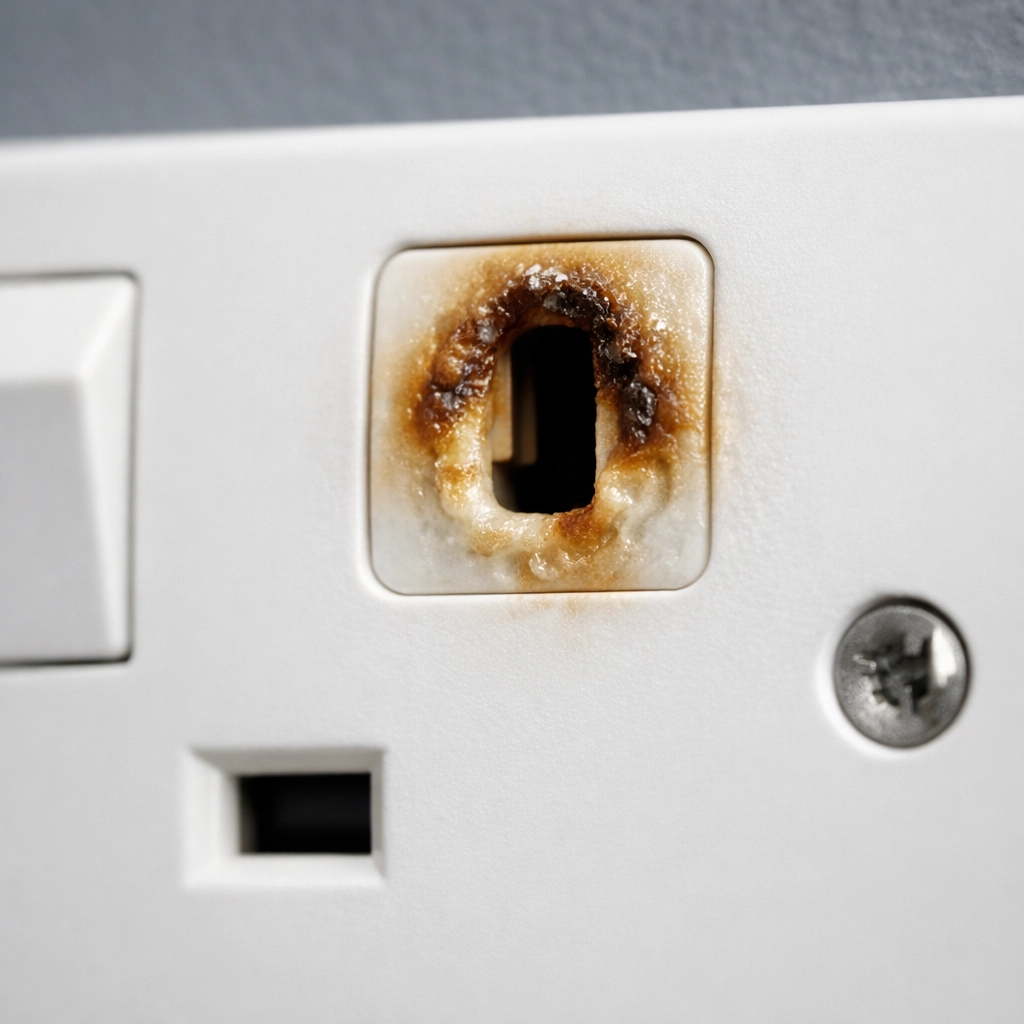
Your electrical system often provides warning signs before a total failure occurs. Ignoring these signs is a mistake that could lead to an emergency.
If you notice any of these signs, you should contact an emergency electrician in Bournemouth immediately. Prompt action can prevent a house fire.
In the UK, many electrical jobs fall under Part P of the Building Regulations. This means the work must be notified to the local building control department.
When you hire a professional team like Dorset Electrical Solutions Ltd, you receive an Electrical Installation Certificate. This document proves the work was carried out to the required safety standards and tested with specialist equipment.
Attempting DIY work or hiring an unqualified "handyman" means you will lack this certificate. This can cause significant legal issues when you try to sell your property. More importantly, without specialist testing, you have no way of knowing if your earthing is adequate or if your breakers will actually trip when needed.
At Dorset Electrical Solutions Ltd, our team prioritises safety above all else. We provide comprehensive electrical services across Dorset, Hampshire, and Wiltshire. Our experience allows us to identify hidden dangers that homeowners might miss.
We assist our clients with:
We ensure all work complies with the latest BS 7671 wiring regulations. Whether we are working on a small repair or a large-scale renovation, our focus remains on providing a safe and reliable electrical system for your home.
You can view some of our recent work in our gallery to see the standards we maintain.
Electrical safety is not an area where you should take risks. While it is tempting to try a quick fix or ignore a minor flicker, the consequences of electrical failure are too high. By avoiding these common mistakes and ensuring your system is maintained by a qualified professional, you can protect your home and your family.
If you have concerns about the wiring in your home or haven't had an inspection in several years, now is the time to act. Regular maintenance is far more cost-effective than dealing with the aftermath of an electrical fire or a serious shock.
Thanks – The team at Dorset Electrical Solutions Ltd