
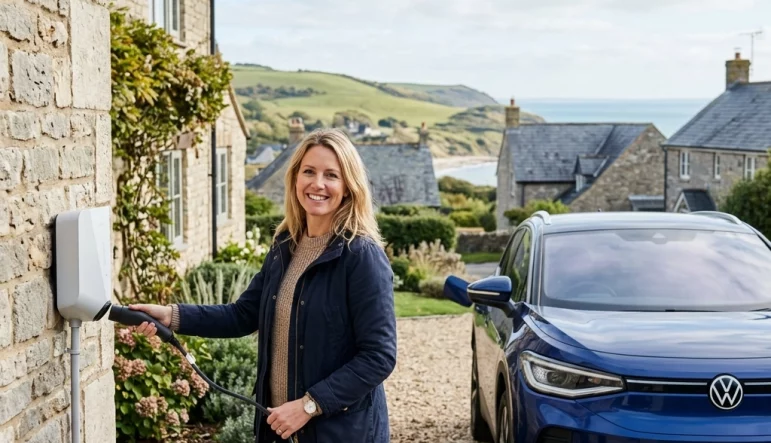
Electric vehicle adoption is increasing across the South Coast. Homeowners in Bournemouth, Poole, and Ferndown are transitioning to cleaner transport. A dedicated home charging point is the most efficient way to maintain an electric car. Relying on public infrastructure is often more expensive and less convenient. Selecting the correct charger and the right installer is necessary for long-term safety and performance.
Standard domestic sockets are not designed for the high loads required to charge an electric car for long periods. A dedicated EV charger installation provides a safer and faster alternative. These units are specifically built to handle high electrical currents. They include safety features like PEN fault protection and DC leakage detection. Our team handles the full technical setup for residential properties in Ringwood and surrounding areas.
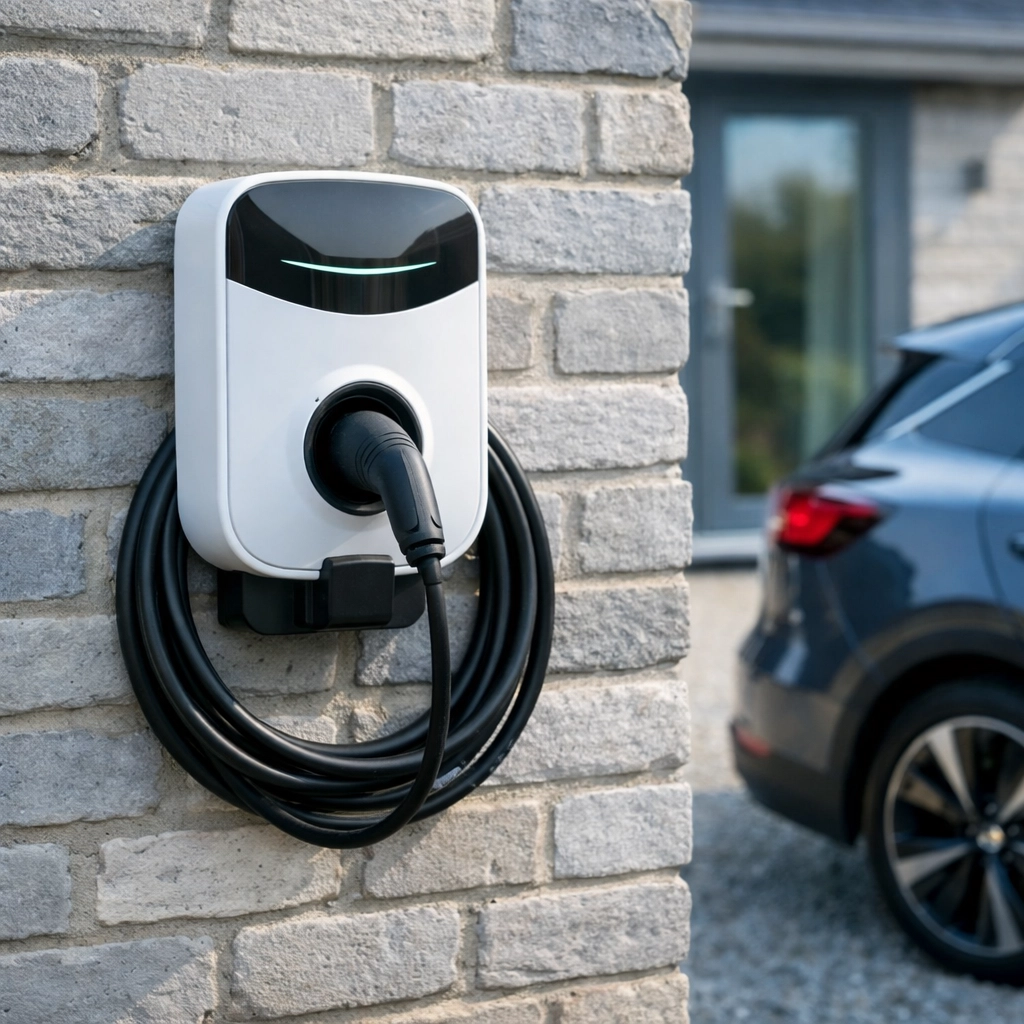
There are two primary types of home chargers: tethered and untethered. A tethered unit comes with a cable permanently attached. This is convenient because the cable is always ready to use. An untethered unit features a socket only. You must use your own cable, which usually comes with the vehicle. Untethered units offer a cleaner look on the wall when not in use. They are also more versatile if you change cars and require a different connector type in the future.
Regulations regarding EV charger installation are strict. The work must be carried out by a qualified professional. Choosing an electrician Dorset residents can rely on ensures the installation meets BS 7671 standards. Our technicians are OLEV-approved. This accreditation is often required to access government grants. It also guarantees that the installer has undergone specific training for electric vehicle supply equipment.
We perform comprehensive site surveys before any work begins. This includes checking the earthing system of the property. Many older homes in Dorset require an upgrade to their earthing or a dedicated earth rod for the charger. Modern chargers often include built-in O-PEN detection, which removes the need for an earth rod. We assess which technology is most suitable for your specific electrical setup.
Your home has a maximum electrical capacity, usually determined by the main fuse. Most UK homes have a 60A or 100A fuse. Adding a 7kW EV charger puts a significant load on this system. Our team checks the current demand of your appliances. If the total load exceeds the capacity of your main fuse, we install dynamic load management. This technology automatically reduces the power to the car if the house is using too much electricity, such as when the oven and power shower are running simultaneously.
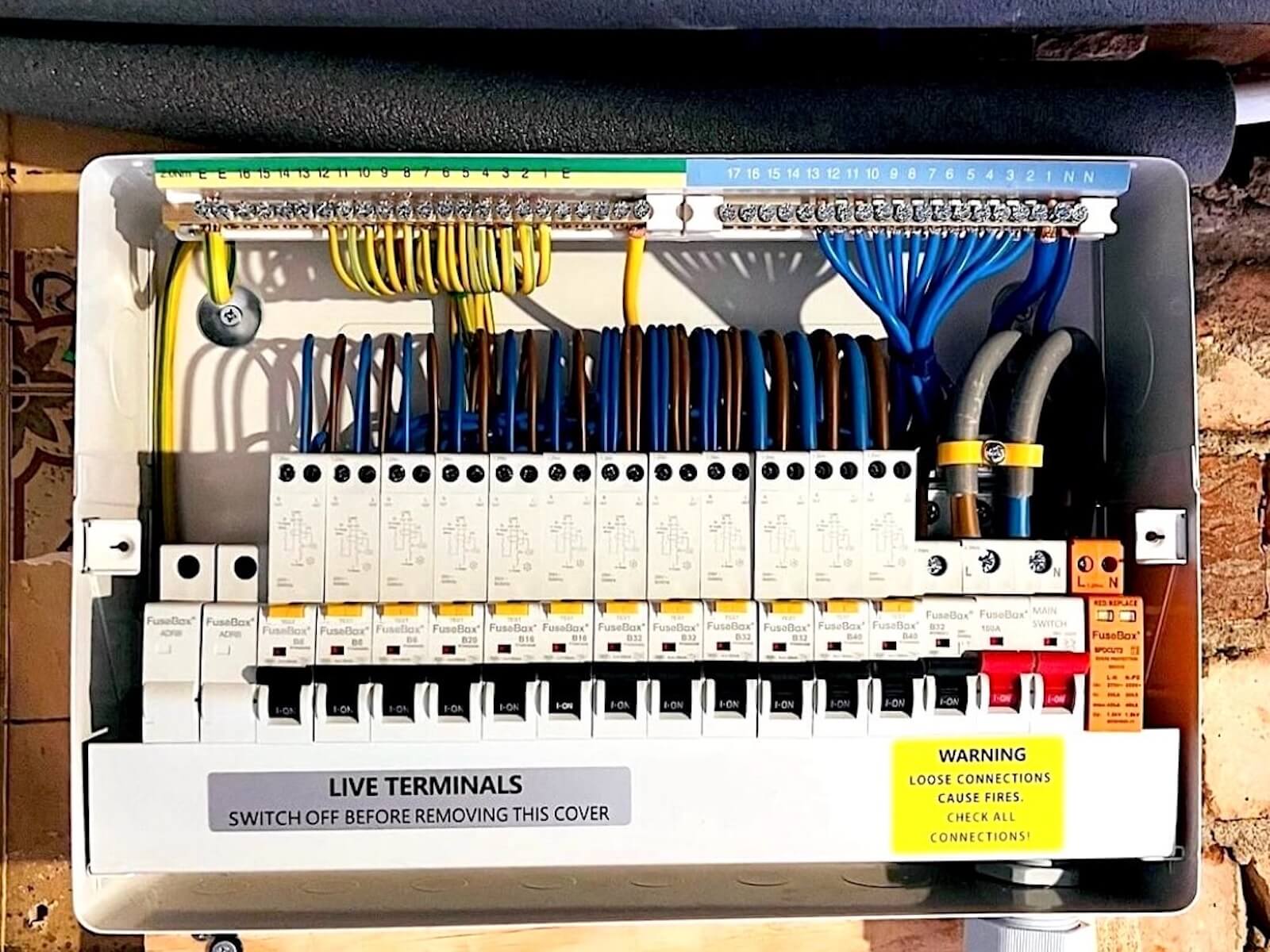
In some cases, the consumer unit (fuse box) may need an upgrade to accommodate the new circuit. A modern consumer unit with RCD protection is essential for safety. We ensure that the new EV circuit does not interfere with existing electrical installations.
Homeowners have several options when it comes to hardware. The Myenergi Zappi is a popular choice for those with solar PV installation Dorset. It allows the car to charge using only surplus energy from the sun. Other high-end options include the Hypervolt and the Easee One. These units offer smart features, including smartphone app control, scheduling, and energy usage tracking.
Smart charging is now a legal requirement for new installations. This allows the charger to communicate with the grid. You can set the car to charge during off-peak hours when electricity is cheaper. This reduces the strain on the national grid and lowers your monthly bills. We provide guidance on setting up these apps during the commissioning phase of the installation.
Our team operates daily across Bournemouth, Poole, Ferndown, and Ringwood. Local expertise is useful when dealing with regional grid variations. We are familiar with the different housing styles in Dorset, from modern apartments in Poole Quay to older detached homes in the New Forest. We provide a tailored approach to cable routing to ensure the installation is as discreet as possible.
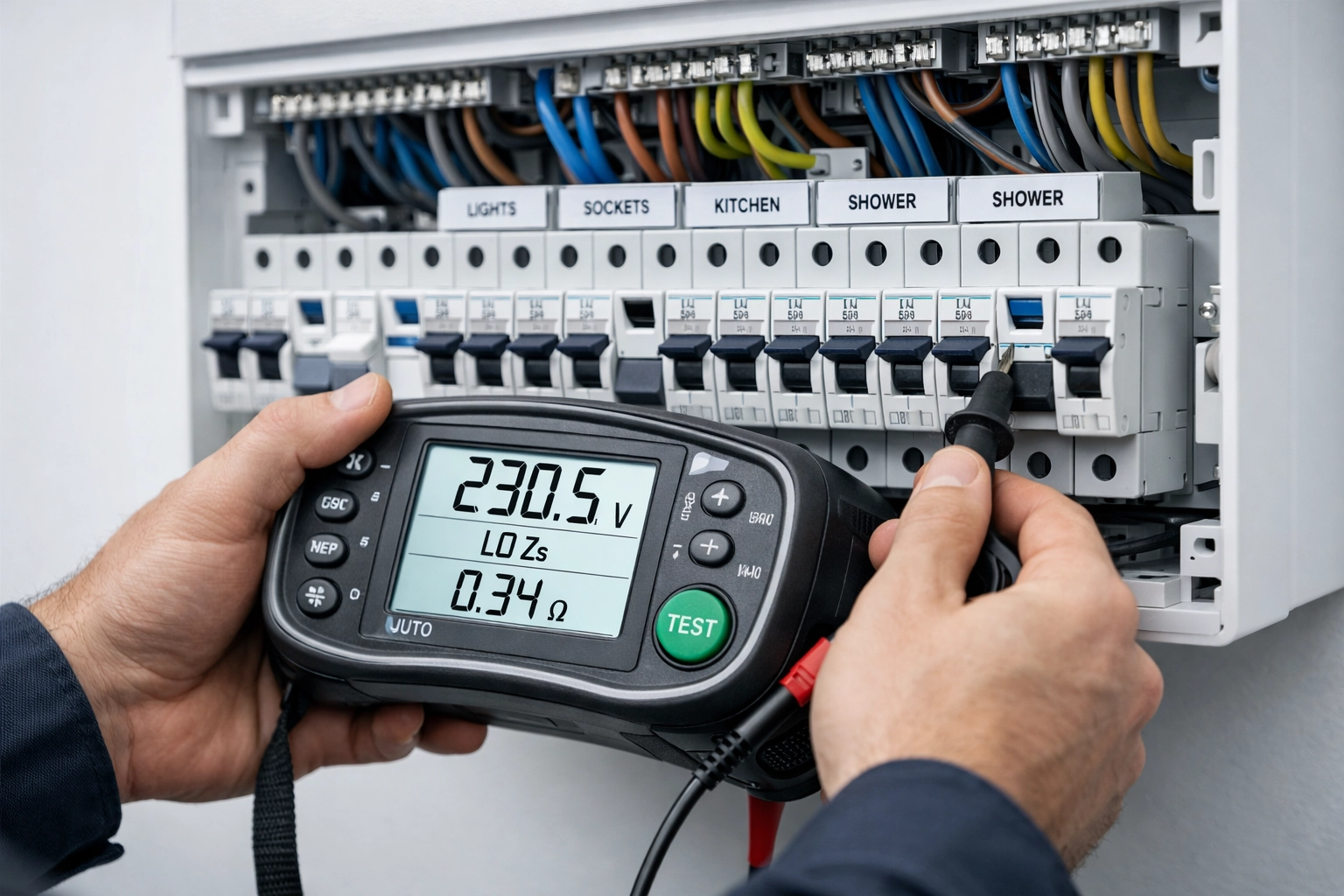
For those renting out properties in Dorset, different rules apply. Landlords are legally required to ensure the electrical safety of their properties. This involves regular EICR inspections. If you are a landlord installing an EV charger, the existing electrical system must be in good condition. We perform the necessary testing to ensure the property remains compliant with the Electrical Safety Standards in the Private Rented Sector (England) Regulations 2020.
Electrical services in Dorset often extend beyond vehicle charging. Many properties in coastal areas like Poole and Bournemouth suffer from high humidity. This can lead to damp and mould issues. We often install PIV unit systems alongside our other electrical work. A Positive Input Ventilation unit sits in the loft and gently pushes fresh, filtered air throughout the house. This prevents the condensation that causes mould growth.
Improving indoor air quality is a common request during home renovations. If we are already on-site for an EV charger installation, we can assess your ventilation needs. PIV units are an energy-efficient way to protect the fabric of your building and the health of the occupants.

The process starts with a digital or physical survey. We ask for photos of your consumer unit and the proposed location for the charger. Once the quote is accepted, we schedule the installation. The physical work usually takes between three and five hours.
Our team ensures the work area is left clean and tidy. We handle all the notification paperwork with the Distribution Network Operator (DNO). This is a legal requirement to inform them that a new high-load device has been added to the local grid.
The average cost for a professional EV charger installation in Dorset is approximately £1,000. This includes the hardware and the labour. Prices vary depending on the complexity of the cable run. Short runs are cheaper, while long runs requiring trenching or extensive internal work cost more.
While the main OLEV grant for single-unit homeowners has ended, there are still incentives for people living in flats or rented accommodation. Landlords can also access grants for multiple properties. We stay updated on the latest government schemes to ensure our customers get the best value. Home charging remains significantly cheaper than using public rapid chargers. The savings on fuel often pay for the installation within the first year of ownership.
Every installation we complete is fully certified. We provide a Part P building regulations certificate and an Electrical Installation Certificate (EIC). These documents are important if you ever decide to sell your home. They prove that the work was done by a competent person and meets national safety standards. We do not recommend DIY installation for EV chargers. The high voltages involved and the risk of fire or electric shock make it a job for professionals only.
Our team is currently working on several projects in the Ferndown and Ringwood areas. We are seeing a high demand for Zappi installations and consumer unit upgrades. Photos of recent projects will follow in our next update.
Thanks.