

Short answer: yes, you absolutely do.
If you're a landlord in Dorset: whether you've got a single buy-to-let in Bournemouth or a portfolio across Poole, Ferndown, and Ringwood: an EICR isn't something you can skip. It's the law. And the fines for getting it wrong can hit £30,000.
Let's break down exactly what you need to know for 2025 and 2026, so you can stay compliant without any nasty surprises.
An EICR (Electrical Installation Condition Report) is basically a health check for your property's electrical system. A qualified electrician inspects the fixed wiring, consumer unit, sockets, switches, and other permanent electrical installations to make sure everything is safe and up to standard.

At the end of the inspection, you get a report that grades the condition of your electrics. If there are any issues, they're categorised by how urgent they are: from "needs immediate attention" to "improvement recommended."
It's not the same as a PAT test (which covers portable appliances like kettles and lamps). The EICR is specifically about the fixed electrical installation in your property.
Since July 2020, all private landlords in England have been legally required to have a valid EICR for their rental properties. This isn't new, but the rules haven't gone away: and plenty of landlords still aren't fully aware of their obligations.
Here's what the law says you must do:
Get an EICR every five years (minimum)
Your electrical installation needs to be inspected and tested at least once every five years by a qualified and competent person. The report stays valid for that full five-year period: you don't need a new one every time a tenant moves out.
Give a copy to your tenants within 28 days
Once the inspection is done, you've got 28 days to supply a copy of the EICR to all existing tenants. For new tenants, you need to provide it before they move in.
Provide a copy to your local authority if asked
If BCP Council, Dorset Council, or whichever local authority covers your property asks to see your EICR, you've got seven days to hand it over.
Complete any remedial work within 28 days
If the report identifies problems that need fixing, you must arrange for a qualified electrician to carry out the work within 28 days: or sooner if the report specifies a shorter timeframe.

This is where it gets serious. Local authorities have proper enforcement powers, and they're not afraid to use them.
Fines of up to £30,000
If you fail to get an EICR, don't give copies to tenants, or ignore remedial work requirements, you could be hit with a civil penalty of up to £30,000. That's per breach, by the way: so multiple failings can stack up quickly.
The council can arrange the work themselves
If you don't carry out required remedial work, your local authority can step in, arrange for an electrician to do the work, and then recover the costs from you. You lose control of the situation entirely.
Problems with Section 21 notices
Without a valid EICR, you can't serve a valid Section 21 "no fault" eviction notice. If you ever need to regain possession of your property, not having the right paperwork will cause headaches.
Not every rental property falls under these rules. The following are exempt from EICR requirements:
If you've got a new build with an Electrical Installation Certificate (EIC), you won't need an EICR until five years after that certificate was issued. The EIC covers you until then.
For everyone else: which is most private landlords: the EICR requirement applies.
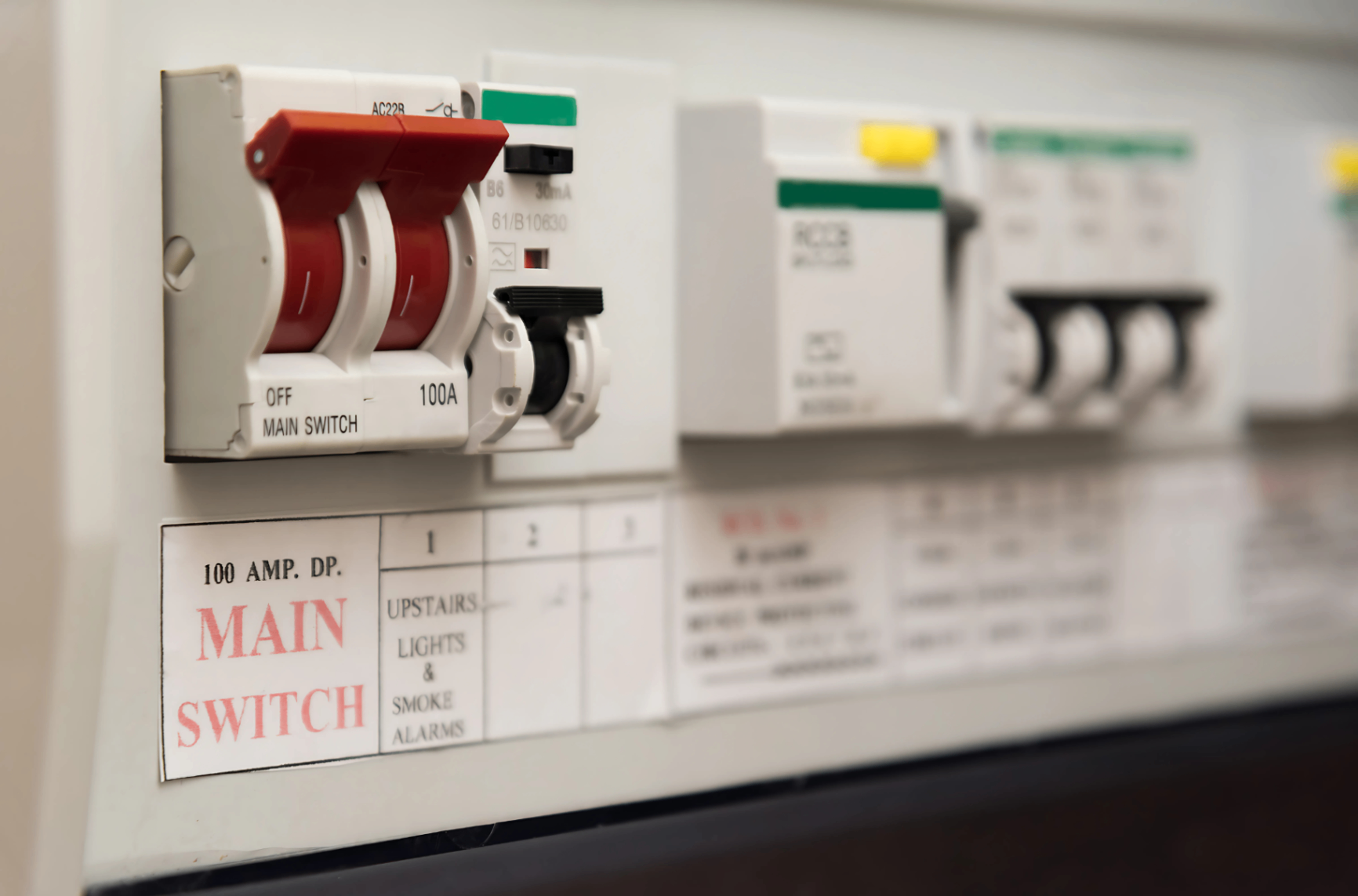
When our electricians carry out an EICR, they'll test and inspect:
The inspection usually takes between two and four hours for a standard property, depending on size and the number of circuits. Larger properties or those with older wiring may take longer.
Tenants don't need to vacate, but they do need to provide access to all rooms and not block sockets or switches with furniture.
The EICR uses a coding system to categorise any issues found:
C1 – Danger present: Immediate risk. Needs urgent action.
C2 – Potentially dangerous: Serious issue that needs fixing within 28 days.
C3 – Improvement recommended: Not a safety risk right now, but upgrading would be beneficial. This doesn't require action for compliance purposes.
FI – Further investigation: The electrician couldn't complete the inspection of a particular area. Needs follow-up.
If your report comes back with any C1 or C2 codes, you're legally required to have the work done. A C3 is advisory only, but worth considering: especially if you're planning to keep the property long-term.
Once remedial work is completed, the electrician will provide written confirmation, which you'll need to give to your tenants and keep for your records.
Look, the legal side is important: nobody wants a £30,000 fine. But there's a bigger picture here.
Electrical faults cause around 14,000 house fires in the UK every year. Faulty wiring, overloaded circuits, and deteriorating installations are genuine risks, especially in older properties. An EICR catches problems before they become dangerous.
It also protects you from liability. If something goes wrong and you can't demonstrate you took reasonable steps to ensure electrical safety, you could face much bigger legal problems than a fine.
And from a practical standpoint, tenants increasingly expect landlords to be on top of safety compliance. Having up-to-date certificates makes your property more attractive and demonstrates you're a responsible landlord.
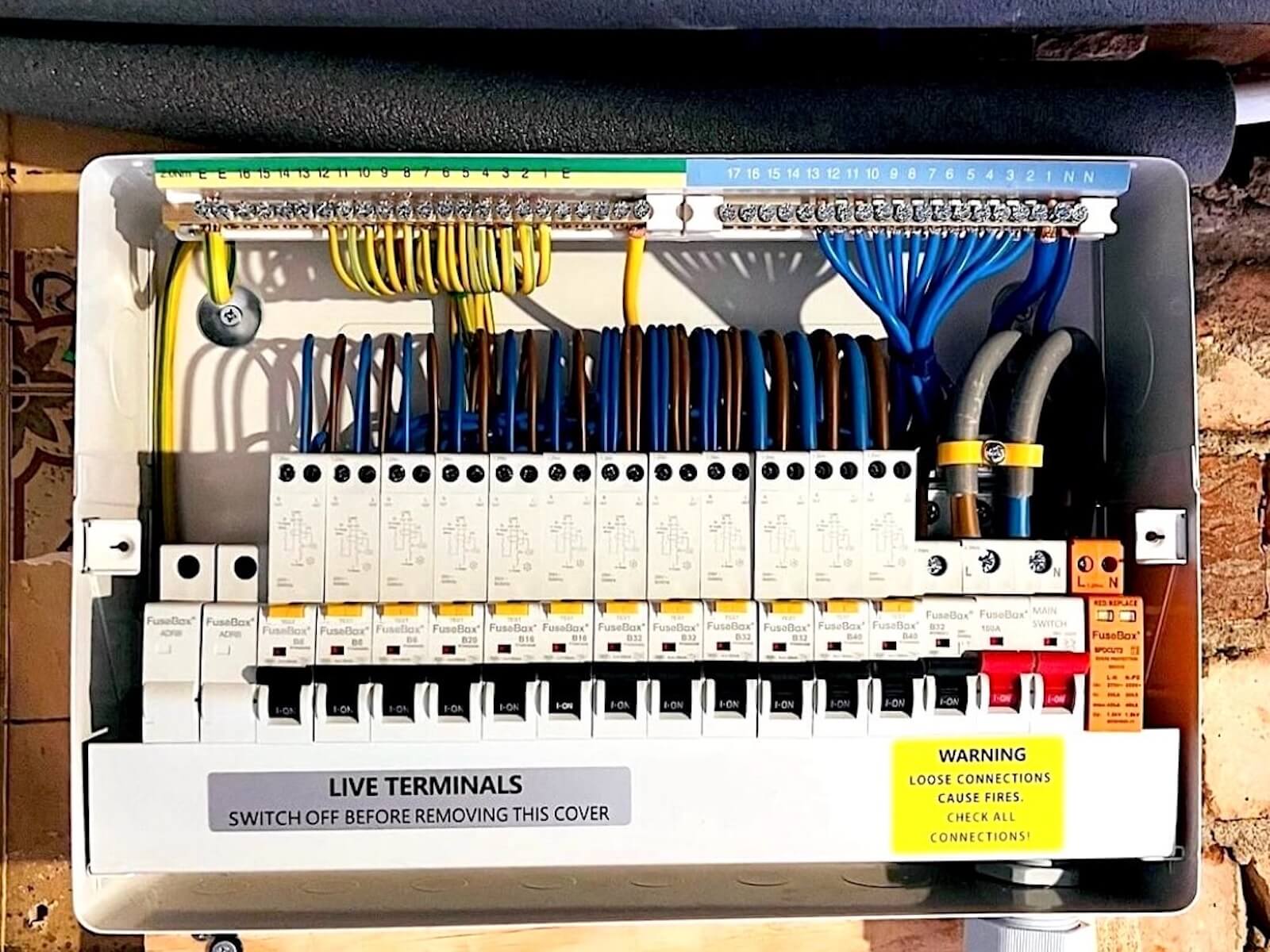
Our team carries out EICR inspections across Dorset, including Bournemouth, Poole, Ferndown, Ringwood, Christchurch, Wimborne, and surrounding areas. We've been providing these reports for local landlords for years and understand what's involved in keeping rental properties compliant.
We can usually book inspections within a week or two, and we'll work around tenant availability where needed. If any remedial work is required, we can handle that too: so you're not chasing multiple contractors.
Once the inspection is complete, you'll receive your report promptly, along with guidance on any next steps if issues are found.
Before your next tenancy or renewal, make sure you've covered these:
If you're unsure when your current EICR expires, or you've recently acquired a property and don't have one at all, it's worth getting it sorted sooner rather than later. The rules aren't going anywhere, and enforcement is only getting stricter.
For EICR inspections across Dorset, get in touch with our team at Dorset Electrical Solutions.