
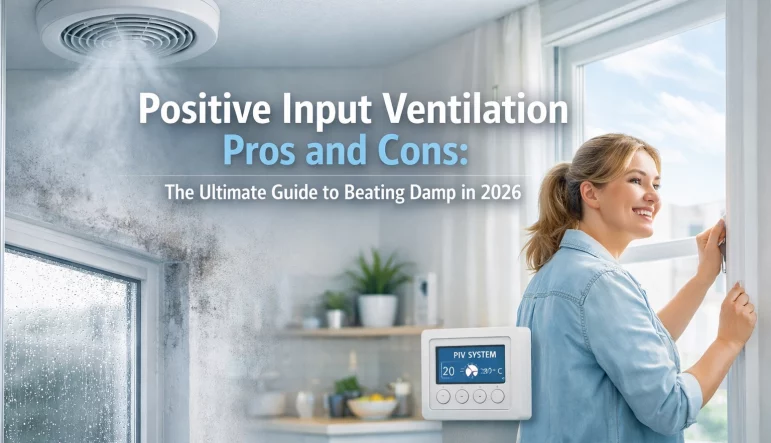
If you've been battling condensation on your windows, black mould creeping up the corners of your bedroom, or that musty smell that just won't shift, you've probably come across Positive Input Ventilation (PIV) systems in your research. They're everywhere in Dorset homes right now – and for good reason.
But here's the thing: PIV units aren't a magic fix for everyone. I've installed dozens of these systems across Bournemouth, Poole, and the surrounding areas, and I've seen both the brilliant success stories and the "why is my house freezing now?" phone calls.
So let's have an honest chat about positive input ventilation pros and cons. No sales pitch, no sugar-coating – just the real deal about whether a PIV system is right for your home.
Before we dive into the good and bad stuff, let's get clear on what we're talking about.
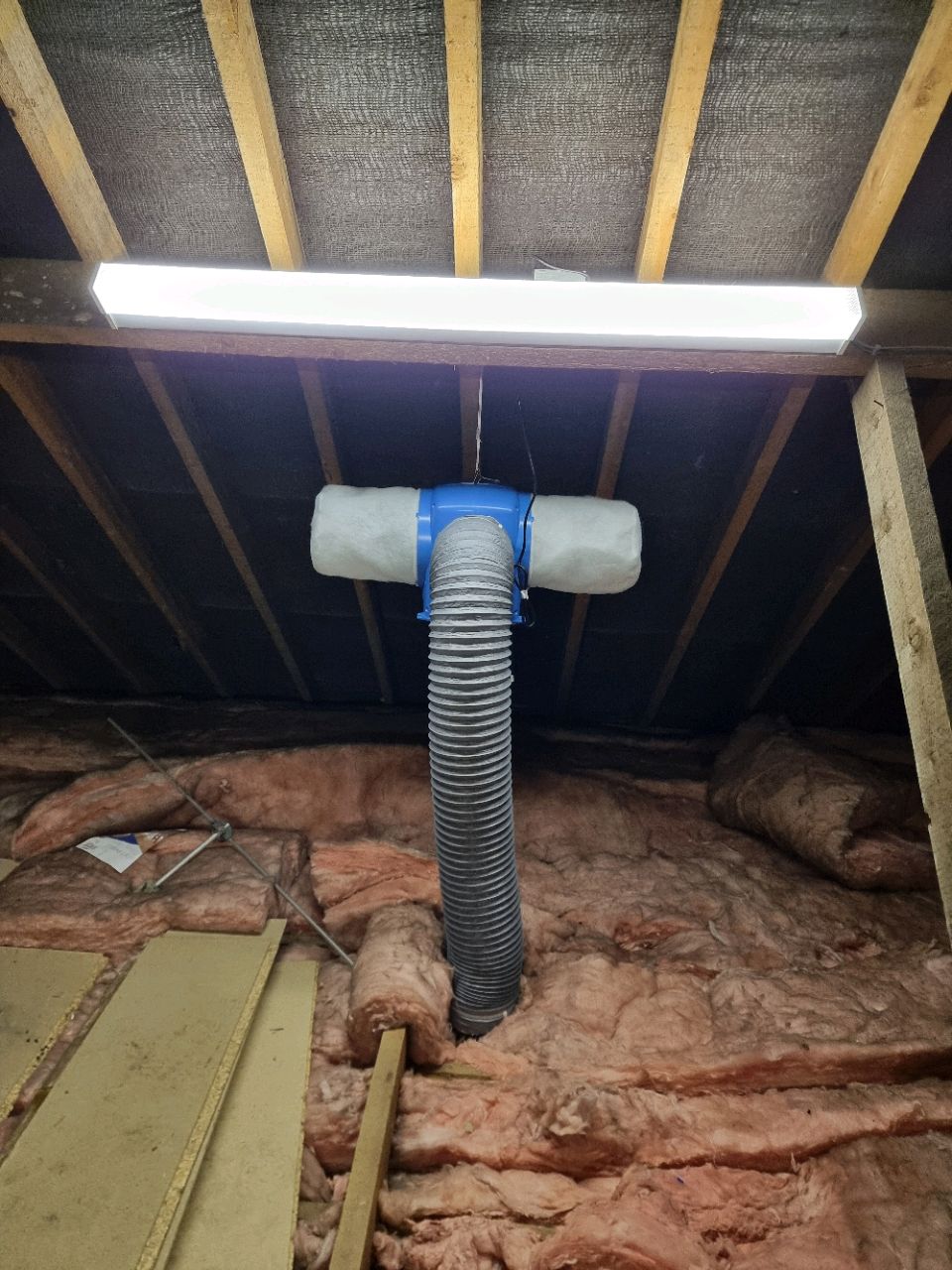
A PIV unit is basically a fan (usually mounted in your loft) that continuously pushes fresh, filtered air into your home. This creates a slight positive pressure inside, which forces stale, damp air out through natural gaps around windows, doors, and other leakage points.
Think of it like gently pressurising your house with fresh air, so the nasty, humid stuff has nowhere to go but out. Simple concept, but pretty clever when done right.
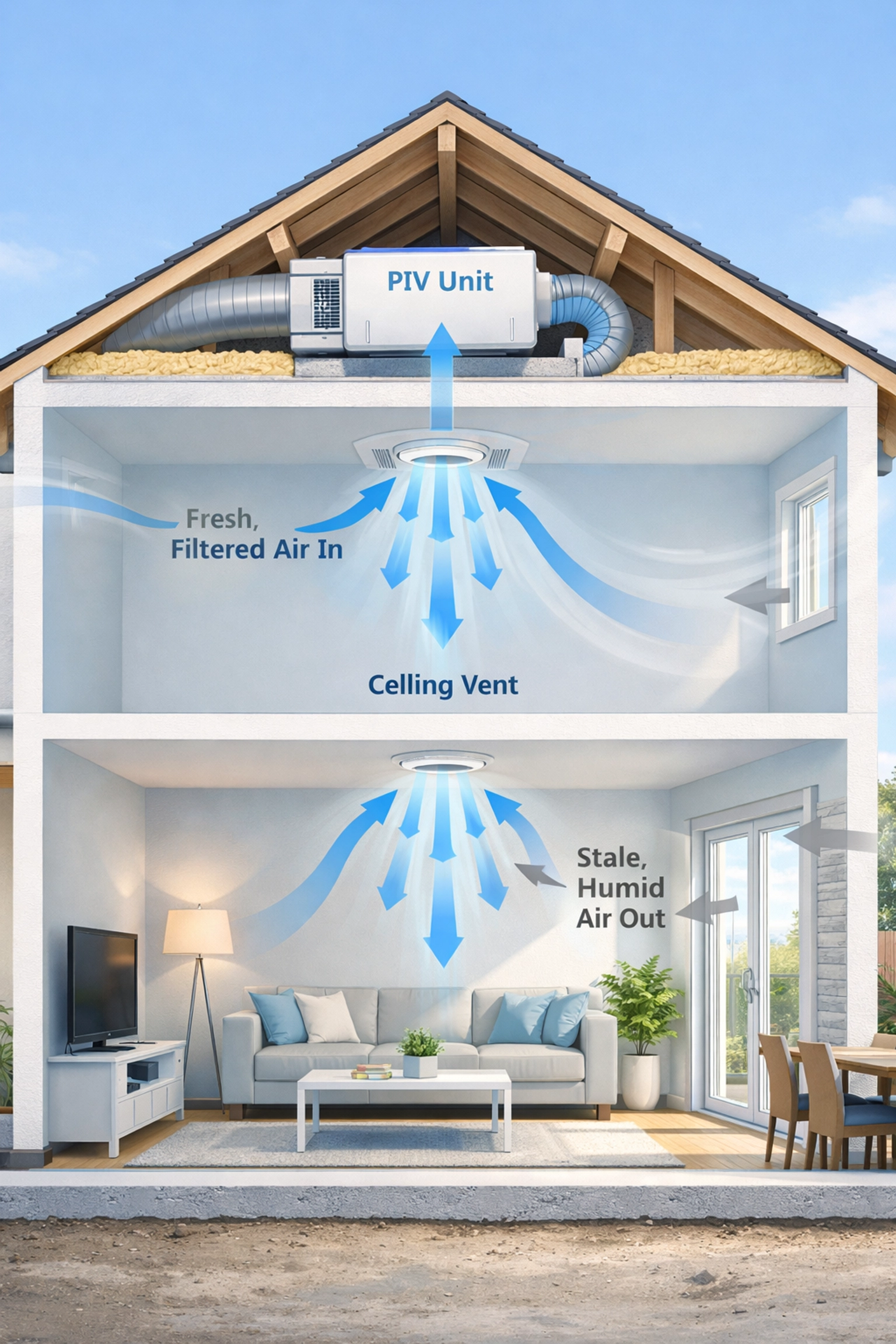
This is the big one. PIV systems are brilliant at tackling condensation because they introduce drier air from outside and push humid air out before it has a chance to condense on your cold walls and windows.
If you're waking up to dripping windows and black spots on the ceiling, a properly installed PIV unit can make a massive difference. I've had customers in Charminster and Bearwood tell me they've noticed changes within a week.
The air coming in through a PIV system is filtered. That means you're getting rid of:
Basically, you're breathing cleaner air all day, every day. For families with asthma or allergies, this can be genuinely life-changing.
Dust mites love damp, humid environments. PIV systems create the opposite – a drier, well-ventilated space where these little allergen factories struggle to thrive. If you've got kids with allergies or eczema, this is worth considering.
One of the best things about PIV systems? They're cheap to run. We're talking about £20-40 per year in electricity costs for most units. Compare that to constantly running dehumidifiers or dealing with mould remediation, and it's a no-brainer financially.
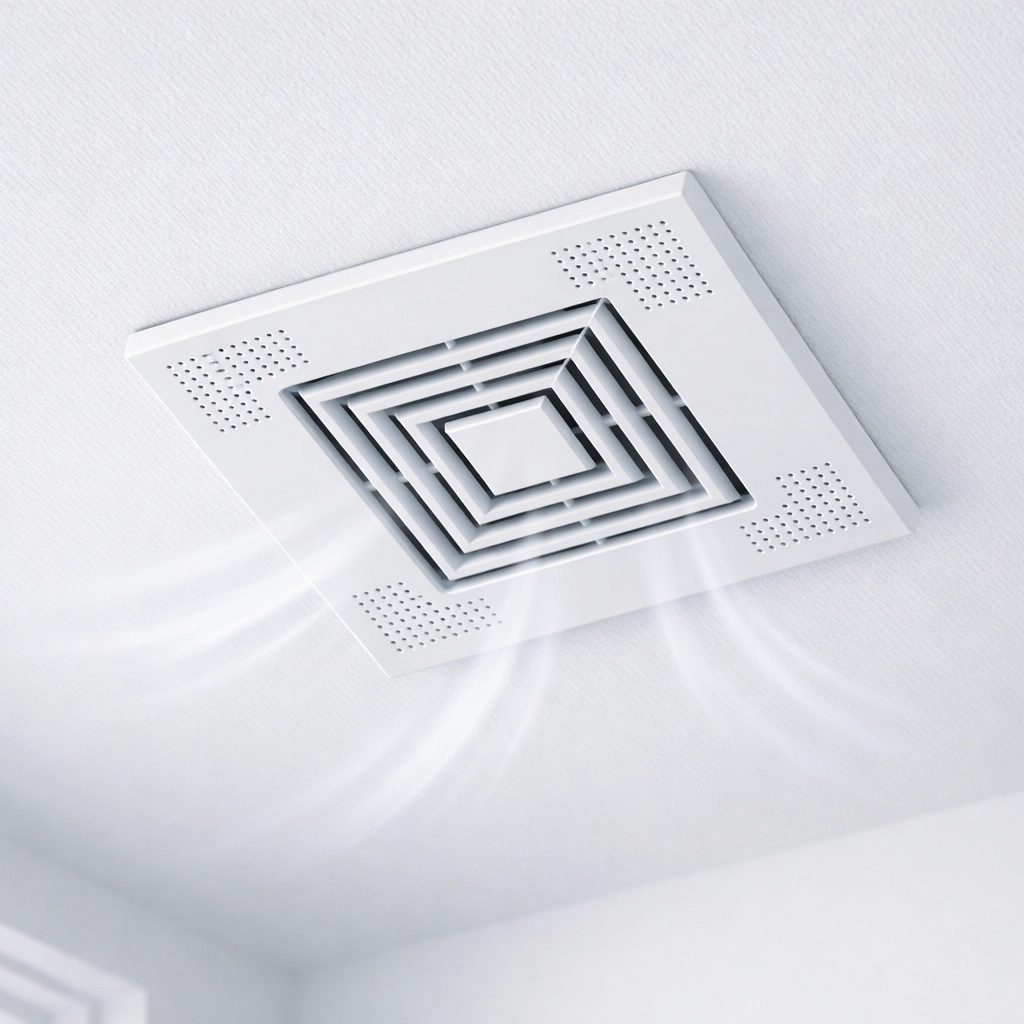
Quality PIV units are almost silent. You won't hear them humming away in the loft. The only time you might notice is if you stand directly under the ceiling vent, and even then it's just a gentle breeze of fresh air.
PIV systems meet Part F and Part L of Building Regulations, making them a legit ventilation solution. If you're doing renovation work or dealing with building control, this matters.
Got a flat with no loft? There are wall-mounted versions. Worried about cold air in winter? There are heated models that warm the incoming air. The technology has come a long way.
Right, here's where we get real. Because yes, there are downsides.
This is the complaint I hear most: "My PIV unit is making my house cold!"
And you know what? It's a valid concern. If you install a standard (non-heated) PIV system, you're pumping outside air into your home. In January in Dorset, that air is cold. Even though the unit is in your loft (where it's slightly warmer), you're still introducing cooler air into your living spaces.
The solution? You've got three options:
I always recommend heated units for Dorset homes. Yes, they cost an extra £200-300, but the difference in comfort is worth every penny.
A basic PIV unit might cost £300-500, but professional installation will add another £300-600 depending on your property. For a heated unit with full installation, you're looking at £1,000-1,500.
That's not cheap, especially if you're on a tight budget. But compare it to the cost of sorting out serious damp or mould damage (we're talking thousands), and it starts to make sense as a preventative measure.
PIV systems have filters that need replacing every 6-12 months. They're not expensive (£15-30), but if you forget to change them, your system becomes less effective. Worse, you're just circulating dirty air around your house.
Set a reminder on your phone. Seriously. I've visited homes where the filter hasn't been changed in three years, and it's absolutely minging.
Here's the hard truth: if you've got rising damp, penetrating damp from a leaking roof, or serious structural issues, a PIV system won't solve your problem. It only deals with condensation and airborne moisture.
Before installing a PIV unit, make sure you've ruled out other damp causes. Otherwise, you're just treating the symptoms, not the disease.
PIV systems rely on air escaping through natural gaps in your home. If you've got a super-modern, ultra-sealed property with triple glazing and no trickle vents, the system can't work effectively. The positive pressure has nowhere to go.
Sometimes we need to add additional vents or make other modifications, which adds to the cost.
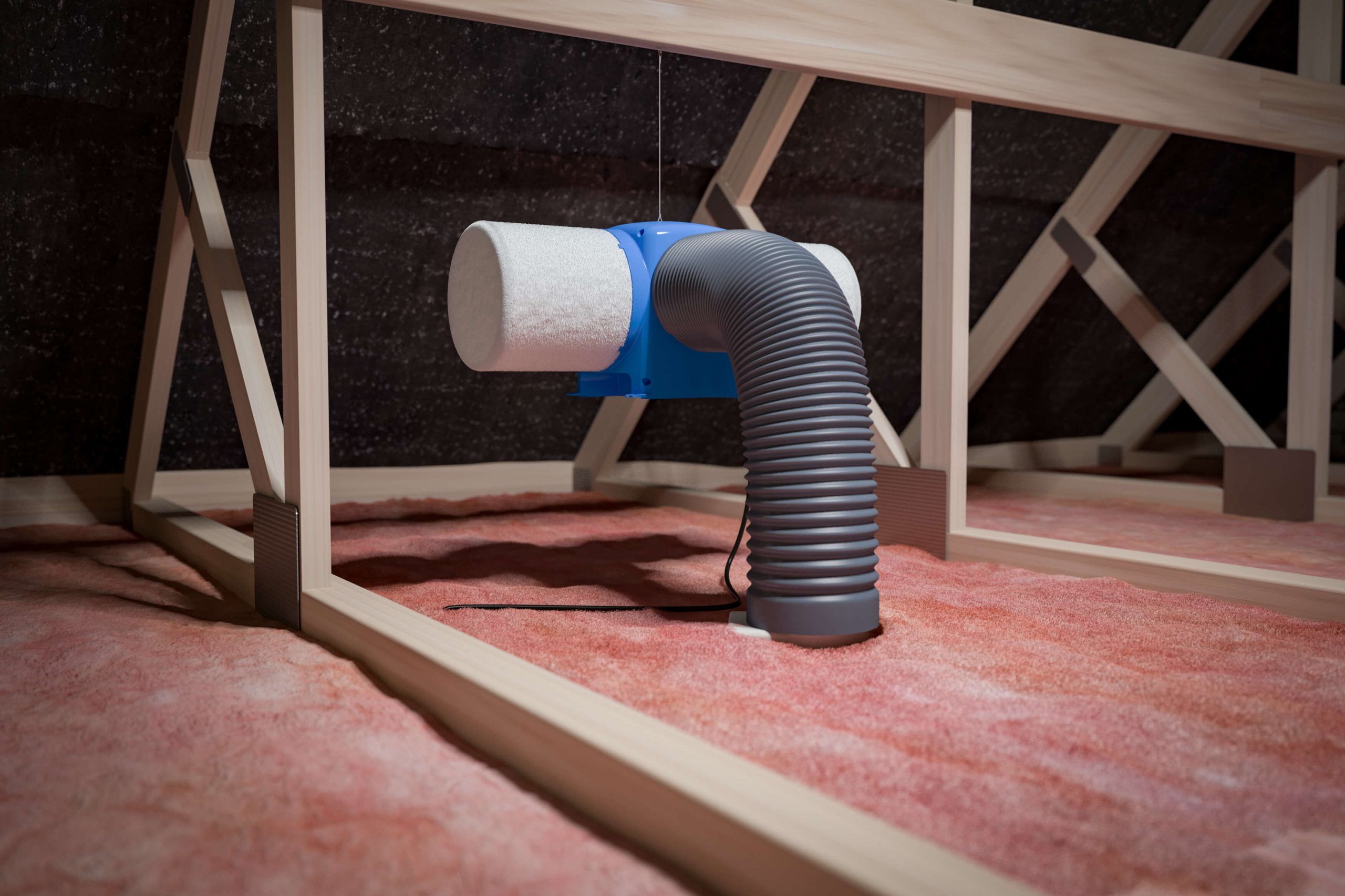
Because you're introducing fresh (cooler) air and pushing warm air out, your heating system has to work slightly harder to maintain temperature. With a non-heated PIV unit, some homeowners notice a 5-10% increase in heating costs during winter.
Again, heated PIV units largely solve this problem. But it's something to factor into your decision.
After everything I've said, here's my honest take:
PIV systems are brilliant for homes with condensation and mould problems, especially if you've got:
But they're probably not right if:
Positive input ventilation pros and cons come down to this: they're an excellent long-term solution for condensation and indoor air quality, but they're not miracle workers and they do have running costs (especially if you want heated air in winter).
If you're in Bournemouth, Poole, or anywhere across Dorset and you're thinking about getting a PIV system installed, don't just buy the cheapest unit and DIY it. Get a proper assessment of your property first. Sometimes you need a heated unit. Sometimes you need additional vents. Sometimes you actually need a different solution entirely.
And whatever you do, don't ignore that "PIV unit making house cold" issue – invest in a heated model if winter comfort matters to you. Trust me, your family will thank you.
Need help figuring out whether a PIV system is right for your home? Give us a shout. We'll come take a look, give you an honest assessment, and make sure you get the solution that actually works for your situation – not just the one that's easiest to sell.