
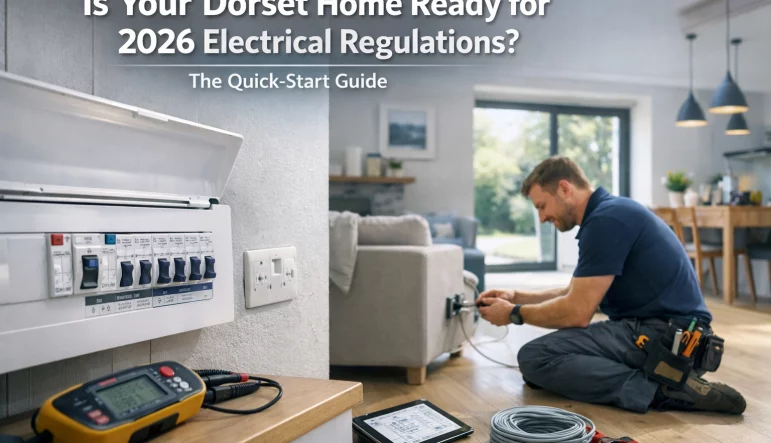
If you're a homeowner in Dorset, you've probably heard whispers about new electrical regulations coming into force this year. And if you're planning any electrical work: whether it's installing that EV charger you've been eyeing up, adding solar panels, or just sorting out your dodgy consumer unit: you'll want to know what's changing and when.
Don't worry, though. We're breaking it all down in plain English so you can stay ahead of the game without needing an electrician's qualification to understand it all.
Here's the timeline you need to know:
15 April 2026 – Amendment 4 to BS 7671 (also known as the IET Wiring Regulations) gets published. This is basically the rulebook that all electricians in Dorset and across the UK follow when doing electrical work in your home.
1 October 2026 – This is the big one. After this date, all electrical installations and alterations must be designed and certified according to the new Amendment 4 standards. The current regulations will be withdrawn, so there's no going back.
If you're planning electrical work before October, you can still have it done under the current rules: but your electrician needs to be up to speed with the new standards if the work happens after that cutoff date.
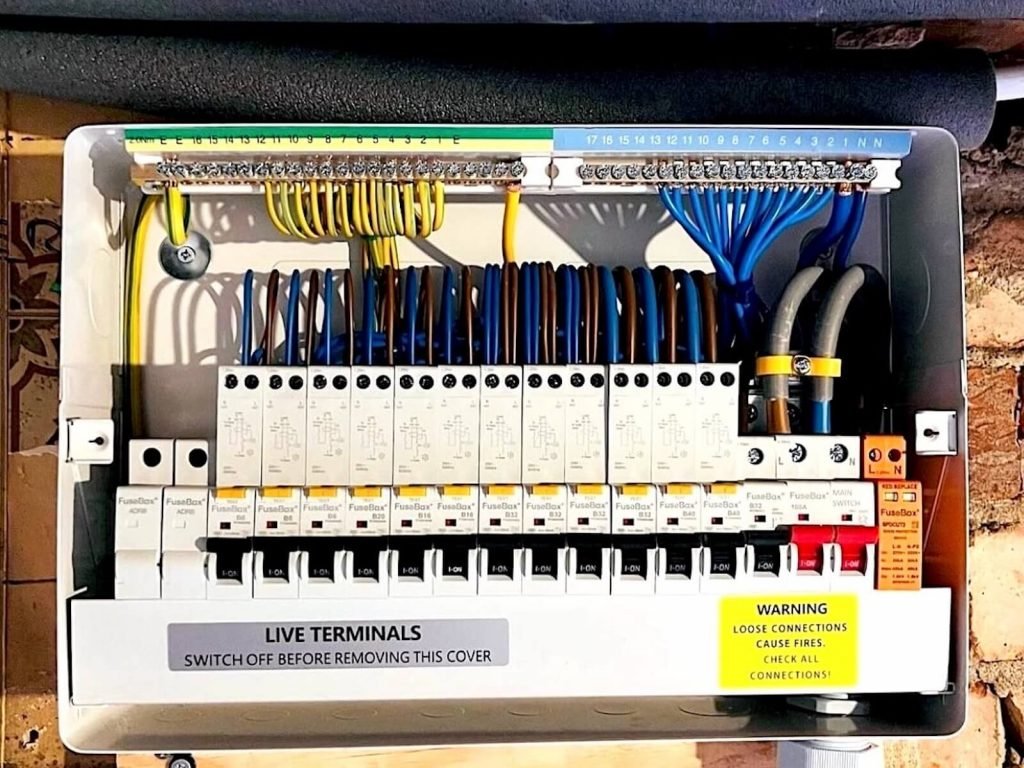
The good news? If you're not planning any electrical work, these changes won't really affect you directly. Your existing wiring doesn't suddenly become illegal or unsafe. But if you are getting work done, here's what the new regulations focus on:
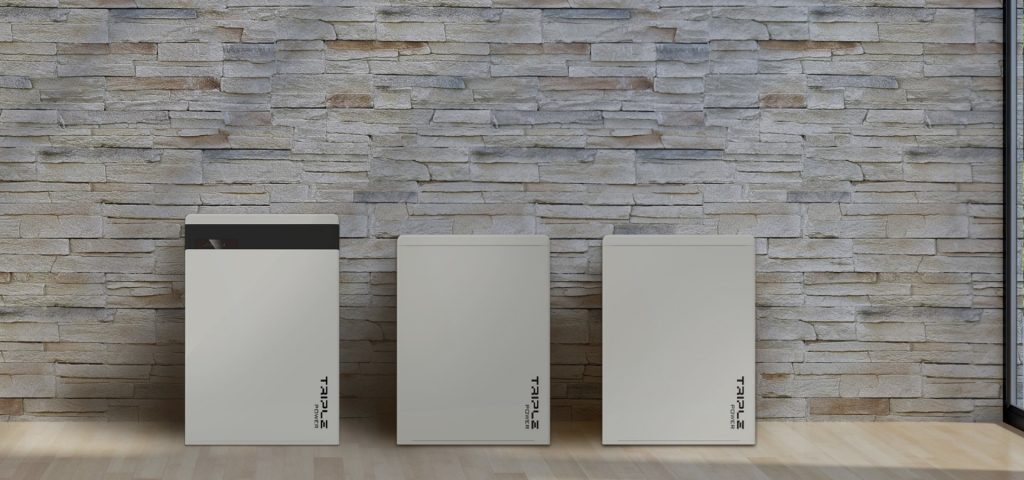
This is a big one for anyone with solar panels or thinking about getting them. Amendment 4 introduces a whole new section on stationary secondary batteries, basically, those home battery systems that store energy from your solar panels or the grid.
With more Dorset homes going green and installing renewable energy systems, these new standards make sure your battery storage is installed safely and correctly. It covers everything from where the batteries can be located to how they're connected to your home's electrical system.
Smart homes are everywhere now, right? From smart lighting and thermostats to security cameras and doorbells, we're all jumping on the bandwagon. The new regulations include updated requirements for Power over Ethernet: that's when your data cables (like the ones running to your security cameras or smart devices) also carry electrical power.
Previously, PoE wasn't heavily regulated because the power levels were low. But as smart home tech gets more sophisticated and power demands increase, the new standards make sure everything's installed safely and up to code.
This one's a bit more technical, but it matters if you have medical equipment at home or specialised ICT (information and communications technology) systems. The amendment updates earthing requirements to improve safety in these installations.
Let's clear this up: If you're not doing any electrical work, you don't need to do anything.
Your existing electrical installation is fine as it is. These regulations apply to new work: installations, alterations, additions, and upgrades. Think of it like building regulations: your 1960s extension doesn't suddenly need to meet 2026 standards, but if you build a new one, it does.
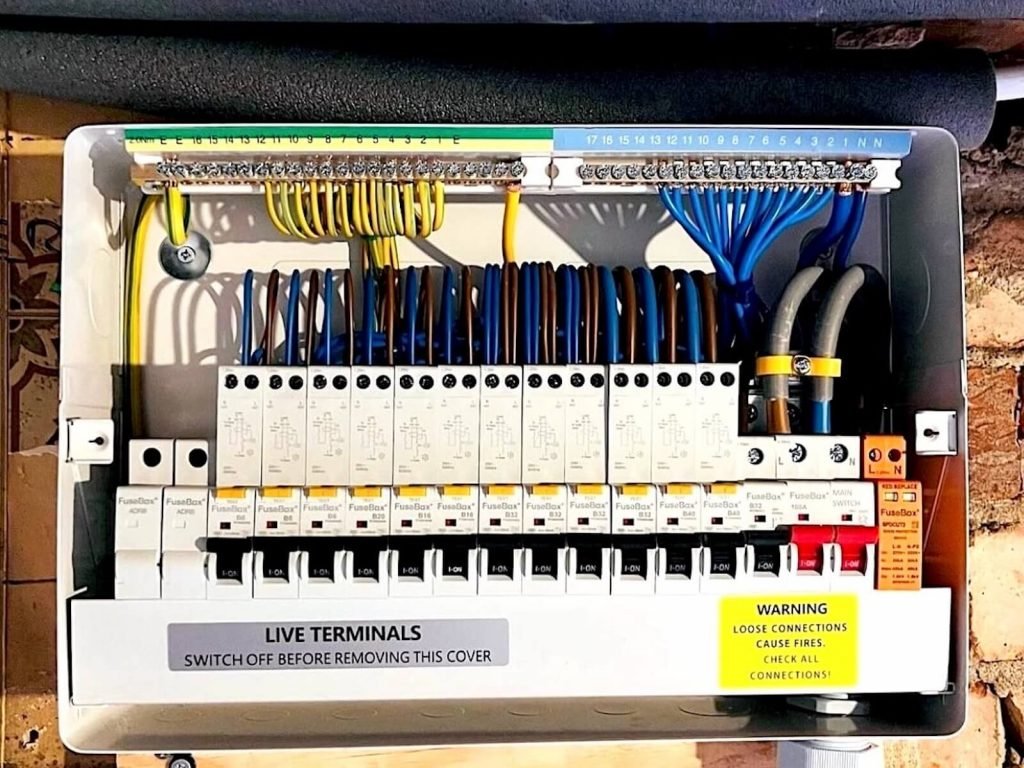
That said, if your home's electrics are genuinely old or you've noticed issues: flickering lights, tripping circuits, burning smells, outdated fuse boxes: it might be worth getting an electrician to take a look regardless of the new regulations.
Here's your action plan:
If you're planning work and want it done before the deadline, get your quotes sorted and book your electrician in Dorset now. Popular electricians get booked up, especially as we get closer to that October cutoff.
You can still have work designed and certified under the current BS 7671:2018 + Amendment 3 standards, which your electrician will already know inside and out.
After the cutoff, any electrical work must comply with Amendment 4. When you're getting quotes, ask your electrician if they're trained on the new standards. Reputable electricians in Dorset will already be getting themselves up to speed well before October.
Let's talk about some common electrical projects and how the new regulations might affect them:
EV charger installations are already quite regulated, and most decent electricians are clued up on the requirements. The new Amendment 4 doesn't drastically change EV charger installations specifically, but if you're getting one installed after October, it'll need to be certified under the new standards.
If you're also planning a consumer unit upgrade or adding circuits at the same time, your electrician will need to ensure everything meets Amendment 4 requirements.
This is where the new battery storage regulations really come into play. If you're getting solar panels with a home battery system installed after October 2026, your installer will need to follow the new section on stationary secondary batteries.
This might affect where your battery can be installed, how it's wired, and what safety protections are required. Your installer should guide you through this: it's their job to know the regulations, not yours.
Planning to deck your Dorset home out with smart lighting, cameras, and gadgets? If your electrician is running new PoE cables or power supplies after October, they'll need to comply with the updated PoE requirements in Amendment 4.
Again, a professional electrician will handle this: you just need to be aware that the standards have changed.
When you're booking an electrician in Dorset for work after the October deadline, here's what to ask:
"Are you familiar with BS 7671 Amendment 4?" – Any good electrician will already be training on the new standards if they're not already qualified.
"Can you certify work under the new regulations?" – After October, they'll need to provide certification under Amendment 4, not the old standards.
"Are you a registered competent person?" – Electricians registered with schemes like NICEIC, NAPIT, or ELECSA can self-certify work, which means you don't need to involve building control separately.
For certain electrical work: especially anything involving new circuits, consumer unit changes, or work in bathrooms and kitchens: you'll need to notify Dorset Council's Building Control or use an electrician who's registered with a competent person scheme (which most are).
The new regulations don't change when you need building control approval, just what standards the work needs to meet. Your electrician should sort this out as part of the job, but it's worth checking.
Here's what you actually need to remember:
The electrical industry deals with these updates every few years, and good electricians stay on top of them as part of their professional development. Your job is just to be aware of the timeline and make sure you're working with someone who knows what they're doing.
If you're planning any electrical projects for your Dorset home in 2026, now's the time to start getting quotes and asking the right questions. The new regulations are all about making homes safer and keeping up with modern technology: which is a good thing for everyone.
And if you're not sure whether your home needs any electrical work? It might be worth getting an inspection from a qualified electrician in Dorset, especially if your installation is getting on a bit. Better to find out now than wait until something goes wrong.
Leave your details and we’ll call you back — usually the same day.
★ 5.0 Google · NAPIT approved · Fully insured