

Let's clear this up right now: No, your PIV unit isn't making your house cold. Well, not really.
This is probably the most common concern we hear from homeowners in Poole, Bournemouth, and across Dorset when they're considering positive input ventilation. You've got condensation running down your windows, black mould creeping up the walls, and someone suggests a PIV unit. Then you read online that it'll turn your house into an icebox.
Here's the truth: PIV units draw air from your loft space and gently distribute it throughout your home. In winter, yes, that loft air might be cooler than your living room. But we're talking about a small amount of air here, roughly equivalent to having a window open a crack. Most people don't even notice the difference once the system's running properly.
Modern PIV units also come with built-in heaters or temperature controls. These warm the incoming air before it enters your living space, so you're not just pumping freezing loft air into your bedroom at 6am on a January morning in Ferndown.
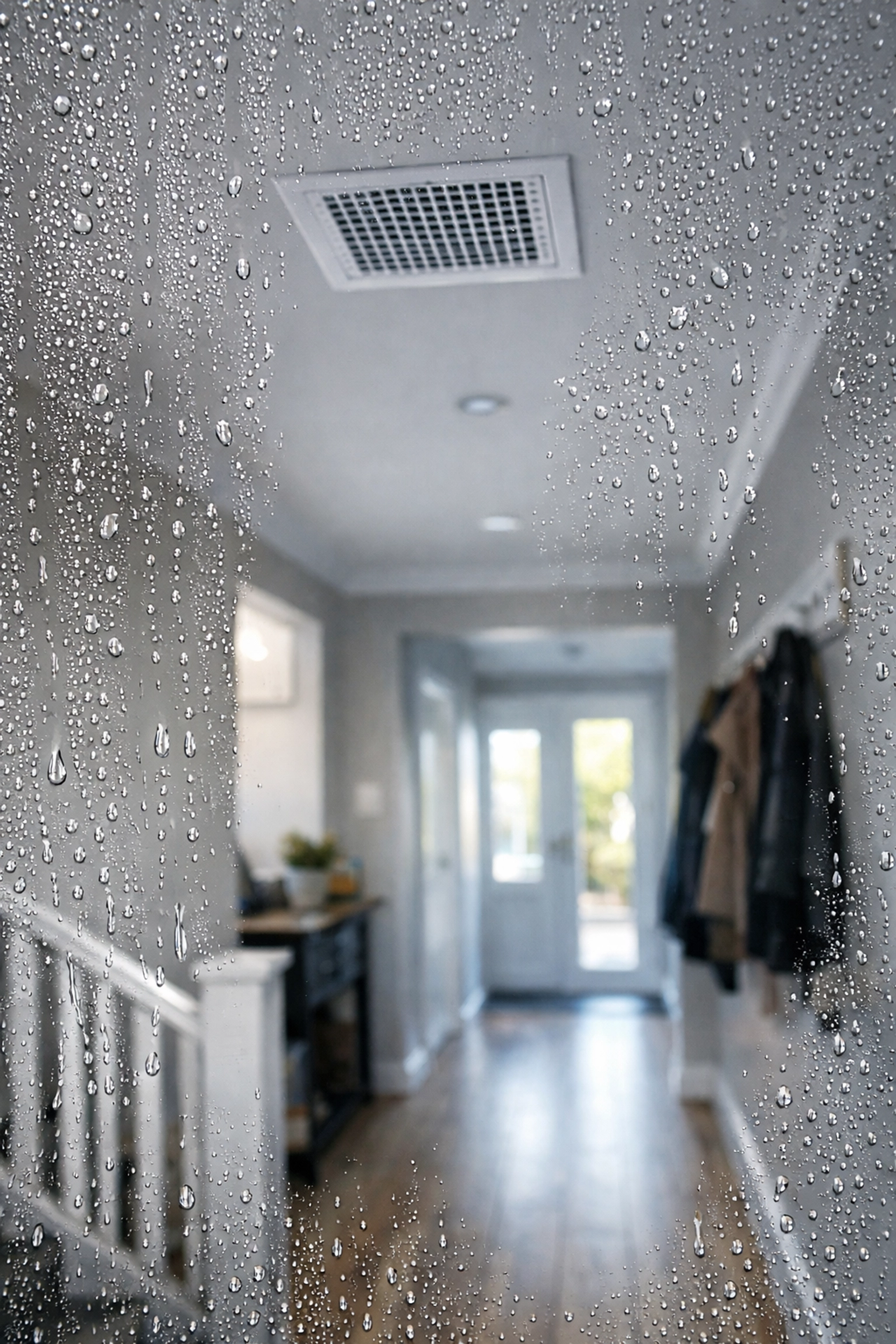
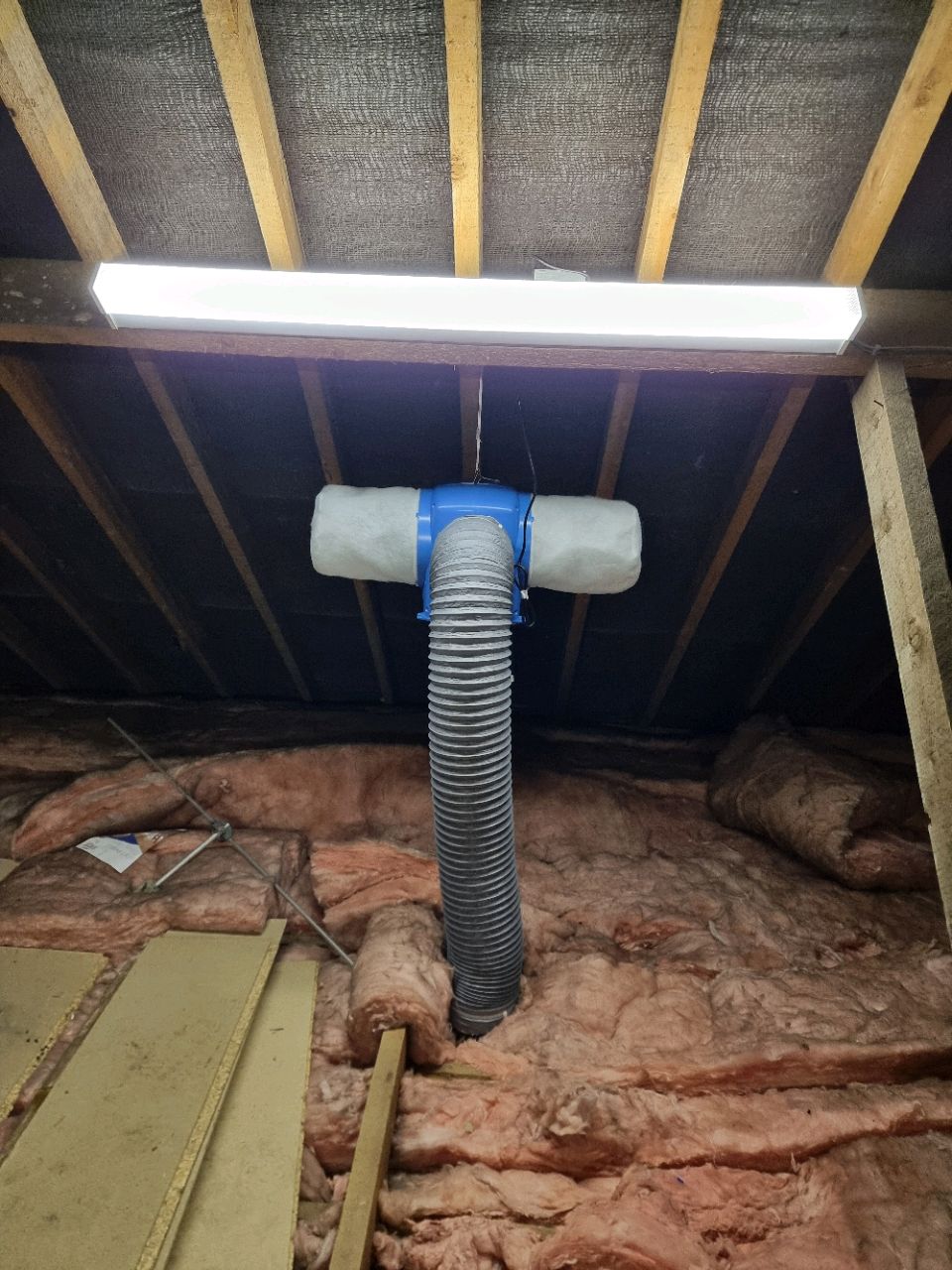
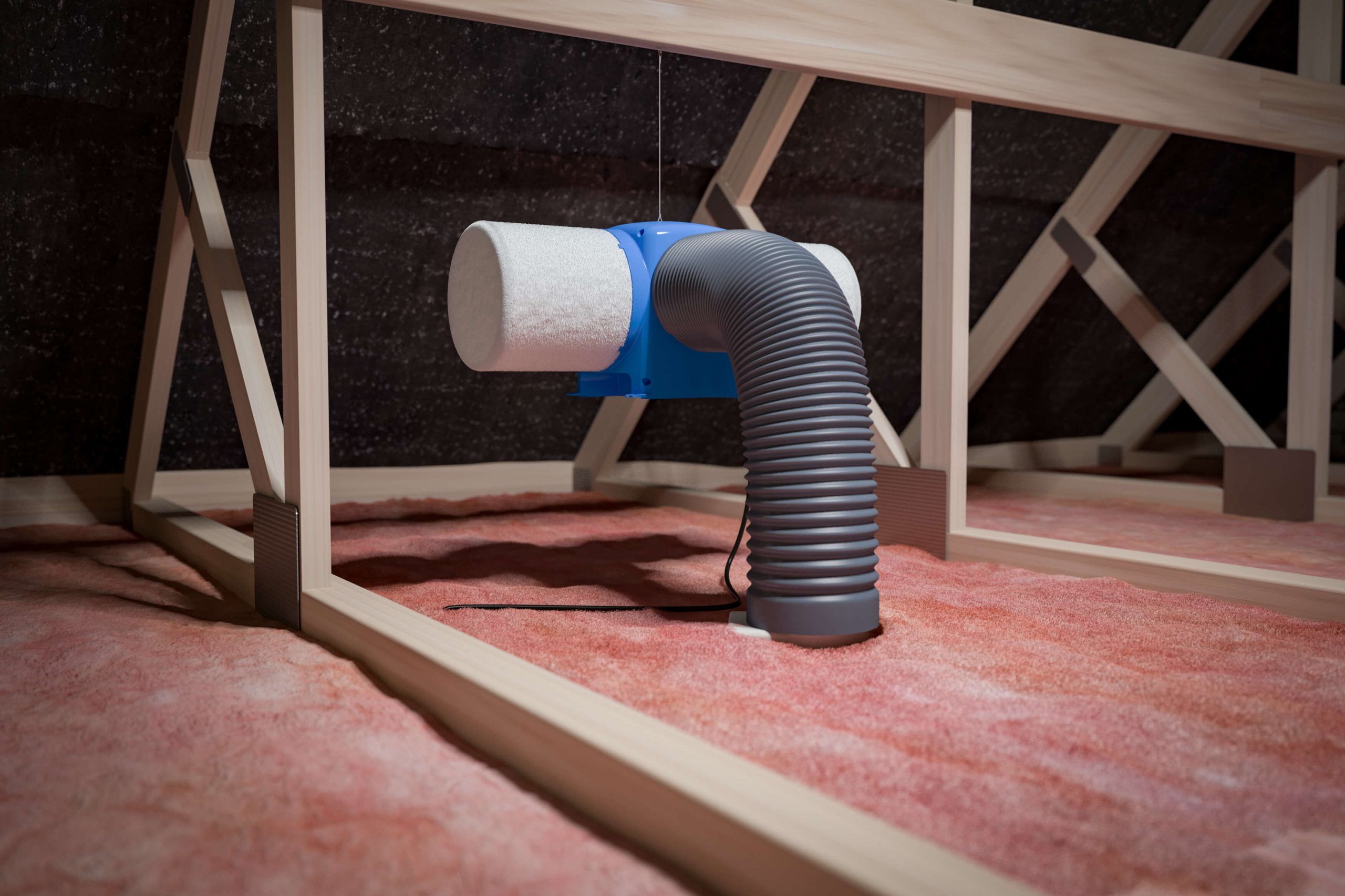
PIV systems work by creating positive air pressure inside your home. The unit sits in your loft, draws in fresh air from outside (filtered, not full of spiders and dust), and pushes it down into your hallway or landing. This gentle, constant flow of fresh air forces out the stale, damp air through natural gaps around doors, windows, and vents.
Think of it like this: your home is constantly producing moisture. Every time you breathe, cook, shower, or dry clothes indoors, you're adding water vapour to the air. In modern, well-sealed homes, especially in areas like Canford Heath and Branksome Park where newer builds are common, that moisture has nowhere to go. It just sits there, condensing on cold surfaces and creating perfect conditions for mould.
A PIV unit gives that moisture an escape route while replacing it with filtered, drier air. Simple concept, surprisingly effective results.
It Actually Works Against Damp and Mould
This isn't marketing nonsense. PIV systems genuinely eliminate condensation problems. We've installed units in properties across Bournemouth where homeowners were repainting mouldy walls every six months. After installation, the condensation disappeared within weeks, and the mould never came back.
The system continuously replaces humid indoor air with fresh, filtered air. No more waking up to soaking wet windows. No more musty smell in the bedrooms. No more wiping down walls.
Better Air Quality Throughout Your Home
PIV units filter the incoming air, removing dust, pollen, traffic fumes, and other pollutants. This is particularly beneficial if you or your family suffer from asthma or allergies. The system also removes internal contaminants, carbon dioxide from breathing, dust mites, cooking odours, and volatile organic compounds from furniture and cleaning products.
Unlike opening windows, which just lets everything in (traffic fumes from Ringwood Road, anyone?), a PIV system gives you controlled, filtered ventilation.
Ridiculously Cheap to Run
PIV units run on low-energy motors that cost roughly the same as a standard light bulb to operate, about £20-30 per year. Compare that to the cost of constantly repainting mouldy walls, replacing ruined furniture, or dealing with structural damage from untreated damp. Some homeowners in Charminster were spending hundreds annually on dehumidifiers and anti-mould treatments before switching to PIV.
Whole-Home Coverage
Unlike extractor fans that only work in one room, or dehumidifiers you have to move around, a PIV system ventilates your entire property. One unit (if properly sized and installed) provides consistent airflow throughout, maintaining balanced humidity levels in every room.
Low Maintenance
Once installed, PIV systems require minimal attention. You'll need to clean or replace the filter periodically, usually once or twice a year, but that's about it. No complicated servicing schedules or expensive maintenance contracts.
Upfront Cost
Professional PIV installation isn't cheap. Expect to pay several hundred pounds for a quality unit with proper installation. Heated models cost more. However, consider this against the alternative costs: ongoing damp treatments, structural repairs, health issues from mould exposure, and decreased property value.
You Need Loft Access
Most PIV units are loft-mounted, making them unsuitable for properties without loft access or with restricted ceiling height. This rules them out for some flats and bungalows, though wall-mounted alternatives exist for specific situations.
Not a Magic Fix for Poor Insulation
PIV works best in reasonably well-insulated, properly sealed homes. If your property in Boscombe has single-glazed windows and no loft insulation, a PIV unit will still help with condensation, but you won't see optimal results. Fix the basics first, insulation, draught-proofing, double glazing, then add PIV for maximum effectiveness.
Results Take Time
Don't expect overnight miracles. PIV systems need several weeks to stabilise humidity levels, particularly in properties with established damp problems. The moisture built up in your walls and furniture over months or years needs time to dry out. Be patient, it's working even when you can't immediately see the difference.
Must Run Continuously
PIV units need to operate 24/7 for best results. Switching them off for extended periods allows moisture to rebuild. Some homeowners worry about running any electrical device constantly, but remember the minimal running costs and the fact that your fridge, freezer, and boiler do exactly the same thing.
Back to the original question. In most cases, no. Any slight temperature reduction is minimal and barely noticeable, especially with a heated unit. What you might notice initially is the change in air quality: fresher, less stuffy: which some people interpret as "cooler" when it's actually just "less stagnant."
If your PIV unit genuinely is making your home uncomfortably cold, something's wrong. Either the unit's too powerful for the property size, it needs its heating element adjusted, or there are underlying insulation issues that need addressing first.
We've installed PIV systems across Dorset: from period properties in Canford Cliffs to new builds in Bearwood: and temperature complaints are exceptionally rare. What we do hear, constantly, is relief from homeowners who've finally solved persistent condensation and mould problems after trying everything else.
Positive input ventilation pros and cons come down to this: upfront investment and loft space requirements versus effective, low-cost, whole-home damp and mould control. For most properties in Dorset dealing with condensation issues, the pros significantly outweigh the cons.
The "PIV unit making house cold" concern is largely a myth based on outdated systems or poor installation. Modern units with proper temperature controls don't create cold homes: they create healthier, drier homes with better air quality.
If you're dealing with persistent condensation, black mould around windows, or that distinctive damp smell in bedrooms, PIV might be exactly what your property needs. Just make sure you get proper professional installation: placement, sizing, and configuration make all the difference between a system that works brilliantly and one that disappoints.
Your home should be comfortable and healthy. A properly installed PIV system helps achieve both without turning your living room into a freezer.