
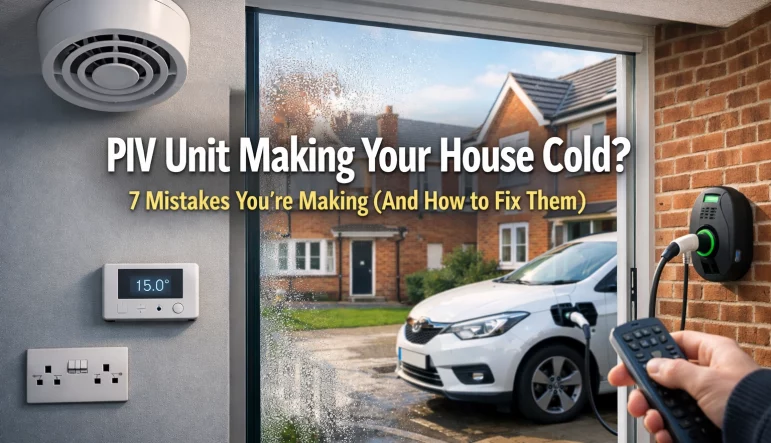
We've installed dozens of PIV (Positive Input Ventilation) units across Dorset, and they're brilliant for tackling damp and mould. But here's the thing: when homeowners tell us their PIV is making the house cold, it's usually not the system itself. It's how it's being used or where it's positioned.
PIV systems don't actually pump freezing air into your home. In well-insulated properties, the fresh air entering is typically similar to your indoor temperature. The problem comes down to mistakes in setup, settings, or expectations.
Let's walk through the seven most common errors we see: and how to fix them.
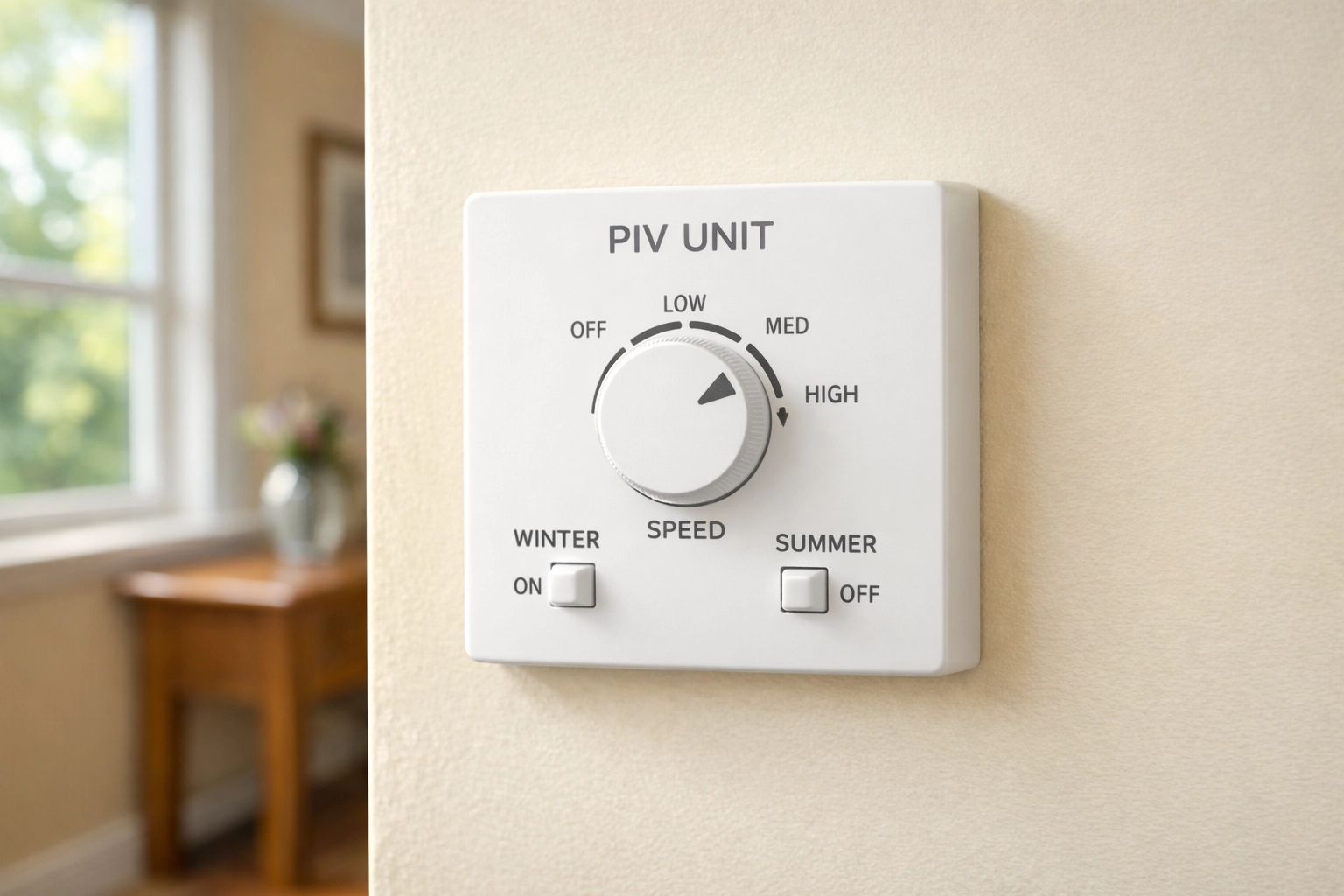
Many PIV units come with adjustable speed settings for a reason. Running yours at maximum speed during winter floods your home with more fresh air than needed, which your heating system then has to work harder to warm up.
The fix: Most units have summer and winter modes, or adjustable speeds. Drop it to a lower setting during colder months. You're still getting adequate ventilation without the chill factor. Check your unit's manual or ask us to adjust it during a service visit.
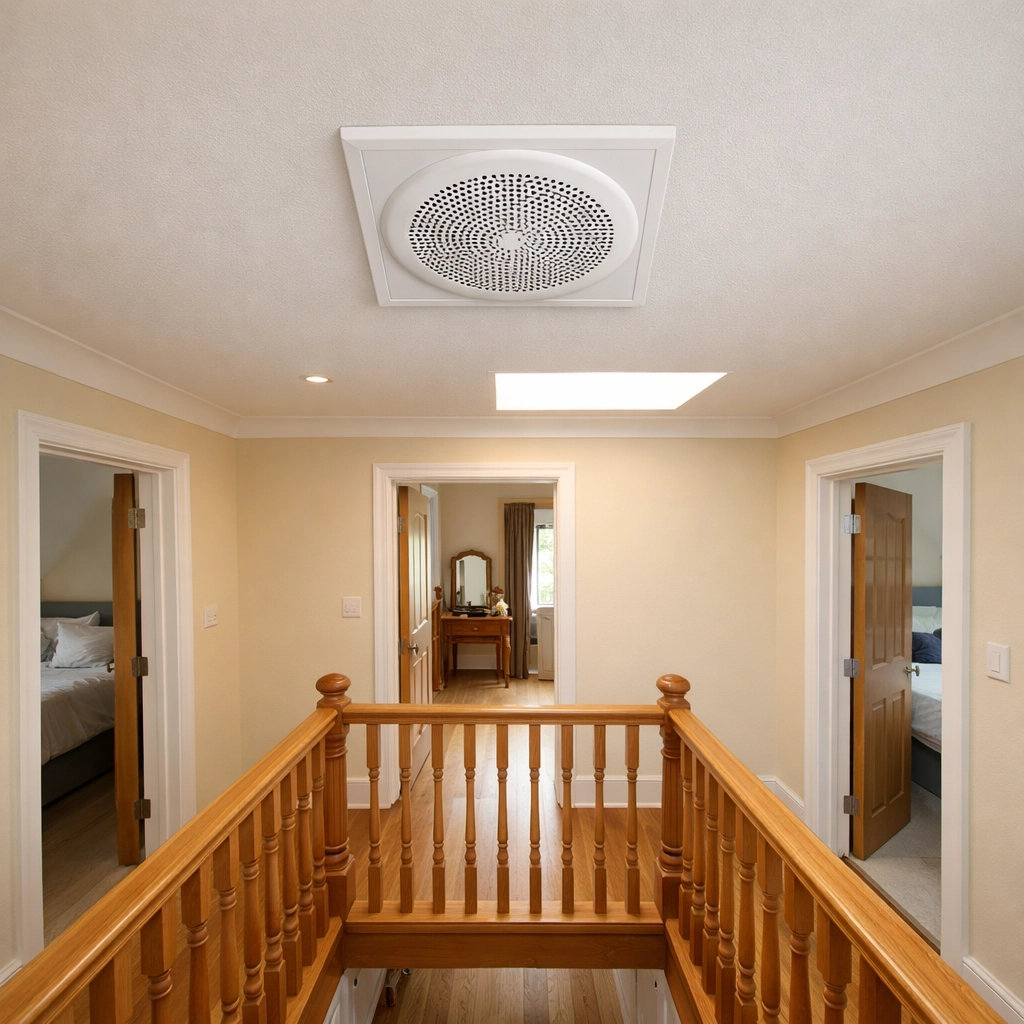
This is a big one. When your PIV vent points straight at an exterior wall or window, you're pushing air: and any residual moisture: directly onto the coldest surfaces in your home. That's a recipe for condensation, which defeats the entire purpose of having the system.
The fix: PIV vents should be positioned to distribute air into the centre of your landing or hallway, allowing it to circulate naturally throughout the property. If yours is aimed badly, it might need relocating. We can assess this during an installation review.
PIV systems work best when they're part of your overall home climate strategy, not fighting against it. If you've got your heating set low or on a restrictive timer, the incoming fresh air won't have a chance to warm up before you feel it.
The fix: You might need to adjust your thermostat up by a degree or extend your heating schedule slightly. This sounds counterintuitive if you're worried about bills, but the energy cost of heating the fresh air is usually offset by the money you save from preventing damp damage and mould remediation.
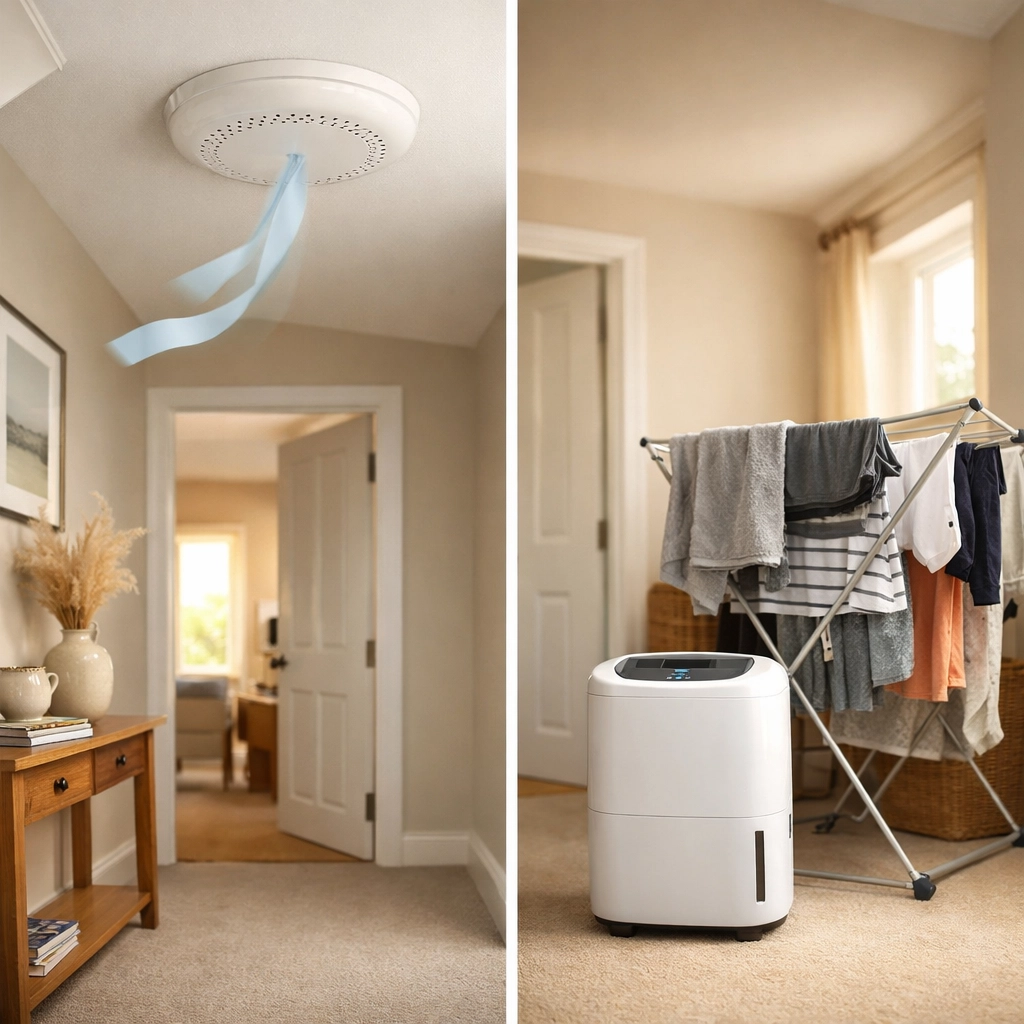
Some homeowners think a PIV will help dry washing faster. It won't: at least not effectively. Worse still, if you're positioning your clothes horse near where the PIV blows, you're just circulating that moisture around your home and potentially pushing it into cold surfaces.
The fix: Run your bathroom extractor fan when drying clothes indoors, or better yet, use a dehumidifier. PIV systems are designed for gentle, continuous ventilation, not active moisture removal. They're different tools for different jobs.
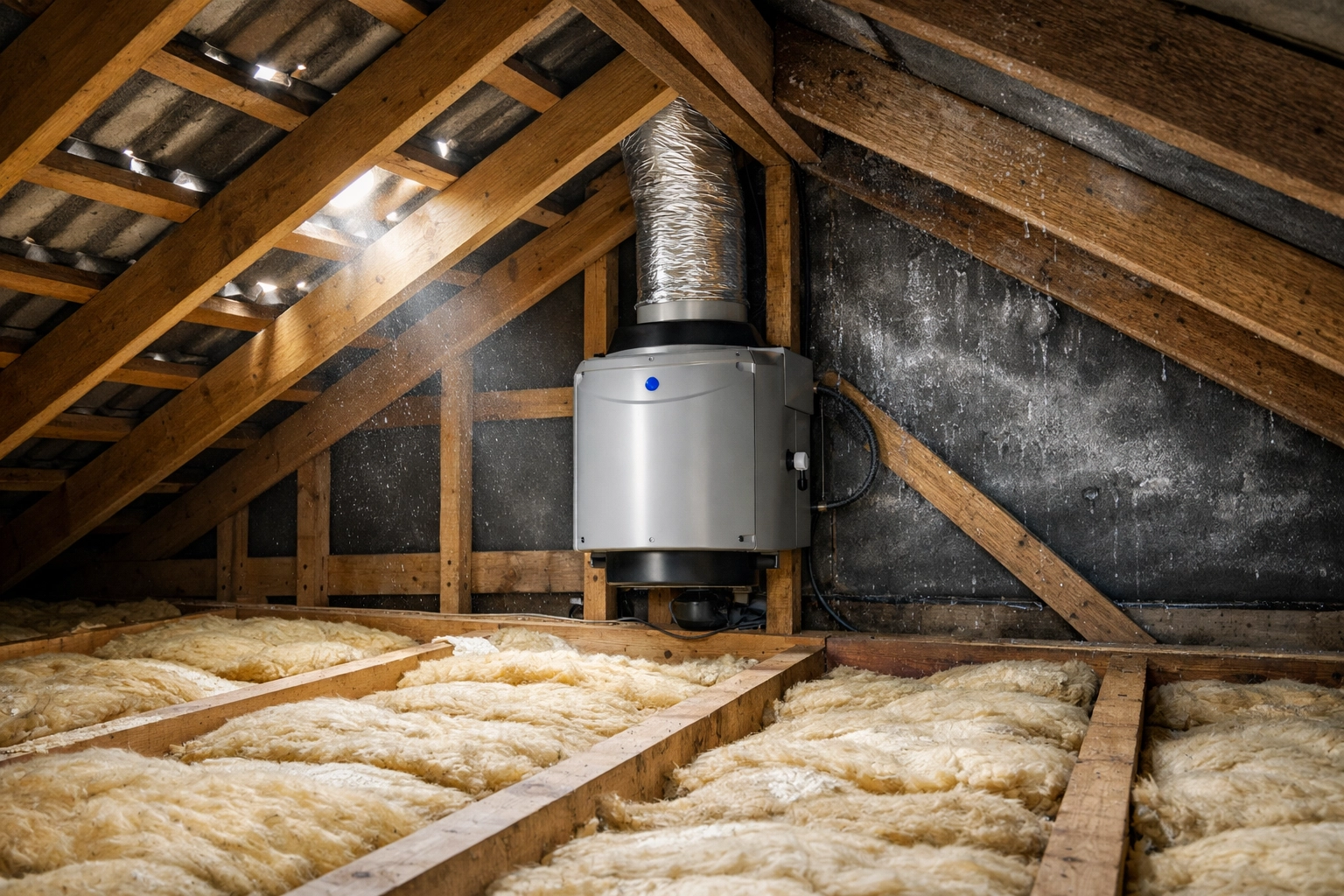
Most PIV units draw air from your loft space before filtering and pushing it into your home. If your loft has its own condensation issues, mould growth, dust buildup, or poor insulation, you're essentially pumping that problem air throughout your house.
The fix: Before or shortly after PIV installation, check your loft space. Is it properly ventilated? Are there signs of damp or mould? Is the insulation adequate? We often recommend a loft inspection as part of PIV installation because the two are directly connected.
If your loft isn't in good condition, the PIV will struggle to do its job properly: and might even make things worse.
Here's something most people don't realise: when it's pouring with rain outside and external humidity is sitting at 80-90%, your PIV is essentially bringing that humid air indoors. The system can't magically remove moisture from the air: it's a ventilation system, not a dehumidifier.
The fix: On particularly wet days, use targeted extraction. Run your kitchen extractor when cooking, your bathroom fan after showers, and consider a standalone dehumidifier if you're drying clothes or generating lots of internal moisture. PIV works brilliantly for continuous background ventilation, but it needs help during peak moisture events.
We see this more often than we'd like. A well-meaning homeowner buys a PIV unit online and installs it themselves, or a general handyman fits one without proper assessment. The result? Wrong unit size for the property, incorrect positioning, inadequate loft preparation, or poor electrical connection.
The fix: Professional installation matters. We assess your property size, loft conditions, existing ventilation, and specific damp issues before recommending and fitting a PIV system. The unit needs to be sized correctly for your home's volume, positioned to maximise air distribution, and wired safely with proper controls.
If you've already got a DIY installation that's not performing, we can carry out a review and make corrections.
PIV units are one of the most effective solutions for condensation, damp, and mould in UK homes. We install them regularly across Bournemouth, Poole, Christchurch, and the wider Dorset area because they work.
But like any system, they need proper installation, appropriate settings, and realistic expectations. They're not going to make your house cold if they're set up correctly and used alongside your heating system. They're also not magic: they won't solve damp issues caused by structural problems, leaks, or lifestyle factors without additional measures.
If your PIV system is making your home uncomfortable, don't just switch it off and give up. The issue is almost always fixable. We can:
Our team has been working with ventilation systems in Dorset homes for years. We understand the specific challenges of coastal climate, older properties, and the balance between ventilation and heating efficiency.
If you're dealing with a PIV unit that's making your house cold: or you're considering installing one and want it done right first time: get in touch with us at Dorset Electrical Solutions Ltd. We'll make sure your system actually solves your damp problem without creating new ones.
Sometimes it's a simple settings adjustment. Sometimes it needs repositioning. Either way, we'll get it sorted.
Thanks – The team at Dorset Electrical Solutions Ltd