

Let's be honest: electricity bills in 2026 are still pinching wallets across Dorset, Hampshire, and Wiltshire. But here's the good news: there are proven ways to slash your energy costs without living in the dark or shivering through winter. We've put together this practical guide based on what we see working in homes across Bournemouth, Poole, and the surrounding areas.
If you're still using old halogen or incandescent bulbs, you're basically heating your home with your light fixtures: and paying through the nose for it. LED bulbs use up to 80% less electricity than traditional bulbs and last years longer.
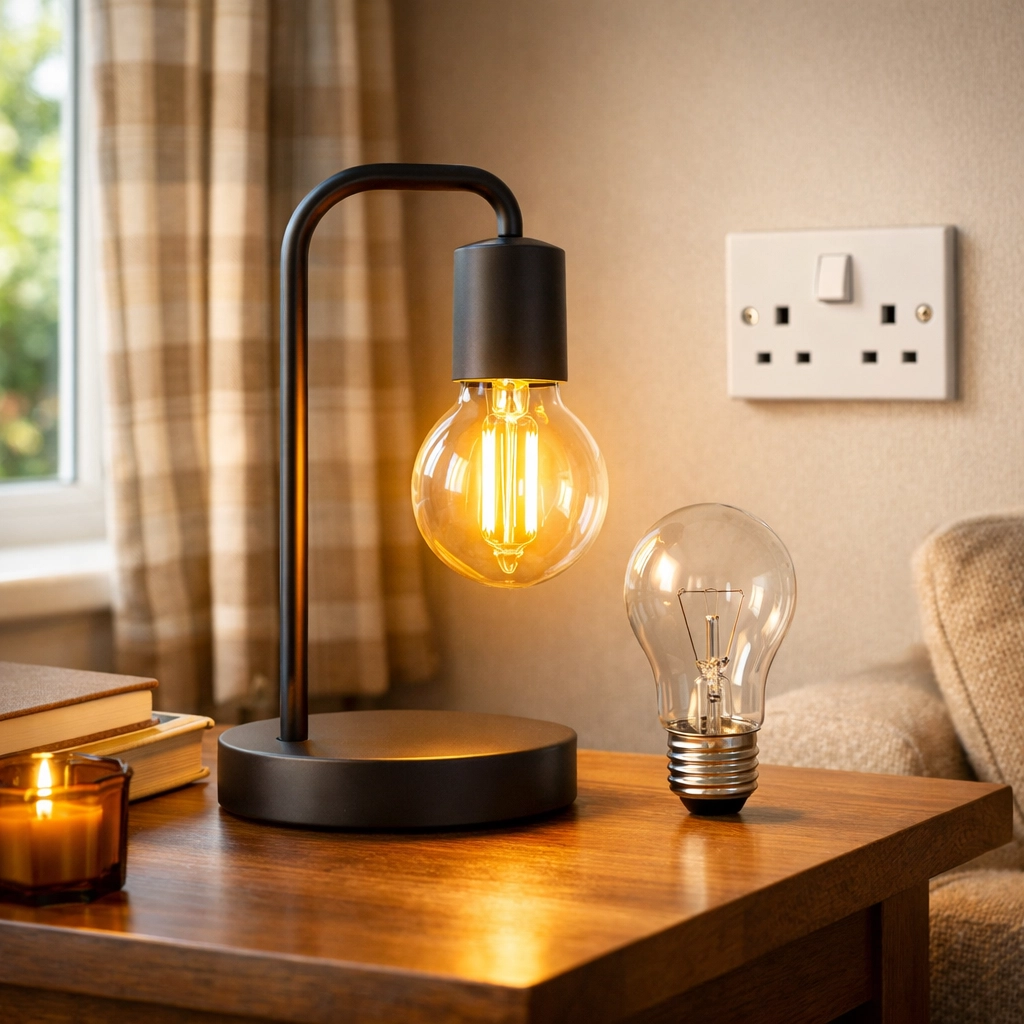
Here's the maths that matters: A typical home with 20 light fittings could save £200+ annually just by switching everything to LED. That's not a small change: that's a weekend away or a few nice meals out.
The upfront cost? Minimal. Quality LED bulbs now cost as little as £2-5 each, and they'll last 15,000-25,000 hours compared to the 1,000-2,000 hours you'd get from old-school bulbs. If you need help retrofitting LED-compatible fixtures or dimmer switches, any qualified electrician in Dorset can sort that in an afternoon.
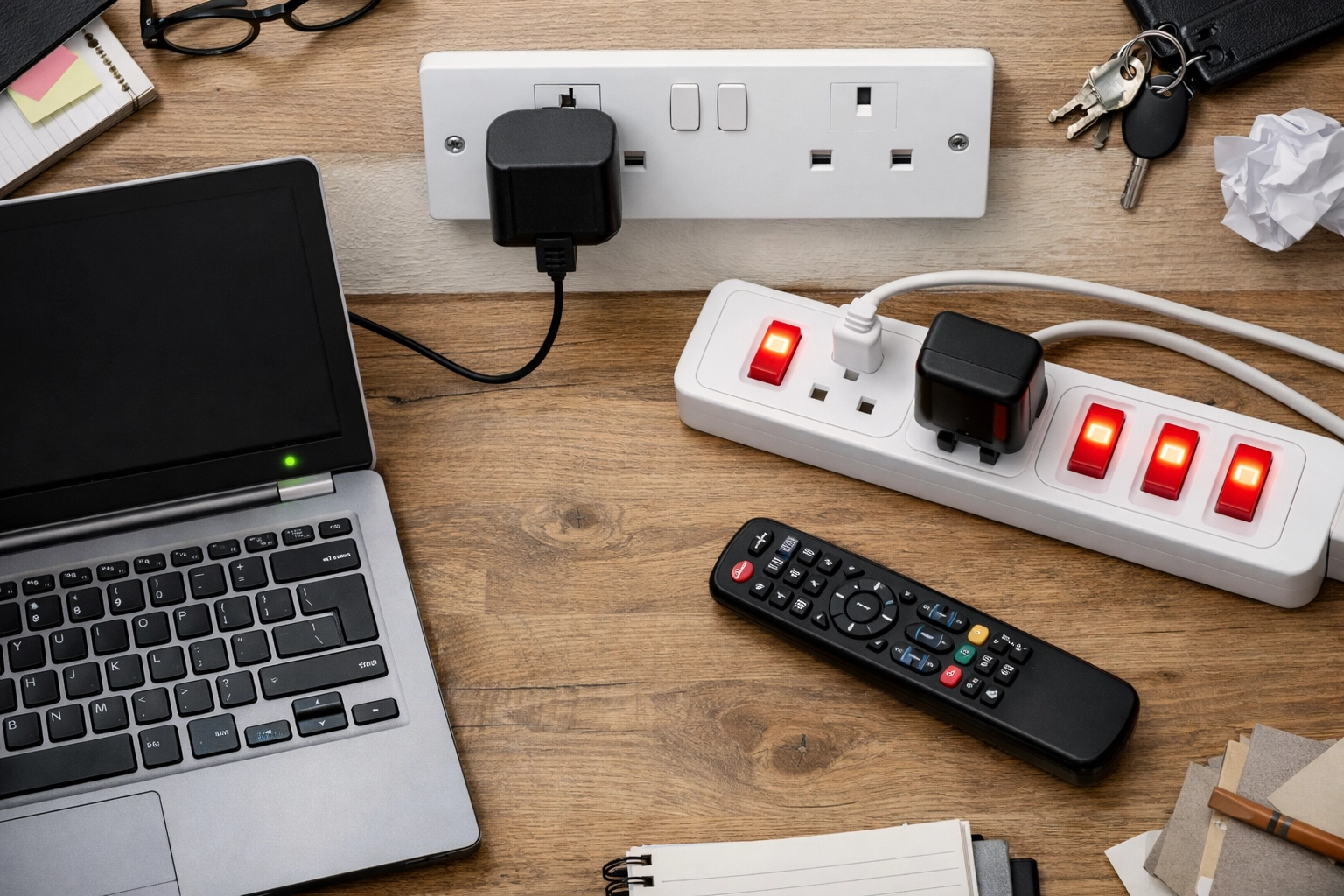
Standby power is the silent budget killer. That little red light on your TV? It's costing you money. Your phone charger plugged in with nothing attached? Costing you money. Your microwave clock that you never look at? You guessed it.
The average UK household wastes around £35 per year on standby power alone. Multiply that across all the homes in Bournemouth and Poole, and we're talking serious money disappearing into thin air.
Quick wins:
Smart power strips pay for themselves within the first year. If you're upgrading to smart home technology and want it installed properly, electricians in Poole can integrate systems that let you control everything from your phone.
Heating typically accounts for about 60% of your energy bill, so this is where the big savings live. You don't need to freeze: you just need to be smart about how you heat your home.
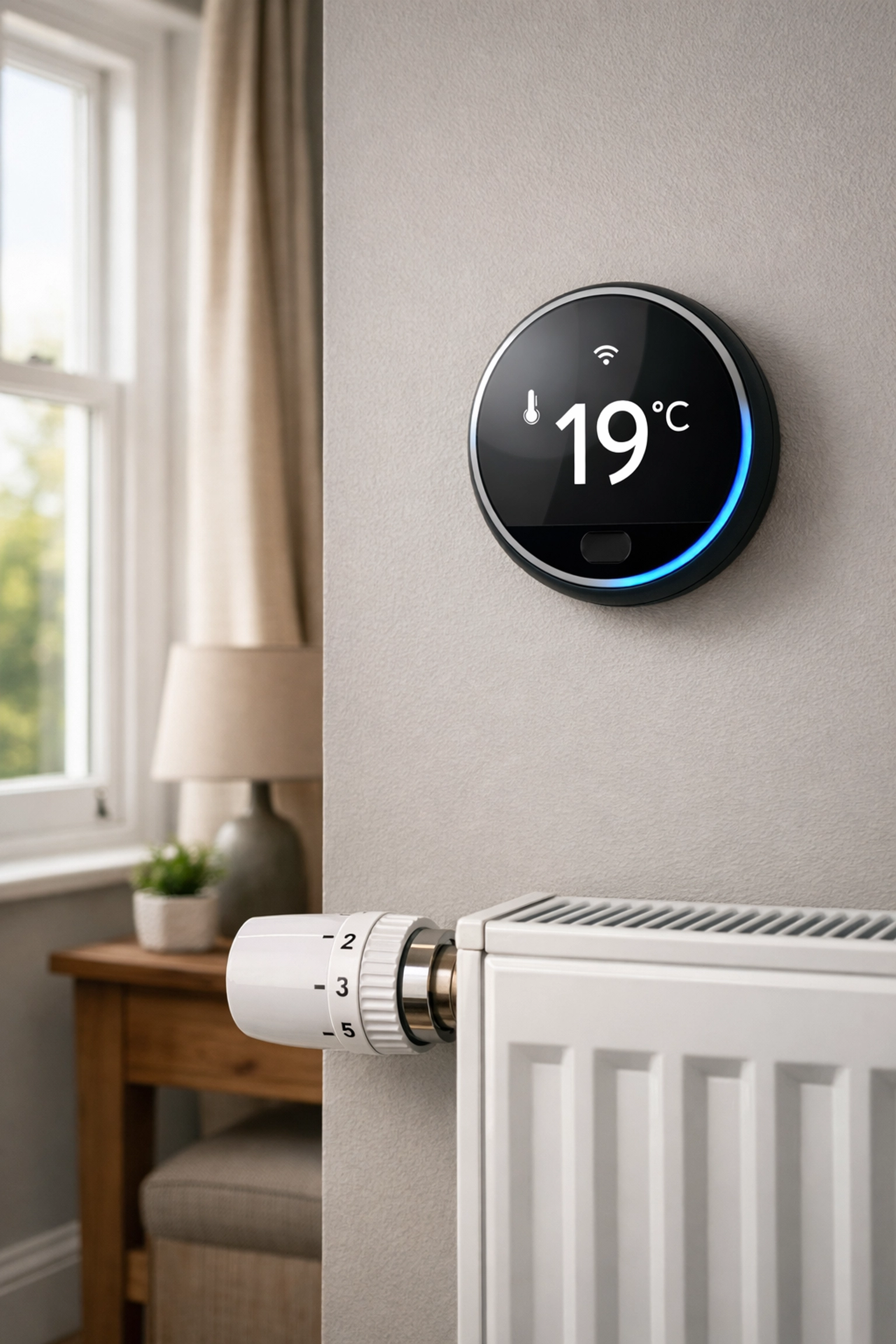
Turn it down one degree: Dropping your thermostat from 20°C to 19°C saves roughly £60 per year and 320kg of carbon emissions. You probably won't even notice the difference, but your bank account will.
Zone heating works: Stop heating rooms you're not using. Close doors to spare bedrooms and adjust your thermostatic radiator valves (TRVs) to focus warmth where you actually spend time. Those numbered dials on your radiators (1-5) control maximum temperature, not how fast the room heats: something that surprises a lot of people.
Use free heat: Open curtains during sunny winter days to let natural heat in, then close them before sunset to trap warmth inside. It's old-fashioned but effective.
If your heating system is ancient or your thermostat is basic, upgrading to a smart thermostat can cut heating costs by 10-20%. However, installation needs to be done correctly: if you're looking for an electrician in Bournemouth to fit one properly, it's worth getting professional help rather than risking a DIY bodge job.
Your hot water cylinder doesn't need to be set to "surface of the sun" temperature. Setting it to 60°C is hot enough for safety (kills legionella bacteria) while saving around £100 annually compared to higher settings.
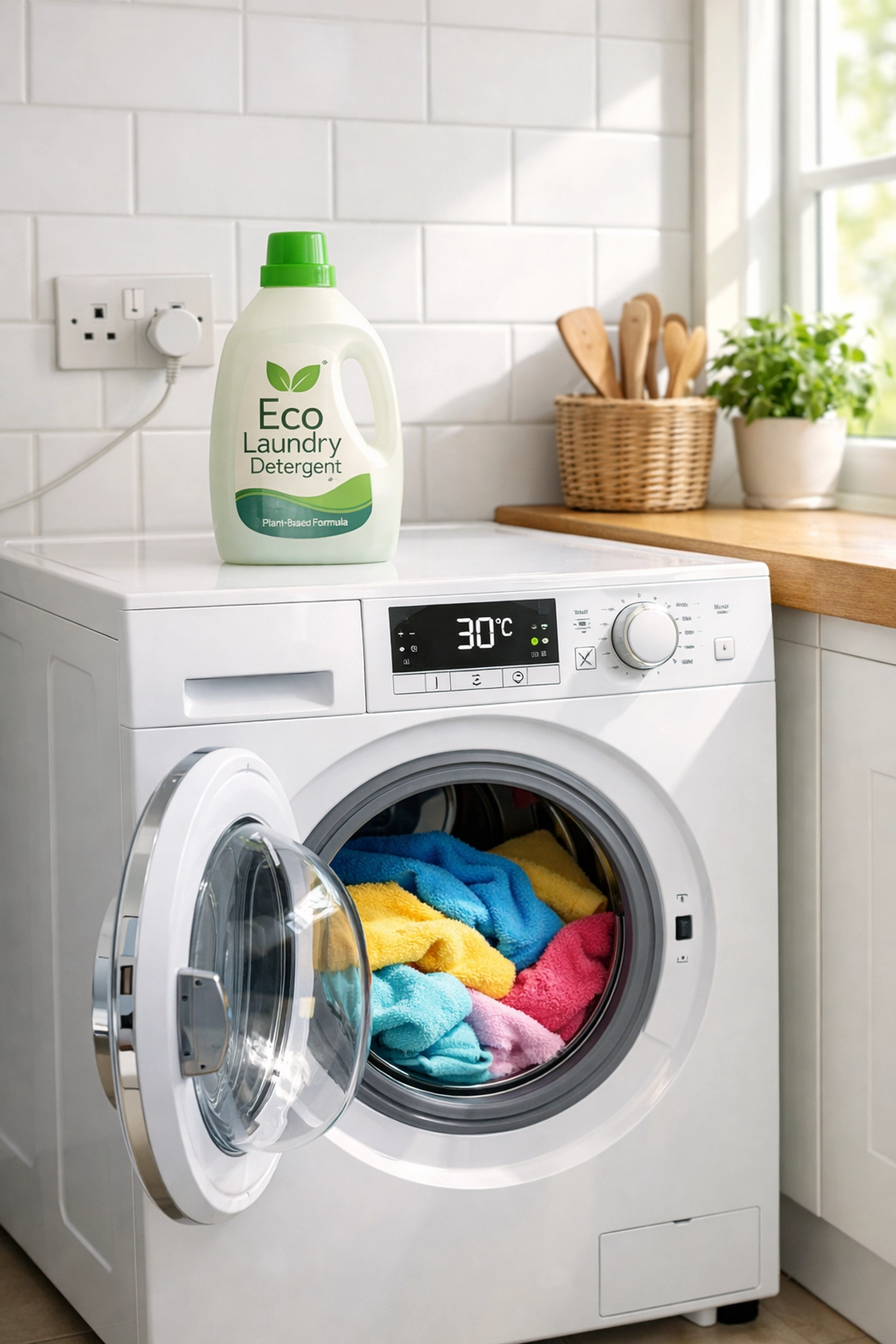
Laundry efficiency matters too:
Switching from daily baths to showers can also make a noticeable dent in both water and heating bills. A typical bath uses about 80 liters of hot water, while an efficient shower uses 40-50 liters.
You can have the most efficient heating system in Dorset, but if your home leaks heat like a sieve, you're wasting money. Draught-proofing is one of the cheapest energy-saving measures with the best return on investment.
Check around windows, doors, letterboxes, and loft hatches. Basic draught-proofing materials cost under £50 and can be fitted in a weekend. For proper loft insulation or cavity wall insulation, it's worth getting quotes: the savings over time are substantial.
If you're doing renovation work and need electrical alterations to accommodate insulation, make sure you use a qualified electrician in Dorset who understands current building regulations.
Sometimes the biggest long-term savings come from professional improvements:
LED downlight retrofit: If you've got dozens of old halogen downlights, converting to LED equivalents will dramatically cut your lighting bills. Many homes in Poole and Bournemouth still have energy-guzzling halogens that should have been replaced years ago.
EV charging points: If you're driving electric, charging at home during off-peak hours (typically 11pm-7am with the right tariff) is far cheaper than public charging. A properly installed home charger also adds value to your property.
Solar panel integration: While panels themselves aren't our specialty, electricians in Poole and across Dorset can handle the electrical work needed to connect solar systems safely to your consumer unit and ensure everything's compliant.
Circuit optimization: Older homes sometimes have inefficient electrical layouts. An emergency electrician in Bournemouth can assess your setup and suggest improvements that reduce wasted energy.
If you live in Bournemouth, Christchurch, or Poole, the Local Energy Advice Partnership (LEAP) offers free home energy advisor visits. They'll assess your property and provide complimentary energy-saving devices including LED bulbs, radiator panels, smart sockets, and draught-proofing materials.
The average household that takes advantage of LEAP saves around £50 annually just from the free kit they receive. Check their website to see if you're eligible: it's genuinely worth doing.
Cutting electricity costs in 2026 doesn't mean living like a Victorian. It's about being smart with technology, maintaining your home properly, and making targeted improvements that pay for themselves.
Start with the easy wins: LED bulbs, unplugging devices, and dropping your thermostat one degree. Those changes alone could save £250+ per year without any real lifestyle sacrifice. Then look at bigger upgrades like smart thermostats, proper insulation, and electrical improvements that make sense for your home.
If you're planning any electrical work across Dorset, Hampshire, or Wiltshire, get in touch with our team. We're happy to advise on energy-efficient solutions that'll cut your bills while keeping everything safe and compliant.
Thanks – The team at Dorset Electrical Solutions Ltd