

Landlords operating in Dorset, Bournemouth, and Poole are subject to strict electrical safety standards. The Electrical Safety Standards in the Private Rented Sector (England) Regulations 2020 mandate that all rental properties must have a valid Electrical Installation Condition Report (EICR). As of March 2026, the landscape of enforcement has shifted. Recent legislative updates have increased potential civil penalties for non-compliance from £30,000 to £40,000.
Our team at Dorset Electrical Solutions provides comprehensive testing and remedial services across Ferndown, Ringwood, and the wider Dorset area. We frequently encounter properties where landlords have inadvertently breached regulations due to common misunderstandings of the law. Below are the seven most frequent mistakes identified during our site visits and how to ensure your portfolio remains compliant.
The most frequent error is a failure to track renewal dates. The regulations require an inspection at least every five years. However, many landlords who obtained their initial reports when the legislation became mandatory for existing tenancies in April 2021 are now reaching the expiry of those certificates in 2026.
If your last EICR was completed in early 2021, the five-year window is closing. Local authorities in Bournemouth and Poole are increasingly proactive in auditing landlord records. A common fix is to maintain a central digital register of all properties and set automated reminders six months prior to expiry. Scheduling an electrician dorset well in advance is necessary to avoid the rush as thousands of certificates expire simultaneously across the region.
The regulations specify that electrical inspections must be carried out by a "qualified and competent" person. Landlords often hire general handymen or electricians who lack the specific insurance or accreditation required for EICR production.
A valid EICR must be performed by an operative who can prove their competence, typically through registration with a body such as NICEIC or NAPIT. Using an unregistered contractor can invalidate your insurance and lead to a rejection of the report by the local housing authority. Our team operates across areas like Canford Heath and Lilliput, ensuring all works meet BS 7671 standards.
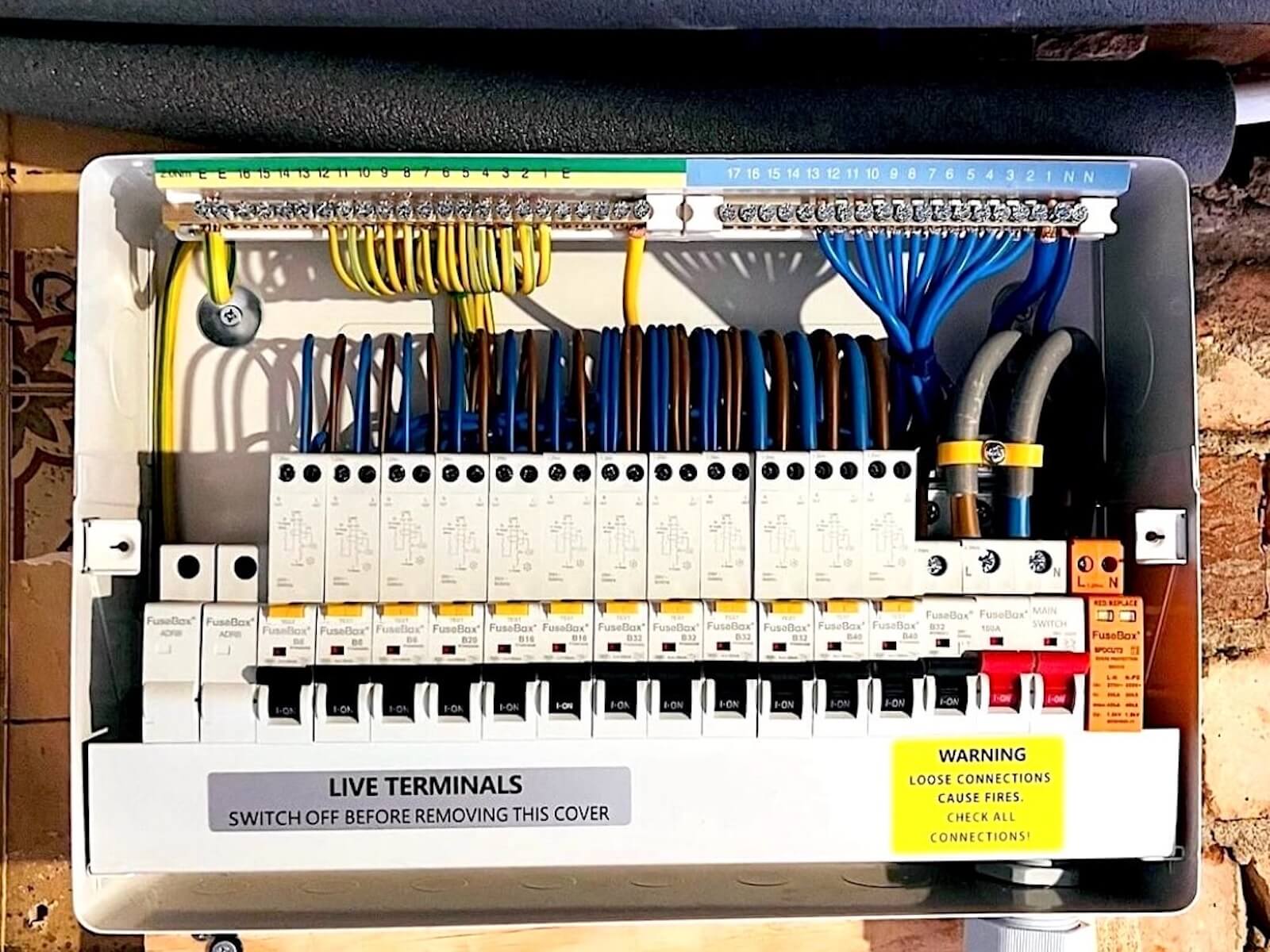
Obtaining the report is only one half of the legal requirement. Landlords must provide a copy of the EICR to each existing tenant within 28 days of the inspection. For new tenancies in areas like Charminster or Boscombe, the report must be provided before the tenant occupies the premises.
Furthermore, if a local authority requests a copy of the report, you have only seven days to provide it. Failure to adhere to these administrative timelines is a common trigger for the £40,000 civil penalty, even if the electrical installation itself is safe. Fix this by ensuring your electrical contractor provides digital PDF copies immediately upon completion of the report.
An EICR results in one of two outcomes: Satisfactory or Unsatisfactory. If a report contains C1, C2, or FI (Further Investigation) codes, it is deemed Unsatisfactory.
Many landlords incorrectly believe that a "C3" code (Improvement Recommended) makes a report unsatisfactory. It does not. However, ignoring C1 and C2 codes is a direct breach of the law. Once the remedial work is finished, you must obtain written confirmation from your electrician that the work has been completed and the safety standards are now met.
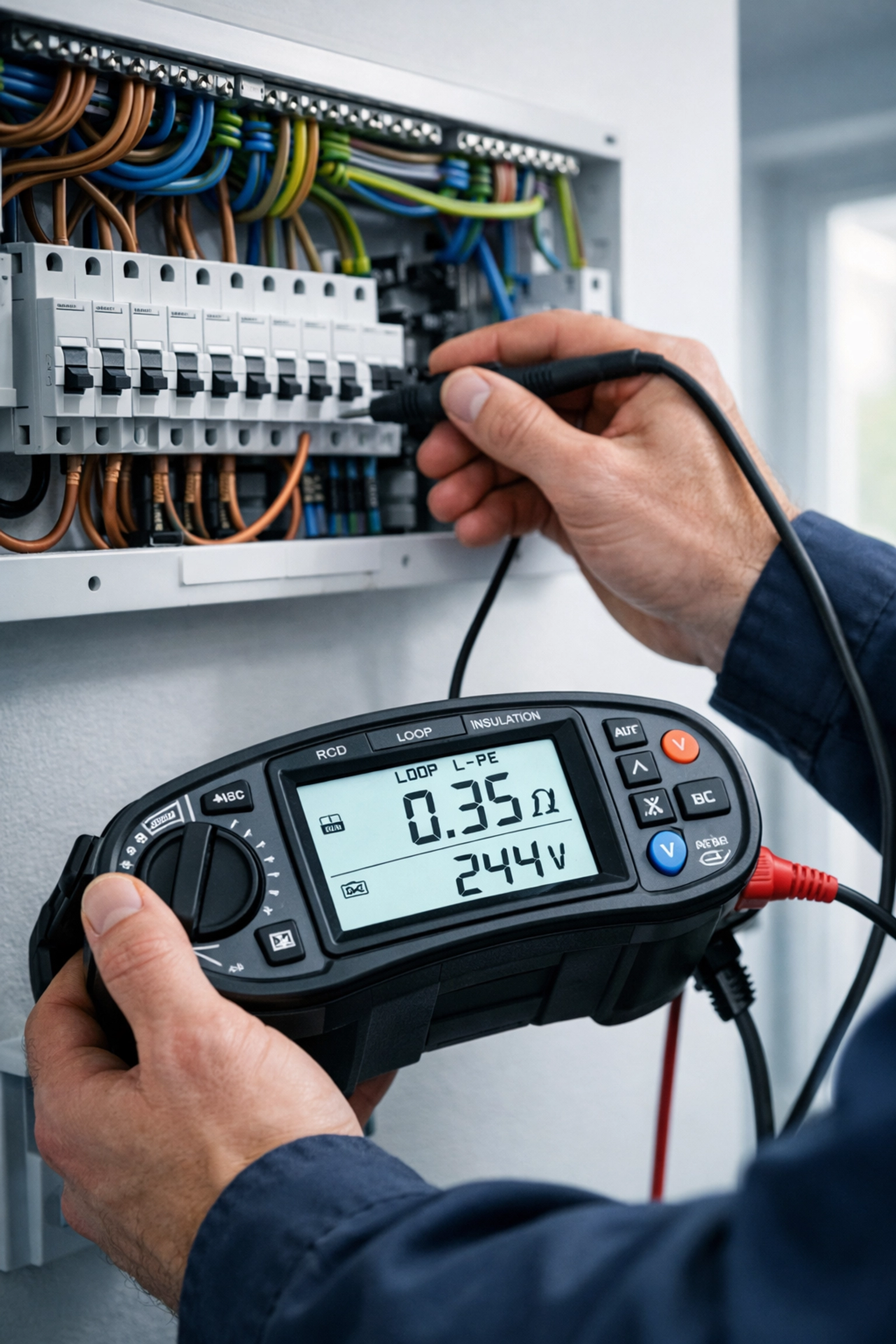
A significant mistake involves completing the remedial work but failing to keep the evidence. When a landlord in Bearwood or Hamworthy fixes a C2 fault, they must provide the tenant and the local authority with both the original unsatisfactory EICR and the written confirmation of the remedial works.
The "fix" here is to ensure you receive a Minor Works Certificate or an Electrical Installation Certificate (EIC) for the repairs. Keep these documents stapled to the original EICR. This creates a clear audit trail that proves the property was brought back to a safe standard within the 28-day window.
Landlords often pay for an EICR on a property that has just been fully rewired or is a brand-new build. This is technically unnecessary and a waste of resources.
If a property has been entirely rewired or is new, you should have an Electrical Installation Certificate (EIC). Under the regulations, an EIC can be used in place of an EICR, provided it is less than five years old. You must still provide a copy of the EIC to your tenants. The five-year EICR clock then starts from the date the EIC was issued. We provide EICs for all major installations in Wimborne and surrounding Dorset districts.
While not strictly part of the EICR, landlords frequently fail to address the underlying causes of electrical failures, such as damp and condensation. High humidity levels can lead to moisture ingress in light fittings and sockets, causing recurring C2 faults during inspections.
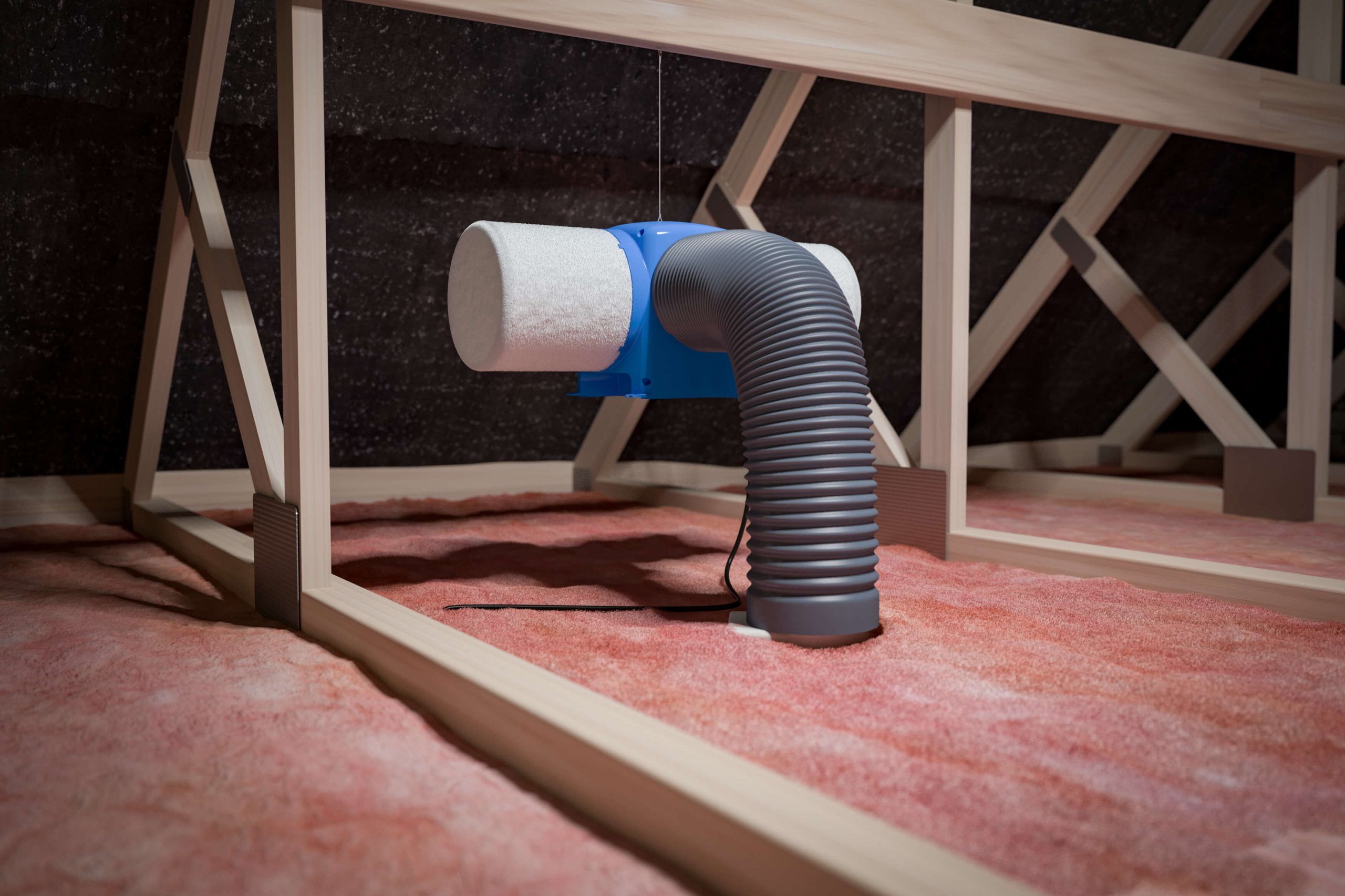
We are seeing an increase in landlords installing a PIV unit (Positive Input Ventilation) to combat these issues. A PIV system ensures constant filtered air circulation, which prevents the mould and damp that often damage electrical components in older Dorset properties. Integrating a PIV system during a remedial work phase is a cost-effective way to protect the electrical integrity of the building.
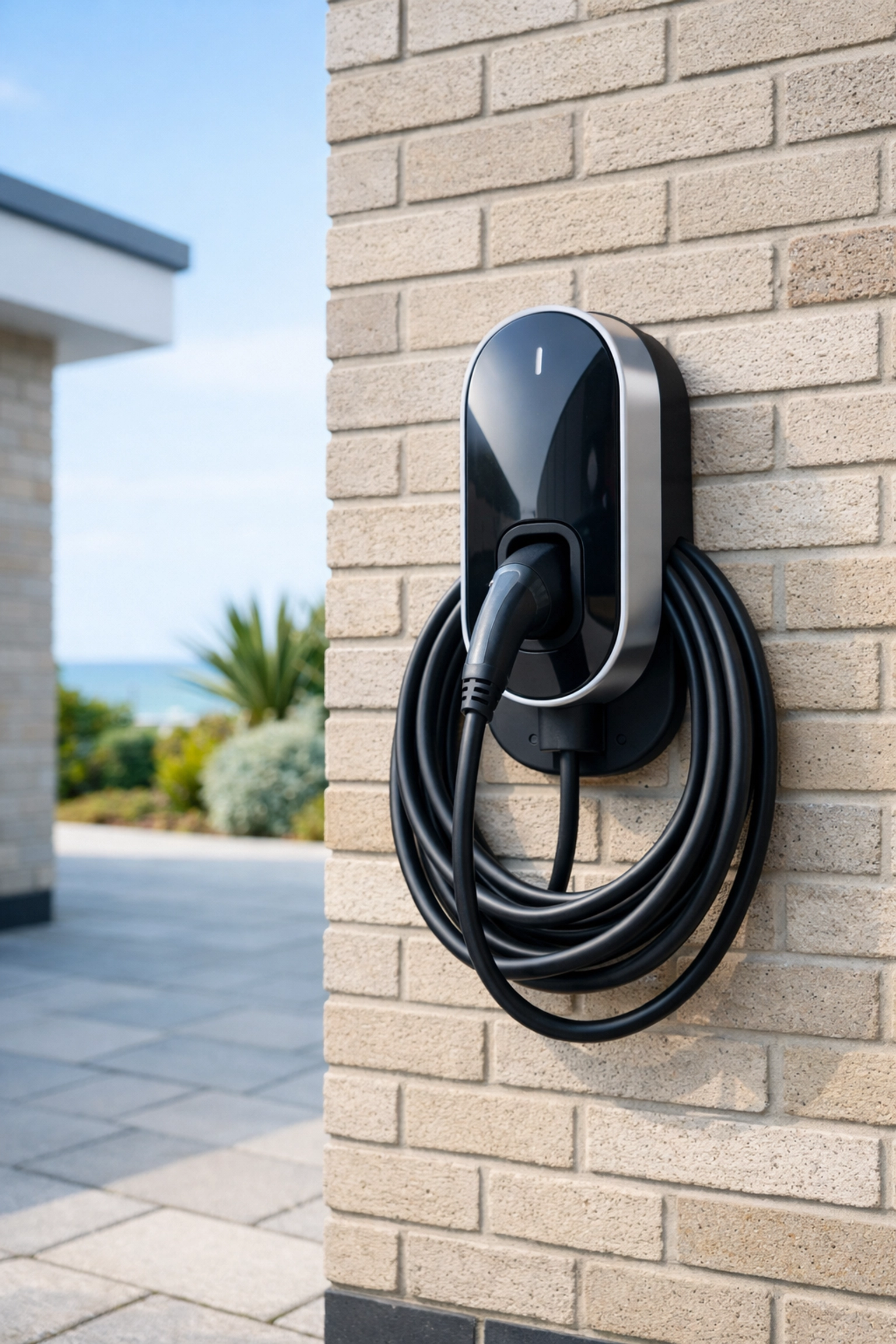
With the shift toward electric vehicles, landlords in Bournemouth and Poole are increasingly looking at EV charger installation. When an EICR is being conducted, it is the ideal time to assess the capacity of the consumer unit for an EV charger.
If your EICR identifies that your consumer unit requires an upgrade to meet modern RCD (Residual Current Device) requirements, installing a unit that is also EV-ready can save significant costs later. A property with a valid EICR and a dedicated EV charging point is significantly more attractive to high-quality tenants and often commands a higher rental yield.
The local authorities covering Christchurch, Branksome Park, and Canford Cliffs have increased their inspection frequency. They are no longer just looking for the presence of a report but are scrutinizing the quality of the inspection and the speed of remedial actions.
If a fault is found, the local authority may serve a "remedial notice." If you do not comply with this notice within 28 days, the authority can arrange for the work to be done at your expense and levy the aforementioned £40,000 fine.
To ensure your property meets the 2026 standards:
Dorset Electrical Solutions remains available for EICR testing, remedial works, and ventilation installations across Ashington, Bear Cross, and Creekmoor. Our technicians are fully equipped to handle high-volume portfolio assessments and urgent remedial tasks.
Photos of recent consumer unit upgrades and PIV installations to follow in our next project update.
Thanks.