
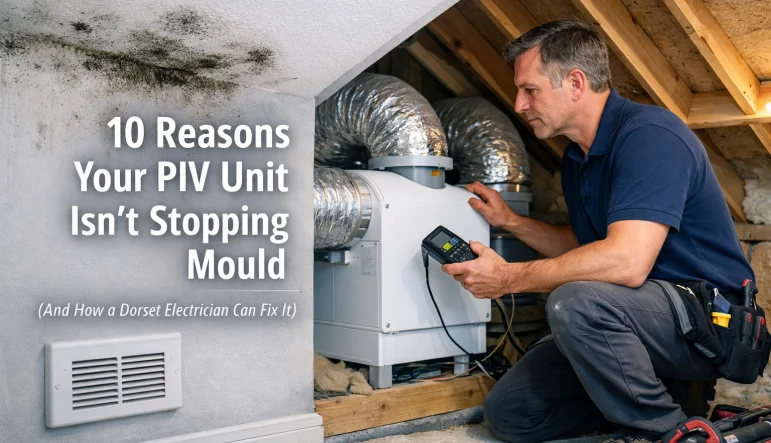
Positive Input Ventilation (PIV) systems are often marketed as the ultimate solution for condensation and mould in residential properties. For many homeowners and landlords in Dorset, particularly in older properties across Bournemouth and Poole, these units are a standard installation to maintain air quality and satisfy EICR requirements. However, we frequently encounter cases where a PIV unit is running, yet mould continues to appear on walls and around window frames.
Installing a PIV system is not a "set and forget" solution. If the unit is not specified, installed, or maintained correctly, it will fail to address the underlying moisture issues. Our team regularly assists clients in Ferndown and Ringwood who are frustrated by recurring damp despite having ventilation systems in place. This post outlines the technical reasons why your PIV unit might be underperforming and how professional intervention from an electrician in Dorset can rectify the situation.
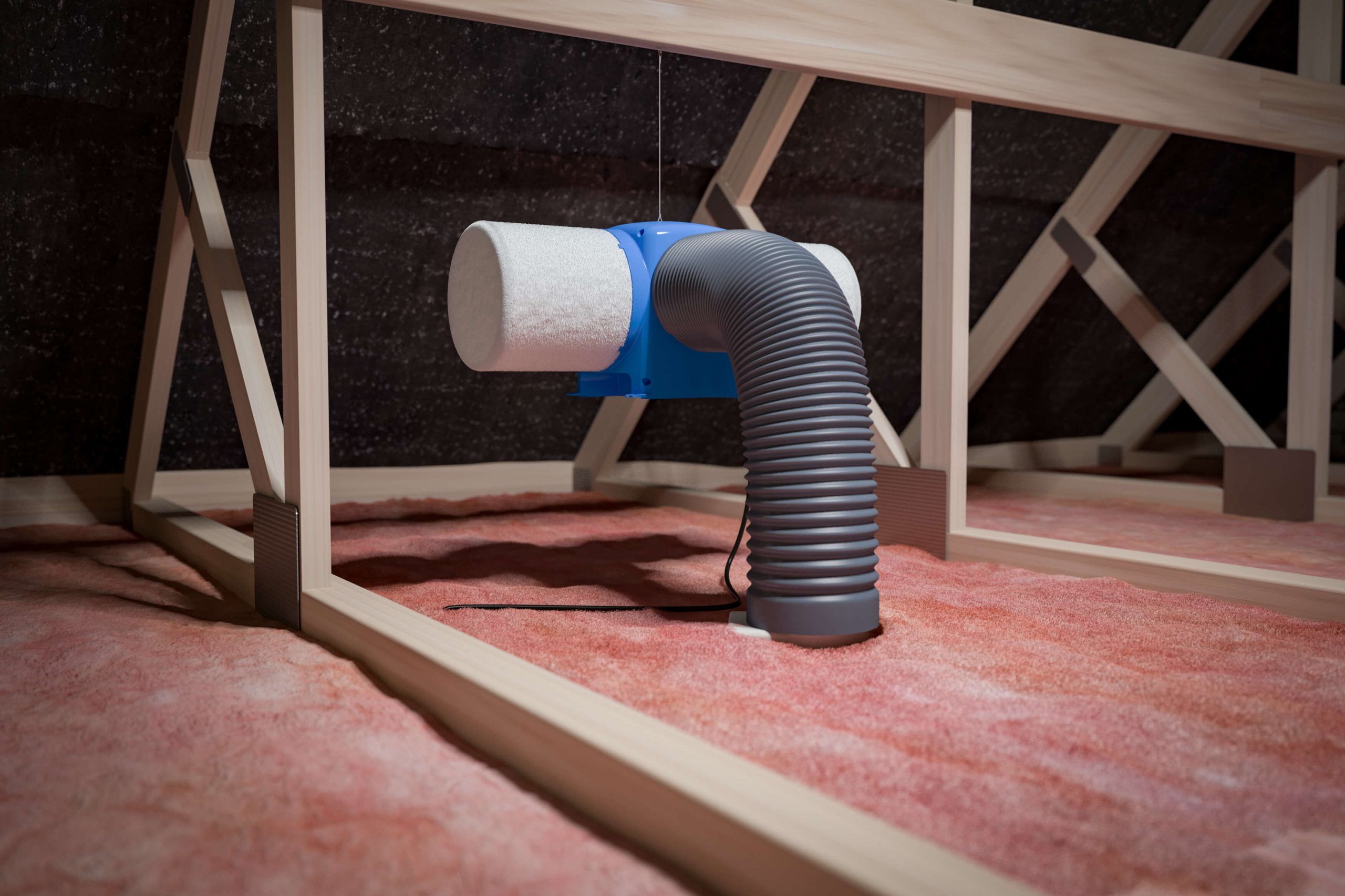
Most PIV units are installed in the loft space, drawing air from the roof void and pushing it into the living areas. If your loft is dusty, contains old fibreglass insulation, or has its own mould growth on the rafters, the PIV unit is effectively pumping contaminated air into your home. In older Victorian properties in Boscombe, roof voids are often poorly sealed. If the air being introduced is already high in spores or particulates, the internal environment will not improve.
PIV units rely on filters to ensure the air entering the home is clean. These filters are typically G4 or F7 grade. Over time, these filters become clogged with pollen, dust, and debris. Once a filter is saturated, the airflow drops significantly. Without sufficient airflow, the unit cannot create the positive pressure required to displace moist air. We recommend checking filters every six months, especially in high-pollen areas near Canford Heath.
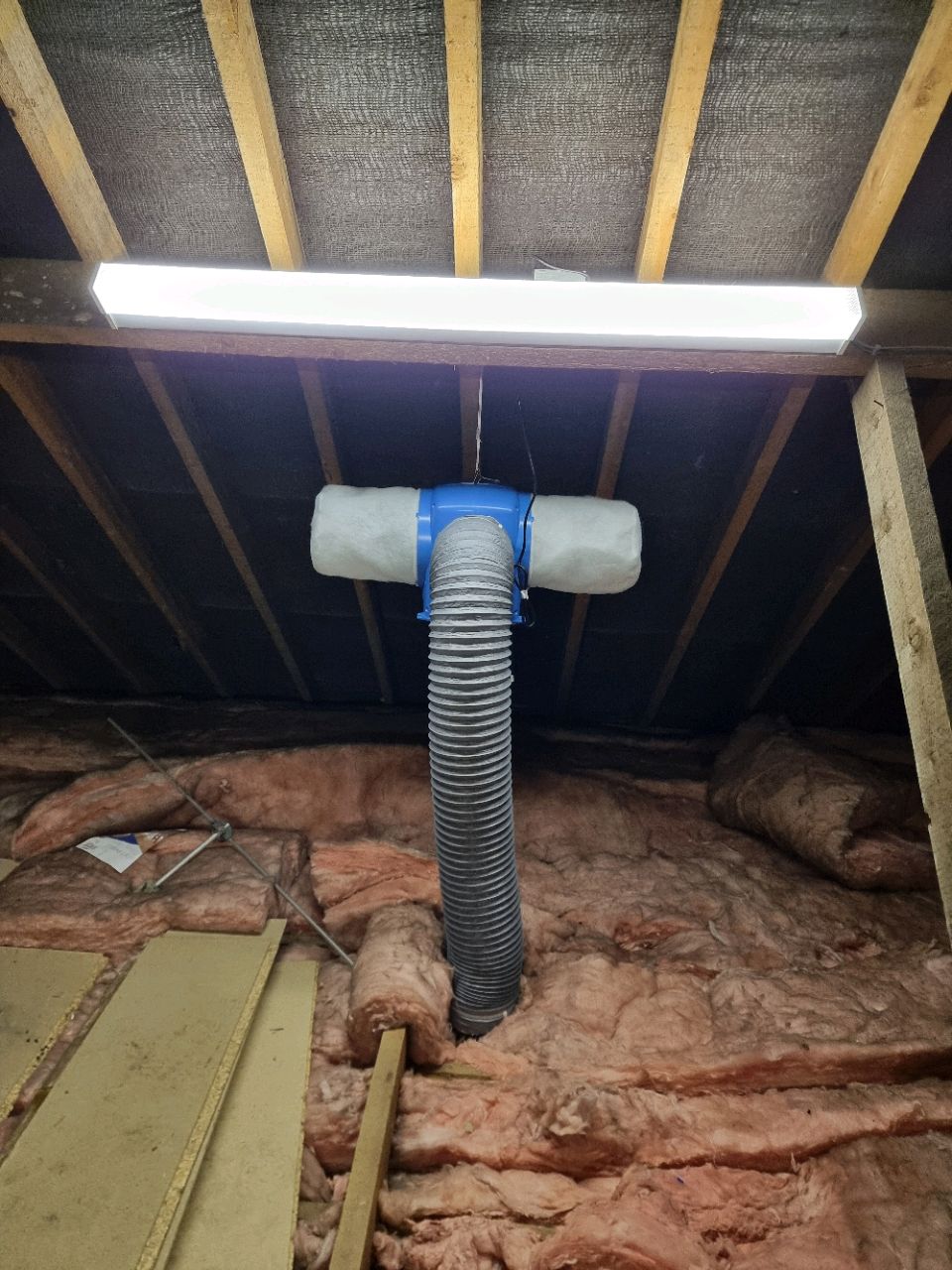
Every property has a specific "wash" requirement: the amount of air needed to cycle through the building to keep it dry. If the fan speed is set too low for the square footage of the house, the moisture remains trapped. Conversely, if the fan is set too high, it can create uncomfortable draughts, leading occupants to turn the unit off entirely. Correct calibration by an electrician is essential to balance performance with comfort.
A PIV unit needs a constant supply of fresh air into the loft to function. if your loft is "sealed" or has blocked soffit vents, the unit will eventually struggle to find air to move. It may even begin to pull air from the house back into the loft through gaps in the ceiling, creating a counter-productive loop. Ensuring your roof void is adequately ventilated is a prerequisite for any PIV installation in areas like Charminster.
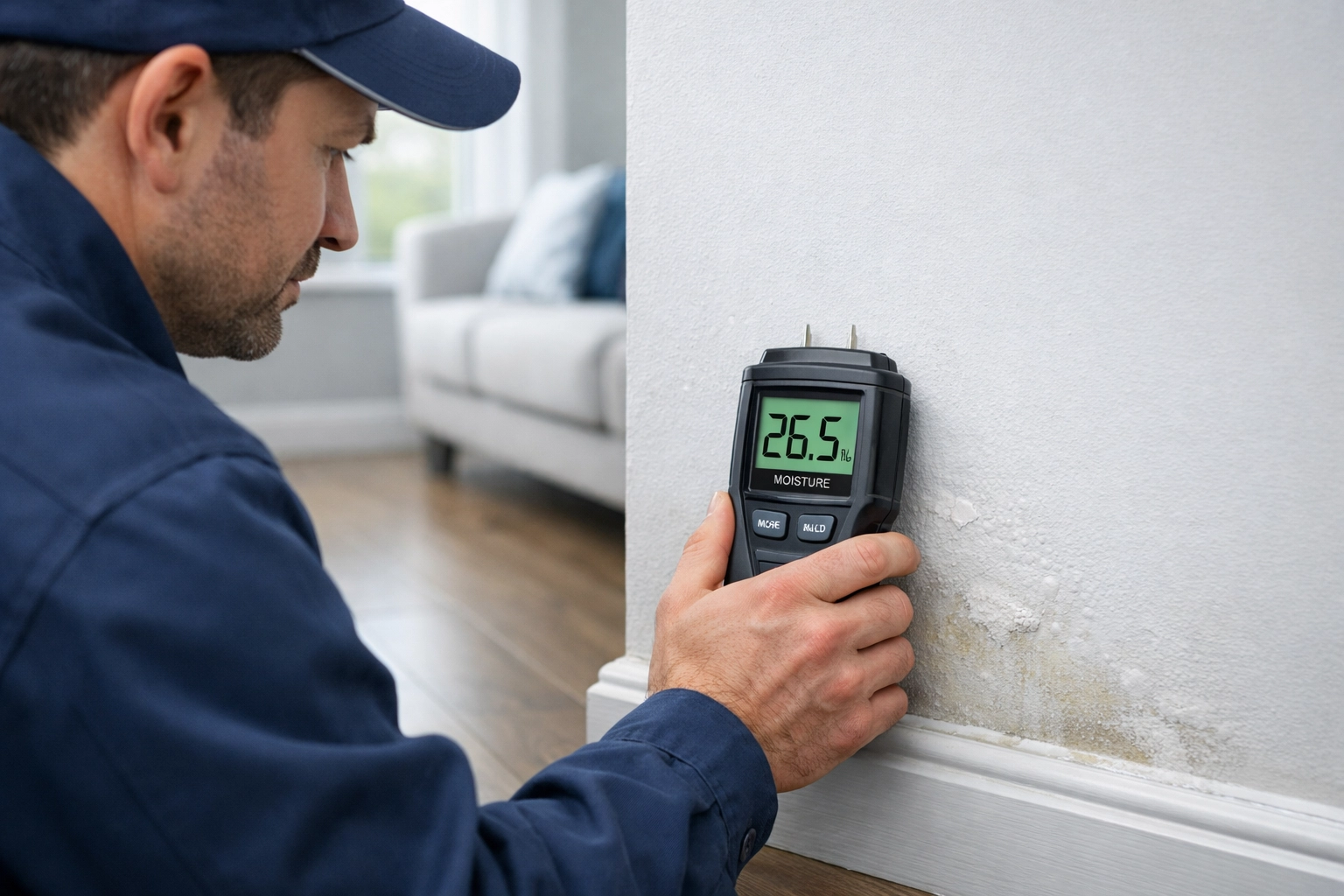
PIV systems are designed to tackle condensation: moisture produced by breathing, cooking, and showering. They are not a cure for structural damp. If your property has a failing damp-proof course (DPC), a leaking pipe, or penetrating damp through the masonry, a PIV unit will not stop the mould. We often see this in coastal properties in Canford Cliffs where driving rain bypasses old pointing.
For positive pressure to work, the air must be able to move from the hallway into the rooms and then out through natural leakage points or extractors. If internal doors are kept tightly shut and have no gap at the bottom (especially after thick new carpets are laid), the air remains stagnant in the bedrooms. This results in "pockets" of mould in corners despite the PIV unit running in the hallway.
Mould grows where warm, moist air meets a cold surface. If a homeowner is keeping the heating off or very low to save on energy costs, the wall temperatures drop below the dew point. Even with a PIV unit, if the surface temperature is low enough, condensation will form. This is common in "cold bridge" areas, such as concrete lintels above windows in Bear Cross homes.
It sounds simple, but many PIV units are turned off by tenants or homeowners because they believe it is "blowing cold air" or using too much electricity. A standard PIV unit uses very little power: often less than a lightbulb: but it must run 24/7 to be effective. If the unit is switched off during the night when moisture levels are highest, mould will inevitably return.
PIV is a whole-house solution, but it works best in tandem with mechanical extract ventilation (MEV) in wet rooms. If you are showering without an effective extractor fan in the bathroom, the PIV unit has to work significantly harder to push that concentrated steam out of the house. We frequently install high-performance extractor fans alongside PIV units to provide a dual-layered approach to moisture control.
In some cases, the positive pressure can force warm, moist air into the fabric of the building: into wall cavities or floor voids. If this air reaches a cold surface within the wall, it can cause interstitial condensation. This is hidden mould that rots timbers and degrades insulation. Professional installation ensures the pressure is balanced to avoid forcing moisture into areas where it cannot escape.
Our approach to ventilation is technical and evidence-based. We do not simply "hang a fan" in the loft. When we visit a property in Poole, Bournemouth, or Ferndown, we conduct a full assessment of the electrical and environmental factors.
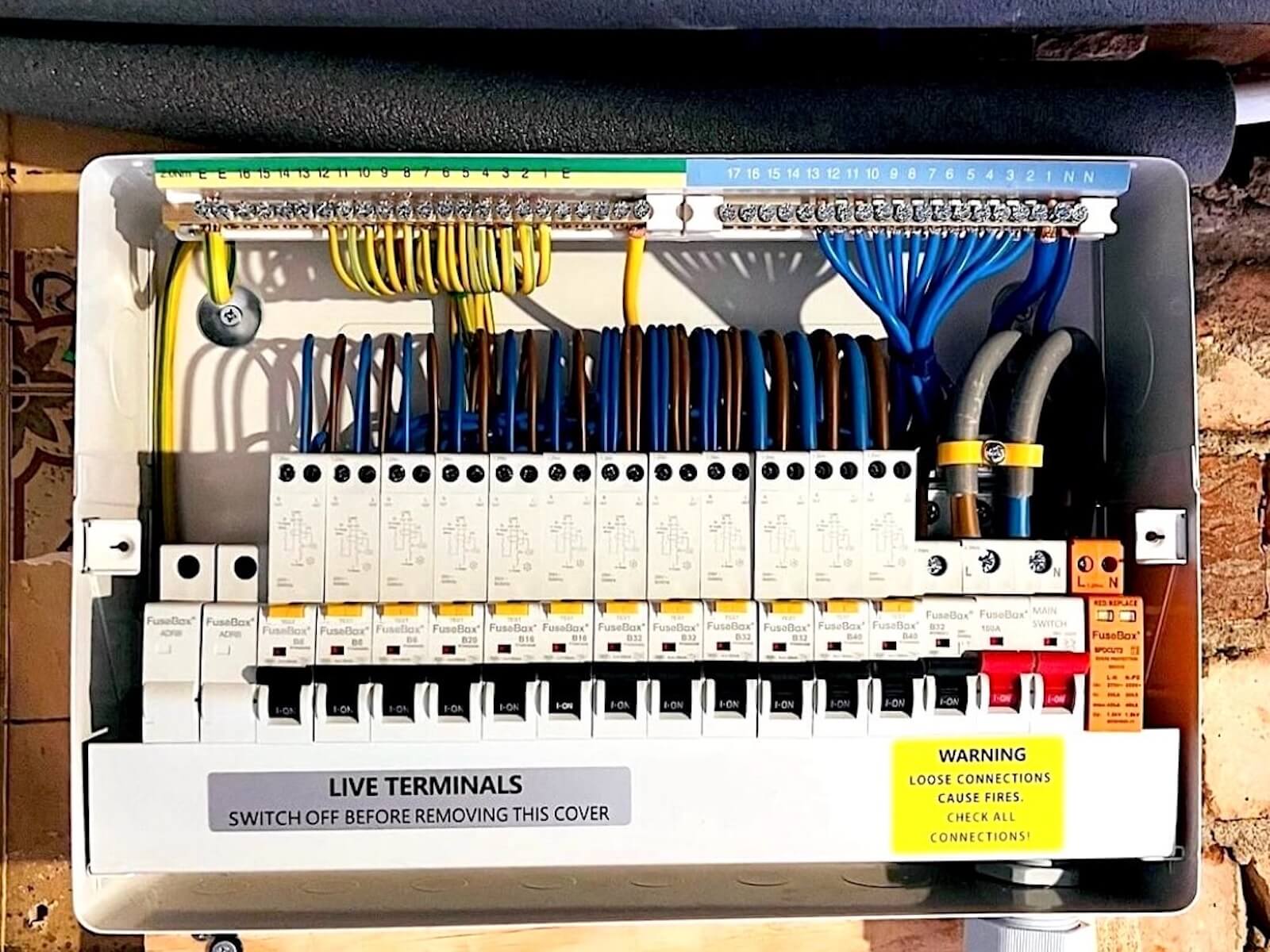
Dorset Electrical Solutions provides specialist ventilation and electrical services across the region. Whether you are a landlord in Lilliput needing to resolve a tenant's mould complaint or a homeowner in Ringwood looking for better air quality, our team is qualified to assist.
Our engineers are experienced in the nuances of Dorset’s housing stock, from modern builds in Creekmoor to older terrace houses in the town centres. We ensure all work is compliant, safe, and effective.
If your PIV unit is running but the mould is staying, it is time for a professional review. We are currently scheduling PIV maintenance and remedial electrical works throughout the spring season.
Photos of recent installations in Bournemouth to follow.
Dorset Electrical Solutions. Reliable. Compliant. Local.