
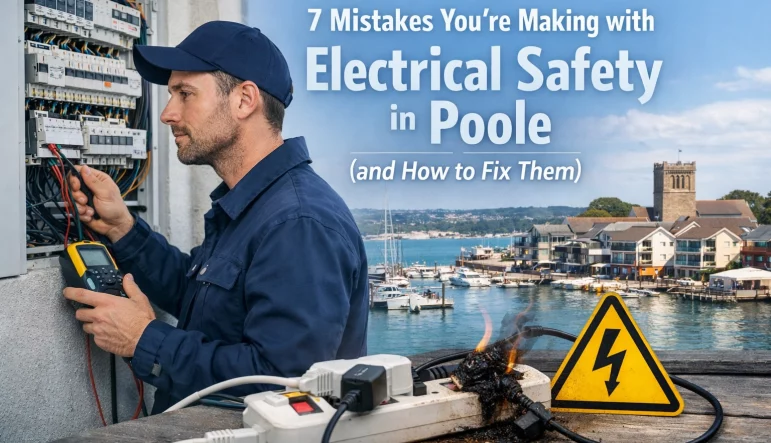
Living on the coast in Poole or Bournemouth comes with its perks, but the salt air and the older housing stock in areas like Sandbanks or Parkstone can take a toll on your home's electrical systems. Whether you’re a DIY enthusiast or just trying to save a few quid on home maintenance, electrical safety is one area where "close enough" simply isn’t good enough.
At Dorset Electrical Solutions, we see the same issues cropping up time and again. Many of these mistakes are invisible until something starts smelling like burnt plastic or, worse, the power goes out entirely. As your local electricians in Dorset, we’ve put together this guide to help you identify the common pitfalls in electrical safety Poole residents face and how to fix them before they become dangerous.
One of the most common mistakes we see in older properties across Ferndown and Poole is the habit of "socket-stretching." In many older homes, the original wiring was never designed to handle the sheer number of gadgets we use today. When you add too many sockets to a single circuit, you’re exceeding the capacity determined by the fuse or circuit breaker.
The Danger:
Exceeding a circuit's capacity causes the wiring inside your walls to heat up. Over time, this heat degrades the insulation. Once the insulation is gone, you’re looking at a serious fire risk.
How to Fix It:
Before you decide to tap into an existing line to add a new double socket for your home office, have a professional circuit assessment. Our team can help determine if your current setup can handle the load. A better solution is often to spread high-power appliances: like kettles, heaters, and washing machines: across different circuits rather than concentrating them all on one ring.
We’re all for a bit of DIY, but when it comes to cabling, the "whatever is in the shed" approach is a recipe for disaster. Different electrical loads require different cable thicknesses (gauges). Using a cable that is too thin for the current passing through it creates resistance.
The Danger:
Resistance generates heat. If you use a thin cable for a high-load appliance, the cable will act like the heating element in a toaster. It will eventually melt the insulation and potentially ignite surrounding materials.
How to Fix It:
Always ensure every installation uses the correct wire gauge. If you aren't sure whether you need 1.5mm or 2.5mm twin and earth, it’s time to call in the experts. Licensed electricians in Dorset are trained to select wire sizes that comply with BS 7671 regulations, ensuring your home remains safe.

If you’ve ever noticed your lights flickering or heard a faint buzzing sound from a light switch, you likely have a loose connection. This often happens in socket back-boxes or junction boxes where wires haven't been secured properly. Even worse is the "DIY splice," where people join wires together using nothing but electrical tape.
The Danger:
Loose wires create "arcing." This is where electricity literally jumps across the gap between connections. This arc produces intense heat that can reach thousands of degrees, melting plastic components and starting fires behind your walls.
How to Fix It:
Ditch the electrical tape for anything other than temporary marking. Modern, compliant connectors like Wago clips or properly torqued screw terminals are the way to go. If you smell burning plastic or hear buzzing, this is an emergency: contact us immediately to investigate. You can see examples of our clean, secure wiring in our gallery here.
When preparing a wire for a terminal, there’s a goldilocks zone for how much insulation you should remove. Strip too little, and the screw clamps onto the insulation (creating a poor connection). Strip too much, and you leave bare copper exposed.
The Danger:
Exposed copper outside the terminal is a major hazard. It can cause short circuits if it touches another wire, or it can "energise" the metal back-box of a socket. If that happens, anyone touching the screw on the front of the plate could receive a life-threatening shock.
How to Fix It:
The goal is to strip exactly enough so that the copper is fully enclosed within the terminal, with the insulation butting up right against the connector. It’s a small detail that makes a massive difference in safety.
This is arguably the most dangerous mistake a homeowner can make. Many people believe that turning off the light switch or flipping a single breaker makes a circuit safe to work on.
The Danger:
If your consumer unit is mislabelled: which we see all the time in Ringwood and Bournemouth: you might be working on a live circuit without knowing it. Furthermore, DIY neon screwdriver testers are notoriously unreliable; they can show a circuit is dead when it’s actually still carrying a charge.
How to Fix It:
Follow professional "Safe Isolation" procedures. This involves turning off the main supply, using a calibrated voltage tester to confirm the circuit is dead, and locking the isolator so no one else can flip it back on while you’re working. If you don't have the gear to do this safely, don't risk it.
A Residual Current Device (RCD) is a life-saving component that monitors the flow of electricity. If it detects a leak (a "fault"): for example, if you accidentally cut through a lawnmower cable: it shuts off the power in milliseconds. Many older homes in Poole still rely on old-fashioned fuse boxes that don't provide this level of protection.
The Danger:
Without RCD protection, a fault can continue to flow, leading to electrocution or fire. If you are installing new sockets or outdoor lighting, it is a legal requirement under UK regulations to ensure they are RCD-protected.
How to Fix It:
The best fix is a consumer unit upgrade. Replacing an old fuse board with a modern consumer unit equipped with RCDs and Surge Protection Devices (SPDs) is the single biggest safety improvement you can make for your home.
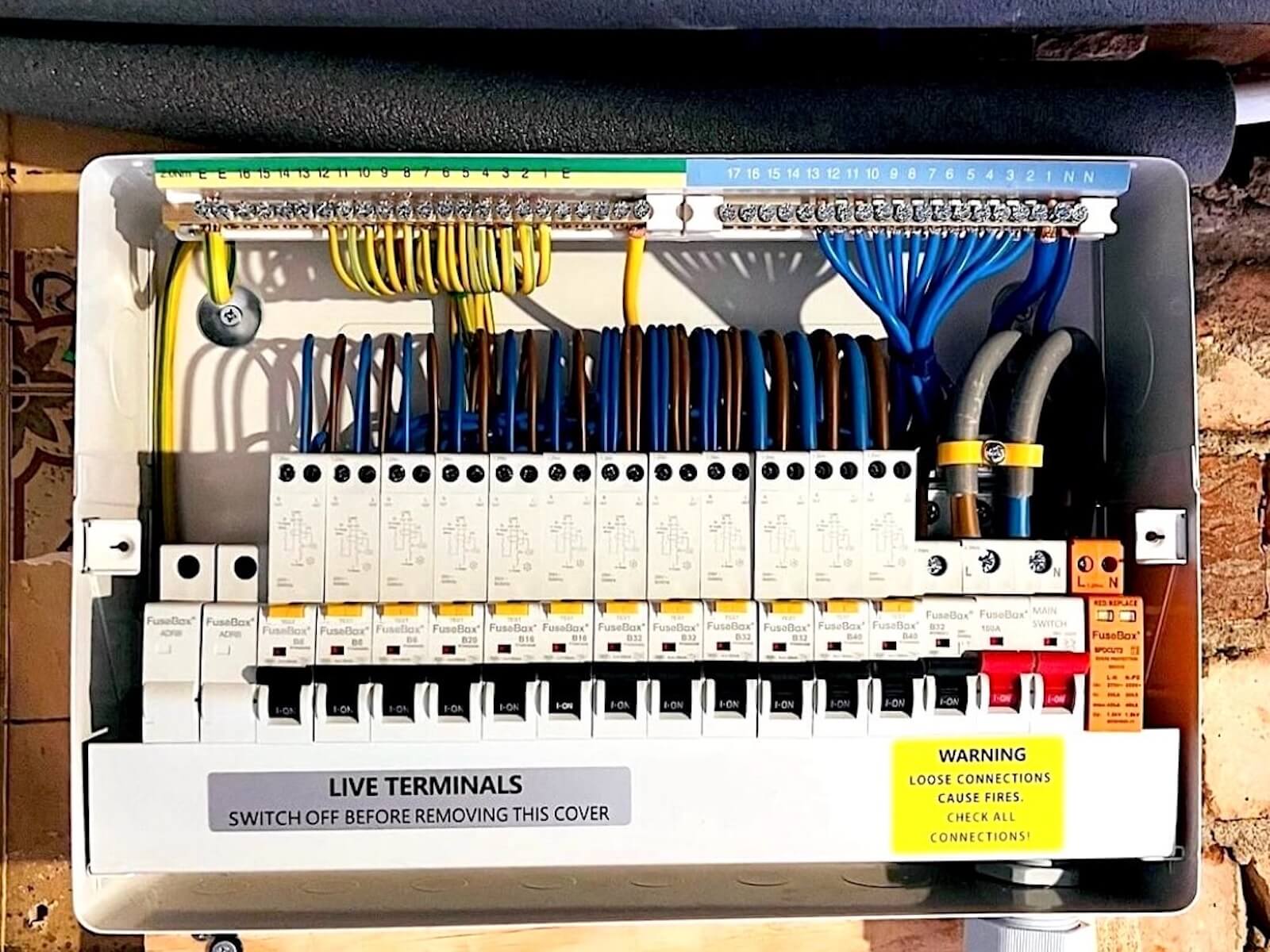
You can check out our recent consumer unit installations in the Bournemouth area here.
We’ve all seen it: an extension lead plugged into another extension lead, hidden behind a sofa or TV stand. In a world of home cinemas and gaming rigs, it’s an easy trap to fall into.
The Danger:
Extension leads are rated for a maximum load (usually 13 amps). Daisy-chaining them increases electrical resistance and makes it incredibly easy to overload the primary lead. Because these are often tucked away, they can overheat and catch fire without you noticing until it’s too late.
How to Fix It:
Extension leads should be temporary solutions. If you find yourself needing more power points permanently, the correct fix is to have an electrician install additional wall sockets. This ensures the load is handled by the house's ring main rather than a flimsy plastic strip.
When we talk about "safety" in Dorset homes, we often focus on shocks and fires. But your home’s environment also impacts your safety and health. Many residents ask us about positive input ventilation (PIV) systems and whether the myths about them being expensive to run are true.
Actually, a PIV system is a fantastic way to improve indoor air quality and protect your electrical fixtures. High humidity and condensation: common in coastal Poole: can lead to damp walls and mould. This moisture can eventually seep into your electrical accessories, causing corrosion and short circuits.
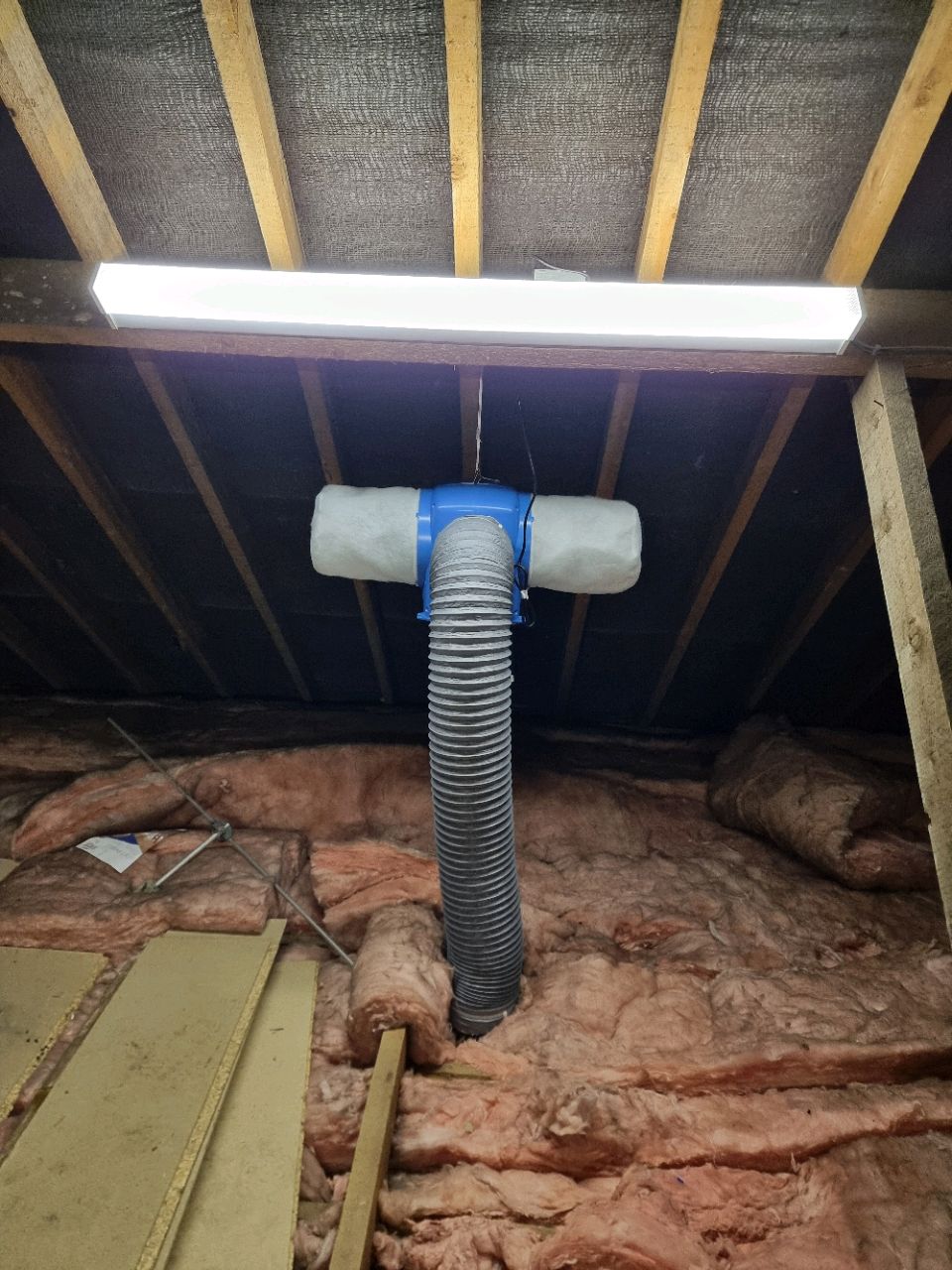
Installing a PIV system helps keep your home dry and your air clean. You can learn more about how we integrate these systems into our ventilation services here.
While this guide focuses on homeowners, the stakes are even higher for businesses. If you manage a commercial property in Ferndown or Ringwood, you have a legal obligation to ensure your electrical systems are safe for employees and the public. This includes regular EICR (Electrical Installation Condition Report) testing and PAT testing. We offer comprehensive commercial electrical services to keep your business compliant and safe.

Electrical safety isn't the place for guesswork. Small mistakes, like stripping a wire too far or overloading a circuit, can have devastating consequences. Whether you need a simple socket installation or a full consumer unit upgrade, Dorset Electrical Solutions is here to help. We pride ourselves on being the most reliable electricians in Dorset, serving Poole, Bournemouth, and the surrounding areas with professional, high-standard workmanship.
If you’re worried about the state of your wiring or if you’ve noticed any of the "mistakes" mentioned above in your home, don't wait for a fault to happen. Get in touch with us today for a safety inspection. Your peace of mind is worth the call.