
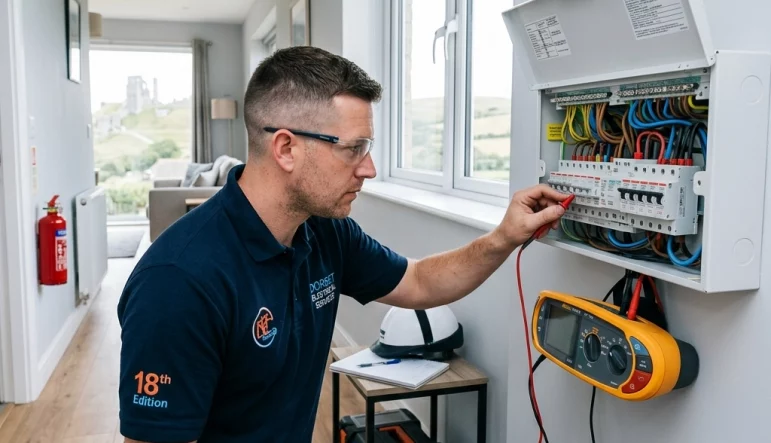
If you’re a landlord in Bournemouth, Poole, or anywhere across Dorset, you’re likely well-aware of the Electrical Safety Standards in the Private Rented Sector (England) Regulations. Since 2021, these rules haven't just been "best practice": they are the law. An Electrical Installation Condition Report (EICR) is your primary tool for ensuring your property is safe and your legal liability is covered. However, after performing countless inspections from Ferndown to Ringwood, our team at Dorset Electrical Solutions has noticed a pattern of recurring mistakes that leave landlords vulnerable.
Failing an EICR isn’t just about the hassle of repairs; it’s about the risk of fines up to £30,000, voided insurance, and most importantly, the safety of your tenants. In this guide, we break down the seven most common pitfalls and how you can stay compliant without the stress.
One of the most frequent mistakes we see is the "wait and see" approach. Landlords often delay their EICR until the very last moment, or past the five-year expiry, hoping to defer the cost of potential remedial work. In a coastal environment like Dorset, where salty air and high humidity can accelerate the degradation of electrical components, delaying an inspection is a high-stakes gamble.
Postponing doesn't just put your tenants at risk of electrical fire or shock; it fundamentally undermines your insurance policy. Most providers will not pay out for fire damage if a valid EICR wasn't in place at the time of the incident. The fix is simple: treat the EICR like an annual gas safety check: mark it in the calendar six months before it expires. Regular maintenance by a certified electrician dorset prevents small issues from ballooning into expensive, property-wide rewires.
Compliance doesn't end when the engineer leaves your property. A major legal requirement often overlooked by Bournemouth and Poole landlords is the 28-day distribution rule. Once you receive your EICR, you must provide a copy to each existing tenant within 28 days. For new tenancies, the report must be provided before the tenant moves in.
If the local authority: such as BCP Council: requests a copy, you have only seven days to produce it. Many landlords lose track of paperwork, leading to technical non-compliance even if the electrics are perfectly safe. We recommend keeping digital copies and using email with a read receipt to prove that you have fulfilled your duty of care.
An EICR is a living document. It’s not just about the certificate itself, but the trail of evidence that follows it. If your report comes back as "Unsatisfactory," you must keep the original report alongside the "Satisfactory" certificate issued after remedial works are finished.
In areas like Ringwood and Ferndown, where many properties are older conversions, having a clear history of electrical upgrades is vital for the property’s value and legal standing. Landlords often fail to keep invoices for the specific parts used or the "Evidence of Remedial Works" document. Without this, you cannot prove that the C1 or C2 faults identified were ever actually fixed.
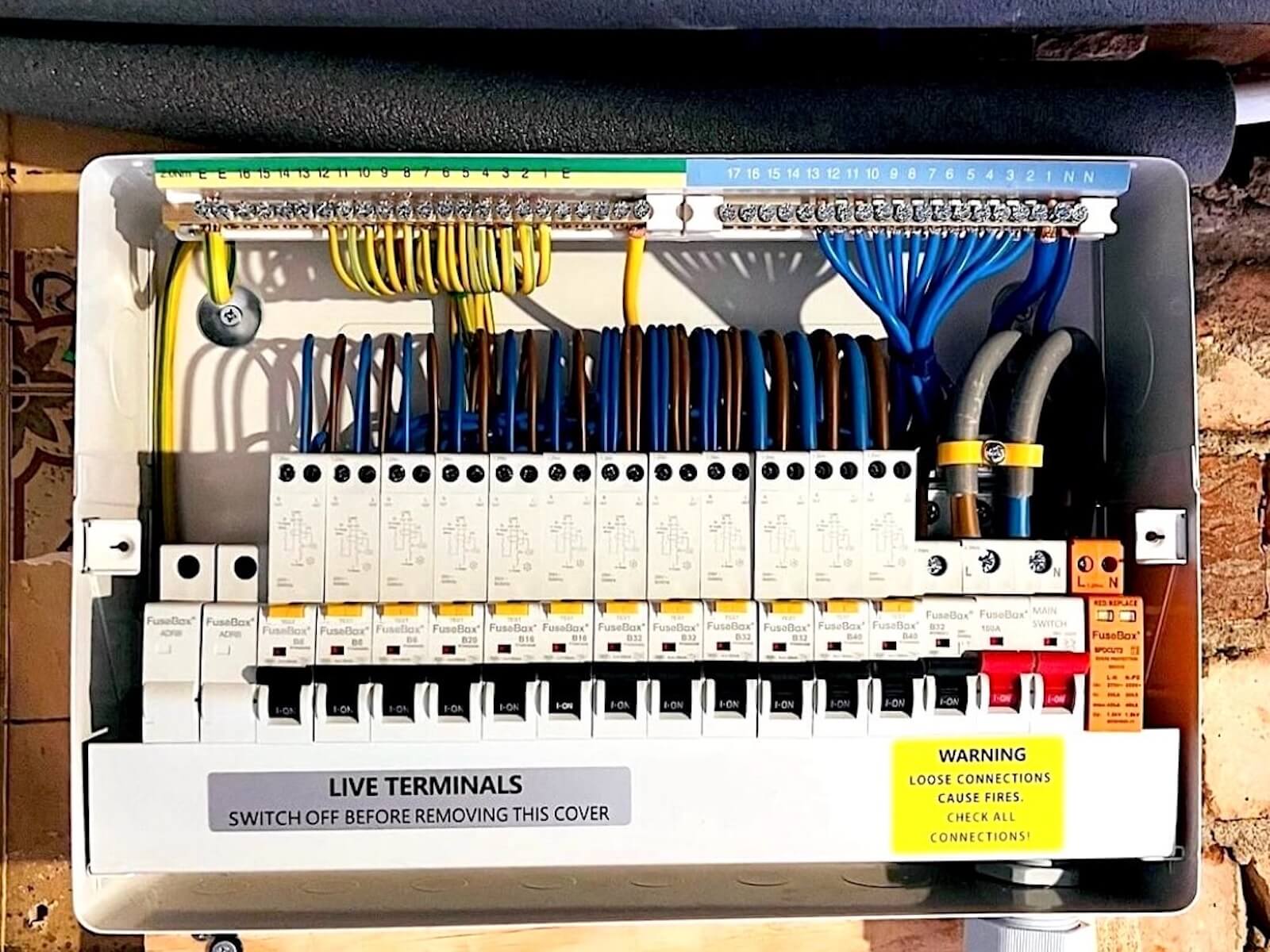
We understand the temptation to save money by swapping out a socket or fixing a light fitting yourself. However, under the current regulations, any remedial work required to move an EICR from "Unsatisfactory" to "Satisfactory" must be completed by a qualified and competent person.
DIY repairs are a major red flag during inspections. Our engineers frequently find "handyman" wiring in kitchens and extensions across Dorset that doesn't meet BS 7671 standards. Not only does this fail the inspection, but it often requires us to rip out the work and start again, doubling your costs. Always hire a professional for anything beyond changing a lightbulb. It’s the only way to ensure your security electrical solutions dorset and general wiring are up to code.
This is arguably the most common technical failure we encounter. Bathrooms are "special locations" in electrical terms because water and electricity are a lethal combination. We often find standard pendant lights or non-IP rated downlights installed directly over showers or baths.
To pass an EICR, light fittings in these "zones" must have the correct Ingress Protection (IP) rating. If a tenant can touch the bulb or the internal wiring without a protective cover, it is an immediate failure. Landlords can fix this by proactively upgrading bathroom lighting to enclosed, IP44 or IP65-rated LED fittings. Not only does this ensure compliance, but it also modernizes the property for the rental market.
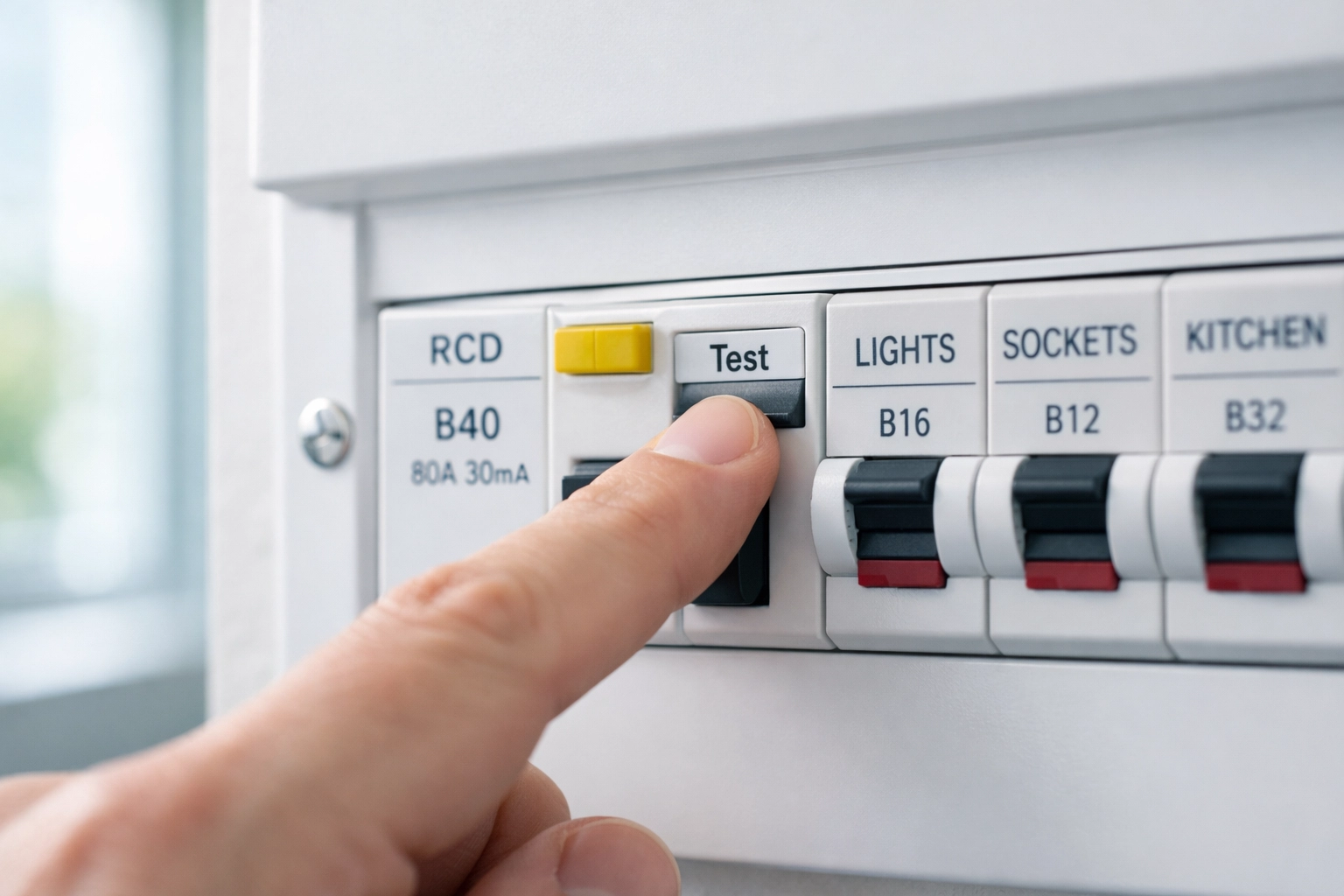
A Residual Current Device (RCD) is a life-saving component that breaks the circuit if it detects a leak of current. Many older properties in Bournemouth and Christchurch still operate on "fuse wire" boards or older circuit breakers without RCD protection.
Current regulations are very strict about RCDs, particularly for circuits that power bathrooms or ground-floor sockets where outdoor equipment might be plugged in. If your consumer unit lacks RCD protection, it’s likely your EICR will receive a C2 rating (Potentially Dangerous). Upgrading to a modern 18th Edition consumer unit is the most effective way to "future-proof" your investment and ensure a pass.
If your EICR identifies "C1" (Immediate Danger) or "C2" (Potentially Dangerous) faults, the report will be marked as "Unsatisfactory." You then have a maximum of 28 days to complete the repairs. We see many landlords miss this window because they spend too long shopping around for quotes or waiting for a window of vacancy.
The fix? Treat a C1 or C2 fault as an emergency. If you don't complete the work within the 28-day window, you are technically in breach of the law. Once the work is done, you must obtain written confirmation of the repairs and provide this to the tenant and the local authority.
While compliance is the baseline, the most successful landlords in Dorset are those who look ahead at two major trends: damp prevention and green energy.
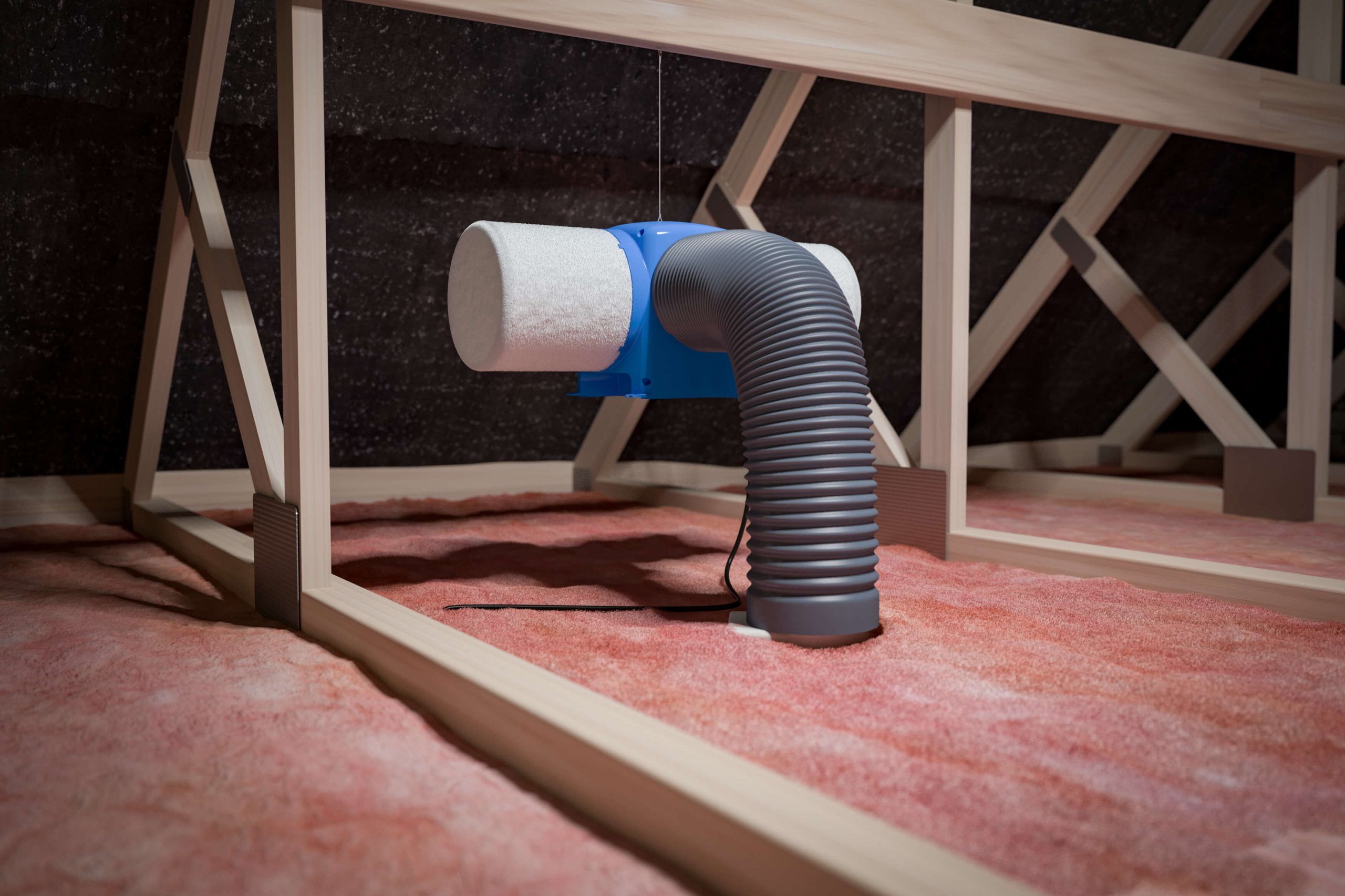
Dorset’s coastal climate means condensation and mould are constant battles for landlords. Instead of blaming tenants for not opening windows, many are now installing a PIV unit (Positive Input Ventilation). A PIV system sits in the loft and gently pushes filtered air into the home, creating a slight positive pressure that forces out moist air. This prevents the damp that often leads to electrical issues and tenant complaints.
With the shift toward electric vehicles, having an EV charger installation at your rental property is becoming a massive competitive advantage. In Bournemouth and Poole, where street parking is at a premium, a dedicated home charging point can increase your property's value and attract long-term, high-quality tenants who drive EVs.
To ensure your next EICR goes smoothly, keep this checklist in mind:
Compliance doesn’t have to be a headache. By staying proactive and avoiding these seven common mistakes, you can protect your tenants, your property, and your peace of mind. Our team of experts is regularly operating across Dorset, helping landlords navigate these regulations with reliable, straightforward service. Whether you need a standard inspection or a full consumer unit upgrade, we are here to help.