
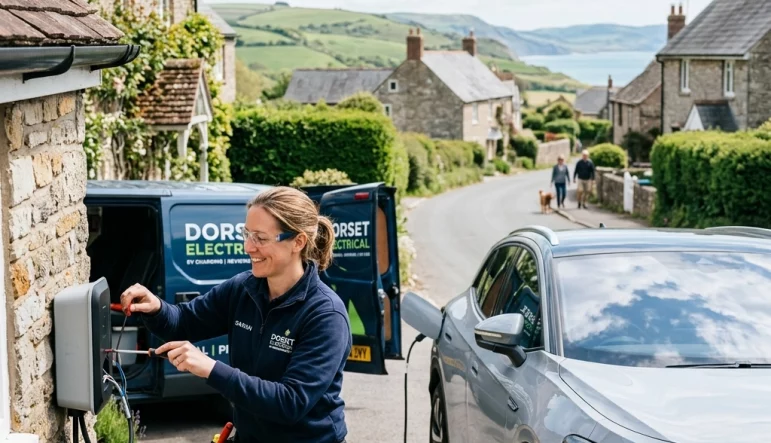
The transition to electric vehicles is accelerating across Dorset, Bournemouth, and Poole. As local residents and property managers in Ferndown and Ringwood upgrade their transport, the demand for reliable EV charger installation increases. Installing a home or commercial charging point is a technical process involving specific electrical regulations and safety standards. Dorset Electrical Solutions performs these installations daily. This guide outlines the technical requirements, local considerations, and infrastructure needs for a successful installation.
Since June 2022, all new home and workplace chargers must have smart functionality. This is a legal requirement in the UK. Smart chargers must be able to charge during off-peak hours to manage grid demand. They also require data protection features and the ability to measure energy exported and imported. Our team ensures that every EV charger installation we perform in Dorset meets the Electric Vehicles (Smart Charge Points) Regulations. These devices allow users to schedule charging via mobile applications, which is essential for taking advantage of lower night-time electricity tariffs.
An EV charger is a high-load appliance that puts significant stress on a domestic electrical system. Before any installation, an electrician in Dorset must verify that your consumer unit (fuse box) can handle the additional 7kW load. In many older properties in Poole and Bournemouth, the existing consumer unit may lack the necessary RCD (Residual Current Device) protection or have insufficient capacity. We often find that a consumer unit upgrade is required to maintain safety and compliance with BS 7671 standards.
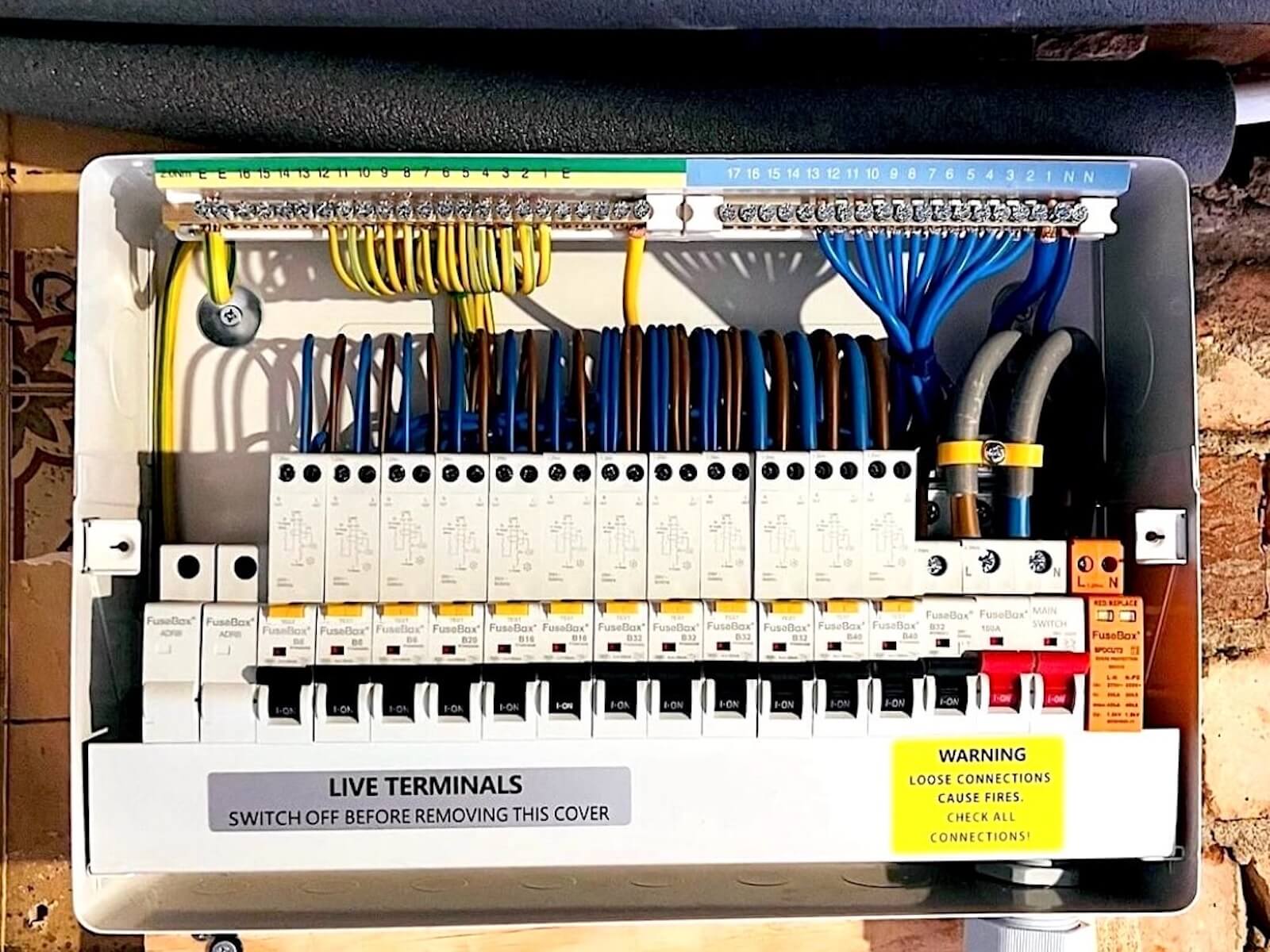
As shown above, a modern consumer unit installation provides the necessary circuit breakers and surge protection to support high-draw devices like EV chargers.
If you are a landlord in Dorset, an Electrical Installation Condition Report (EICR) is a legal necessity. Before adding an EV charger to a rental property, the existing wiring must be certified as safe. An EICR identifies any potential hazards or outdated wiring that could fail under the load of an EV charger. Dorset Electrical Solutions provides comprehensive EICR testing across Ferndown and Ringwood to ensure properties are fit for modern electrical demands. Integrating an EV charger into a system that has not been inspected recently is a significant fire risk.
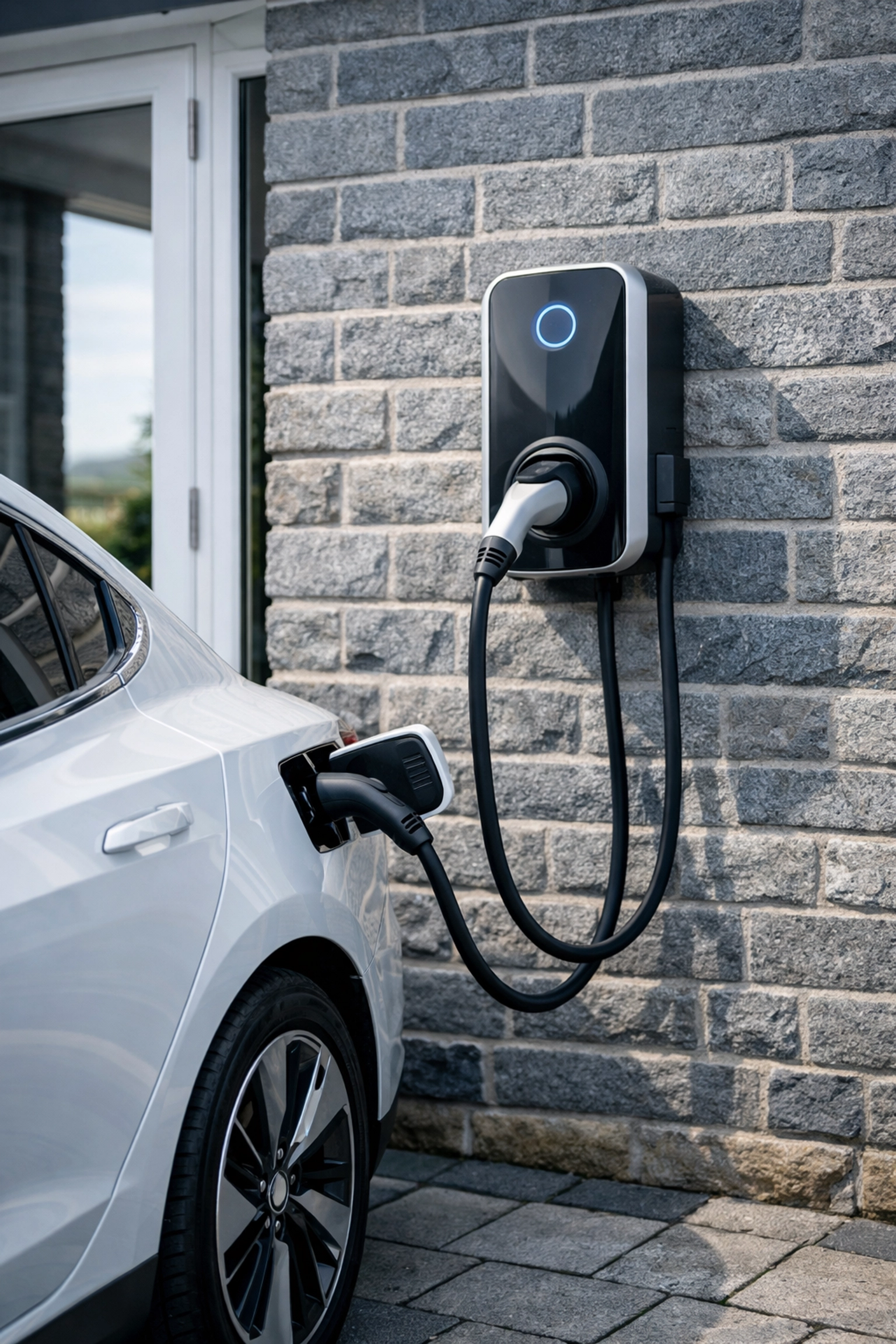
Most residential installations in Dorset utilize a 7kW fast charger. This typically provides about 25–30 miles of range per hour of charging. While 22kW chargers exist, they require a three-phase power supply. Most homes in Bournemouth and Poole are on a single-phase supply, meaning 7kW is the maximum achievable speed without a costly utility upgrade. Our technicians assess the incoming supply from the National Grid to determine the maximum safe charging rate for your specific location.
The Office for Zero Emission Vehicles (OZEV) offers grants for certain types of EV charger installation. While the primary domestic grant for single-unit houses has ended for many, it remains available for tenants, flat owners, and landlords. Businesses in Dorset can also access the Workplace Charging Scheme (WCS), which provides support for the purchase and installation costs of EV charge points. We assist clients in Bournemouth and Poole with the technical documentation required for these applications.
Electrical upgrades often coincide with broader home improvements. In Dorset’s coastal environment, damp and mould are common issues in older properties. While we are on-site for electrical work or EV installations, we frequently install PIV unit systems. A Positive Input Ventilation (PIV) unit helps reduce condensation and improve indoor air quality. This is particularly relevant when homeowners are sealing their properties for energy efficiency, which can inadvertently trap moisture.
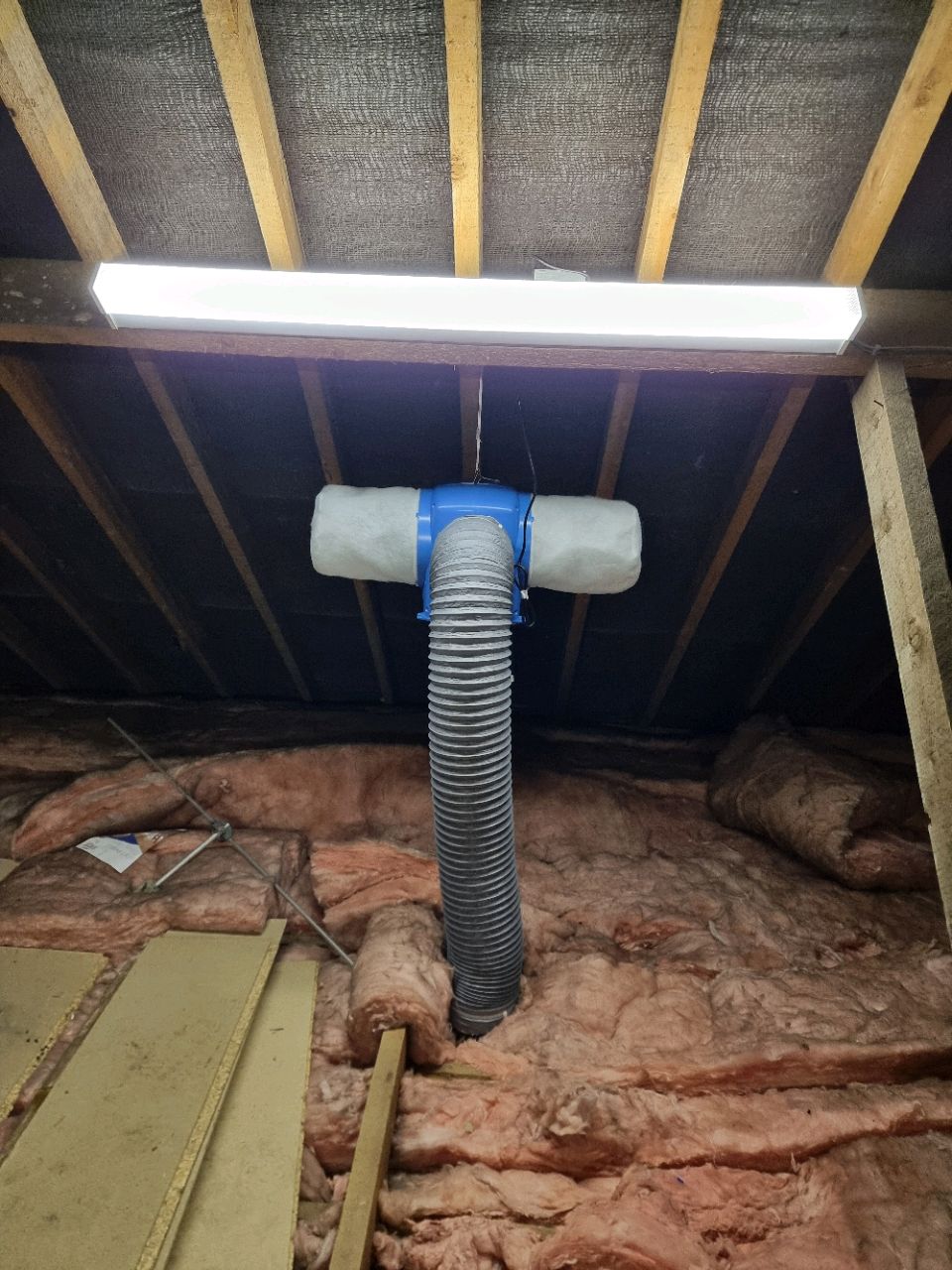
A PIV unit, like the one shown above, is often installed in the loft space to create a fresh, filtered air environment throughout the home, preventing the damp issues often found in Dorset properties.
When choosing a charger, you must decide between a tethered (cable attached) or untethered (socket only) unit. Tethered units offer convenience as the cable is always ready. Untethered units look neater on the wall and are more "future-proof" as you can change the cable if you buy a vehicle with a different connector type in the future. In areas like Ringwood and Ferndown, many homeowners prefer untethered units for a cleaner aesthetic on the front of their properties.
If your property has other high-power appliances, such as electric showers or heat pumps, you may require a load-balancing system. Load balancing monitors the total power consumption of the house and automatically reduces the power going to the EV charger if the total load exceeds the capacity of the main fuse. This prevents the main fuse from blowing during peak usage times. Our team integrates these sensors during the installation process to ensure uninterrupted power for the rest of the home.
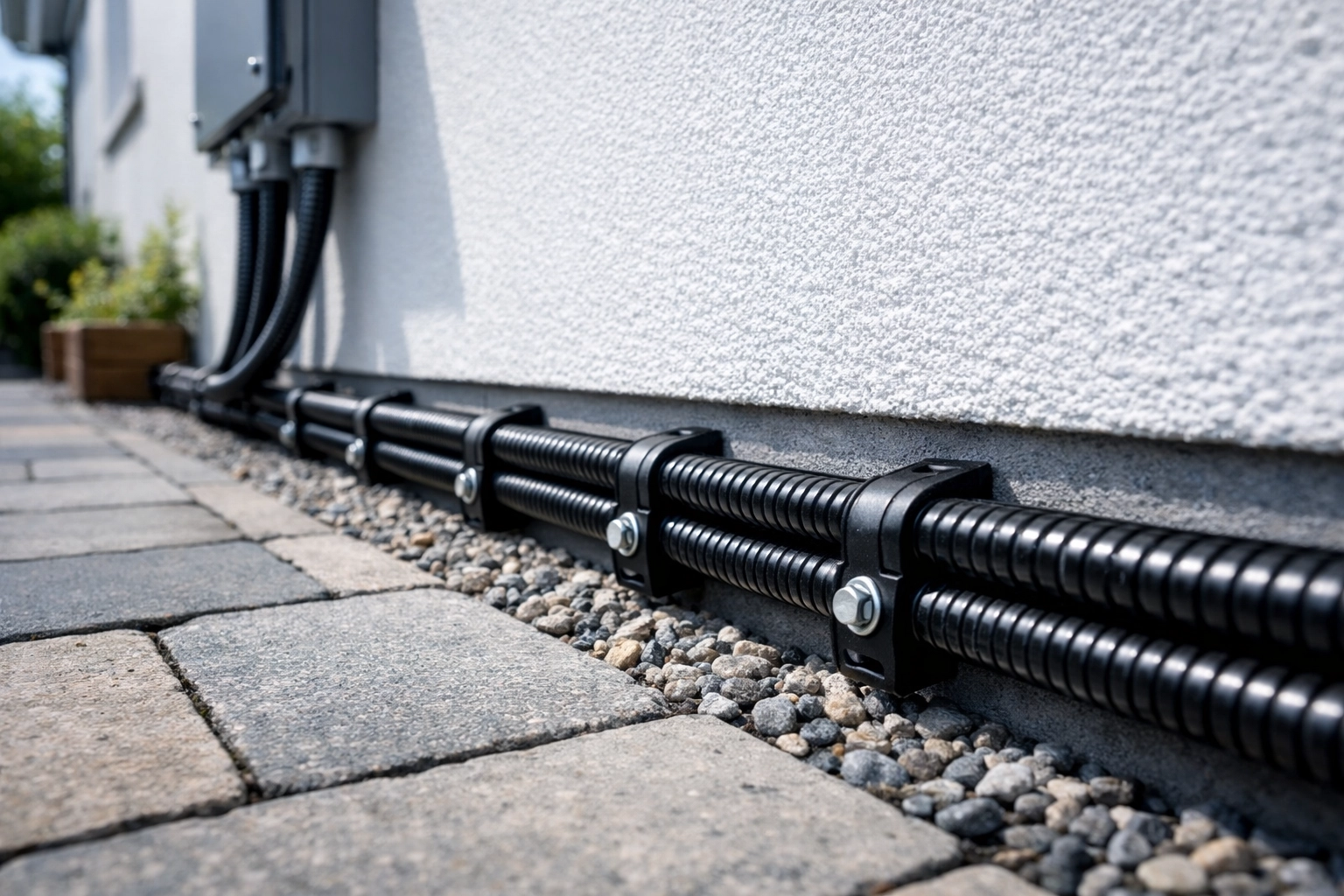
The physical location of the charger determines the complexity of the installation. If the charger is located far from the consumer unit, we may need to run armored cabling through crawl spaces or underground. In Bournemouth and Poole, where driveways vary significantly in layout, we provide tailored solutions for cable management to ensure the installation is both safe and visually unobtrusive. We comply with all regulations regarding the depth and protection of buried cables.
Choosing a local electrician in Dorset ensures that the professional is familiar with the specific grid requirements and housing stock of the region. Dorset Electrical Solutions is a fully insured and accredited contractor. Upon completion of any EV charger installation, we provide an Electrical Installation Certificate (EIC) and notify the local Building Control. This documentation is vital for property sales and insurance purposes. We serve clients across the following areas:
Our team is currently completing several large-scale installations in Poole; photos of these projects will follow. For more information on our services, visit our home page.
Maintaining high standards in electrical safety is the core of our business. Whether you are looking for an EV charger installation, a PIV unit for damp prevention, or a standard EICR, we provide reliable technical solutions. You can view our previous work in our online gallery.
Dorset Electrical Solutions. 2026.