
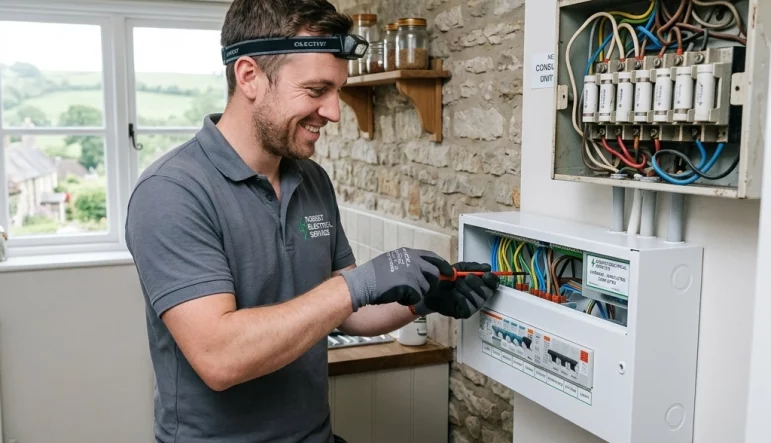
The consumer unit serves as the central hub for any residential electrical system. In Dorset, many properties in Bournemouth, Poole, and Ferndown still operate on legacy distribution boards that do not meet current BS 7671 standards (18th Edition). These older units often lack the necessary safety components required to protect modern electronics and the occupants of the home. Dorset Electrical Solutions frequently replaces units that are over 25 years old to ensure compliance and safety for homeowners across the region.
A primary indicator that a consumer unit requires an upgrade is the frequent tripping of miniature circuit breakers (MCBs) or residual current devices (RCDs). This occurs when the circuit is overloaded or when there is a fault in the wiring. Modern households in areas like Ringwood and Poole now utilise significantly more high-draw appliances than homes did decades ago. Electric vehicle chargers, heat pumps, and high-spec kitchen appliances place a heavy load on older systems.
When a breaker trips, it is performing its safety function by cutting power to prevent overheating and potential fire. However, frequent tripping suggests that the current unit is undersized for the property’s electrical demand. The mechanical components within older breakers also degrade over time, leading to nuisance tripping or, more dangerously, a failure to trip when a genuine fault occurs. Upgrading to a modern unit with appropriately rated RCBOs (Residual Current Breaker with Overcurrent protection) ensures each circuit is protected individually.
Lights that flicker or dim when other appliances are turned on indicate a drop in voltage. This is a common occurrence in older Dorset properties where the distribution of power is no longer efficient. While a single flickering bulb may indicate a simple lamp failure, consistent dimming across multiple rooms in a Bournemouth residence points to a capacity issue at the consumer unit.
The electrical system must be capable of providing a stable voltage regardless of the total load. If the consumer unit is struggling to manage the distribution, it can cause premature failure of LED lighting drivers and sensitive electronic equipment. Our team often identifies these issues during routine electrical safety poole inspections. A refresh of the central unit, often combined with a review of the circuit loading, typically resolves these stability issues.

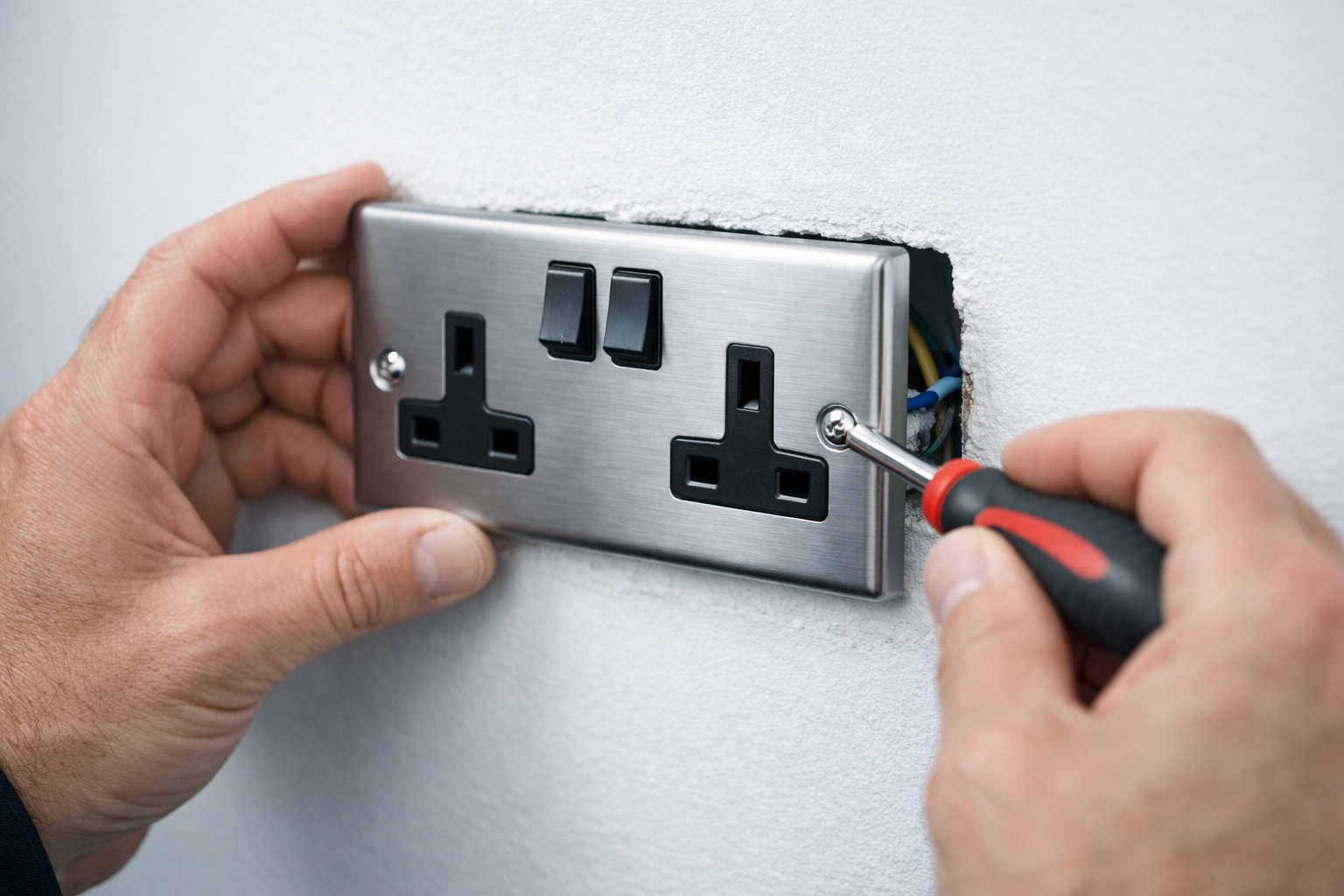
Many older homes in Ferndown and Ringwood were designed with only one or two double sockets per room. Modern living requirements have outpaced this infrastructure, leading many residents to rely heavily on extension cords and multi-way adapters. This practice creates significant safety hazards, including the potential for overloading a single wall socket and creating a fire risk.
A consumer unit upgrade is often the first step in a wider electrical refresh that includes the installation of additional power points. A modern unit allows for the addition of new circuits, such as dedicated kitchen ring mains or outdoor power, which older fuse boxes cannot safely accommodate. Relying on extension leads is a temporary solution that frequently leads to thermal damage at the socket face.
Visible signs of heat damage are critical warnings. If a socket face or the consumer unit itself feels warm to the touch, or if there is visible browning or melting of the plastic, the system is at immediate risk of an electrical fire. This is often caused by loose connections or oxidized wiring which creates high resistance, generating heat as current passes through.
Our electricians in dorset frequently encounter "fishy" smells or acrid burning scents near distribution boards. These smells are the result of plastic insulation overheating. Immediate intervention is required in these scenarios. A new consumer unit installation includes tightening all connections to specific torque settings and testing the integrity of the existing cables to ensure they can safely carry the required load.
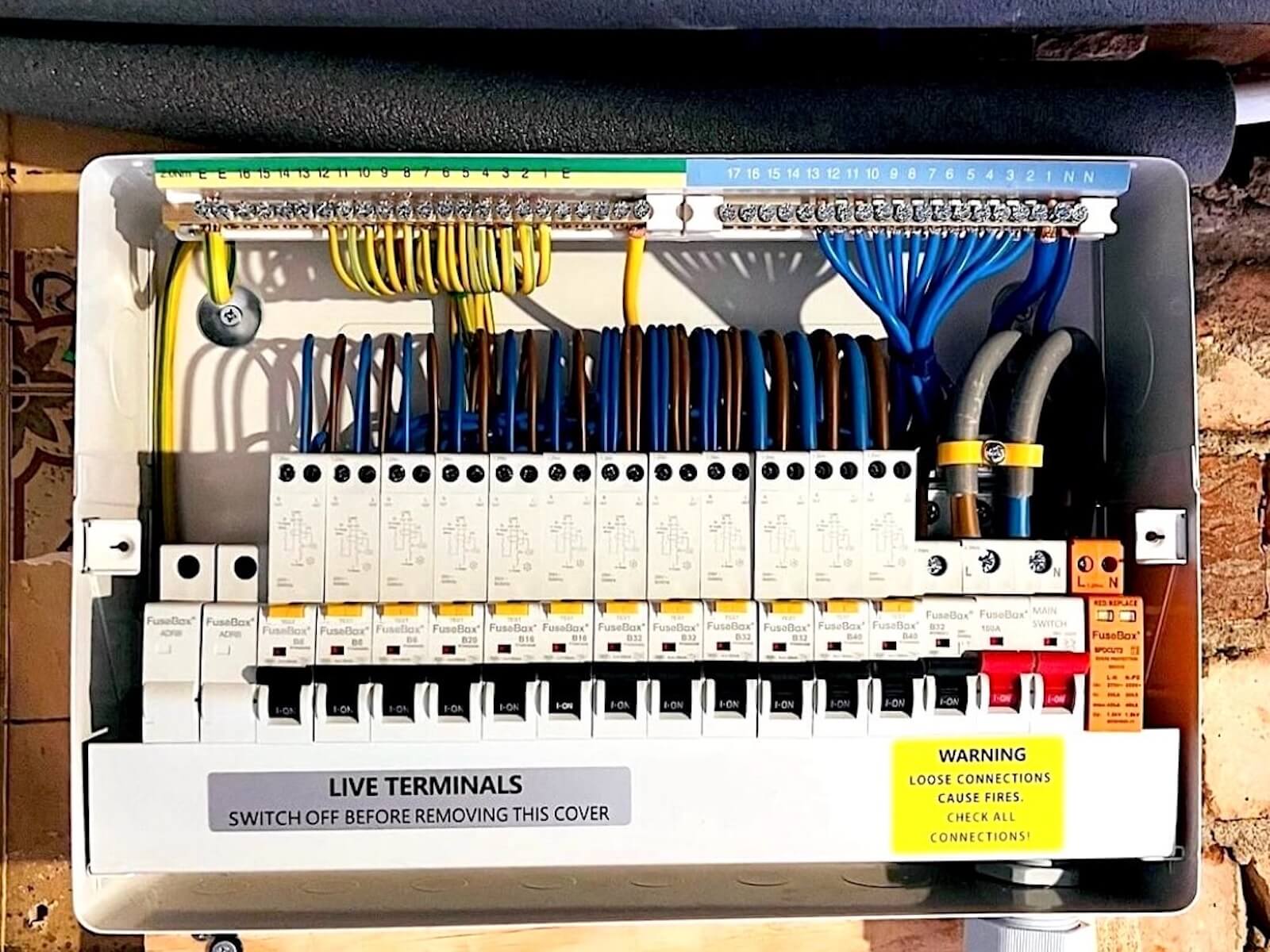
If a property is still using a fuse box with replaceable fuse wire or a unit with a plastic enclosure, it is technically outdated and potentially non-compliant with the latest fire safety regulations. Current regulations require consumer units in domestic dwellings to be manufactured from non-combustible material, typically steel. This prevents a fire contained within the unit from spreading to the rest of the property.
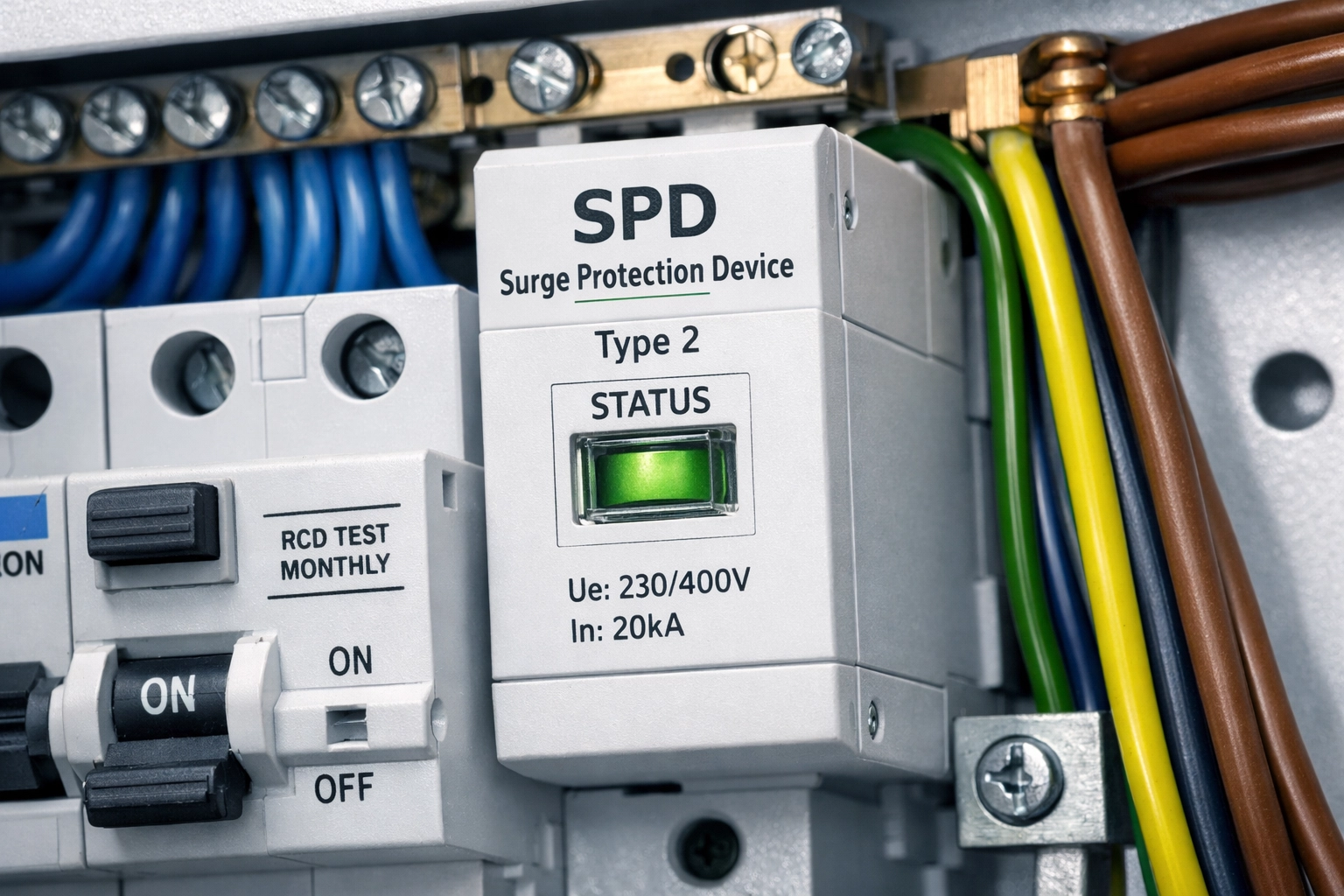
Furthermore, older units often lack Surge Protection Devices (SPD) and Arc Fault Detection Devices (AFDD). SPDs protect sensitive electronics from voltage spikes, which are common during storms or grid switching. AFDDs detect dangerous electrical arcs that can occur in damaged cables, providing a level of fire protection that older technology simply cannot offer. For landlords and homeowners in Poole and Bournemouth, upgrading to an 18th Edition compliant board is a standard recommendation during any major renovation.
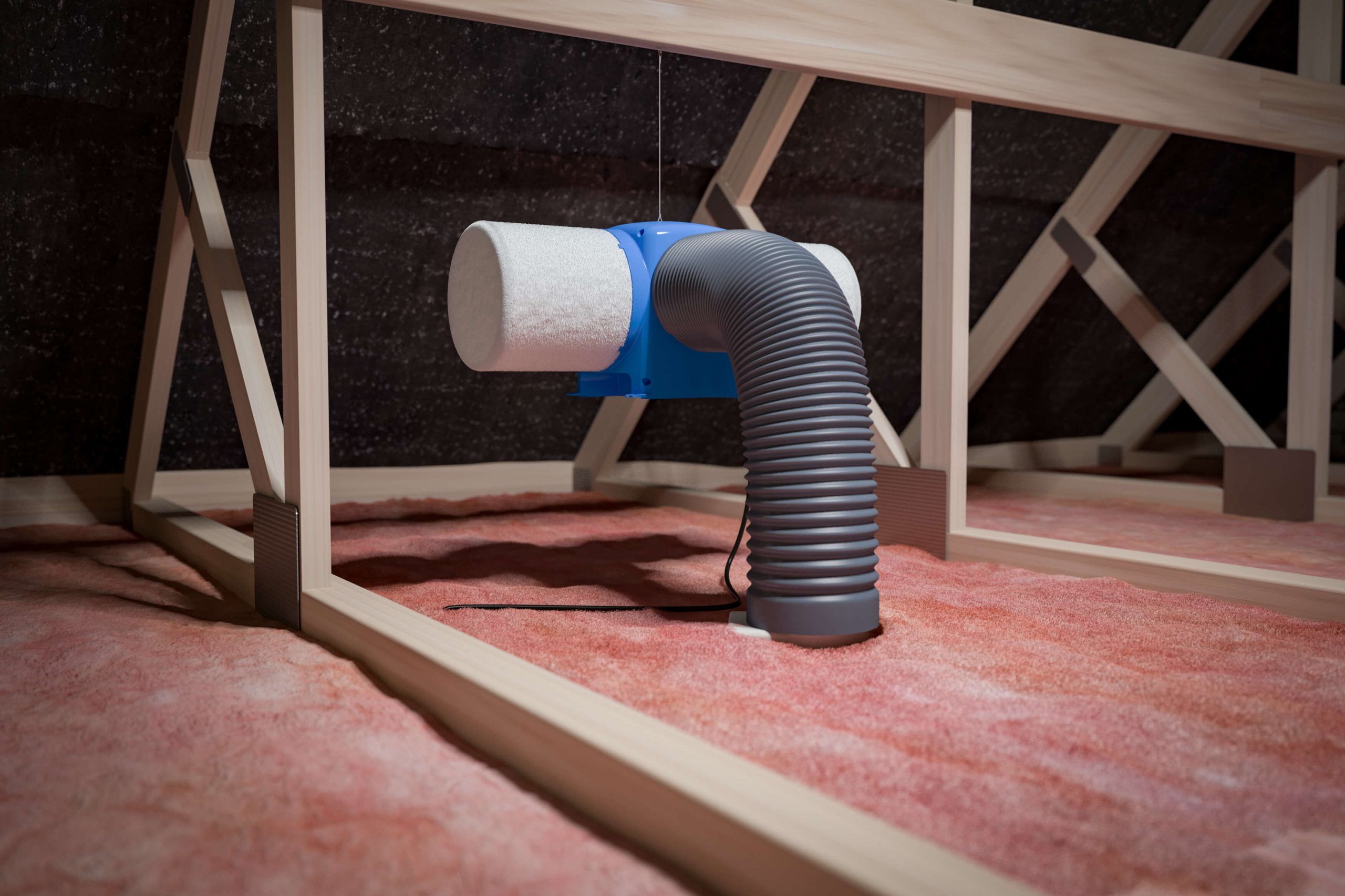
In addition to consumer unit upgrades, maintaining the health of a Dorset home involves managing moisture levels. We provide installation services for positive input ventilation systems. These units require a dedicated electrical feed and are essential for properties in coastal areas like Poole where damp and condensation are prevalent.
A PIV system works by drawing fresh, filtered air into the home, creating a slight positive pressure that forces out moisture-laden air. This prevents the growth of mould and protects the integrity of the building fabric and the electrical system itself, as high humidity can lead to corrosion of electrical contacts over time.
For residents in Ferndown and Ringwood, we recommend an Electrical Installation Condition Report (EICR) every ten years for homeowners and every five years for tenanted properties. This comprehensive check identifies any deficiencies in the consumer unit and the wider installation.
The checklist includes:
Our gallery showcases various consumer unit replacements we have completed across Dorset, highlighting the transition from hazardous old fuse boards to modern, safe installations.
Dorset Electrical Solutions also provides extensive commercial services for businesses in Bournemouth and the surrounding areas. Commercial installations often involve 3-phase distribution boards and complex containment systems. These systems require more frequent testing and maintenance than residential units due to higher usage rates and specific workplace safety regulations.
Upgrading commercial distribution boards ensures business continuity by reducing the risk of unexpected power failures. We handle everything from office fit-outs to industrial warehouse lighting and power distribution. Compliance with the Electricity at Work Regulations 1989 is mandatory for all business owners, and a modern, well-maintained electrical system is the cornerstone of that compliance.
Our team of electricians is fully qualified to carry out all aspects of electrical work, ensuring all installations are registered with the relevant competent person schemes. We operate across a wide geographic area, providing reliable services to:
We adhere to strict safety protocols and provide all necessary certification upon completion of work. This includes Part P notifications to building control where applicable. Our experience with Dorset's unique property types: from historic cottages to modern beachfront developments: allows us to provide tailored solutions for every consumer unit upgrade.
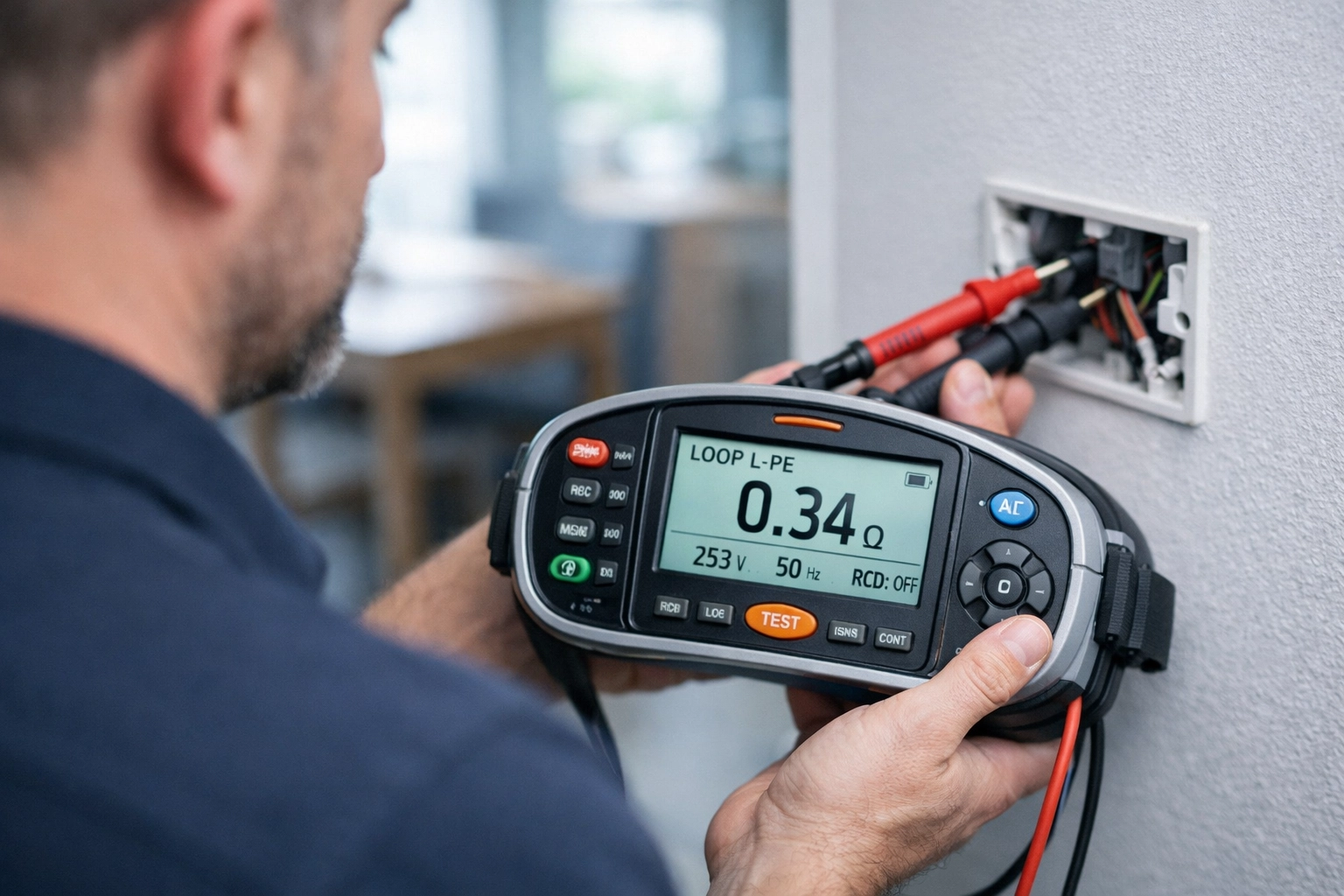
Current regulations, specifically Amendment 2 of the 18th Edition, have introduced several changes that impact how we approach consumer unit refreshes. The inclusion of SPDs is now a standard requirement in most installations to prevent damage to expensive home technology. We also evaluate the need for AFDDs in higher-risk areas of the home.
Whether it is a simple domestic board swap or a complex commercial electrical service, our focus remains on safety and reliability. A consumer unit upgrade is not just a regulatory requirement; it is a vital investment in the safety and efficiency of your Dorset home.
Photos of recent installations in Poole and Ferndown to follow.
Thanks.