
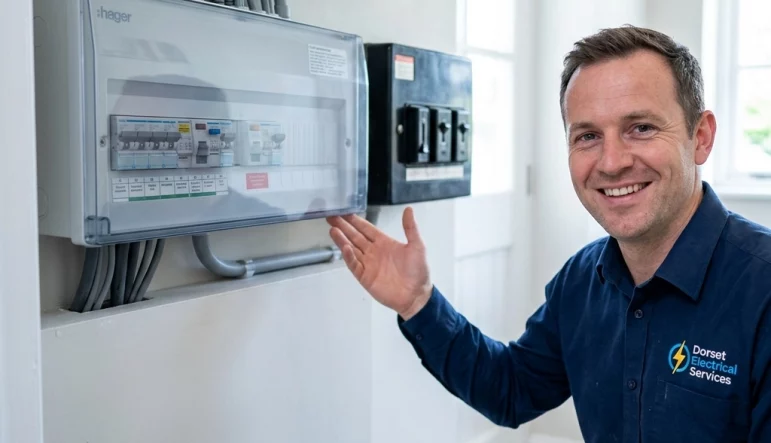
Determining the necessity of a consumer unit upgrade requires an objective assessment of current electrical standards and existing property infrastructure. Many residential properties in Bournemouth, Poole, and Ferndown still operate with outdated fuse boards. These units often fail to meet the safety requirements defined by the IET Wiring Regulations. Dorset Electrical Solutions performs these assessments across the county to ensure residential compliance with BS 7671:2018 Amendment 2.
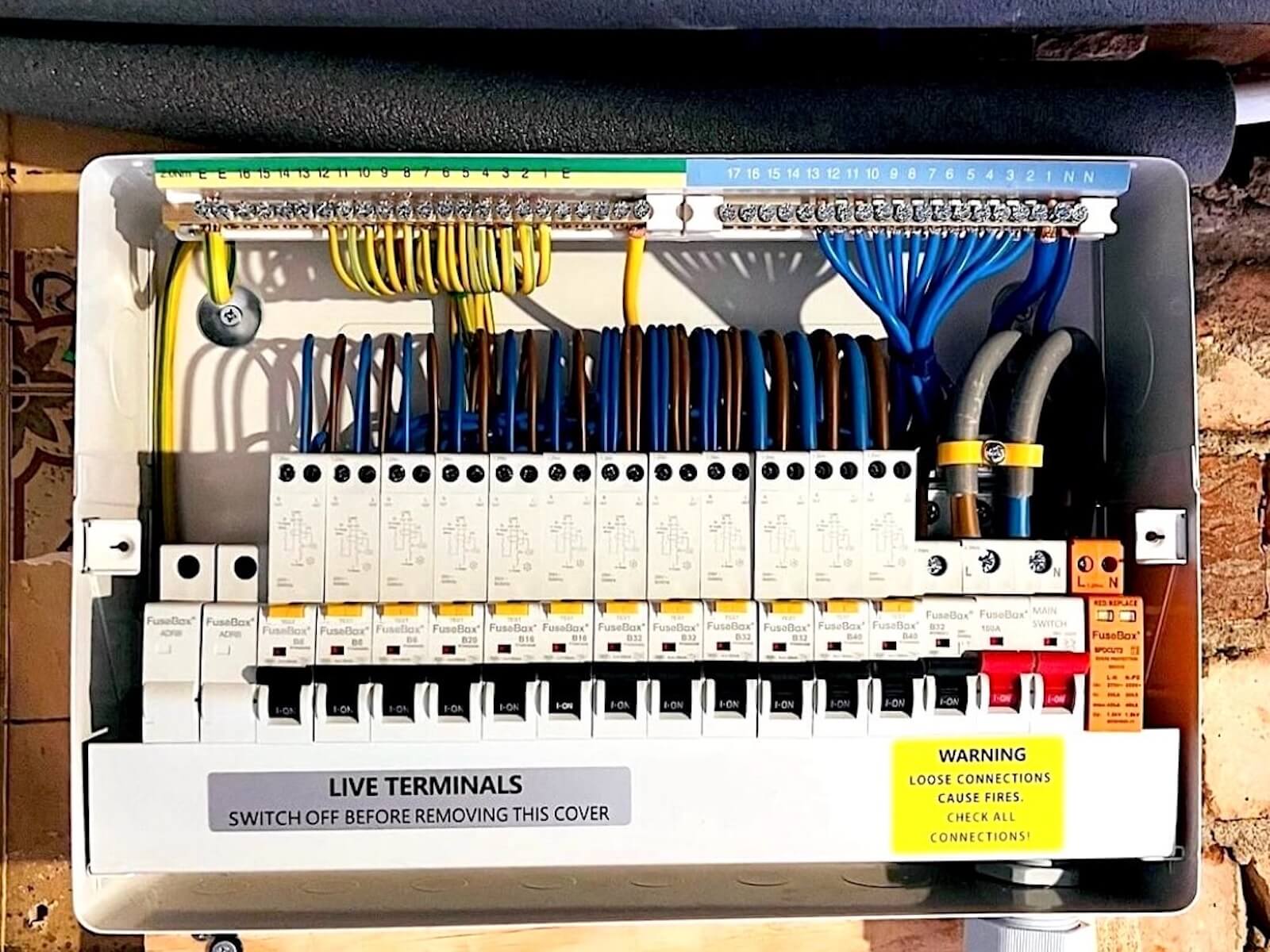
A consumer unit is the primary safety mechanism for a property's electrical system. It distributes electricity to various circuits and provides protection against overloads and short circuits. Older units, commonly referred to as fuse boxes, lack the sophisticated safety features found in modern consumer units. The transition from rewireable fuses to modern circuit breakers is a standard safety progression in the industry.
The 18th Edition of the IET Wiring Regulations dictates the standards for all new electrical installations in the UK. Many homes in Ringwood and Wimborne were wired under the 16th or 17th editions. While an older installation is not necessarily illegal, it may be classified as "potentially dangerous" (C2) during an Electrical Installation Condition Report (EICR). An upgrade becomes mandatory if the existing board cannot safely support the current electrical load or lacks essential protection.
Modern consumer units must now include Residual Current Devices (RCDs). These devices monitor the flow of electricity and disconnect the power instantly if a fault is detected. This prevents electric shocks and reduces the risk of electrical fires. Many older properties in Poole still utilize rewireable fuses that offer no RCD protection. Electricians in Dorset frequently identify these legacy systems during routine maintenance visits.
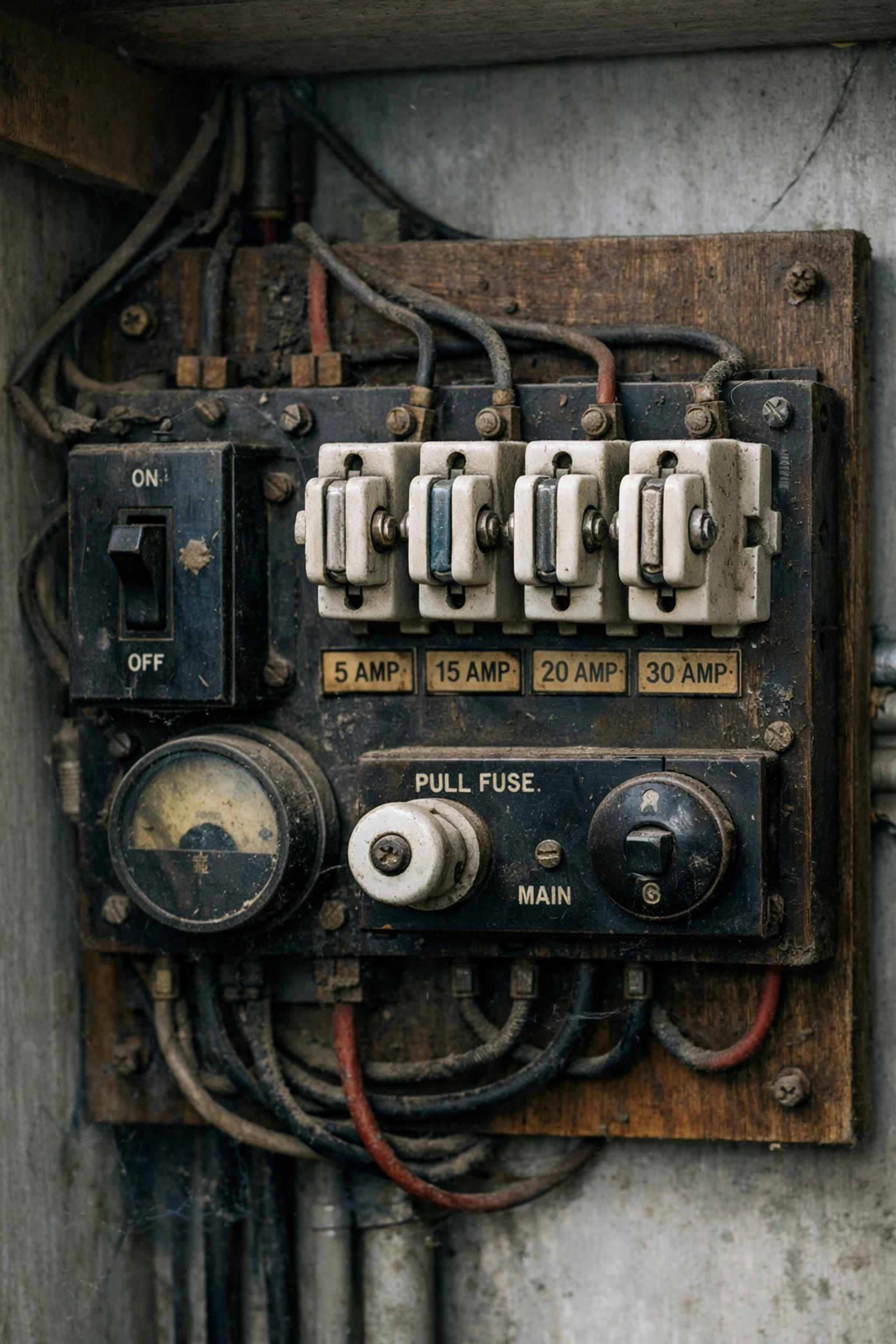
Homeowners can identify the need for an upgrade by visually inspecting their current fuse board. Several key indicators suggest the equipment is obsolete. The presence of a wooden backboard is a primary indicator of a system installed several decades ago. These boards represent a fire hazard and are no longer used in professional installations.
Rewireable fuses are another sign of obsolescence. These require the manual replacement of fuse wire when a circuit trips. They do not provide the same level of protection as Miniature Circuit Breakers (MCBs). Additionally, consumer units with plastic enclosures are now restricted in certain installations due to fire safety regulations. Current standards prefer metal-clad consumer units to contain potential electrical fires.
Modern households in Dorset consume significantly more power than they did twenty years ago. The introduction of high-load appliances puts strain on older systems. Electric showers, induction hobs, and powerful kitchen appliances require dedicated circuits with specific ratings. An outdated fuse board may not have the capacity to handle these loads safely.
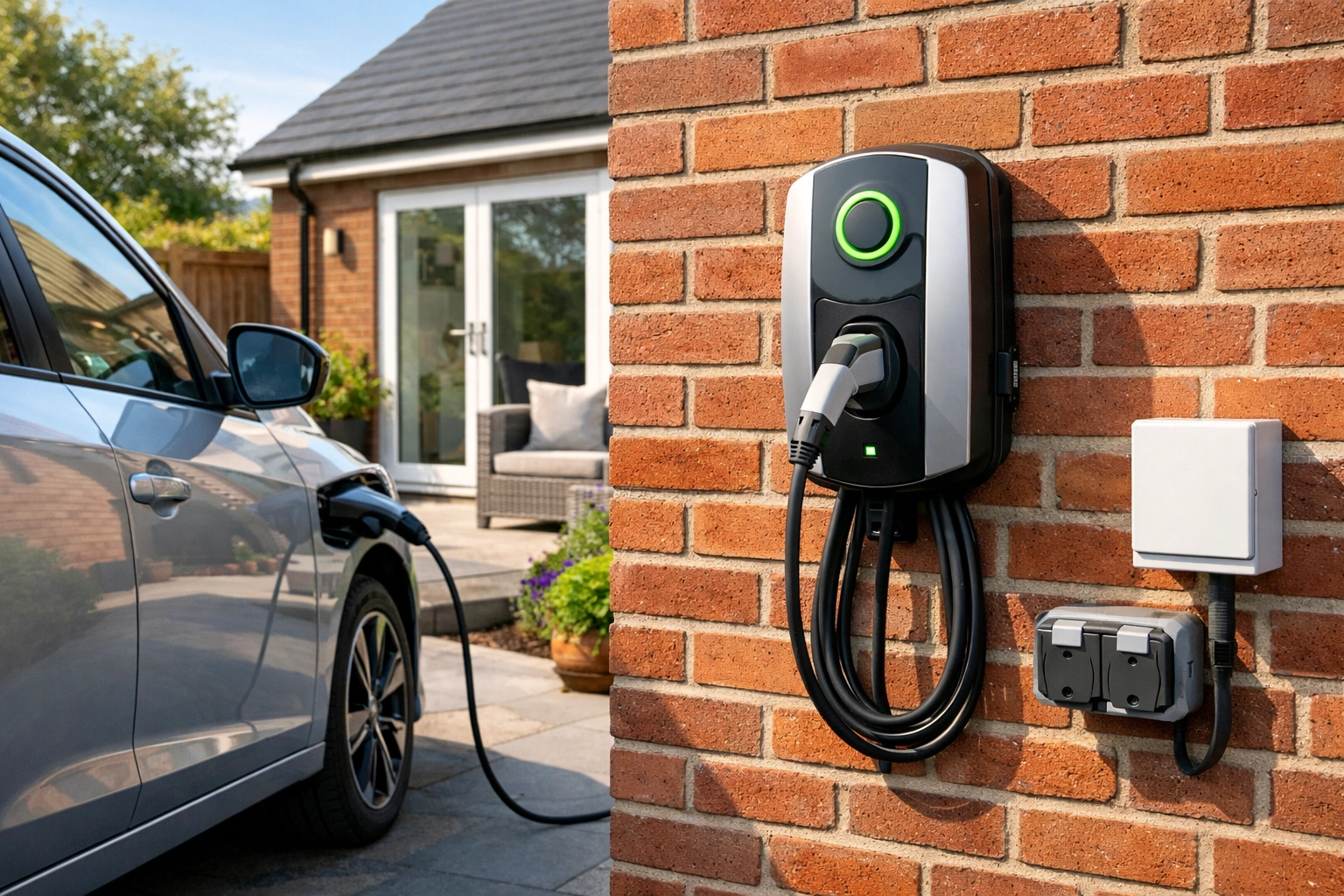
The rise of Electric Vehicle (EV) charging and Solar PV installations further necessitates consumer unit upgrades. These technologies require specific protection types, such as Type A or Type B RCDs, and Surge Protection Devices (SPDs). SPDs protect sensitive electronic equipment from voltage spikes caused by lightning strikes or grid fluctuations. Most legacy fuse boards cannot accommodate these modern components.
Replacing a consumer unit is a complex task that must be performed by a qualified professional. Our team typically completes a residential upgrade within four to six hours. This process involves a full isolation of the power supply. Each circuit is tested before and after the installation to ensure integrity.
Upon completion, the installation must be certified. This involves issuing an Electrical Installation Certificate (EIC). The work is also notified to the local building control via a competent person scheme such as NAPIT or NICEIC. This documentation is essential for property sales and insurance validity in areas like Christchurch and Bear Cross. You can view our commercial electrical services for larger scale distribution requirements.
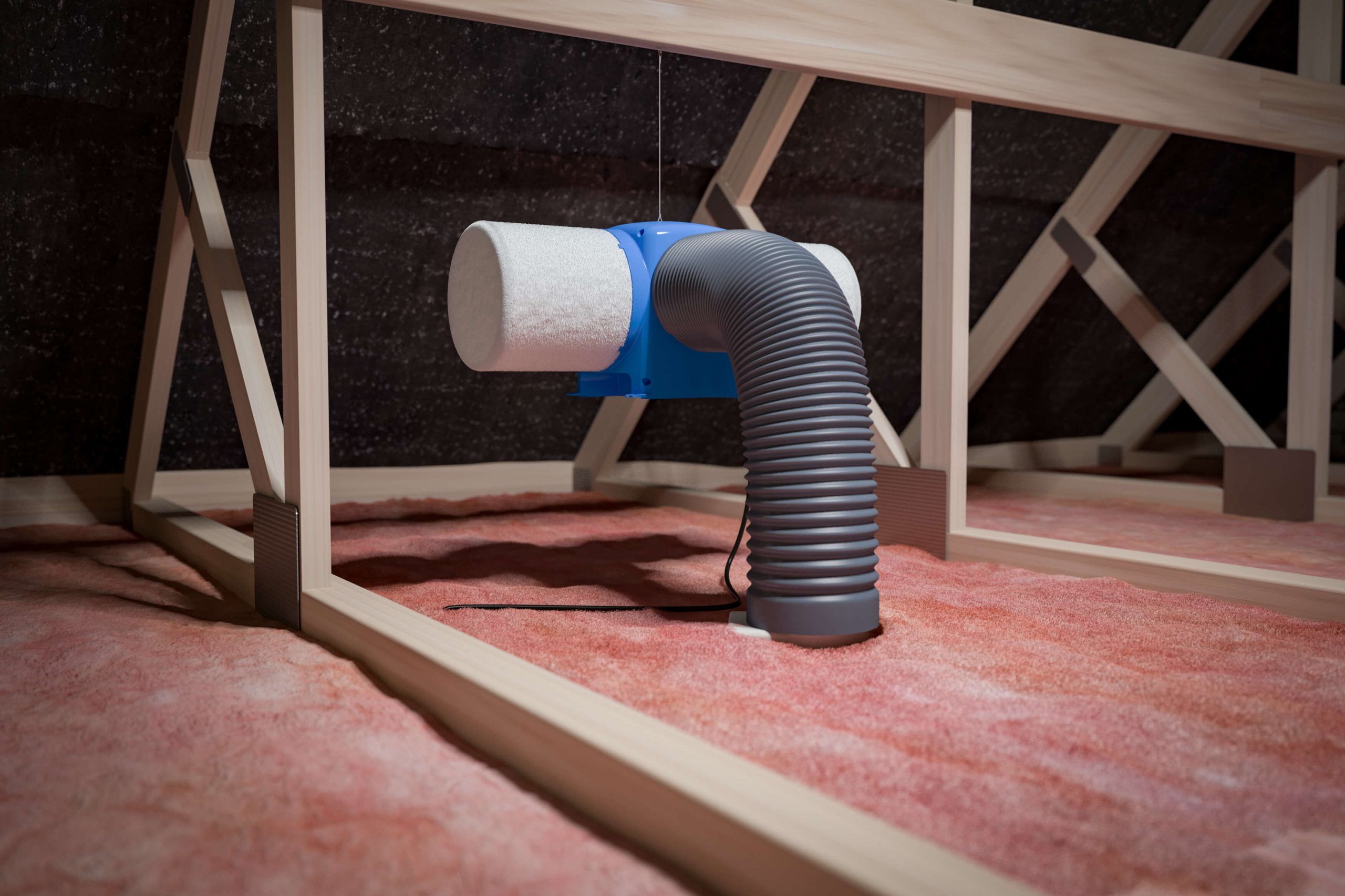
Safety in Dorset homes extends beyond the consumer unit. Moisture control is a significant factor in maintaining the structural and electrical integrity of a property. Excess moisture can lead to corrosion in electrical fittings and outlets. We frequently install Positive Input Ventilation (PIV) systems to address these issues.
There are several PIV myths regarding energy consumption and noise. In reality, these systems are highly efficient and operate at low decibel levels. They work by introducing filtered air into the property, which displaces moist, stale air. This process effectively eliminates condensation and mould growth, protecting both the inhabitants and the electrical infrastructure.
Dorset Electrical Solutions provides comprehensive electrical coverage across the South Coast. Our technicians are active in various locations, providing electrical safety in Poole and surrounding districts. We maintain a consistent presence in:
Our teams are currently performing consumer unit upgrades for residential landlords to ensure compliance with the latest private rented sector regulations. This involves detailed EICR inspections followed by necessary remedial works.
An upgraded consumer unit provides several immediate advantages. It ensures compliance with current building regulations and improves the overall safety of the property. The inclusion of RCDs and SPDs offers superior protection for both individuals and expensive electronic devices. It also prepares the property for future technology integrations, such as heat pumps or smart home systems.
We are currently scheduling inspections for homeowners in the Charminster and Ensbury Park areas. Our team is removing several 1970s-era fuse boards this week. Photos of these completed installations will follow in subsequent updates.
Thanks.