
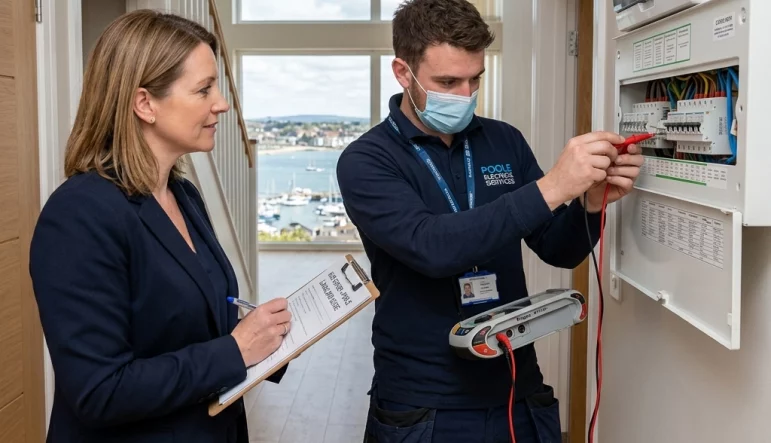
Owning a rental property in Poole or Bournemouth comes with a fair share of paperwork and responsibility. Between managing tenancies and ensuring the roof doesn’t leak, the safety of your tenants is paramount. One of the most critical aspects of this safety net is the Electrical Installation Condition Report (EICR). Since the 2020 regulations kicked in, it is no longer a "nice to have": it is a legal requirement.
However, we often see landlords in Ferndown and Ringwood falling into the same traps when it comes to their electrical inspections. An EICR isn't just about passing or failing; it's about understanding the health of your property's nervous system. If you aren't prepared, a failed report can lead to costly emergency repairs or, worse, legal trouble.
Here at Dorset Electrical Solutions, our team of experts has carried out hundreds of inspections across the county. We’ve noticed a pattern in why properties fail. To help you stay ahead of the game, we’ve put together this guide on the five most common EICR mistakes Poole landlords make and how to avoid them.
The single most common reason for a failed EICR (resulting in a C2 "Potentially Dangerous" code) is the lack of RCD protection. A Residual Current Device (RCD) is a life-saving piece of kit designed to prevent you from getting a fatal electric shock if you touch something live. It also provides some protection against electrical fires.
In many older properties across Dorset, the fuse boards (or consumer units) are outdated. If your rental property in Poole still uses an old-fashioned rewireable fuse box, it likely lacks the RCD protection required by modern standards (BS 7671). Specifically, any socket that could be used to power equipment outdoors or any circuit in a bathroom must be RCD protected.
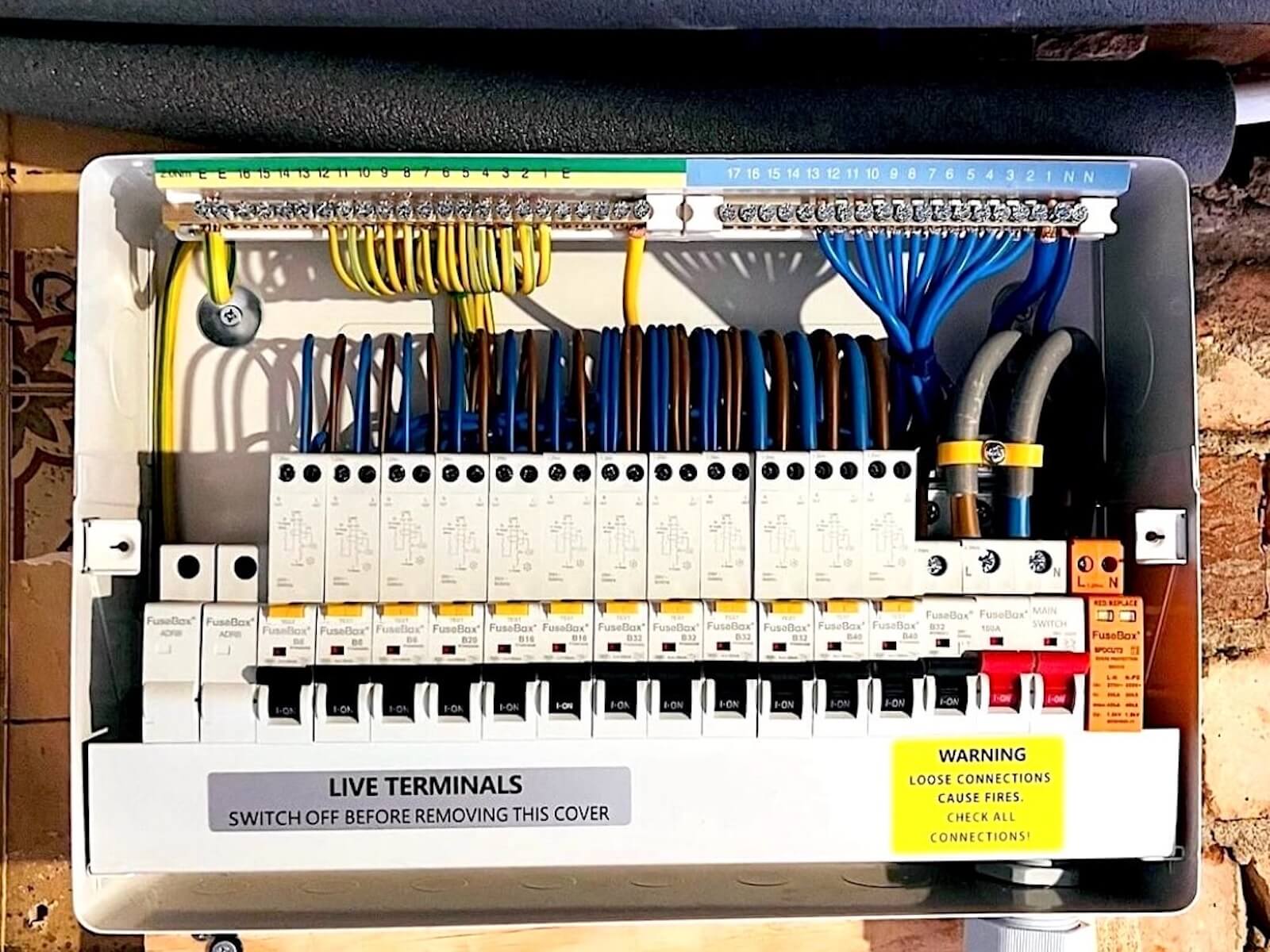
Upgrading your consumer unit is one of the best investments you can make for your property's safety and your peace of mind. Our Dorset electrical experts recommend checking your board before the inspector arrives. If you don't see a "Test" button, you probably don't have RCD protection.
Bathrooms are high-risk environments because water and electricity are a deadly combination. We frequently find light fittings in Poole rentals that are totally unsuitable for the "zones" they are installed in.
The UK electrical regulations divide bathrooms into zones (Zone 0, 1, and 2) based on their proximity to water sources like baths and showers. Each zone requires a specific Ingress Protection (IP) rating for light fittings. A common mistake is installing a standard pendant light or a non-rated downlight directly over a shower. This will trigger an immediate EICR failure.
When you’re looking for an electrician Dorset landlords trust, ensure they check these zones thoroughly. If you’ve recently modernised a bathroom, it’s worth double-checking that the kitchen modernisation or bathroom update included IP-rated lighting that meets current safety standards.
This is a technical one that often catches landlords off guard. Main protective bonding is the connection of the main earthing terminal in your property to the metal gas, water, and oil pipes. The purpose is to ensure that if a fault occurs, the metal pipes don't become live.
In many older Ringwood and Ferndown homes, this bonding is either missing, disconnected, or done with the wrong thickness of cable. An inspector will look for a thick green and yellow cable clamped to your gas and water pipes near the meter or point of entry. If it’s missing, it’s usually a C2 failure.
Because this work is often hidden in cupboards or under floors, it’s easy to overlook. However, it is a core safety requirement that cannot be ignored if you want a "Satisfactory" report.
We get it: landlords want to keep costs down. But DIY electrical work is one of the fastest ways to fail an EICR and invalidate your insurance. Whether it’s an extra socket added in a bedroom or a new light fitting in the hallway, if it wasn't installed and tested by a professional, it often shows up as a defect.
Common issues include:
If you are planning upgrades, whether it's installing fire alarms Poole residents rely on or adding security measures like CCTV systems Poole businesses use, always use a qualified professional who can provide the necessary certification.
While an EICR focuses on the electrical system, the general condition of the property often impacts the electrical safety. Damp and mould are huge issues in coastal areas like Poole. If a property is damp, moisture can get into sockets and switches, causing tracking and short circuits.
Many landlords fail to realize that they can solve two problems at once. Installing a PIV unit (Positive Input Ventilation) is a fantastic way to prevent damp and mould by continuously replacing old, moist air with fresh, filtered air.
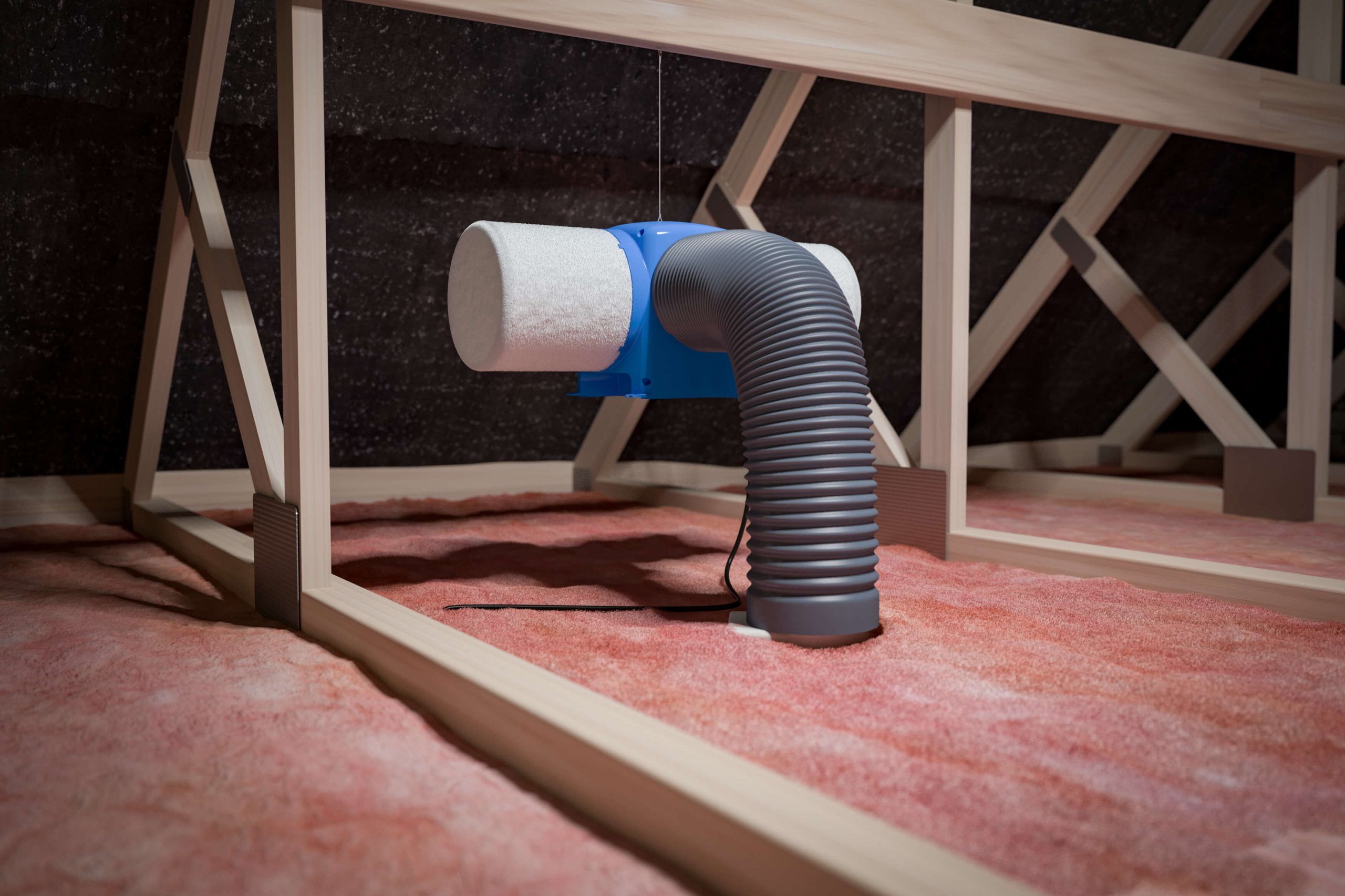
A PIV unit not only keeps your tenants healthy and your walls dry, but it also protects your electrical infrastructure from moisture-related degradation. When we carry out an EICR, we often suggest these systems to landlords who struggle with condensation in their Bournemouth flats.
The rental market is changing. More tenants in Dorset are now driving electric vehicles and are specifically looking for properties that offer EV charger installation.
While an EV charger isn't a requirement for an EICR pass, the installation process requires a thorough check of your existing electrical system. If your property's consumer unit is already at capacity or lacks the proper earthing for an EV point, you might find your property is falling behind the curve.

Integrating an EV charger installation during your next round of electrical maintenance is a smart move. It increases property value and attracts high-quality, long-term tenants. Just ensure that the installation is handled by a specialist who understands the load requirements, as a poorly installed charger can cause issues for your next EICR.
Navigating the world of electrical compliance can be a headache. That’s why working with a local team who knows the specific challenges of Dorset properties: from Victorian terraces in Bournemouth to modern apartments in the Poole Quay area: is essential.
At Dorset Electrical Solutions, we don't just find faults; we provide solutions. Whether you need a quick fix for a bathroom light, a full consumer unit upgrade, or a professional EV charger installation, we’ve got you covered. We also assist with solar PV installation Dorset wide, helping landlords improve their EPC ratings.
Don't wait until your current certificate expires. A proactive approach to electrical safety saves money, protects your tenants, and keeps you on the right side of the law. If you're a landlord in Poole, Bournemouth, Ferndown, or Ringwood, get in touch today to schedule your inspection or discuss how a PIV unit could transform your property.
Safe renting!