
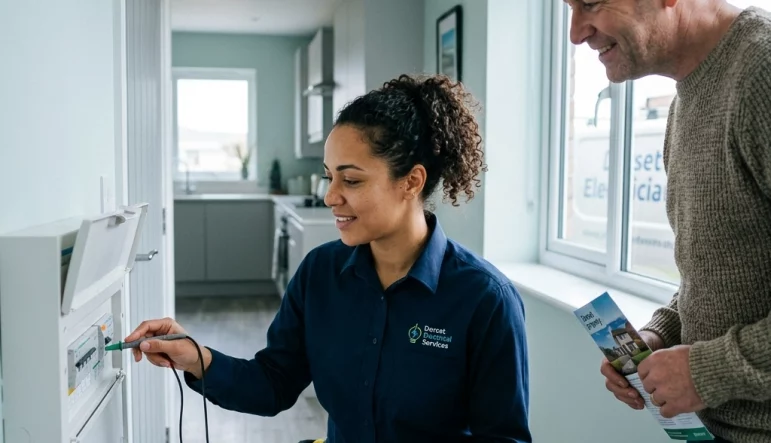
Landlords operating in Dorset are required to comply with the Electrical Safety Standards in the Private Rented Sector (England) Regulations 2020. These regulations mandate that every fixed electrical installation is inspected and tested by a qualified person at intervals not exceeding five years. The resulting document, known as an Electrical Installation Condition Report (EICR), confirms the safety of the property for continued occupation. Our team conducts these inspections across Bournemouth, Poole, Ferndown, and Ringwood to ensure full legal compliance and tenant safety.
Selecting an electrician Dorset landlords can trust involves verifying specific credentials and technical competencies. The inspector must be registered with a competent person scheme such as NICEIC or NAPIT. We maintain these certifications to provide assurance that all work meets BS 7671 standards. Our engineers carry out comprehensive assessments of the consumer unit, wiring, and accessory points. We identify issues such as lack of RCD protection, overloaded circuits, or deteriorated insulation that could lead to fire or electric shock.

The inspection process involves several distinct phases. Initial visual inspections identify obvious defects, such as broken sockets or exposed live parts. This is followed by dead testing, including continuity and insulation resistance tests, to verify the integrity of the wiring without power. Live testing evaluates the performance of protective devices, ensuring that RCDs trip within the required timeframes and that the earth fault loop impedance is within acceptable limits. Our team utilizes calibrated Megger and Fluke testing equipment to provide accurate data for the final report.
Landlords must provide a copy of the EICR to existing tenants within 28 days of the inspection. For new tenancies, the report must be provided before the tenant occupies the premises. If the report identifies "C1" (danger present) or "C2" (potentially dangerous) conditions, remedial work is mandatory. We provide detailed quotations for these repairs and issue a Minor Works Certificate or Electrical Installation Certificate upon completion. Our experience includes managing portfolios for letting agents in Bournemouth and Poole, where high-volume compliance is required.
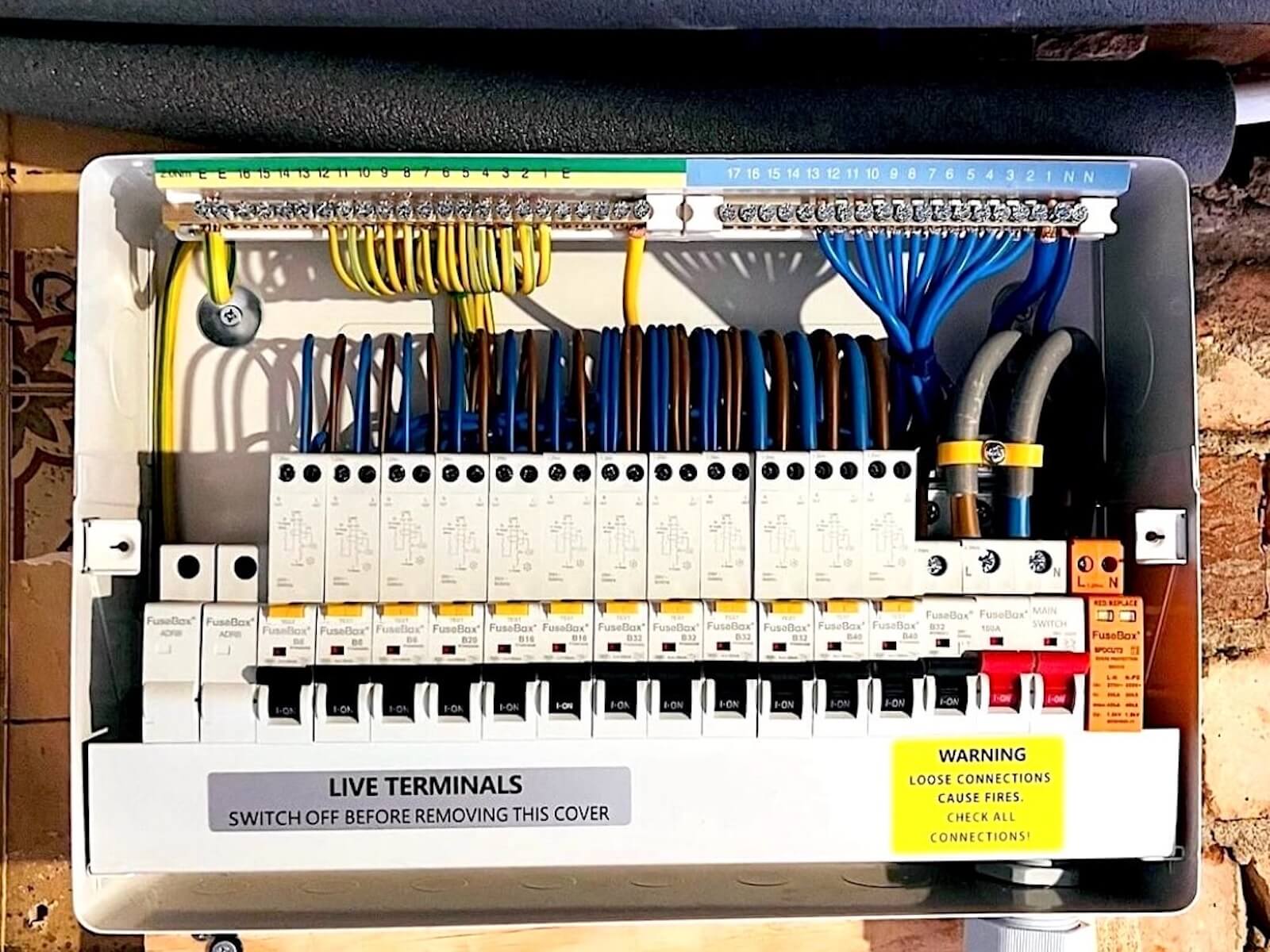
Older properties in Ringwood and Ferndown often feature outdated fuse boards that do not meet current 18th Edition Amendment 2 standards. An EICR frequently highlights the need for a consumer unit upgrade to include Surge Protection Devices (SPD) and Arc Fault Detection Devices (AFDD) where appropriate. We install metal-clad consumer units with individual RCBOs for each circuit. This configuration prevents a single fault from plunging the entire property into darkness, which is a significant safety benefit for residential tenants.
Proper labelling and circuit identification are standard components of our service. A compliant installation must have a clear schedule of circuits attached to the consumer unit. We also verify the presence of main protective bonding to gas and water services. In many older Dorset terrace houses, this bonding is either missing or undersized (less than 10mm²). We rectify these non-compliances as part of our remedial service packages. Further information on our core services is available at https://www.dorsetelectricalsolutions.com/.
With the transition to electric vehicles, many landlords in Dorset are receiving requests for EV charger installation. Installing a dedicated charging point requires an assessment of the existing electrical load of the property. We evaluate the cut-out fuse rating and the capacity of the internal wiring before recommending a charging solution. Installations must comply with Section 722 of BS 7671, which covers the specific requirements for electric vehicle charging installations, including PME earthing arrangements and RCD Type B protection.
Our team handles the entire process, from initial site survey to OZEV grant documentation where applicable. We install a variety of hardware, including tethered and untethered units from leading manufacturers. For rental properties, we often recommend smart chargers with integrated billing software, allowing landlords to track energy usage or charge tenants directly for consumption. Our installation footprint covers residential driveways and commercial car parks throughout Poole and Bournemouth.

Dorset’s coastal climate often leads to high humidity levels within rental properties, resulting in condensation and mould growth. To combat this, we install PIV unit systems (Positive Input Ventilation). A PIV system, such as those from Nuaire or EnviroVent, works by drawing fresh, filtered air into the property from the loft space. This creates a slight positive pressure that forces out moisture-laden air, effectively eliminating the conditions required for mould to thrive.
The installation of a PIV unit is a cost-effective alternative to expensive damp proofing treatments. It operates continuously at a very low noise level and consumes minimal electricity. We have successfully deployed these systems in apartments and houses across Ferndown and Ringwood to protect the building fabric and improve indoor air quality for tenants. Our ventilation services are integrated with our general electrical maintenance to provide a single point of contact for landlords.
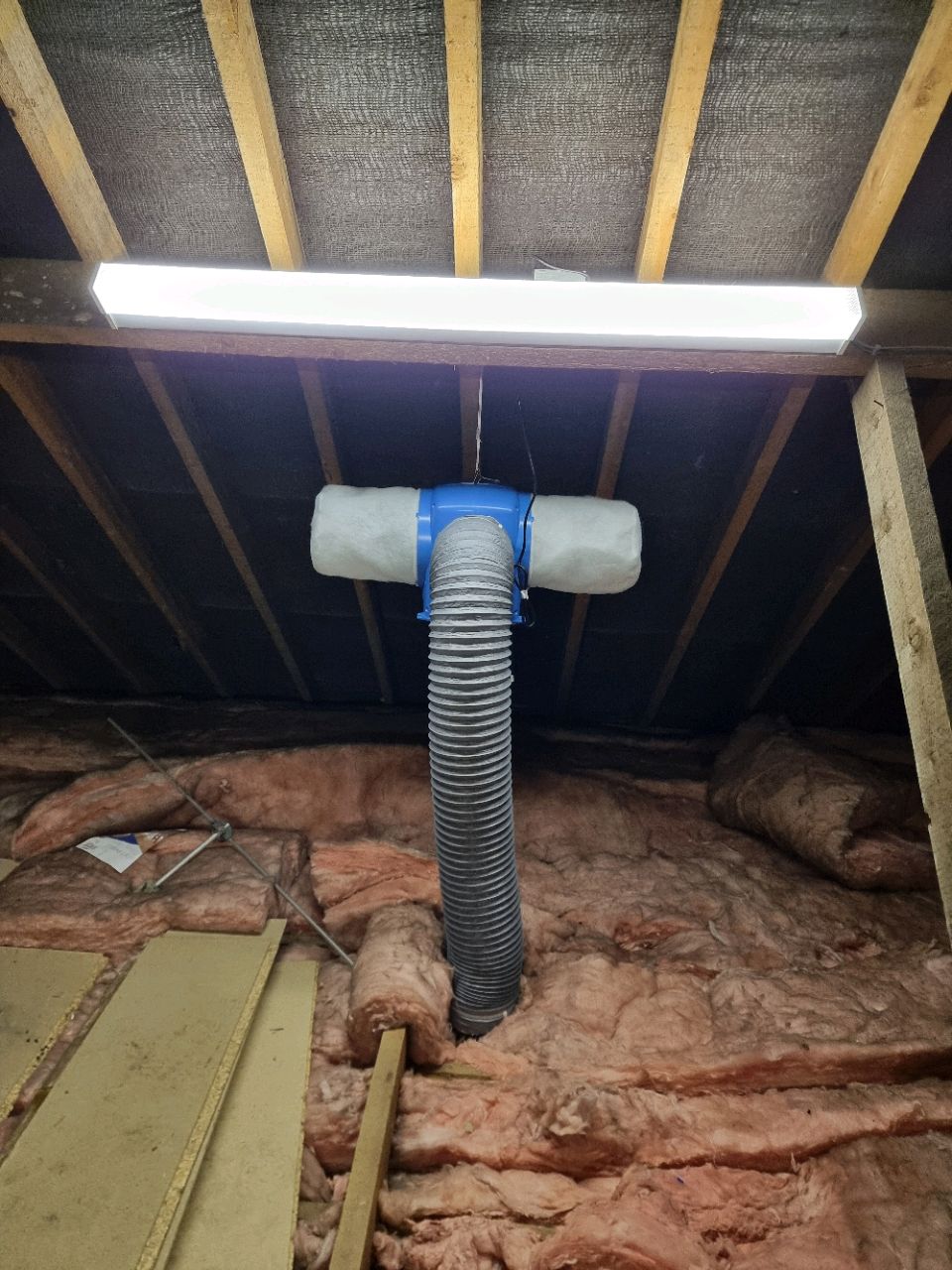
For properties without accessible loft spaces, we offer wall-mounted PIV units that provide similar benefits. These units are typically installed in hallways or central landings. We also carry out the installation of high-extraction fans in "wet rooms" like kitchens and bathrooms. Ensuring that extraction rates meet Part F of the Building Regulations is essential during any renovation or EICR remedial phase. Our team tests existing fans to confirm they are moving the required volume of air (typically 15 litres per second for bathrooms).
Monitoring indoor air quality is becoming a standard requirement for proactive property management. We can install sensors that track humidity, CO2, and VOC levels, providing data that can justify the installation of advanced ventilation systems. This data is often useful for landlords dealing with tenant disputes regarding dampness. More details on our specialized equipment can be found at https://www.dorsetelectricalsolutions.com/elementskit-content/dynamic-content-megamenu-menuitem2715.
Our operations are centralized to provide rapid response times across the Dorset region. We maintain a fleet of liveried vehicles equipped with common spare parts to facilitate first-fix repairs.
Our engineers are familiar with the specific building stock in these areas, from Victorian conversions in Bournemouth to modern new-builds in Poole. We provide electronic certification for all works, which is emailed directly to the client upon completion and payment. This digital approach ensures that landlords have easy access to their compliance documents for insurance and legal purposes.
We operate in strict accordance with the Health and Safety at Work Act 1974 and the Electricity at Work Regulations 1989. Every EICR we produce is a legal document that may be used in court should an electrical incident occur. Therefore, we do not "short cut" the testing process. Every circuit is physically tested, and every observation is coded correctly according to the Best Practice Guide 4 (BPG4).
Landlords should be wary of "cheap" EICR quotes that do not allow sufficient time for thorough testing. A standard three-bedroom house typically requires 3 to 4 hours of on-site testing. We provide transparent pricing based on the number of circuits and the size of the property. For larger portfolios, we offer structured testing schedules to spread the cost and ensure no property falls out of compliance.

Electrical installations deteriorate over time. Beyond the five-year EICR cycle, we recommend annual visual inspections for high-turnover HMO properties. This helps identify damage caused by tenants, such as overloaded extension leads or DIY electrical "repairs." We also provide PAT testing (Portable Appliance Testing) for any appliances provided by the landlord, such as fridges, washing machines, and kettles.
Future-proofing properties involves upgrading to LED lighting to reduce energy consumption and installing smart thermostats to improve heating efficiency. Our team provides advice on these upgrades during the EICR process, helping landlords increase the EPC (Energy Performance Certificate) rating of their properties. We are currently scheduling EICR inspections and EV charger installations for the upcoming quarter.
Photos to follow.
Thanks.