
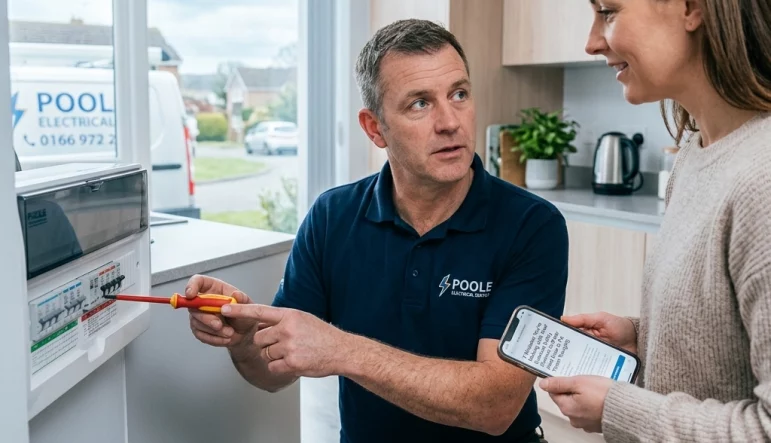
Overloading sockets is a common issue in older residential properties in Poole. Residents often use multiple multi-way adapters in a single wall outlet. This practice creates a significant fire risk. A standard UK socket is rated for 13 amps. Plugging in high-draw appliances like kettles, heaters, or tumble dryers into a single extension lead exceeds this limit. The internal busbars of the socket can overheat and melt the plastic casing.
Daisy-chaining is the practice of plugging one extension lead into another. This increases the electrical resistance and prevents protective devices from tripping correctly. Our team frequently identifies scorched socket outlets during inspections in Canford Heath and Hamworthy. The fix is to unplug unnecessary devices immediately. Distribute high-wattage appliances across different wall sockets. For a permanent solution, we install additional double-gang sockets to meet modern demand.
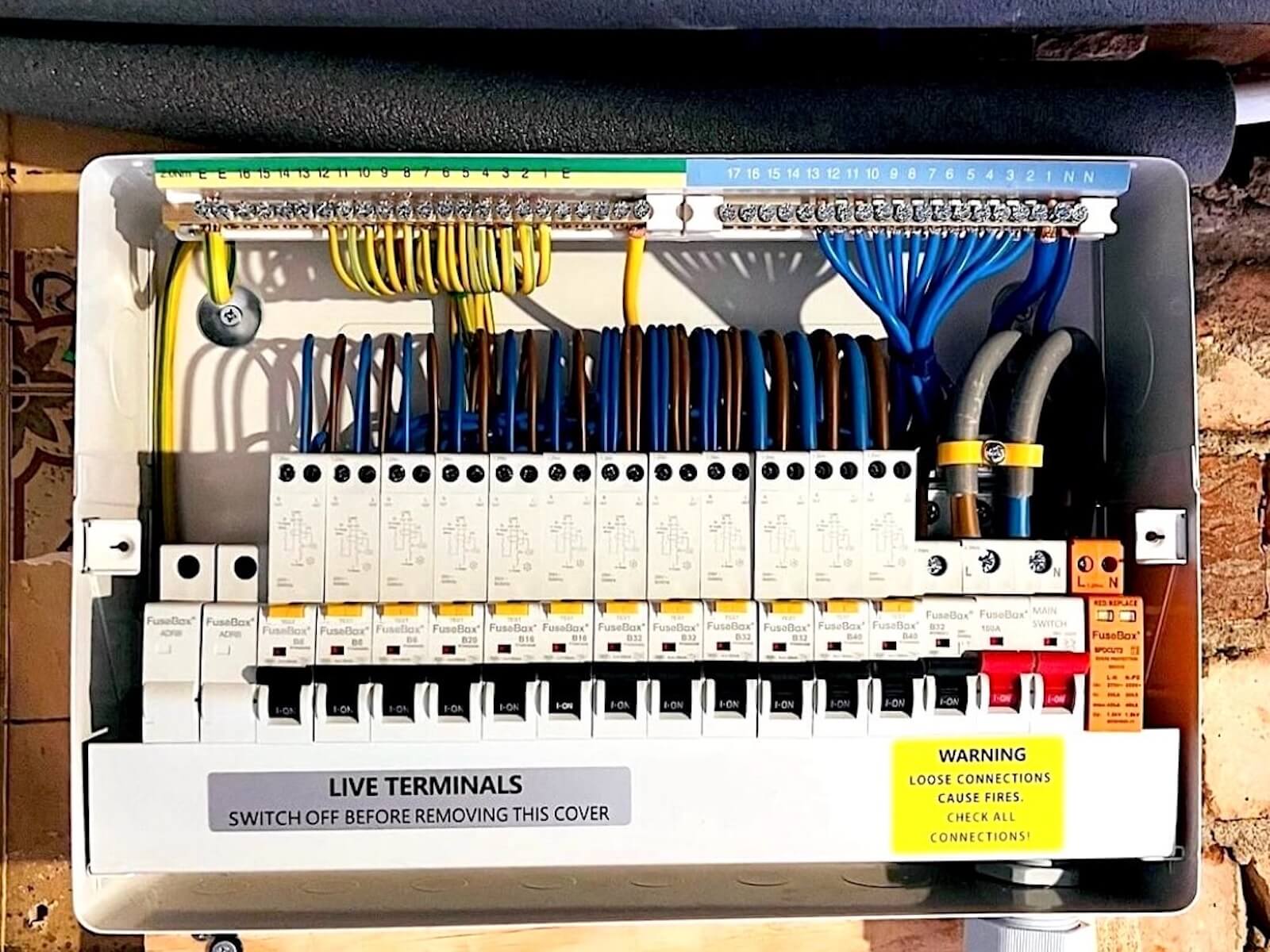
Many homes in Bournemouth and Poole still operate on old-style fuse boards. These units use rewireable fuses that do not provide adequate protection against modern electrical faults. These older boards lack Residual Current Device (RCD) protection. An RCD is designed to trip within milliseconds if it detects a leakage to earth. This prevents fatal electric shocks.
Modern 18th Edition consumer units include Surge Protection Devices (SPD) and Arc Fault Detection Devices (AFDD). SPDs protect sensitive electronics from voltage spikes. AFDDs detect dangerous electrical arcing caused by damaged cables. We provide consumer unit upgrades across Ferndown and Ringwood. Replacing an obsolete board is the most effective way to improve domestic safety overnight.
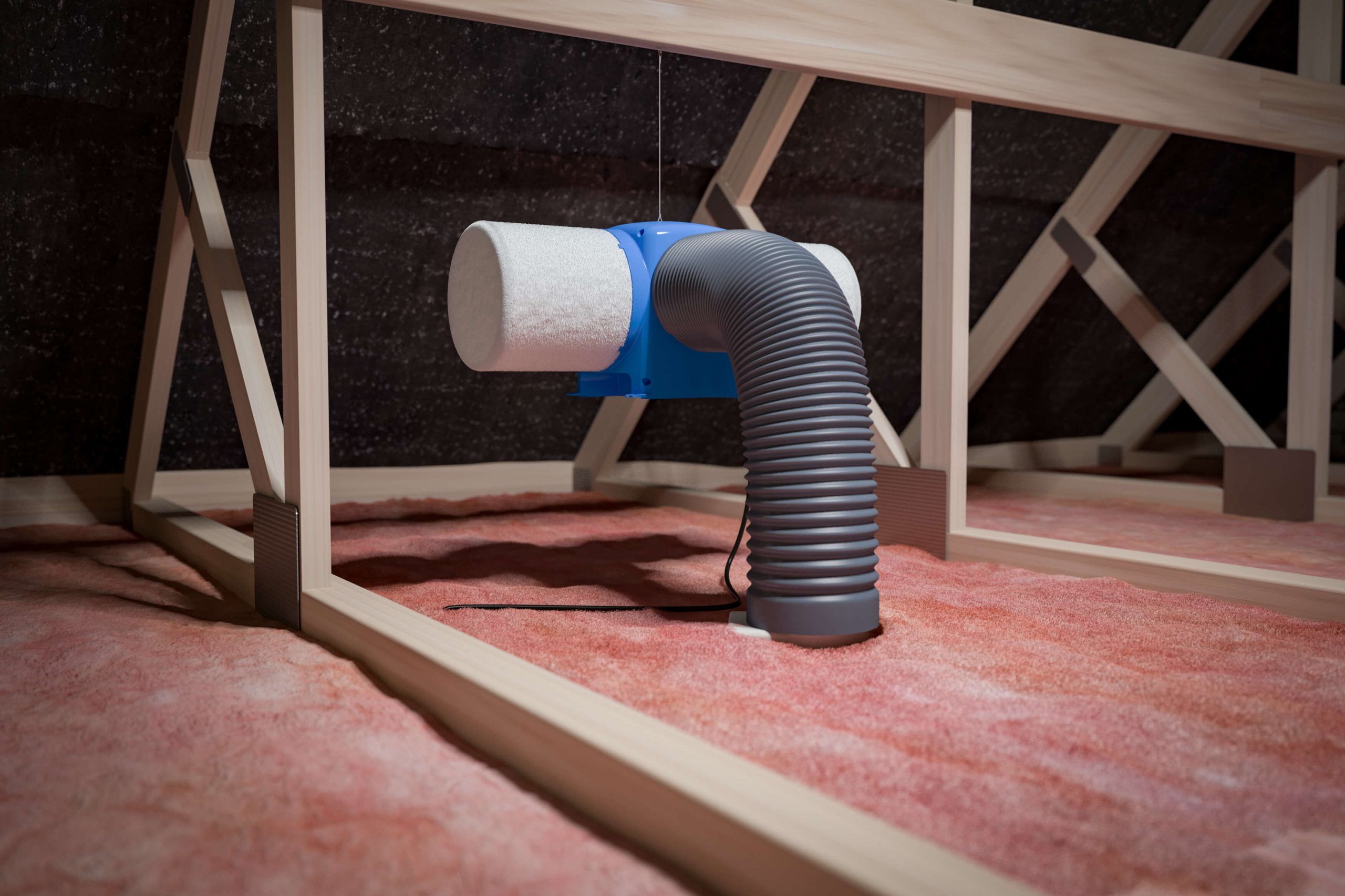
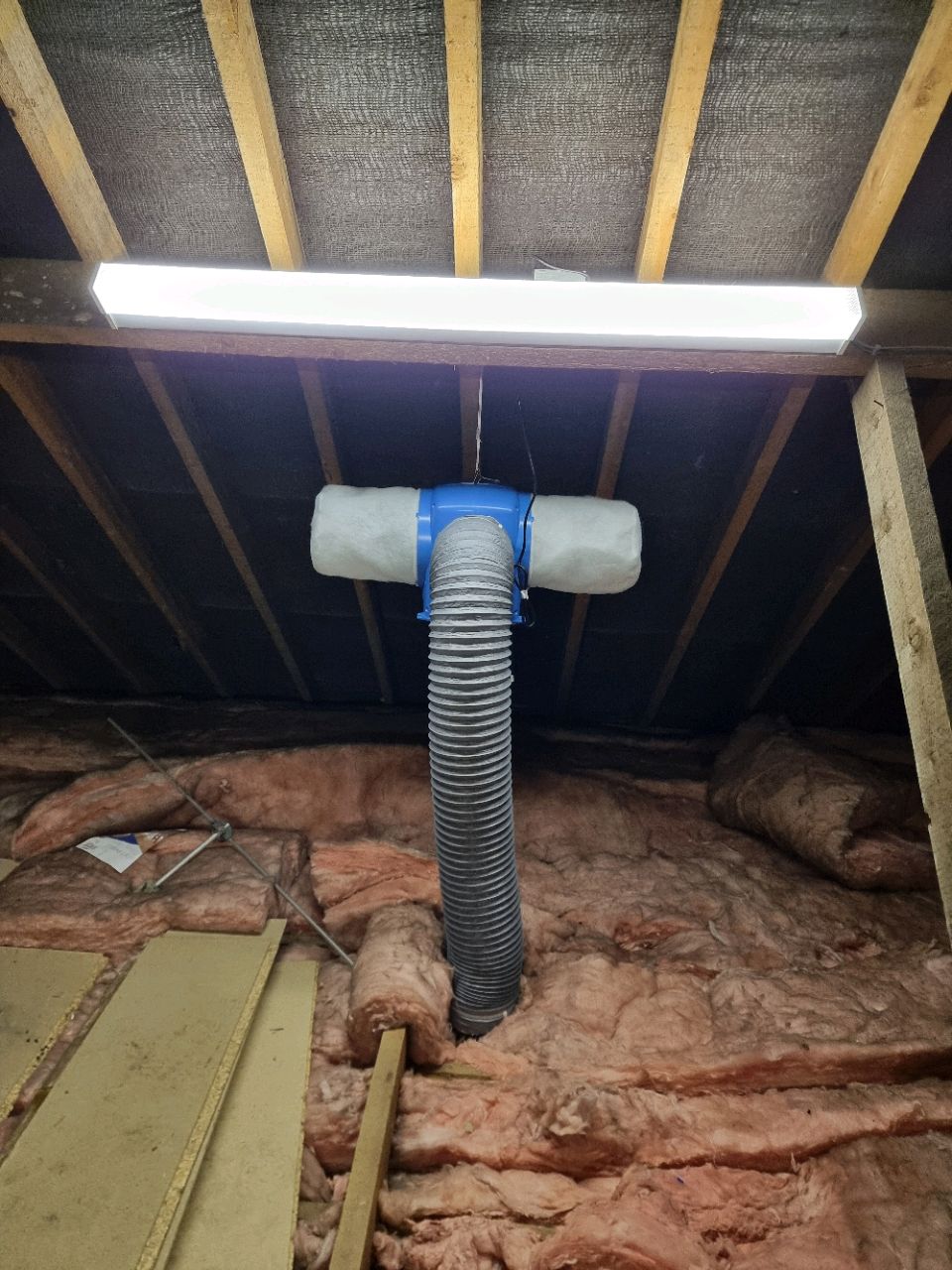
Positive input ventilation myths often lead to poor indoor air quality and dampness. Homeowners in coastal areas like Lilliput often experience heavy condensation during winter months. Some believe that PIV systems are expensive to run or cause cold drafts. This is incorrect. A PIV unit uses a low-energy fan to draw fresh, filtered air into the property.
The system creates a slight positive pressure that pushes moist air out through natural leakage points. This process eliminates the conditions required for black mould growth. Our installers fit these units in lofts to improve health and protect the building fabric. The units consume less energy than a standard light bulb. Addressing ventilation is a core component of maintaining a safe electrical and structural environment in Dorset.
Inadequate earthing and bonding is a hidden hazard in many properties. Main protective bonding connects the electrical installation's earth terminal to the incoming gas and water services. This ensures that if a fault occurs, the metal pipework does not become live. Many DIY renovations in Boscombe and Charminster inadvertently disconnect these safety bonds.
Our electricians in Dorset verify the presence of 10mm earthing cables during every site visit. Without proper bonding, a fault in an appliance could make every radiator or tap in the house live. This is a critical safety failure. Check your gas meter or water stopcock tonight. If you do not see a green and yellow cable clamped to the pipe, the system is non-compliant.

Incorrect cable sizing is a frequent error in home improvement projects. Each cable size has a specific current-carrying capacity based on its cross-sectional area. Using 1.0mm or 1.5mm lighting cable for power sockets is a fire hazard. The cable will overheat before the circuit breaker trips. We also find cables buried too shallow in walls without RCD protection or mechanical capping.
Wiring must follow specific zones defined in BS 7671 regulations. Cables installed outside of these zones are at risk of being pierced by nails or screws. Our team rectified several hazardous installations in Bearwood and Creekmoor last month. All fixed wiring should be handled by a qualified professional to ensure thermal constraints are met.
Bathrooms and outdoor areas require specialised electrical considerations. Standard sockets and switches are not permitted within certain distances of baths and showers. All circuits serving these zones must be protected by a 30mA RCD. We often see non-waterproof lighting installed in gardens in Branksome Park and Canford Cliffs.
Moisture ingress into electrical fittings causes short circuits and rapid corrosion. Any outdoor equipment must have an appropriate Ingress Protection (IP) rating. If your outdoor lights flicker or trip the power during rain, the seal has failed. Isolate the circuit at the consumer unit until a professional can inspect the glands and seals.
Failing to perform regular inspections is a major mistake for both homeowners and commercial landlords. An Electrical Installation Condition Report (EICR) identifies hidden defects, wear and tear, and non-compliance with current safety standards. Commercial electrical services in Poole require these tests every five years or at every change of tenancy for rental properties.
Many faults are not visible to the naked eye. Problems like high earth loop impedance or low insulation resistance can only be detected with calibrated testing equipment. We provide comprehensive testing for businesses in Fleetsbridge and Lansdown. Regular testing ensures that your insurance remains valid and your occupants remain safe.

Dorset Electrical Solutions operates with full accreditation and adherence to the IET Wiring Regulations. Our team serves Bournemouth, Poole, and the surrounding Dorset areas. We hold NICEIC registration and have extensive experience in domestic and commercial sectors. Our work includes consumer unit upgrades, full rewires, and specialist ventilation installations.
We address faults in Ashington, Bear Cross, and Ensbury Park. All installations are tested and certified upon completion. This ensures your property meets the required safety standards for habitation and sale. Maintaining electrical safety is an ongoing requirement that involves professional oversight and regular maintenance.
Our staff are currently working on several commercial projects in Littledown and residential upgrades in Canford Magna. We provide transparent reporting and straightforward remedial work. Compliance with BS 7671 is mandatory for all our projects. Photos of recent installations will be updated on our project gallery soon.
Dorset Electrical Solutions remains the primary choice for reliable electrical services in the region. We focus on technical accuracy and system longevity. Ensure your property is safe by checking for these common mistakes tonight.
Thanks.