
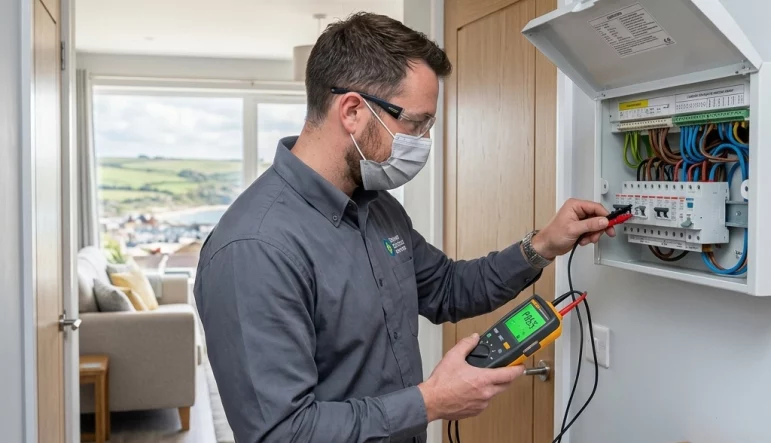
Since the introduction of the Electrical Safety Standards in the Private Rented Sector (England) Regulations 2020, landlord responsibilities have shifted significantly. If you own a rental property in Bournemouth, Poole, or the wider Dorset area, you are likely already aware of the Electrical Installation Condition Report (EICR). This document proves that the electrical systems in your property are safe for your tenants.
However, simply "getting it done" isn't always enough to stay on the right side of the law. Mistakes in how these reports are handled can lead to fines of up to £30,000, invalidated insurance, and: most importantly: dangerous living conditions. At Dorset Electrical Solutions, we see these errors frequently. Here are the seven most common mistakes landlords make with EICRs and exactly how you can fix them to keep your property compliant and your tenants safe.
In a bid to save money, some landlords opt for the cheapest quote they find on a social media marketplace or a generic handyman service. However, an EICR must be completed by a "competent person" who is registered with a recognised industry body like NICEIC or NAPIT.
Unregistered contractors often lack the specialist equipment or the specific training required to assess complex circuits or verify compliance with the latest 18th edition of the Wiring Regulations (BS 7671). If a fire or electrical incident occurs, insurance providers in areas like Ferndown and Ringwood will typically reject claims if the EICR was performed by an uncertified worker.
How to fix it: Always request proof of registration before booking. You can check the online databases of registered competent persons to confirm their status. When you hire an electrician dorset residents trust, ensure they provide a professional report with their registration number clearly visible.
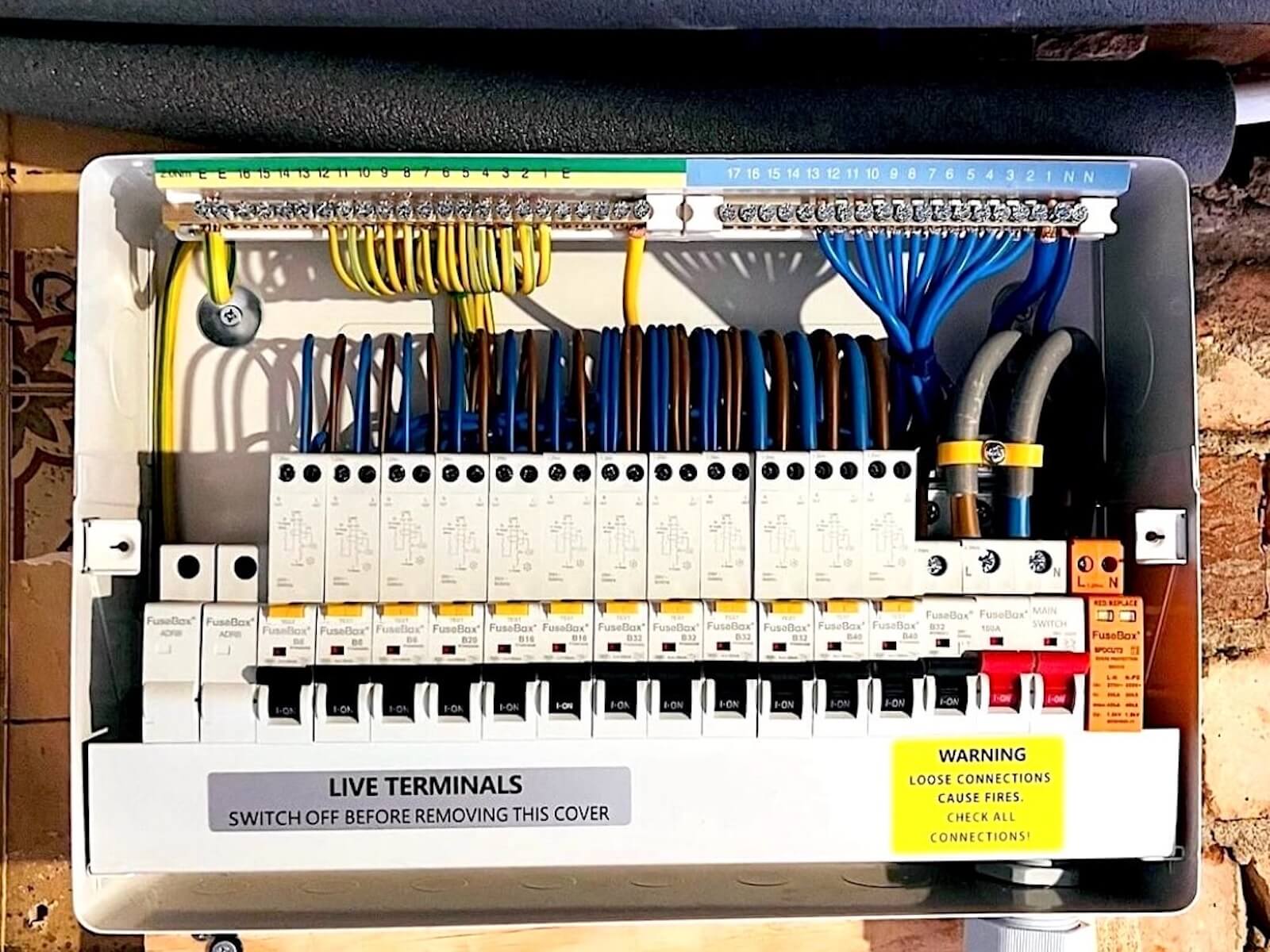
Finding out your property has "failed" its EICR can be frustrating. If the report identifies Code C1 (Immediate Danger) or Code C2 (Potentially Dangerous) issues, the report will be marked as "Unsatisfactory." Under current regulations, you have a maximum of 28 days to complete the necessary remedial work.
A common mistake is thinking that having the "Unsatisfactory" report on file shows you’ve done your part. It doesn't. Without the follow-up work being completed and documented, the property remains legally non-compliant.
How to fix it: Schedule remedial works immediately upon receiving an unsatisfactory report. Once the work is done, ensure you obtain written confirmation (a Minor Works Certificate or an Electrical Installation Certificate) that the faults have been rectified. Keep this confirmation alongside the original EICR.
The law is clear: every rental property must have an EICR performed at least every five years. However, in the busy rental markets of Bournemouth and Poole, time flies. It is incredibly easy for a certificate to expire between tenancies, especially if you have long-term tenants who haven't moved in years.
Waiting until the last month of a certificate's validity is a risk. Professional electricians in Dorset are often booked weeks in advance, and if you can't get an inspection done before the expiry date, you are technically in breach of the law.
How to fix it: Don't wait for the five-year mark. We recommend setting a reminder for four and a half years. This gives you ample time to book an inspection, deal with any remedial works, and ensure you aren't rushing to find a contractor at the last minute.

This is a technicality that often catches landlords out. Even if your property is 100% safe and you have a "Satisfactory" EICR, you can still be fined for administrative failures. You are legally required to provide a copy of the most recent EICR to:
How to fix it: As soon as you receive the digital copy of your EICR from your electrician, email it to your tenants. Ask them to acknowledge receipt. This creates a digital paper trail that proves you have fulfilled your legal obligation.
If your property was originally "Unsatisfactory" and you have since completed the remedial work, there is one final step many landlords forget. You must supply written confirmation to both your tenant and the relevant local council (Dorset Council or BCP Council) within 28 days of the work being finished.
Simply fixing the problem isn't the end of the process; the local authority needs to know that the hazard has been removed. Failing to send this confirmation can trigger an investigation or a fine, even if the work has actually been completed.
How to fix it: Once your electrician provides the proof of remedial works, send a copy to the council's private sector housing team immediately.
It is a significant legal breach to allow a new tenancy to begin in a property that currently holds an "Unsatisfactory" EICR rating. Some landlords assume they can move a tenant in and then fix the C2 faults during the first month of occupancy.
From a legal and safety standpoint, a property with C1 or C2 faults is not fit for habitation. If a tenant moves in and suffers an electric shock or if a fire starts due to a fault identified in the report, the landlord is fully liable.
How to fix it: Ensure the property reaches a "Satisfactory" status before the move-in date. If you are managing properties in Canford Cliffs or Branksome Park, where rental values are high, a small delay for safety works is much cheaper than a legal battle or a massive fine.
While the 5-year rule is the absolute maximum interval, many landlords don't realise that the condition of the electrical system should be verified at every change of tenancy. While you don't necessarily need a full EICR every time someone moves out (if the current one is still valid), a visual inspection is vital.
Tenants may have tampered with sockets, overloaded circuits, or caused accidental damage to wiring. Relying solely on a report from four years ago when a new family is moving in is a risk.
How to fix it: Between tenancies, have your electrician perform a quick visual inspection. Furthermore, consider the modern needs of tenants. For example, installing an EV charger installation for a new tenant not only makes your property more attractive but ensures the high-load electrical work is done safely and integrated into your records.
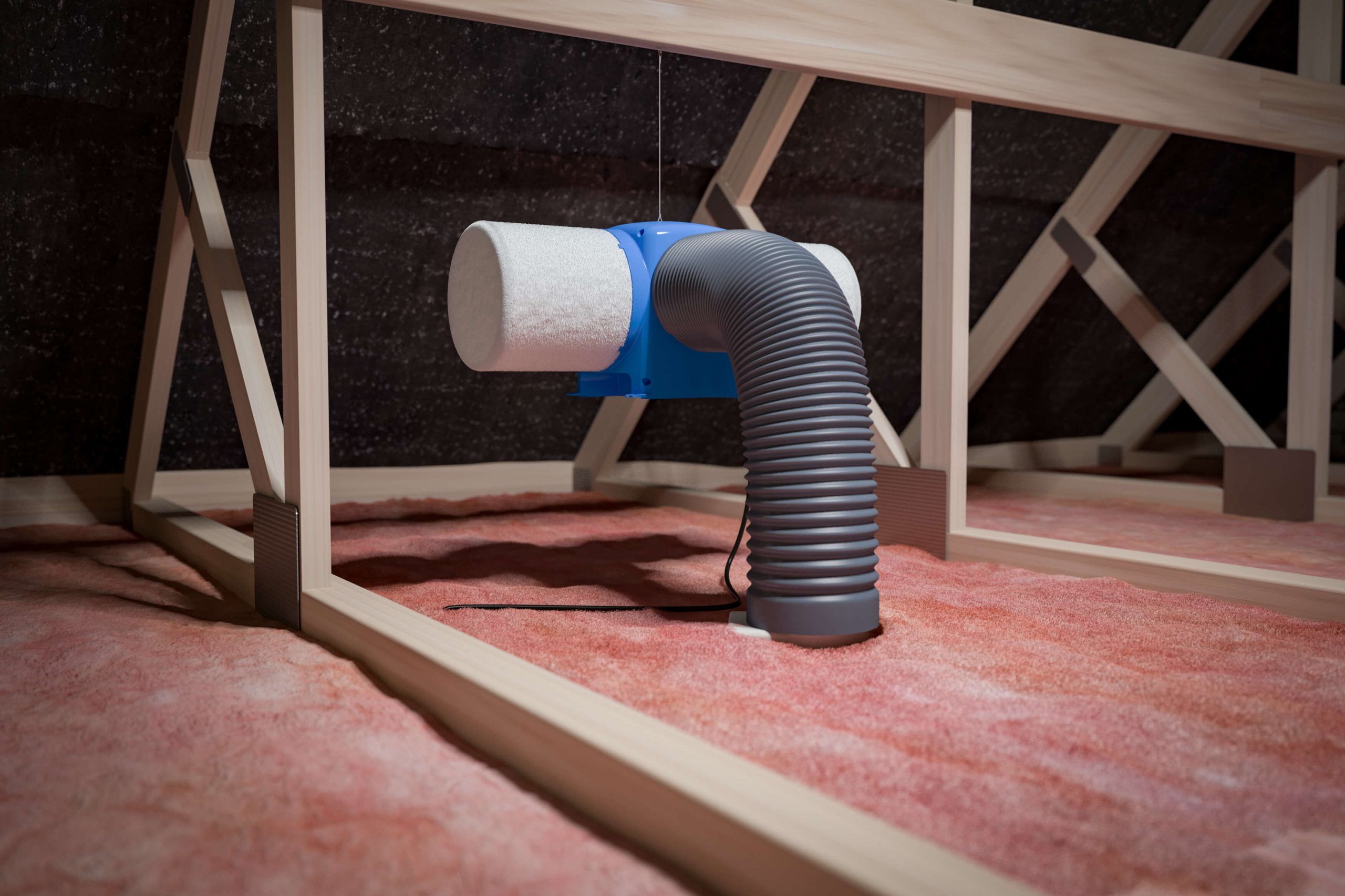
Electrical safety isn't the only concern for Dorset landlords. With the damp coastal air in areas like Poole and Bournemouth, mould and condensation are constant battles. Many landlords are now integrating PIV unit installations into their electrical maintenance schedules.
A Positive Input Ventilation (PIV) system is a small, energy-efficient unit usually installed in the loft. It works by gently pushing fresh, filtered air throughout the home, which displaces moist, stale air. This prevents the condensation that leads to mould: a major health hazard that landlords are now legally required to address under the "Awaab's Law" amendments.
How to fix it: When you have your electrician dorset professional on-site for an EICR, ask them to assess the property for a PIV unit. It's a proactive way to protect your investment and ensure your tenants are living in a healthy environment.
Electrical compliance doesn't have to be a headache. By avoiding these seven common mistakes, you can ensure your rental business in Dorset remains profitable, legal, and: most importantly: safe for the people who call your properties home. If you need assistance with an EICR in Charminster, Bearwood, or Creekmoor, reaching out to a local expert is the first step toward total peace of mind.