
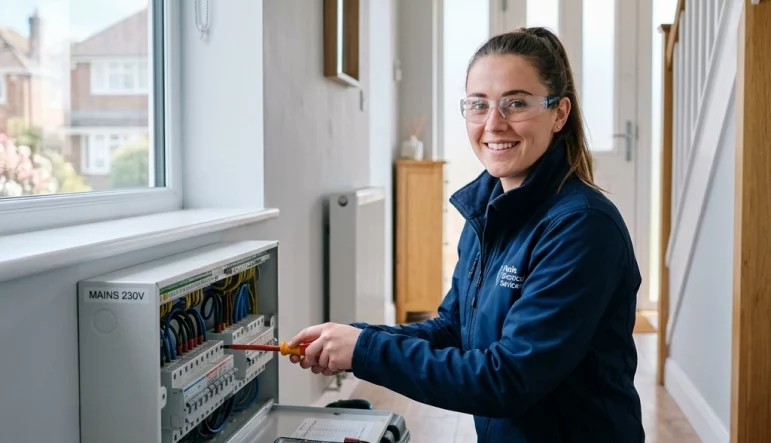
Electrical compliance in residential and commercial properties throughout Poole and the wider Dorset area is governed by the BS 7671 IET Wiring Regulations. Many property owners in Bournemouth, Ferndown, and Ringwood inadvertently breach these safety standards during minor renovations or DIY maintenance. Dorset Electrical Solutions frequently identifies significant safety risks during Electrical Installation Condition Reports (EICR) and routine maintenance visits.
The following sections detail common electrical safety errors observed across the region and the technical procedures required to rectify them. Adherence to these guidelines ensures the longevity of the electrical infrastructure and the safety of the occupants.
Overloading occurs when the total current drawn from a circuit exceeds the rated capacity of the conductors or the protective device. In older properties located in Poole and Bournemouth, circuits were often designed for lower demand than modern household requirements. Adding multiple sockets to a single radial circuit without assessing the total load is a frequent mistake.
Excessive load causes the wiring to generate heat. This thermal stress degrades the PVC insulation over time, which increases the risk of short circuits and electrical fires. Our team regularly upgrades these systems by installing additional dedicated circuits for high-load appliances. A full circuit assessment is mandatory before expanding any existing power points to ensure the current carrying capacity of the cable remains within safe limits.
The selection of the correct wire gauge is critical for maintaining electrical safety in Poole. Using a cable with a cross-sectional area that is too small for the intended load leads to increased resistance. This resistance generates heat, effectively turning the wiring into a heating element within the wall cavities.
Electricians in Dorset often encounter 1.0mm² cable used where 1.5mm² or 2.5mm² is required. This is particularly common in lighting circuits where high-wattage external floodlights have been added. Fixes involve replacing the undersized conductors with appropriately rated cables and ensuring the circuit breaker is matched to the cable's current-carrying capacity, considering factors like installation method and thermal insulation.

Loose connections are a primary cause of arcing in domestic and commercial properties. Arcing occurs when electricity jumps across a gap in a connection, creating intense heat that can ignite surrounding materials. Symptoms typically include flickering lights, buzzing sounds from switches, or the smell of burning plastic.
The use of electrical tape to secure joints is non-compliant with current regulations. Our electricians utilise maintenance-free connectors, such as Wago clips or properly torqued screw terminals, to ensure a secure and permanent connection. All splices must be contained within a suitable, fire-rated enclosure. Dorset Electrical Solutions provides comprehensive rectification for poor splicing identified during safety inspections.
Stripping the insulation too far back from the conductor leaves bare copper exposed at the terminal. This increases the risk of a short circuit if the exposed wire contacts the metal casing of a backbox or an adjacent conductor. Conversely, failing to strip enough insulation can result in a "bird’s nest" connection where the terminal screw grips the insulation rather than the copper, leading to high resistance.
Our team ensures that only the necessary amount of insulation is removed, ensuring the conductor is fully inserted into the terminal with no bare copper visible outside the connector. This practice is essential for both residential safety in Ferndown and commercial installations in Ringwood.

Working on live circuits is the most dangerous mistake documented in the Dorset electrical industry. Many individuals rely on a standard light switch or a neon screwdriver to test for power. These methods are unreliable and do not guarantee that a circuit is dead.
Professional safe isolation involves a specific multi-step process: identifying the correct circuit, turning off the supply at the consumer unit, locking the isolator in the 'off' position, and verifying the absence of voltage using a calibrated 2-pole voltage indicator. The tester is checked against a known proving unit both before and after the test. This protocol is strictly followed by our team on every project to prevent fatal shocks.
A Residual Current Device (RCD) is a life-saving component that disconnects the power if a leakage to earth is detected. Many older properties in Poole still operate with rewirable fuses or older circuit breakers that lack RCD protection. This leaves occupants at risk of severe electric shock if a fault occurs.
Current regulations require RCD protection on nearly all domestic circuits. Dorset Electrical Solutions specialises in consumer unit upgrades to bring properties into compliance. A modern consumer unit installation provides individual circuit protection and enhances the overall safety of the electrical system.
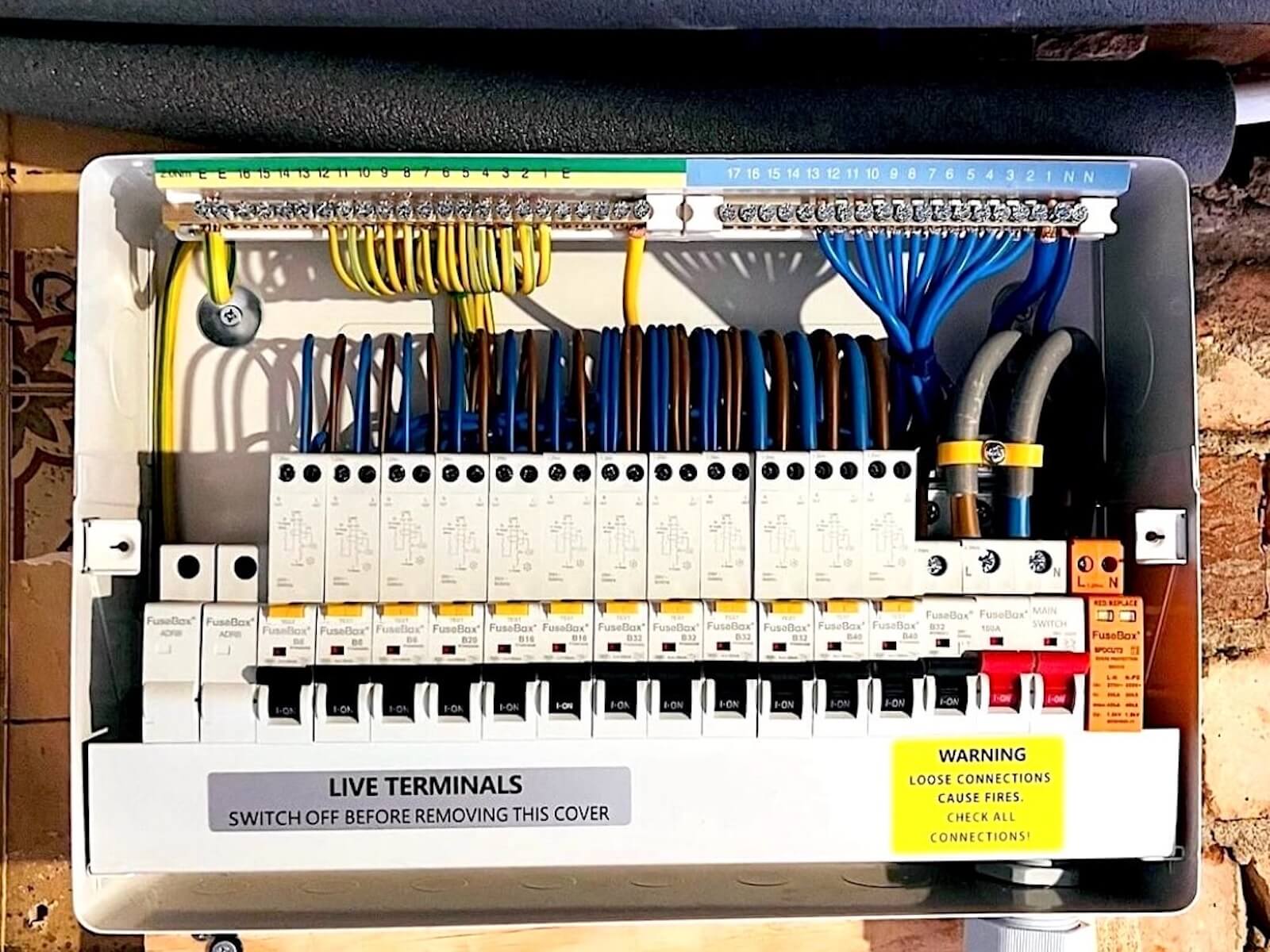
Upgrading to a 18th Edition compliant consumer unit includes the installation of Surge Protection Devices (SPD) and Arc Fault Detection Devices (AFDD) where appropriate. These components protect sensitive electronics from voltage spikes and detect dangerous arcing before a fire starts. Further details on our installation standards can be found on our gallery page.
The reliance on extension leads as a permanent solution for a lack of wall sockets is a significant safety hazard. "Daisy-chaining": plugging one extension lead into another: increases the total electrical resistance and creates a high risk of overloading the initial socket.
Extension leads are intended for temporary use only. They are often hidden behind furniture or under carpets, where heat cannot dissipate. The permanent solution implemented by our team in Poole involves the professional installation of additional fixed wall sockets. This removes the fire risk associated with overloaded temporary leads and ensures the property meets current safety standards.
In Dorset, moisture and condensation can lead to damp conditions that affect electrical components. Excess moisture inside wall cavities or lofts can cause corrosion of electrical terminals and degrade insulation. Dorset Electrical Solutions provides positive input ventilation (PIV) systems to manage indoor air quality and protect the building fabric.
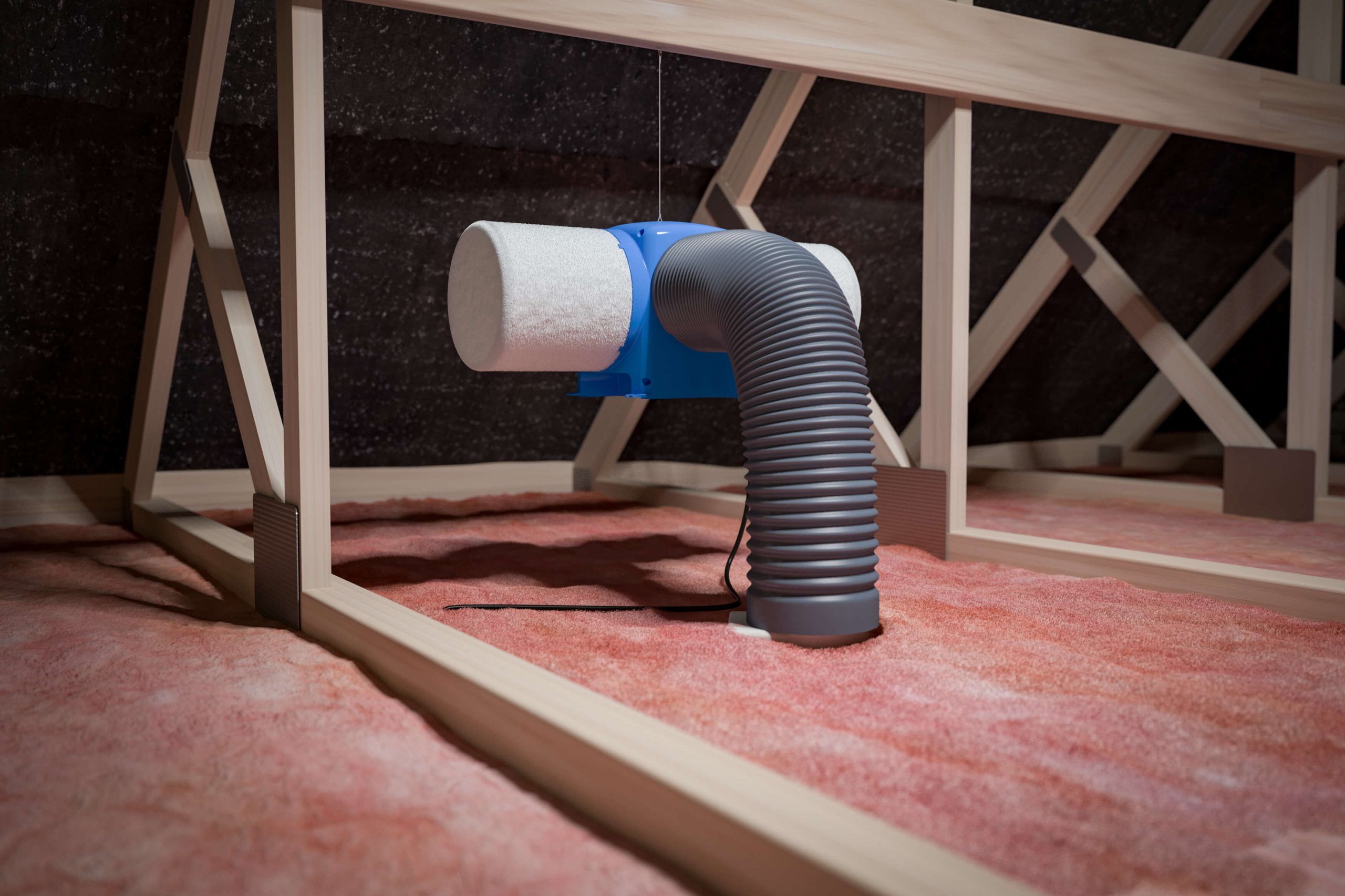
Installing a PIV system involves dedicated electrical feeds and ensures that the property remains dry, which indirectly supports the longevity of the electrical installation. We address common PIV myths regarding energy consumption and noise during our consultation process in Bournemouth and Poole.
To maintain compliance and safety, property owners in Ringwood and Ferndown should adhere to the following checklist:
Our team is currently conducting safety audits and remedial works throughout the Dorset area. We are removing outdated rewirable fuse boards and replacing them with high-end metal-clad consumer units. Photos of recent projects in Poole are available for review.
Dorset Electrical Solutions remains committed to delivering reliable electrical services. Our technicians are fully insured and compliant with all local and national safety regulations. We provide commercial electrical services, residential upgrades, and specialist ventilation installations across Poole, Bournemouth, Ferndown, and Ringwood.
Thanks.