
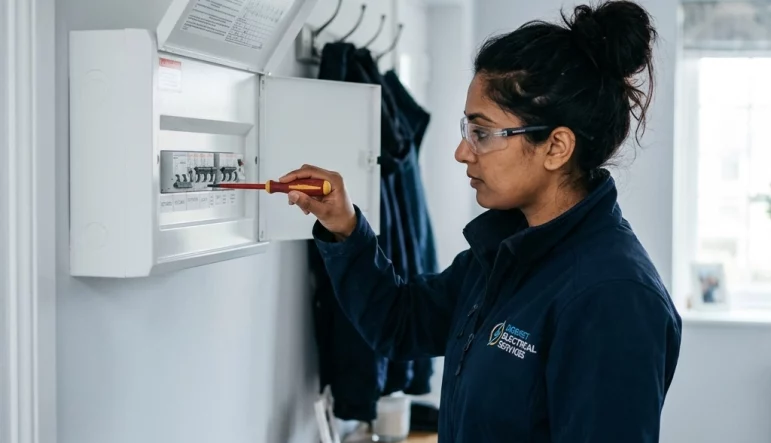
Domestic electrical systems in Dorset have undergone significant changes over the last two decades. Many properties in Bournemouth, Poole, and surrounding areas like Ferndown still rely on antiquated fuse boards that were never designed to handle the load of modern lifestyle technology. From electric vehicle chargers to high-powered induction hobs, the strain on old consumer units is reaching a breaking point.
At Dorset Electrical Solutions, our team frequently encounters residential installations that are not only outdated but actively dangerous due to common maintenance mistakes. Whether you are living in a Victorian terrace in Boscombe or a modern build in Canford Heath, understanding the state of your electrical heart: the fuse board: is essential for property safety and insurance compliance.
The most common mistake found in older BS 3036 "rewirable" fuse boards is the use of incorrect fuse wire. These boards require a specific gauge of wire to protect the circuit. We often see homeowners in Branksome Park and Lilliput replacing blown 5-amp lighting fuses with 30-amp wire intended for cookers.
This is a critical failure. If the fuse wire is stronger than the cable it is protecting, the cable will melt or catch fire before the fuse ever blows. This "penny-pinching" approach to maintenance bypasses the primary safety mechanism of your home. Modern consumer units eliminate this risk by using Miniature Circuit Breakers (MCBs) that are factory-calibrated and cannot be "uprated" by mistake.
A fuse board that trips or blows fuses regularly is sending a clear signal that there is a fault. Many homeowners view a tripping circuit as an annoyance to be reset rather than a warning to be investigated. Whether it’s a faulty appliance or a degraded cable in a loft in Ashington, persistent tripping indicates an overcurrent or a short circuit.
Ignoring these signs leads to "carbon tracking" within the fuse board. Each time a spark occurs during a trip, it leaves a small amount of carbon. Over time, this carbon can become a conductor, leading to a catastrophic fire within the unit itself. Reliable electricians in Dorset recommend a full circuit investigation if a breaker trips more than twice in a single month.

Electrical work is one of the few home improvement areas where DIY is not just discouraged but strictly regulated under Part P of the Building Regulations. We have encountered numerous instances in Bear Cross where homeowners have attempted to add new circuits to an old board themselves.
Modern consumer units require precise torque settings for every connection. Loose connections are the leading cause of electrical fires in the UK. A connection that feels tight to a DIYer might actually be loose enough to cause arcing under load. Our team utilizes calibrated torque screwdrivers to ensure every termination meets the manufacturer's specific Newton-meter requirements.
Many older boards in Poole lack Residual Current Devices (RCDs). An RCD is a life-saving device designed to prevent you from getting a fatal electric shock if you touch a live wire. It also provides some protection against electrical fires.
If your fuse board has wooden backings or uses ceramic pull-out fuses, it almost certainly lacks this protection. In areas like Hamworthy, where older housing stock is prevalent, upgrading to a board with RCBOs (Residual Current Breaker with Overcurrent) is the single most effective safety improvement you can make. RCBOs combine the functions of an MCB and RCD for each individual circuit, meaning a fault in the kitchen won't plunge your entire house into darkness.
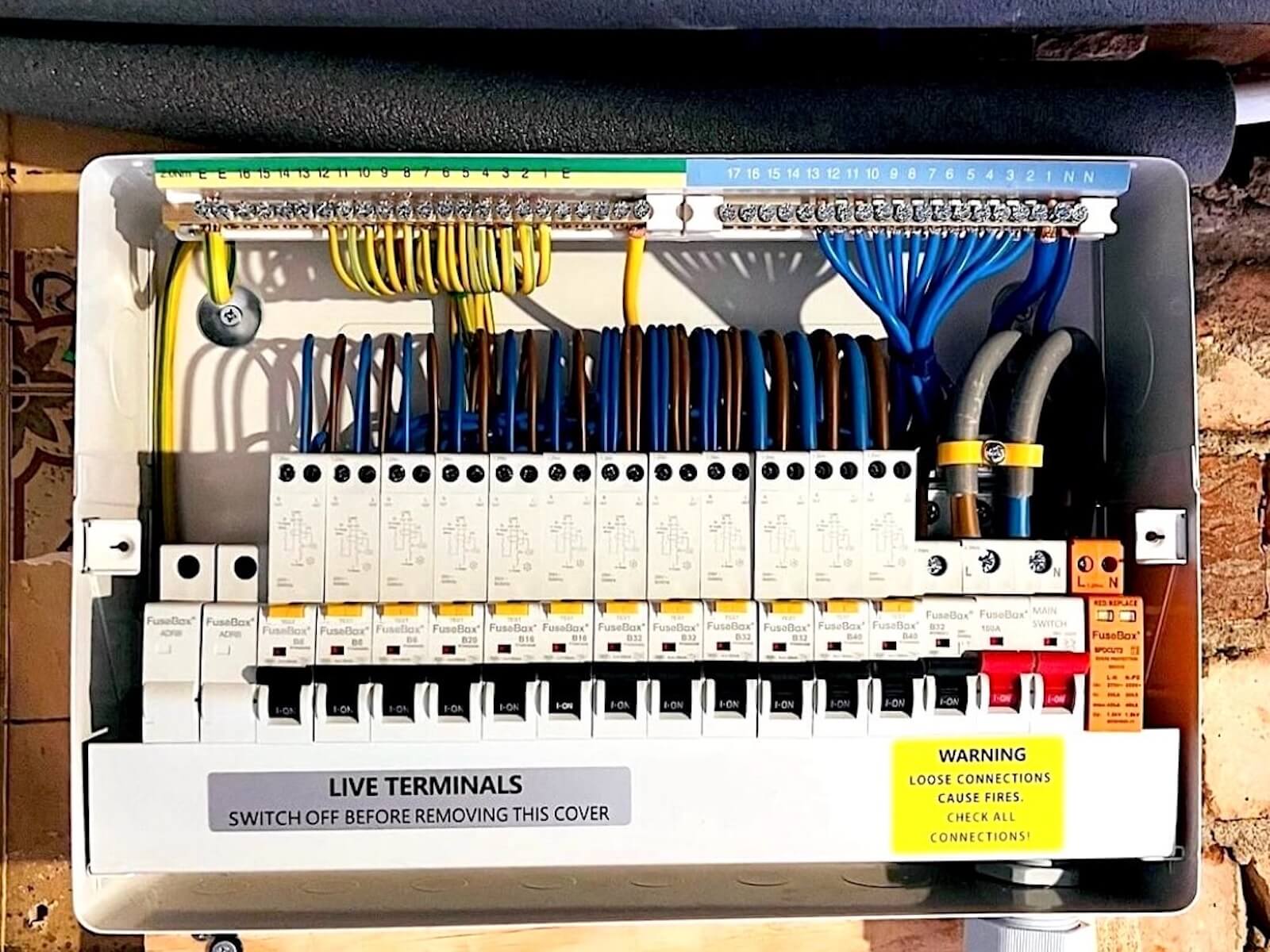
A fuse board should be clearly labeled so that circuits can be isolated quickly in an emergency. In Charminster and Winton, we often find boards where labels are missing or entirely incorrect after years of various tradespeople adding and removing wiring.
Furthermore, overcrowding: stuffing too many cables into a single terminal: leads to overheating. Current regulations limit the number of cables permitted in specific terminals to ensure heat can dissipate. An overcrowded board is a heat trap. If you cannot clearly identify which switch turns off the upstairs sockets, your board fails basic safety standards.
With the introduction of the 18th Edition Amendment 2 of the Wiring Regulations, Surge Protection Devices (SPDs) have become a standard requirement for most new installations. Many Dorset homeowners are unaware that a single lightning strike near Creekmoor or a power surge from the grid can fry every electronic device in the house.
Older fuse boards offer zero protection against voltage spikes. Considering the value of modern home offices, smart TVs, and kitchen appliances, the cost of an SPD-integrated consumer unit upgrade is negligible compared to the cost of replacing damaged electronics.
A common mistake seen during "quick fixes" is the mixing of different brands of circuit breakers within one board. While a breaker from one brand might physically "fit" onto the busbar of another, the busbar connection is rarely perfect.
Even a millimetre of misalignment creates a high-resistance joint. In high-demand areas like Canford Cliffs, where properties often run heavy climate control systems, these mismatched components can melt and fuse together, rendering the safety device useless. Our policy at Dorset Electrical Solutions is to always use manufacturer-specific components to maintain the integrity of the unit’s type-testing.

The primary reason for an upgrade isn't just to fix mistakes; it’s to bring the home up to modern safety standards. Many properties in Ringwood and Ferndown are currently operating on electrical infrastructure that is 30 to 40 years old.
Electrical safety in Poole and Bournemouth is a growing concern for insurers. We are seeing an increase in insurance companies requesting a valid Electrical Installation Condition Report (EICR) before renewing policies for older homes. A modern metal-clad consumer unit with individual RCBO protection and Surge Protection ensures your home remains compliant and, more importantly, safe.
While we focus on electrical safety, it’s worth noting that the health of a property is holistic. Many homeowners in coastal areas like Fleetsbridge and Longfleet suffer from damp and condensation issues. As part of our comprehensive services, we often install positive input ventilation (PIV) systems alongside consumer unit upgrades.
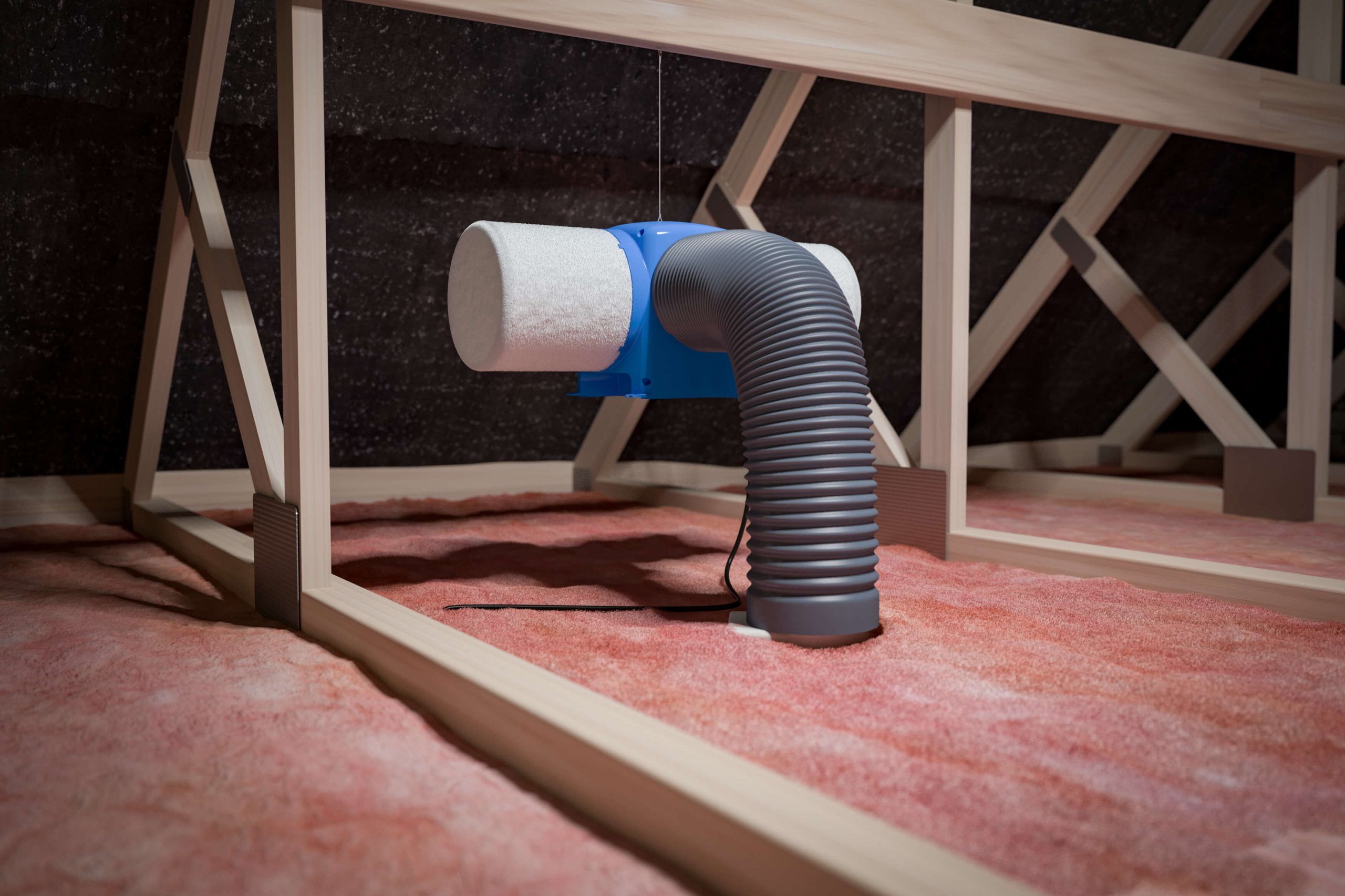
There are many PIV myths suggesting these systems are expensive to run or noisy, but a professionally installed unit is nearly silent and consumes less energy than a standard lightbulb. By improving indoor air quality and eliminating mould, you protect the structural integrity of your home just as a new fuse board protects its electrical integrity.
If you are unsure about the state of your electrical system, check the following:
Our team provides expert domestic and commercial electrical services across the region. Whether you require a simple safety check in Lansdown or a complex industrial installation in Fleetsbridge, we prioritize reliability and regulatory compliance.
Dorset Electrical Solutions is committed to upgrading the safety of homes across the county. Don't wait for a burning smell or a total power failure to address your fuse board. A proactive upgrade is always cheaper and safer than an emergency repair.
Thanks for reading. For more information on local projects and safety updates, keep an eye on our blog.