

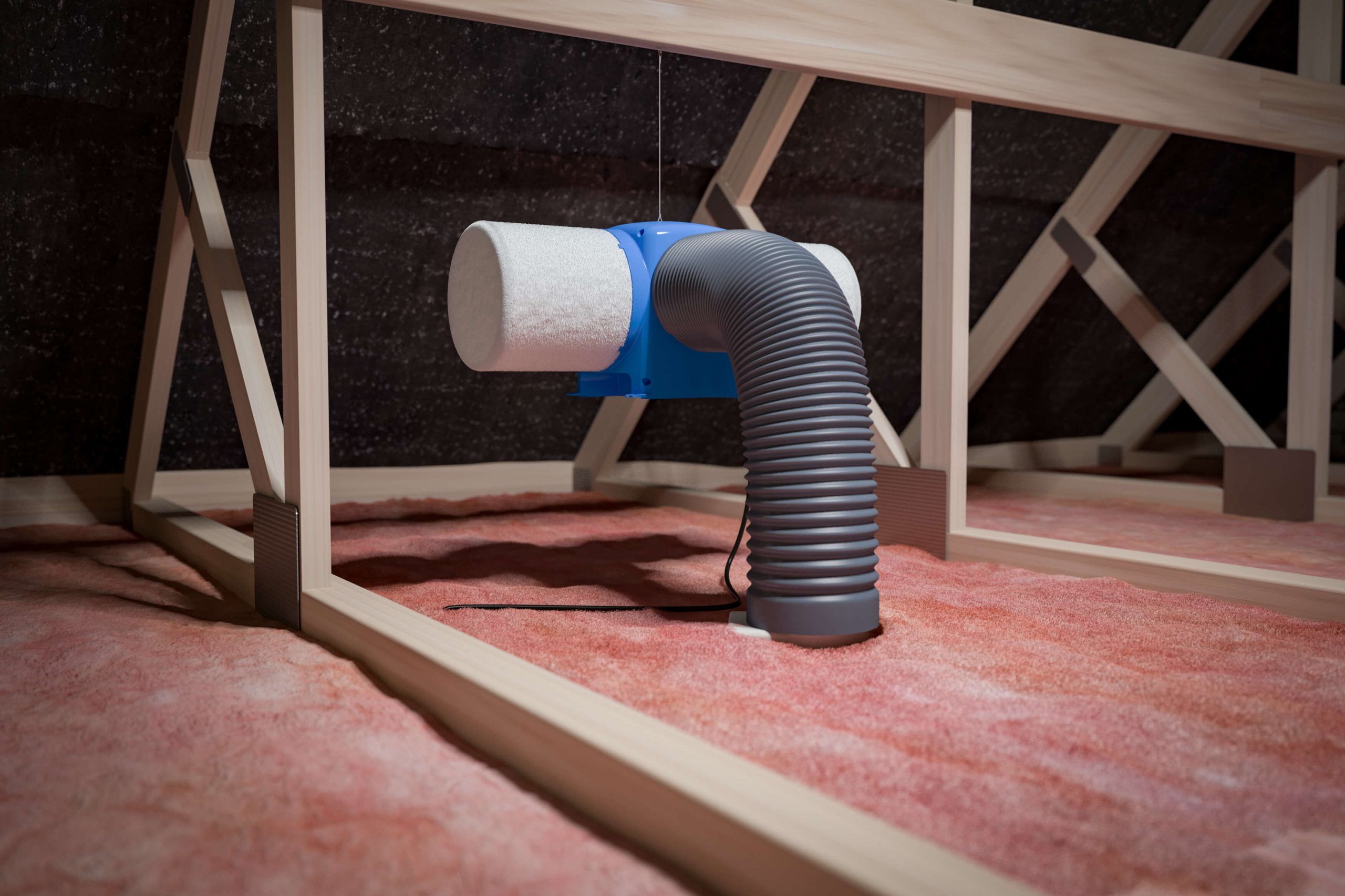
Positive Input Ventilation (PIV) systems are being installed across residential properties in Dorset to address persistent issues with condensation, mould, and damp. This technology works by introducing fresh, filtered air into the home from a central unit, usually located in the loft space. The process creates a slight positive pressure that displaces moisture-laden air through natural exit points like window trickles and air bricks. Our team is currently fitting these units for homeowners in Bournemouth, Poole, and Ferndown who are looking to improve indoor air quality.
There are several misconceptions regarding the performance and cost of PIV systems. A frequent concern among homeowners in Ringwood and Poole is that these units introduce cold air during the winter months. Modern units are designed with an integral tempering function or heater to ensure the incoming air does not drop below a set temperature, typically around 10°C. In Dorset, loft spaces often benefit from solar gain on the roof tiles, meaning the air drawn in is frequently warmer than the external temperature.
Another myth involves the running costs of these systems. PIV units utilize low-wattage brushless DC motors. Under standard operating conditions, these systems draw between 4 and 9 watts of power. This equates to an approximate annual running cost of £10 to £20 depending on the specific electricity tariff and fan speed settings. The systems are designed for continuous, quiet operation and do not require high-voltage circuits to function effectively.

Proper installation is required to ensure both performance and compliance with UK building regulations. A PIV unit is typically mounted in the loft and connected to a central ceiling diffuser via insulated ducting. Our electricians in Dorset provide a dedicated fused spur for the unit, ensuring it is isolated and protected. This work often coincides with a wider review of the property’s electrical safety.
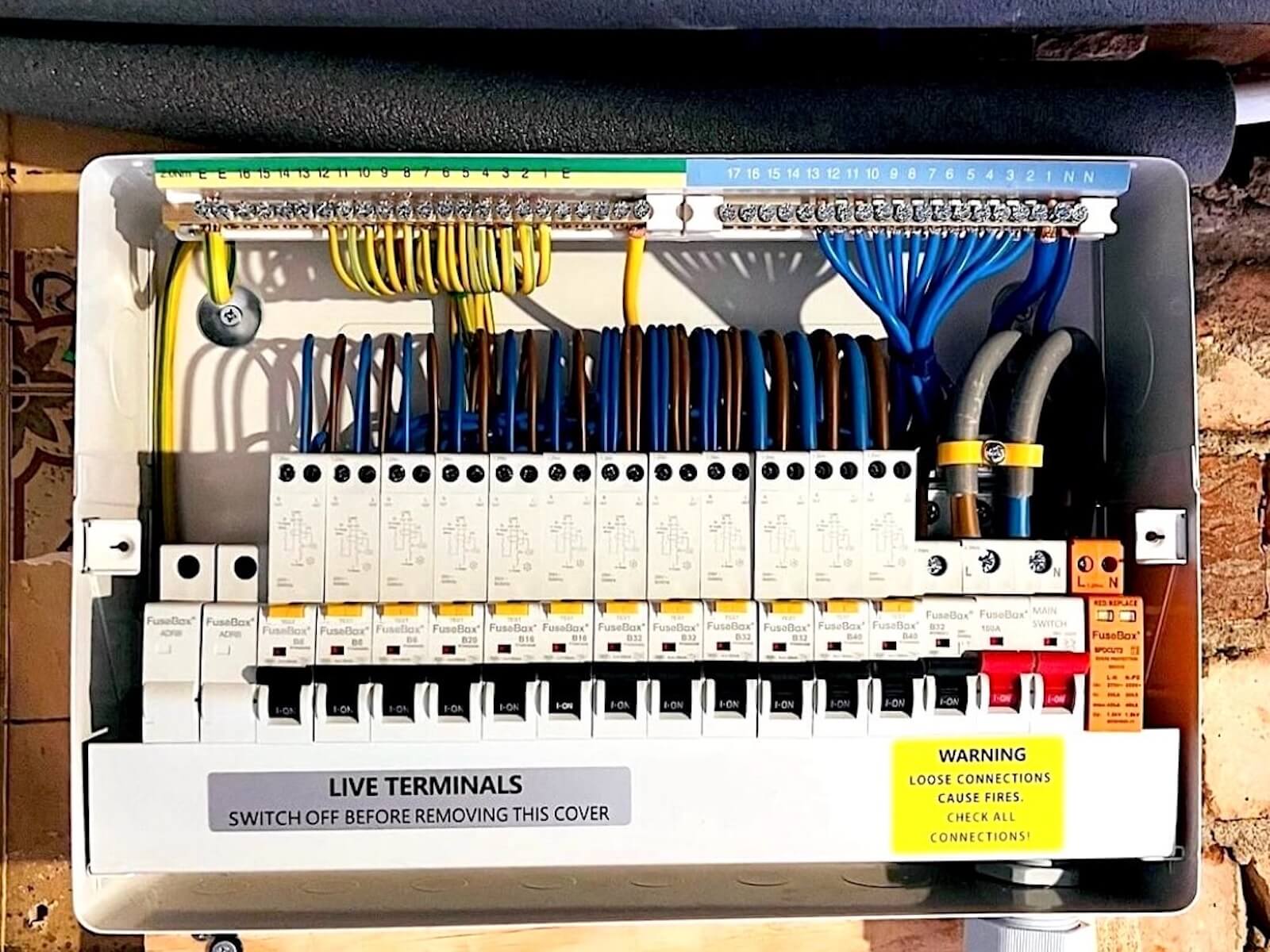
Maintaining electrical safety in Poole and Bournemouth properties is a priority when introducing new fixed appliances. We often find that older properties require a consumer unit upgrade to accommodate modern safety devices like Residual Current Devices (RCDs) and Surge Protection Devices (SPDs). These upgrades ensure that the entire electrical system is compliant with current 18th Edition wiring regulations.
Coastal areas such as Bournemouth and Poole experience higher humidity levels, which can lead to significant condensation on cold surfaces during the winter. PIV systems are particularly effective in these environments as they dilute internal humidity levels consistently. The G4 filters within the units capture larger dust particles and allergens, contributing to a cleaner living environment. While they do not remove all fine particulates, the reduction in airborne moisture effectively prevents the germination of mould spores on walls and ceilings.
In larger properties or those with complex layouts, the placement of the ceiling diffuser is critical. Our team assesses the airflow paths to ensure the positive pressure reaches all rooms, including kitchens and bathrooms where moisture generation is highest. We are currently scheduling several installations in Ferndown and Ringwood to address these specific coastal environmental factors.

PIV systems should be viewed as part of a whole-house approach to ventilation and electrical health. They work most effectively when properties maintain a baseline temperature and have functioning extract fans in high-moisture areas. During our site visits, we often conduct an electrical safety checklist to identify any underlying issues with wiring or earthing that could impact the new installation.
Photos of our recent projects in the Dorset area are available in our online gallery. These images show the standard of ducting and electrical termination required for a reliable PIV setup. Our team remains focused on providing cost-effective, technical solutions for residential damp and mould.
Dorset Electrical Solutions has over 20 years of experience in providing electrical services across the region. All PIV installations are carried out by City & Guilds qualified electricians. We ensure that every project meets the necessary safety standards and provides long-term reliability for the homeowner. For properties in Ringwood, Ferndown, and the surrounding areas, we provide detailed technical assessments before beginning any work.
We are currently finishing several residential upgrades in Bournemouth. More project updates to follow.
Thanks.