

Electrical systems in Dorset residential properties are under the highest stress during the evening hours. Data indicates that most domestic electrical fires occur between 6:00 PM and 10:00 PM when lighting, heating, and kitchen appliances operate simultaneously. Homeowners in Bournemouth, Poole, and surrounding areas frequently overlook subtle indicators of system fatigue. Maintaining a safe home environment requires an understanding of how modern electrical demands interact with older wiring infrastructures commonly found in the region.
A primary error involves the excessive demand placed on single-ring main circuits. Many older properties in Ferndown and Ringwood were designed with a limited number of socket outlets per room. Homeowners often compensate by using multi-way adapters to power televisions, sound systems, and gaming consoles simultaneously. This practice exceeds the rated capacity of the circuit, typically 32 amps for a standard ring final circuit. Overloading causes the copper conductors to heat up significantly. Over time, this heat degrades the PVC insulation. If the insulation fails, the risk of a short circuit or a fire increases. Our team frequently identifies scorched socket terminals during routine inspections. Monitoring the total wattage of devices connected to a single point is necessary to prevent thermal damage.
Using the wrong wire size for new installations is a frequent mistake identified by electricians in Dorset. Different electrical loads require specific cable cross-sectional areas to safely carry current without overheating. For example, a 1.5mm² cable is standard for lighting circuits, while 2.5mm² is required for power circuits. Installing a new socket in a Poole home using lighting-grade cable creates a significant fire hazard. The thinner wire acts as a resistor, generating heat as electricity struggles to flow through the restricted path. This is especially dangerous when cables are buried in thermal insulation, which prevents heat dissipation. Compliance with BS 7671 (The IET Wiring Regulations) is mandatory for all new circuit work to ensure cable sizes match the protective device ratings in the consumer unit.
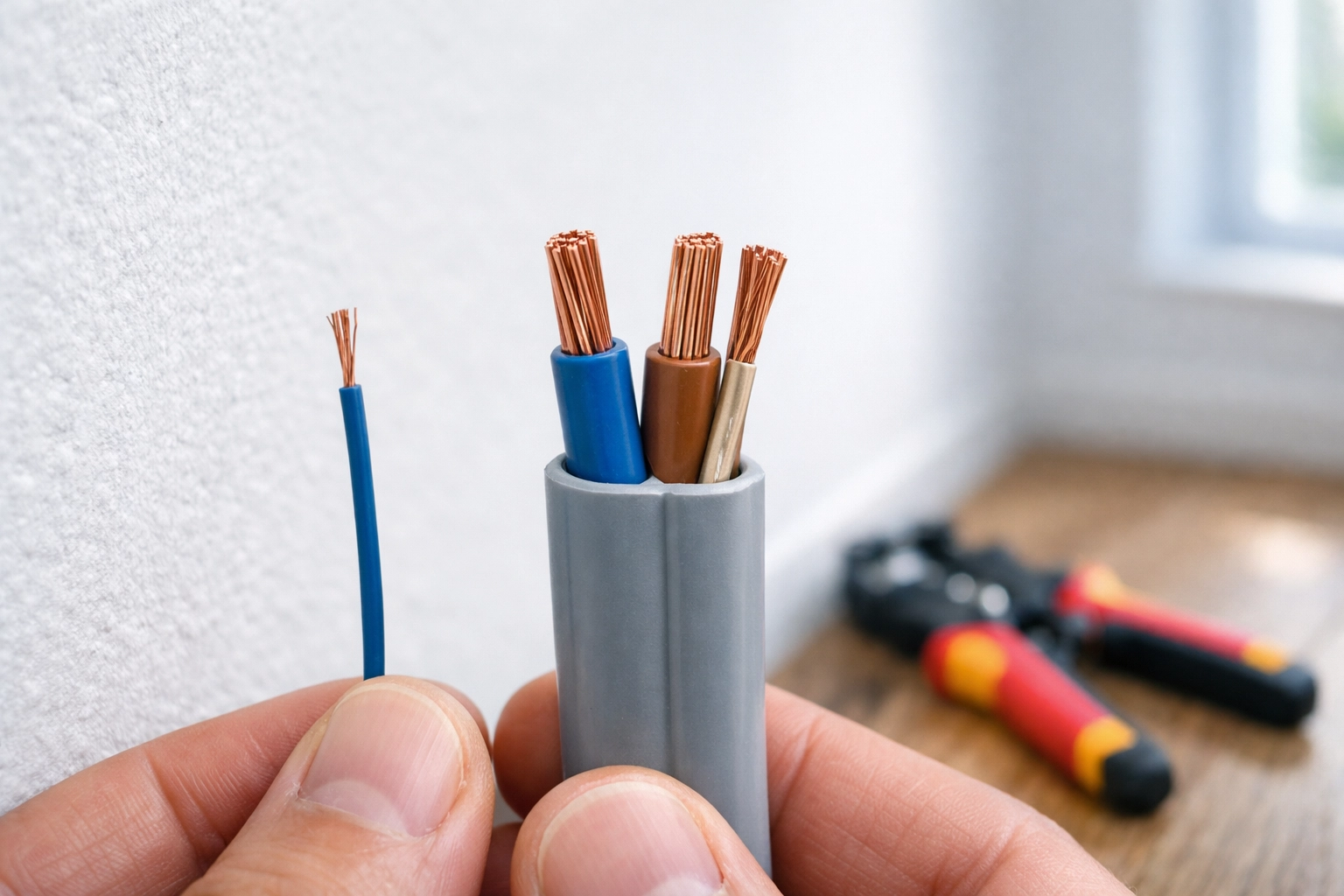
Connections must be tight and secure to maintain electrical continuity. Loose wires inside socket back-boxes are a leading cause of "arcing." Arcing occurs when electricity jumps across a small gap between a loose wire and a terminal. This produces intense heat, often reaching temperatures high enough to melt plastic components. Residents in Bournemouth may notice flickering lights or a faint buzzing sound behind walls, which are symptoms of loose terminations. The use of electrical tape to join wires: a common DIY "quick fix": is a major safety violation. Professional electricians use modern connectors, such as Wago clips or maintenance-free junction boxes, to ensure connections remain permanent and vibration-resistant. We are currently rectifying several such DIY errors in residential projects across Dorset.
When connecting wires to terminals, stripping too much insulation leaves bare copper exposed. This exposure creates a risk of short-circuiting if the live and neutral wires come into contact within the mounting box. Furthermore, if an exposed live conductor touches a metal back-box that is not correctly earthed, the entire wall plate can become live. This presents a severe shock hazard to anyone touching the switch or socket. Professional standards dictate that no bare copper should be visible outside the terminal connector. Correcting these issues is a standard part of our electrical safety poole checklists during property handovers and periodic inspections.
Failing to isolate power correctly is the most dangerous mistake a homeowner can make. Many people assume that turning off a wall switch renders a circuit safe for repair. This is incorrect. The circuit remains live up to the switch itself. Even switching off a breaker at the consumer unit can be unreliable if the unit is mislabeled or if there is a "borrowed neutral" from another circuit. Dorset Electrical Solutions follows strict "Safe Isolation" procedures. This involves using calibrated voltage indicators and locking off the supply to prevent accidental re-energisation while work is in progress. Relying on inexpensive neon screwdriver testers is not a valid safety measure as they are known to provide false negatives.
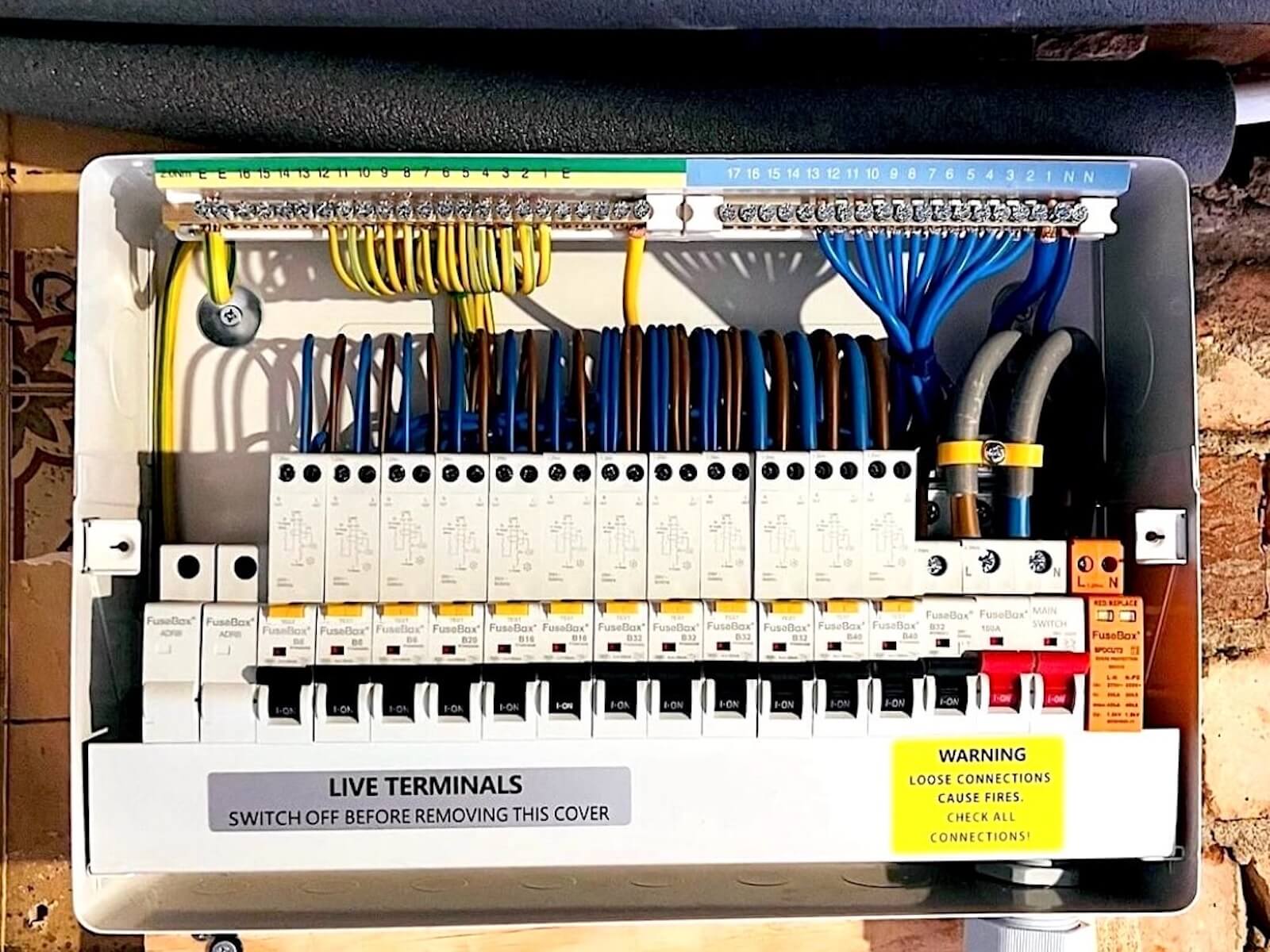
A Residual Current Device (RCD) is a life-saving component that disconnects power in milliseconds if it detects a leakage to earth. Many older homes in the Ringwood and Ferndown areas still operate with antiquated "fuse wire" boxes that provide no RCD protection. While these fuses protect against overcurrent, they do not protect against fatal electric shocks. Upgrading to a modern consumer unit with individual RCBOs (Residual Current Breaker with Overcurrent protection) ensures that a fault on one circuit does not disconnect power to the entire house. This is a core service we provide to improve local housing safety standards.
Plugging one extension lead into another, known as "daisy-chaining," is a common evening occurrence as families charge multiple mobile devices. This practice increases the total electrical resistance and creates multiple points of potential failure. Extension leads are temporary solutions and are not designed for permanent use or high-load appliances. The cumulative load can easily exceed the rating of the first lead in the chain, leading to overheating, often hidden behind sofas or curtains where ventilation is poor. We recommend the installation of additional permanent wall sockets to accommodate modern power needs safely.
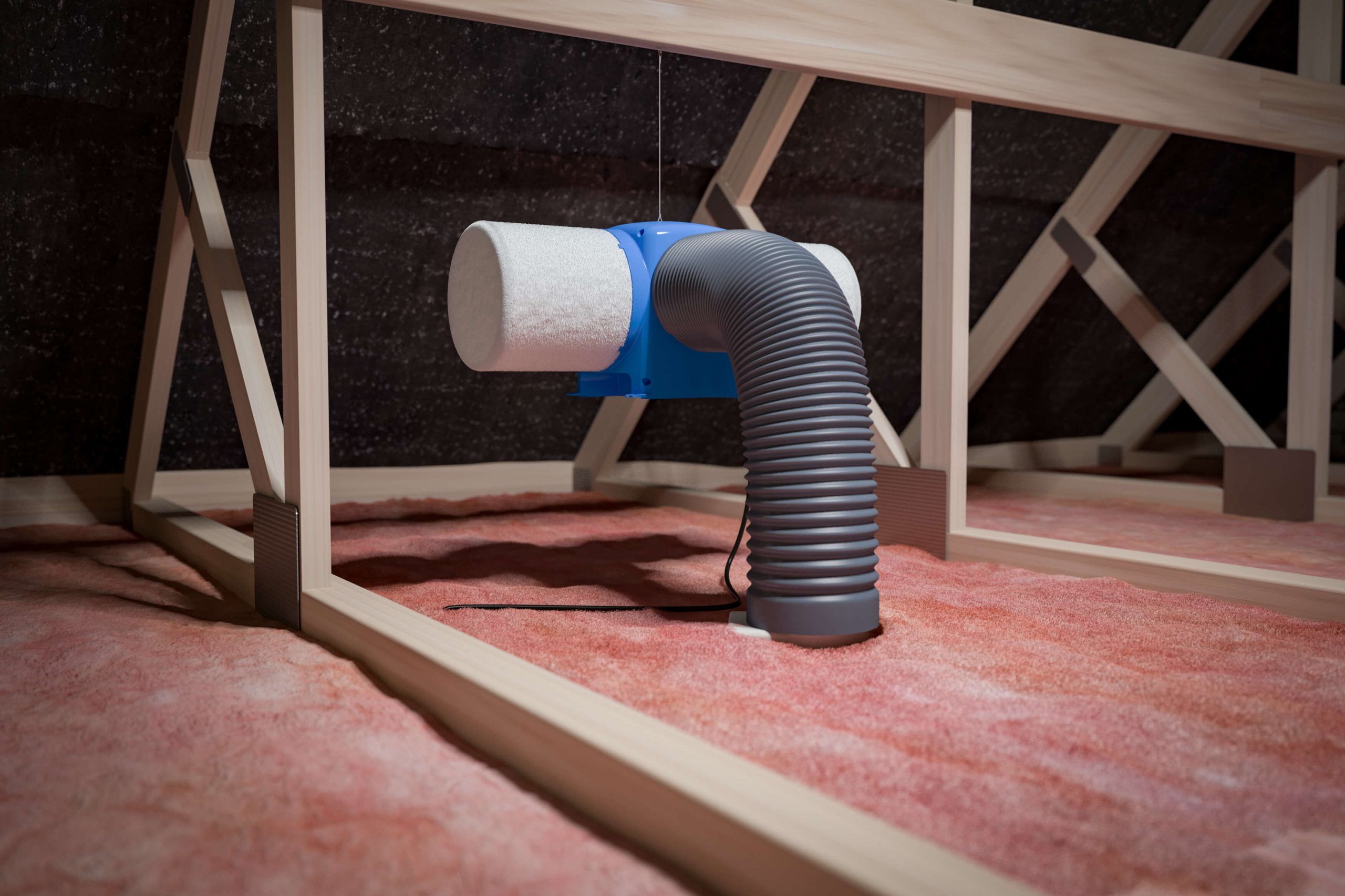
Addressing moisture is also an electrical safety concern. High humidity levels in Dorset coastal properties can lead to condensation inside electrical fittings, causing corrosion and tripping breakers. Positive Input Ventilation (PIV) systems are an effective solution for reducing damp and mould. There are several PIV myths suggesting these units are expensive to run or noisy. In reality, modern units consume minimal electricity and operate silently in the loft. By maintaining a slight positive pressure, they force out moisture-laden air, protecting both the building fabric and the electrical infrastructure from damp-related degradation.
Our expertise extends beyond residential safety. We provide commercial electrical services for businesses in Poole and Bournemouth. Commercial installations require more frequent testing, known as Electrical Installation Condition Reports (EICR), to comply with the Health and Safety at Work Act. These inspections ensure that emergency lighting, fire alarms, and three-phase power systems are functioning correctly. Regular maintenance prevents costly downtime caused by electrical failures in retail or industrial environments.
Dorset Electrical Solutions operates with full accreditation and adheres to Part P of the Building Regulations. Our team has extensive experience managing the specific electrical challenges found in Dorset's diverse property types, from new builds in Ferndown to period properties in Ringwood. We focus on providing factual assessments and technical solutions that prioritise long-term safety over temporary fixes.
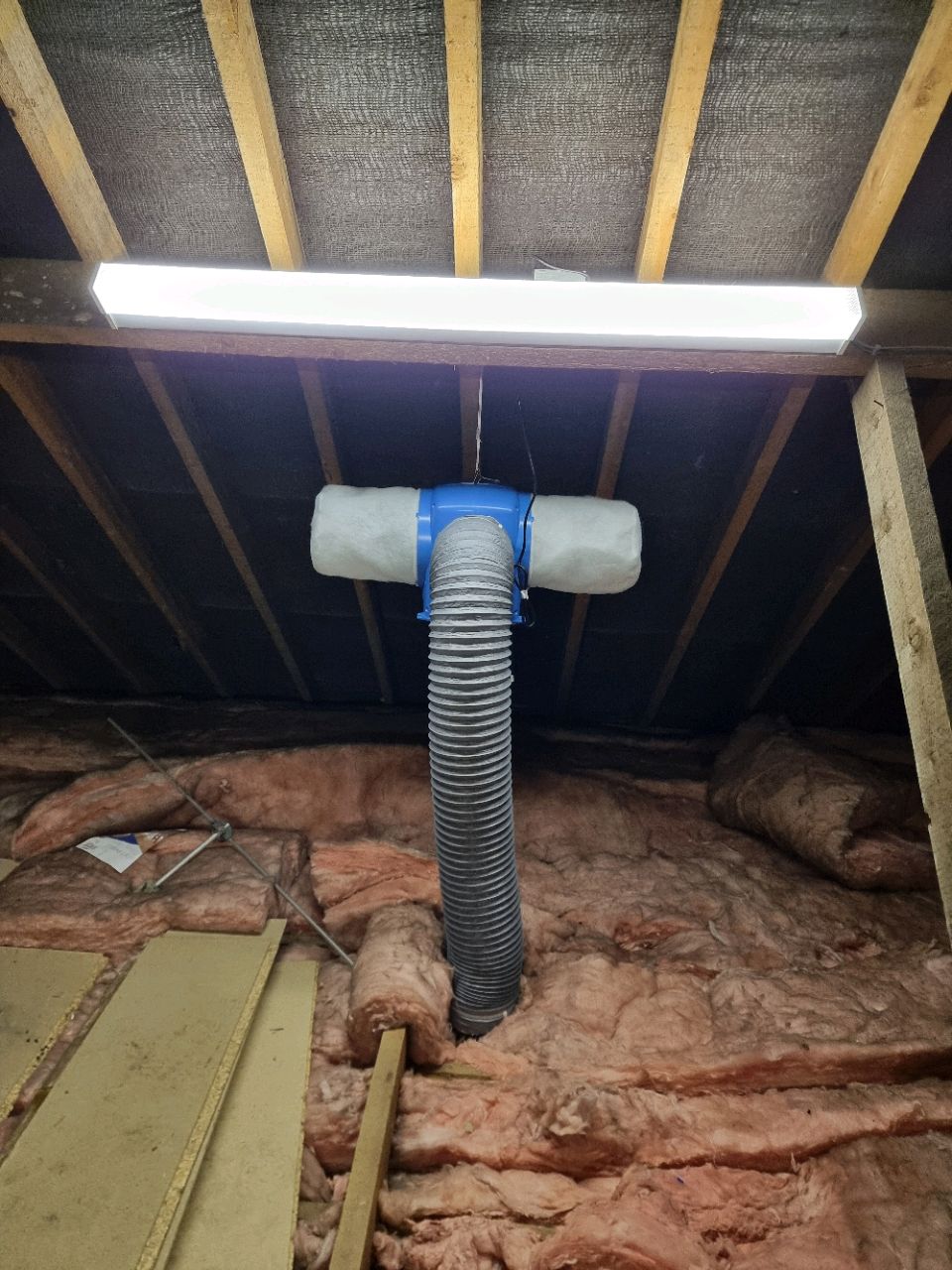
We are currently completing several consumer unit upgrades and PIV installations across the region. Photos of these completed projects will be added to our digital portfolio soon. Technical documentation and safety certificates are provided for all regulated works.
Visit our website for more information: https://www.dorsetelectricalsolutions.com
Thanks.