
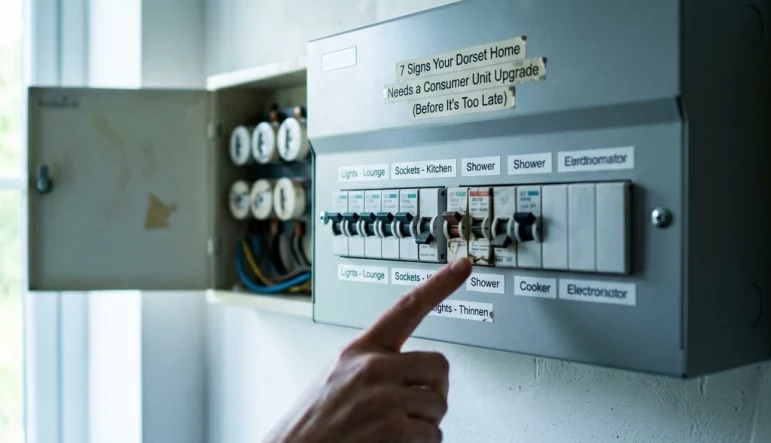
Your consumer unit: often referred to as the fuse box: is the undisputed heart of your home’s electrical system. It is responsible for distributing electricity to every light switch, socket, and appliance across your property. For homeowners in Dorset, Bournemouth, and Poole, many of our local properties boast incredible history and character, but that often means the electrical systems hidden behind the walls are decades out of date.
At Dorset Electrical Solutions, we see a wide range of installations, from brand-new smart homes in Canford Cliffs to older Victorian terraces in Boscombe. Understanding when your consumer unit has reached the end of its life isn't just about convenience; it’s about preventing electrical fires and ensuring your family is protected from lethal shocks.
If you aren’t sure whether your system is up to the task of modern living, here are the seven clear signs that your Dorset home is due for a consumer unit upgrade.
If you open your cupboard and see a fuse box with a wooden back or those old-fashioned ceramic "rewireable" fuses, your system is likely 40 to 60 years old. These units were designed in an era when the most demanding appliance in a house was a toaster or a valve radio. Today, we have air fryers, powerful PCs, and electric showers all running simultaneously.
Old-style fuse wire doesn’t "trip" in the way modern circuit breakers do. When a fault occurs, the wire literally melts. If the wrong gauge of wire was used during a DIY repair, the wire might not melt at all, leading to the cables in your walls overheating and potentially starting a fire. If your board looks like an antique, it’s time to call electricians in Dorset for a modern replacement.
A Residual Current Device (RCD) is a life-saving component that disconnects the power in a fraction of a second if it detects a leak of current (which could be someone getting an electric shock). Current UK wiring regulations (BS 7671) mandate RCD protection for almost all circuits in a domestic dwelling.
Many older boards in Poole or Ferndown lack RCDs entirely. If your fuse box only has a series of switches without a dedicated "Test" button, you likely don't have RCD protection. Upgrading to a modern unit with Dual RCDs or individual RCBOs ensures that if a fault occurs in the kitchen, you aren’t plunged into total darkness in the hallway, all while keeping you safe from electrocution.
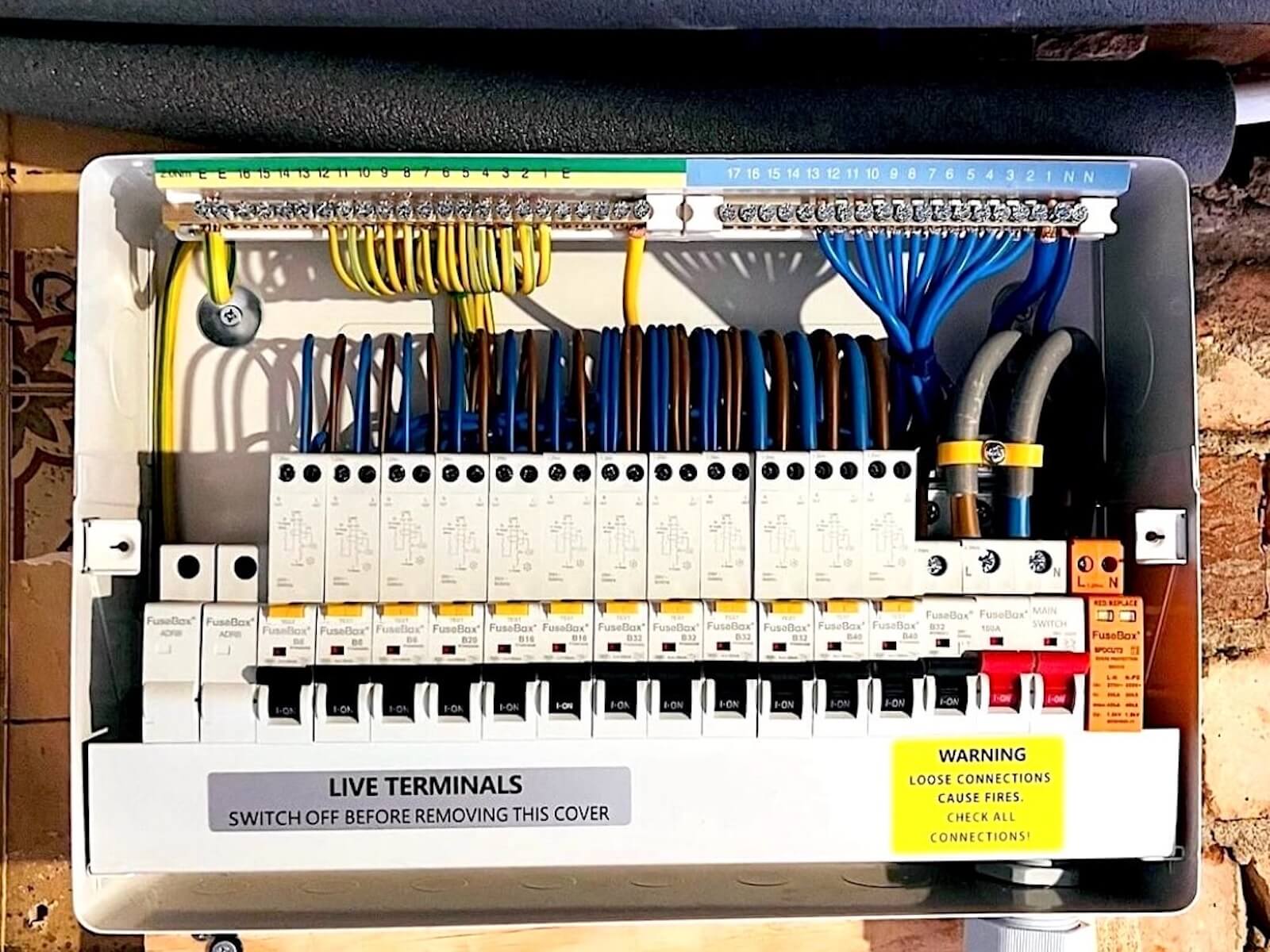
Do you find yourself heading to the garage or the under-stairs cupboard once a week to flick a switch back on? While a circuit breaker doing its job is a good thing, frequent tripping is a sign that your circuits are overloaded or that the components inside the consumer unit are failing.
Similarly, if your lights flicker when the washing machine starts its spin cycle or when the kettle boils, it indicates that your current board is struggling to manage the load. This is a common issue in older properties in Lilliput where the original electrical demand was much lower than it is today.
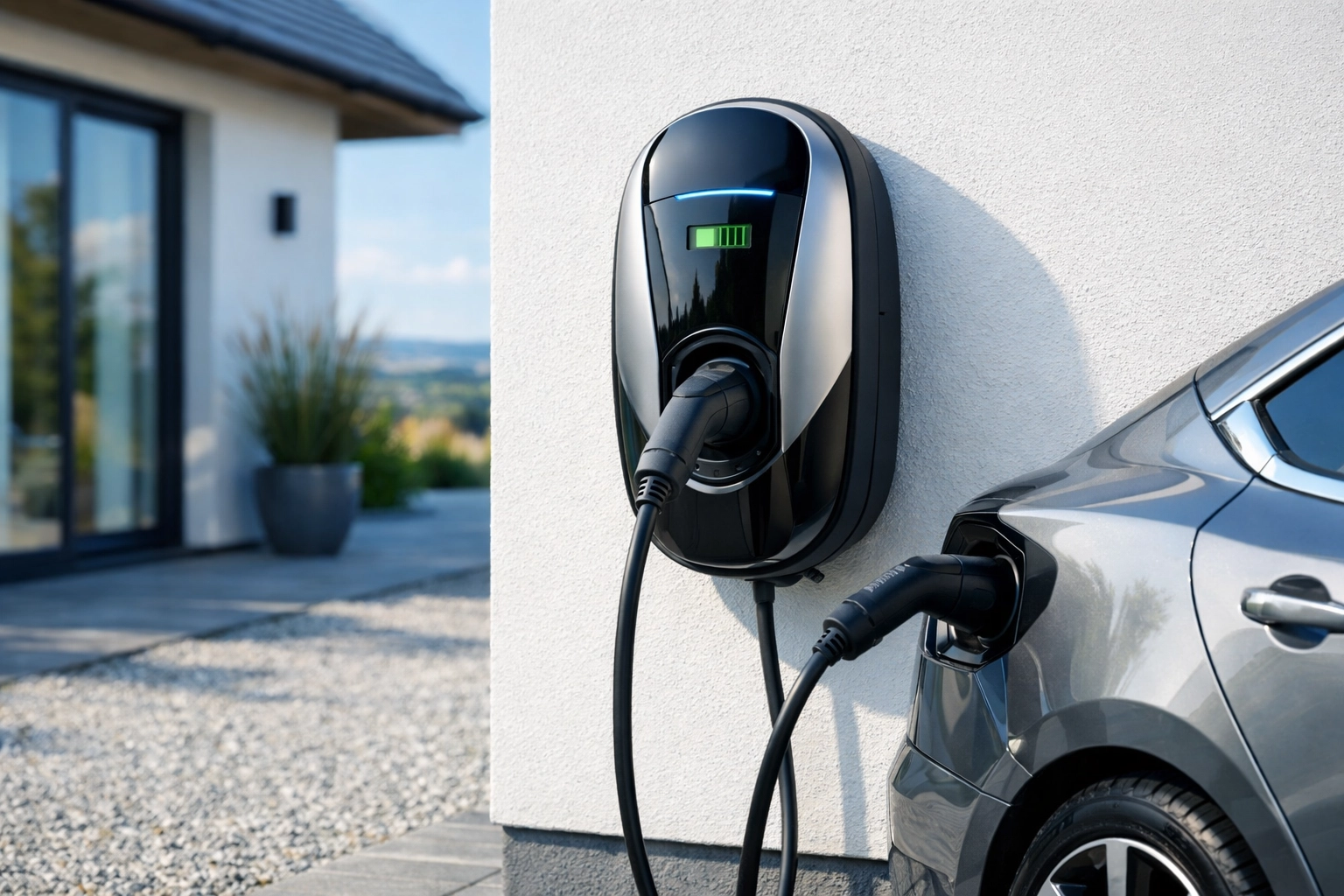
The push for green energy in Dorset is huge. If you are looking to install an EV charging point in your driveway in Branksome Park, or you’re considering solar panels, your old consumer unit will almost certainly need an upgrade.
Modern high-load devices require specific types of protection, such as Type A or Type B RCDs, which can handle the DC (Direct Current) feedback that EV chargers can sometimes produce. An outdated board simply won't be compliant, and most reputable installers will refuse to connect high-powered equipment to an obsolete fuse box.
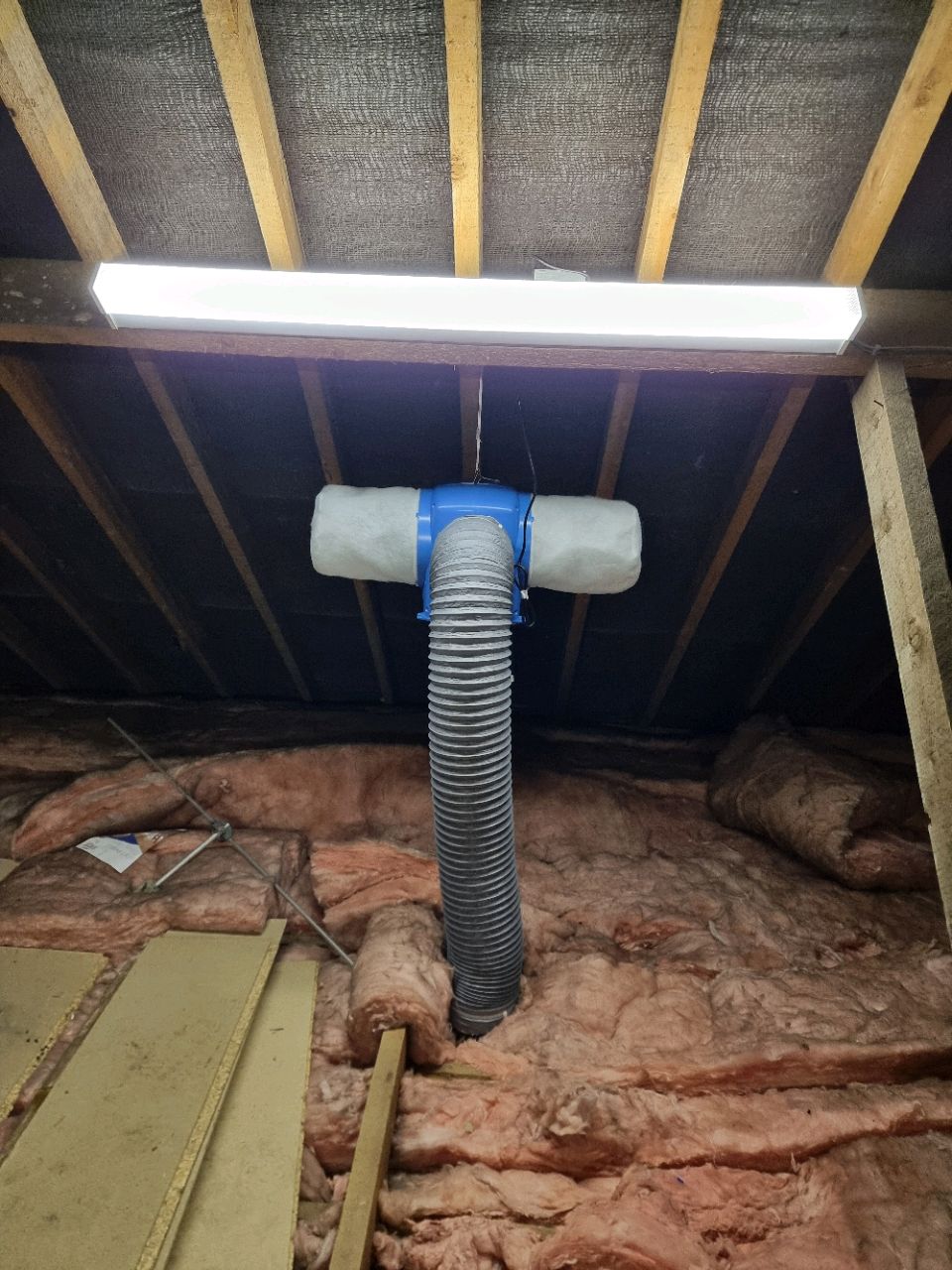
While it might seem unrelated to your fuse box, electrical safety and home ventilation go hand-in-hand. Many Dorset residents are turning to Positive Input Ventilation (PIV) to combat the coastal dampness and mould issues prevalent in our area. There are many PIV myths suggesting they are difficult to install or expensive to run, but when fitted by professionals, they are highly efficient.
However, adding a PIV system: or any permanent electrical fixture: requires a spare "way" on your consumer unit and proper RCD protection. If your board is already full or looks like a "nest" of wires, you’ll need an upgrade to safely integrate these health-improving systems.
This is the most urgent sign on this list. If you smell a faint "fishy" or plastic burning odour near your fuse box, or if you hear a faint sizzling or crackling sound (known as arcing), you are in immediate danger of an electrical fire.
Visible discolouration or scorch marks on the plastic casing are also red flags. This usually means a connection has come loose over time, causing heat to build up. In these cases, you shouldn't just "keep an eye on it." You should turn off the power and contact a professional for electrical safety in Poole or your local area immediately.
If you are a landlord in Bournemouth or looking to put your house on the market in Ringwood, you need to be aware of the Electrical Installation Condition Report (EICR). For landlords, a "Satisfactory" EICR is a legal requirement every five years.
An old consumer unit with no RCD protection or a plastic enclosure (where metal is now required for fire safety in certain areas) will often result in an "Unsatisfactory" rating. Upgrading your consumer unit is the fastest way to bring your home up to modern standards, ensuring you are legally compliant and making your property more attractive to safety-conscious buyers.
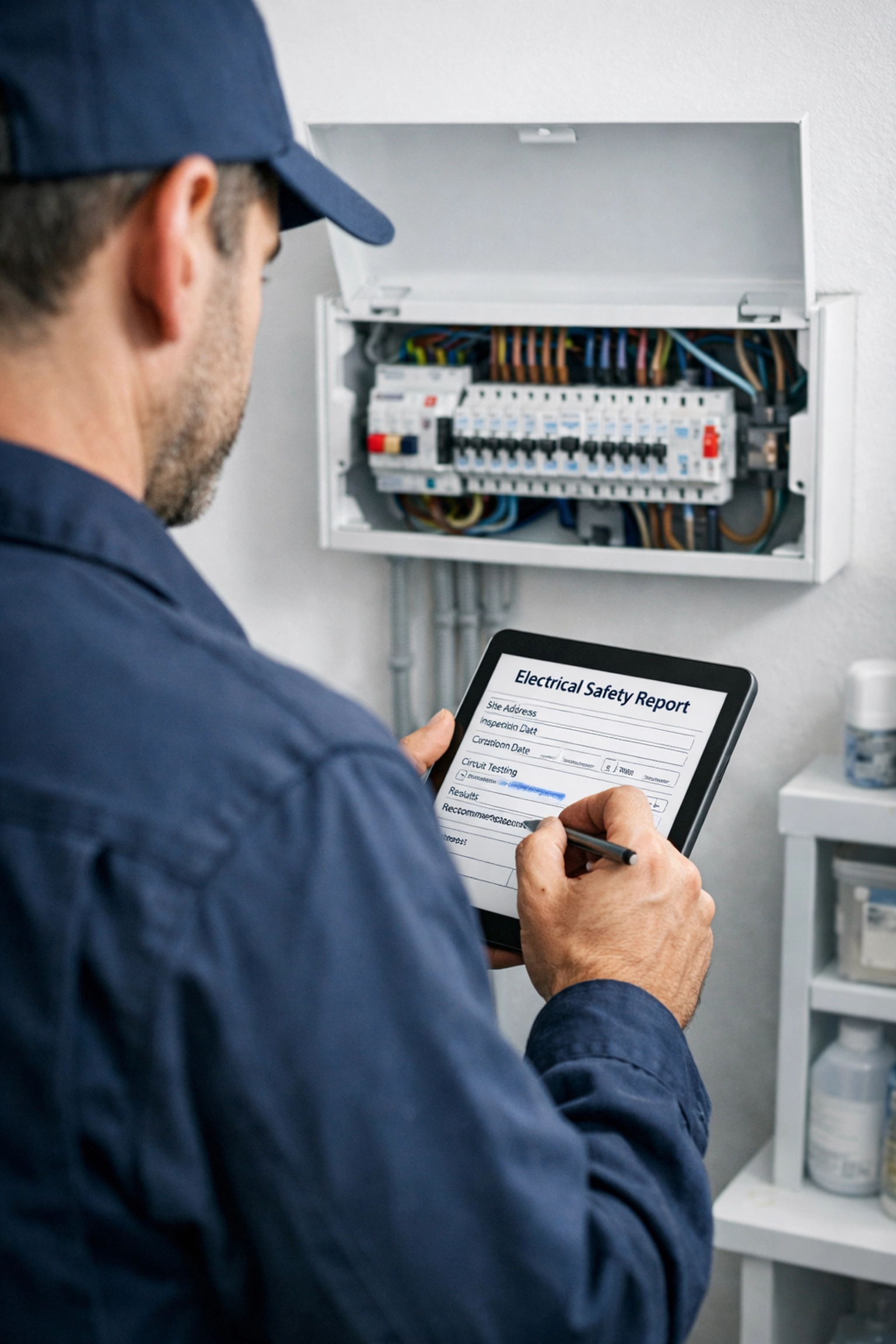
Upgrading a consumer unit is not a DIY job. It requires a deep understanding of circuit loading, earthing arrangements, and strict adherence to the latest wiring regulations. Our team at Dorset Electrical Solutions provides reliable, straightforward service across the county. We don't believe in "blinding you with science": we just give you the facts and the most cost-effective way to keep your home safe.
We cover all areas including:
Your home is your biggest investment, and your family's safety is your top priority. While it's easy to ignore the fuse box hidden in the cupboard, it is the one thing standing between a minor appliance fault and a major house fire.
If your home shows any of the signs mentioned above: especially if it still uses ceramic fuses or lacks a test button: it is time to consider an upgrade. Modern consumer units are safer, more reliable, and ready to handle the electrical demands of 2026 and beyond.
Stay safe, Dorset. If you're worried about your wiring, we’re here to help.
Thanks for reading.