

Maintaining electrical safety in residential properties across Poole and the wider Dorset area requires a systematic approach to inspection and maintenance. Homeowners in areas such as Canford Cliffs, Branksome Park, and Creekmoor often occupy a mix of period properties and modern builds, each presenting unique challenges for electrical infrastructure. This guide provides a factual framework for identifying potential hazards and ensuring compliance with current UK wiring regulations. Our team frequently encounters outdated installations in these postcodes that no longer meet the safety standards required for modern appliance loads.
The primary line of defence in any home is the consumer unit. For many properties in Poole, the existing fuse box may be obsolete. A modern consumer unit upgrade is often necessary to provide Residual Current Device (RCD) protection, which is designed to disconnect the electricity supply instantly if a fault is detected. This prevents electric shocks and reduces the risk of electrical fires. Our electricians in Dorset prioritise these upgrades to ensure that homes in Bournemouth and Ferndown are protected against common faults.
The consumer unit, often referred to as the fuse board, should be the first point of any safety check. Homeowners should verify that the unit is free from visible damage, such as cracks in the casing or signs of overheating like discolouration. It is essential to ensure that all circuits are clearly and accurately labelled. This allows for the rapid isolation of specific areas of the home during maintenance or emergencies.
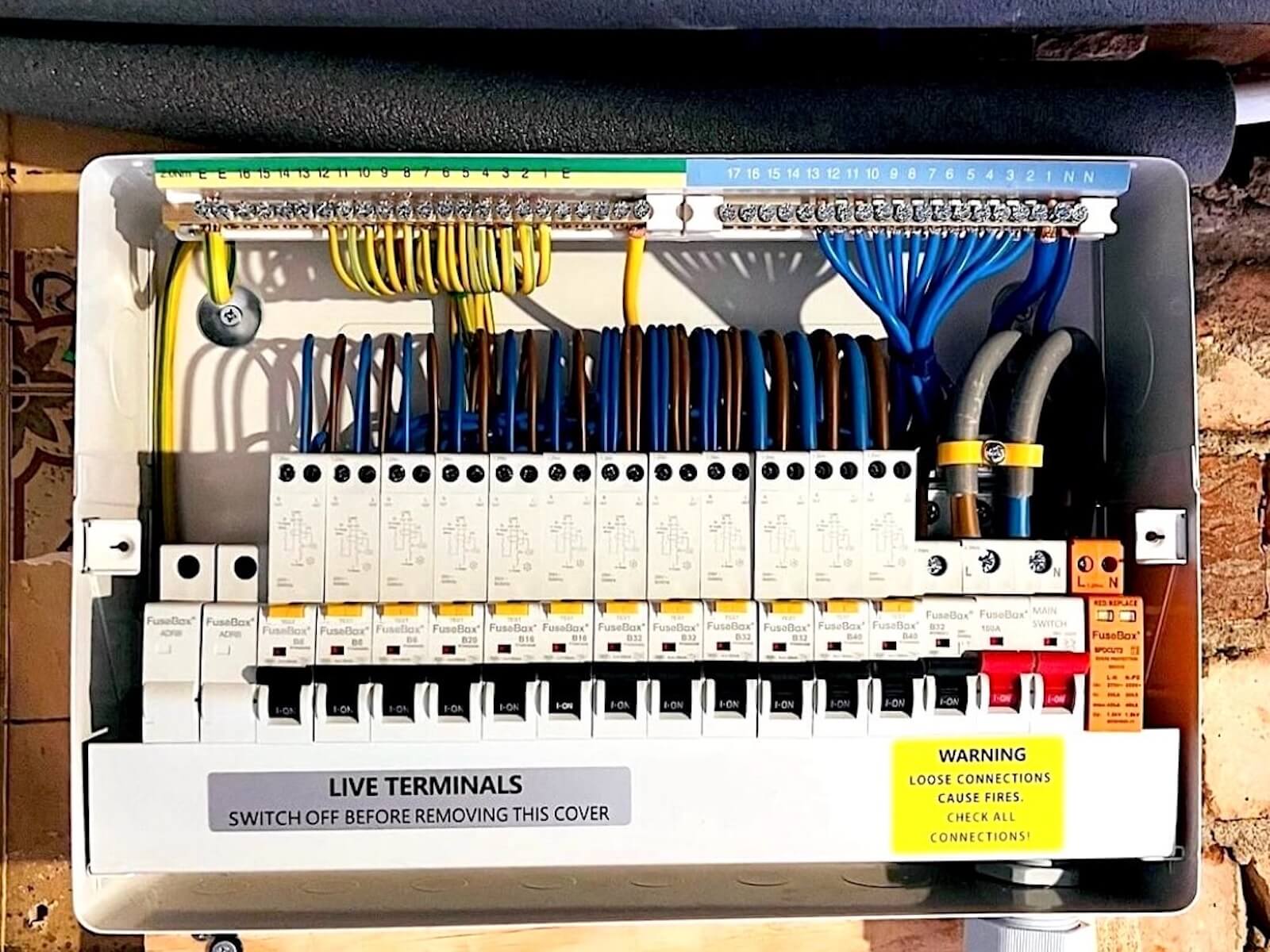
We are currently upgrading units in Canford Cliffs and Branksome Park to incorporate Surge Protection Devices (SPDs). These devices protect sensitive electronic equipment from voltage spikes, which are increasingly common. Additionally, Arc Fault Detection Devices (AFDDs) are being installed to identify dangerous electrical arcs that standard circuit breakers might miss. These upgrades are particularly relevant for high-value residential properties where electrical loads are substantial.
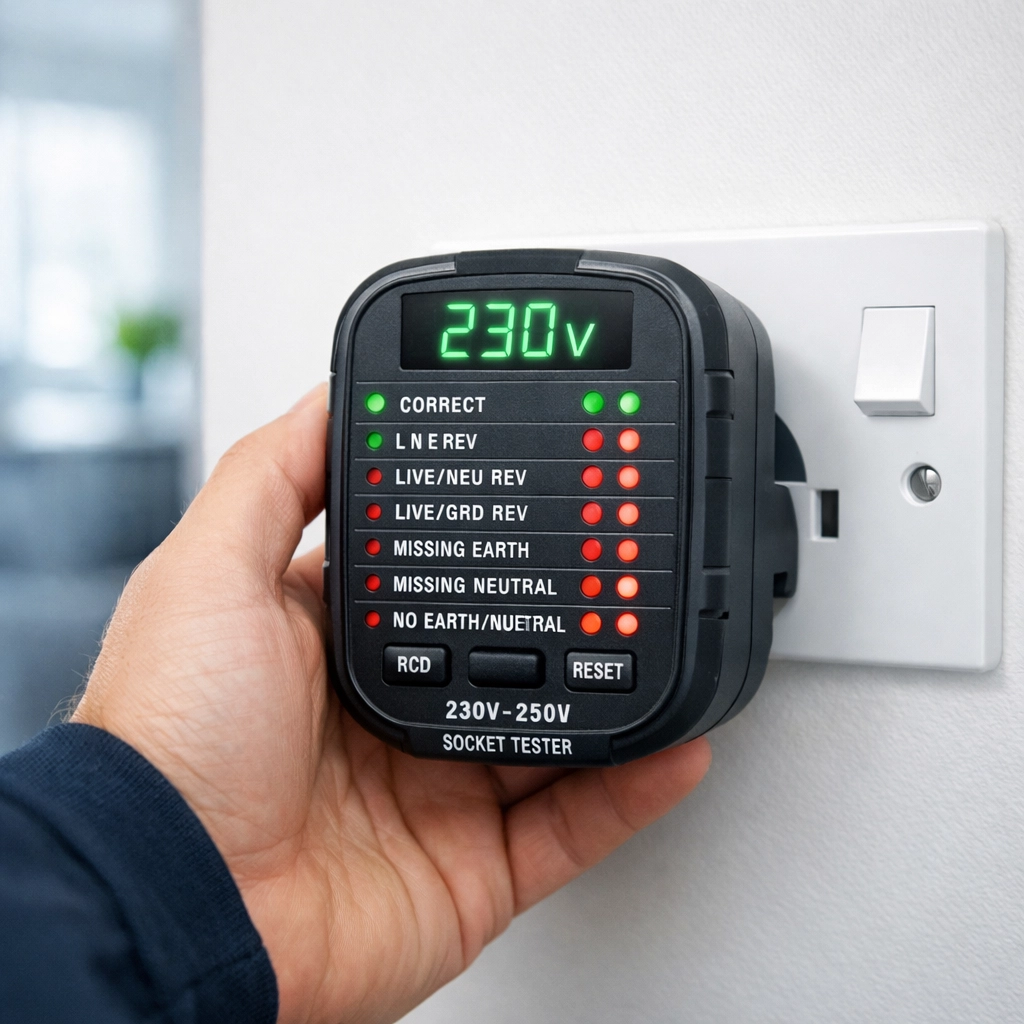
A physical inspection of outlets and switches is a mandatory part of home maintenance. Over time, the internal components of sockets can degrade, leading to loose connections and potential arcing.
In areas like Creekmoor and Canford Heath, we often see older "two-prong" style outlets or installations lacking proper earthing. Ensuring that all circuits are correctly earthed is fundamental to the safety of the installation. If the property has not had an Electrical Installation Condition Report (EICR) in the last ten years (or five years for rental properties), a professional assessment is recommended.
Electrical safety is inextricably linked to the environment of the home. High humidity and condensation can lead to moisture ingress in electrical fittings, causing short circuits. Positive Input Ventilation (PIV) is a technical solution our team implements to manage indoor air quality and moisture levels in Dorset homes.
There are several PIV myths that often circulate among homeowners. Some believe these systems are expensive to run or create cold drafts. In reality, a PIV unit consumes minimal electricity: often less than a standard LED bulb: and works by introducing filtered, tempered air into the property. This creates a slight positive pressure that pushes out stale, moisture-laden air, preventing the growth of mould and damp that can damage electrical systems.
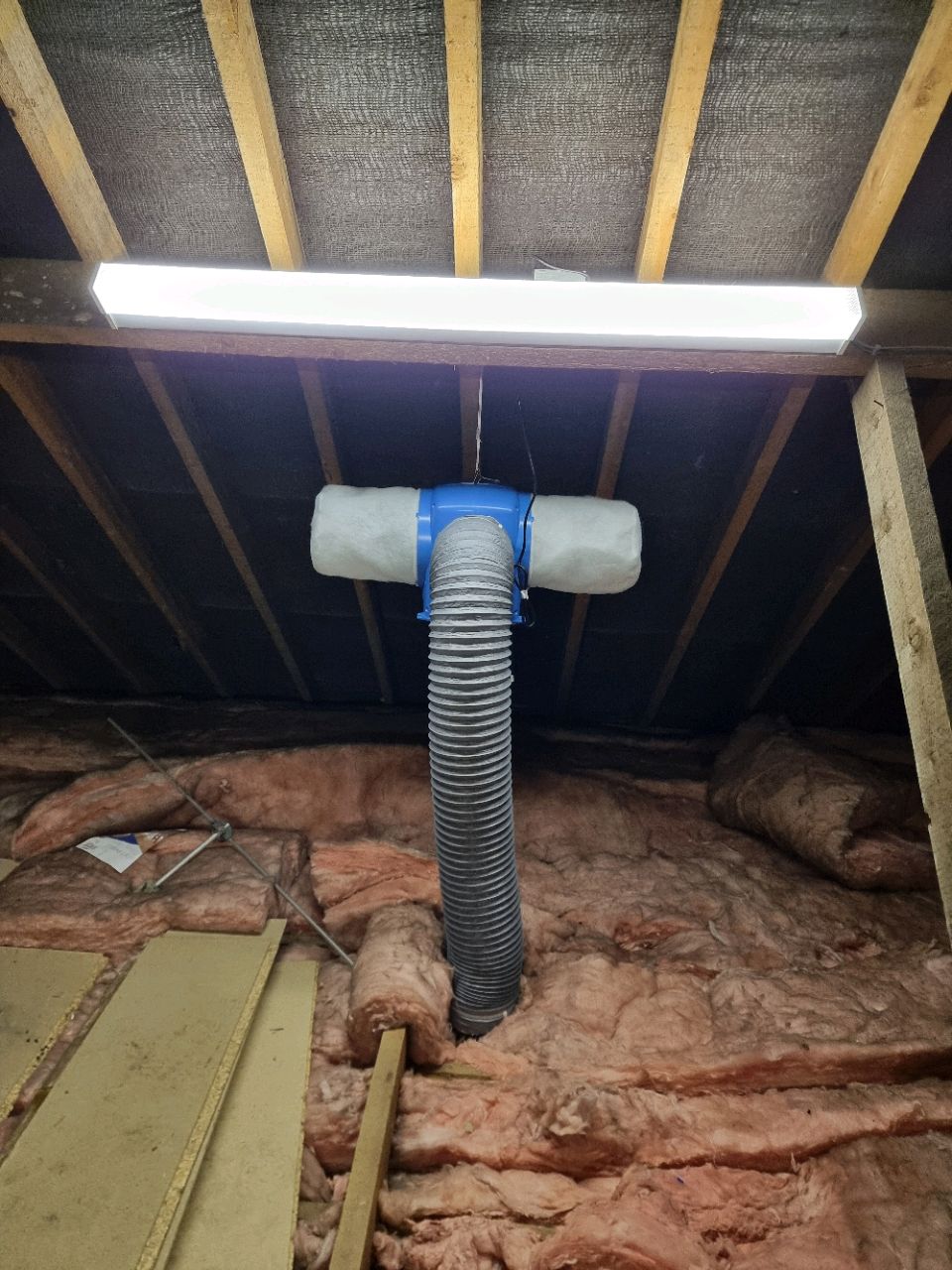
Properties in coastal areas like Poole are particularly susceptible to damp. Installing a PIV system in the loft space helps maintain a dry environment, protecting the structural integrity of the building and the longevity of the electrical installation. We are seeing increased demand for these systems in Bearwood and Ensbury Park to combat condensation issues in older housing stock.
The misuse of extension leads and adapters is a leading cause of domestic electrical fires. The "daisy-chaining" of power strips: plugging one into another: exceeds the rated capacity of the initial outlet and can lead to catastrophic failure.
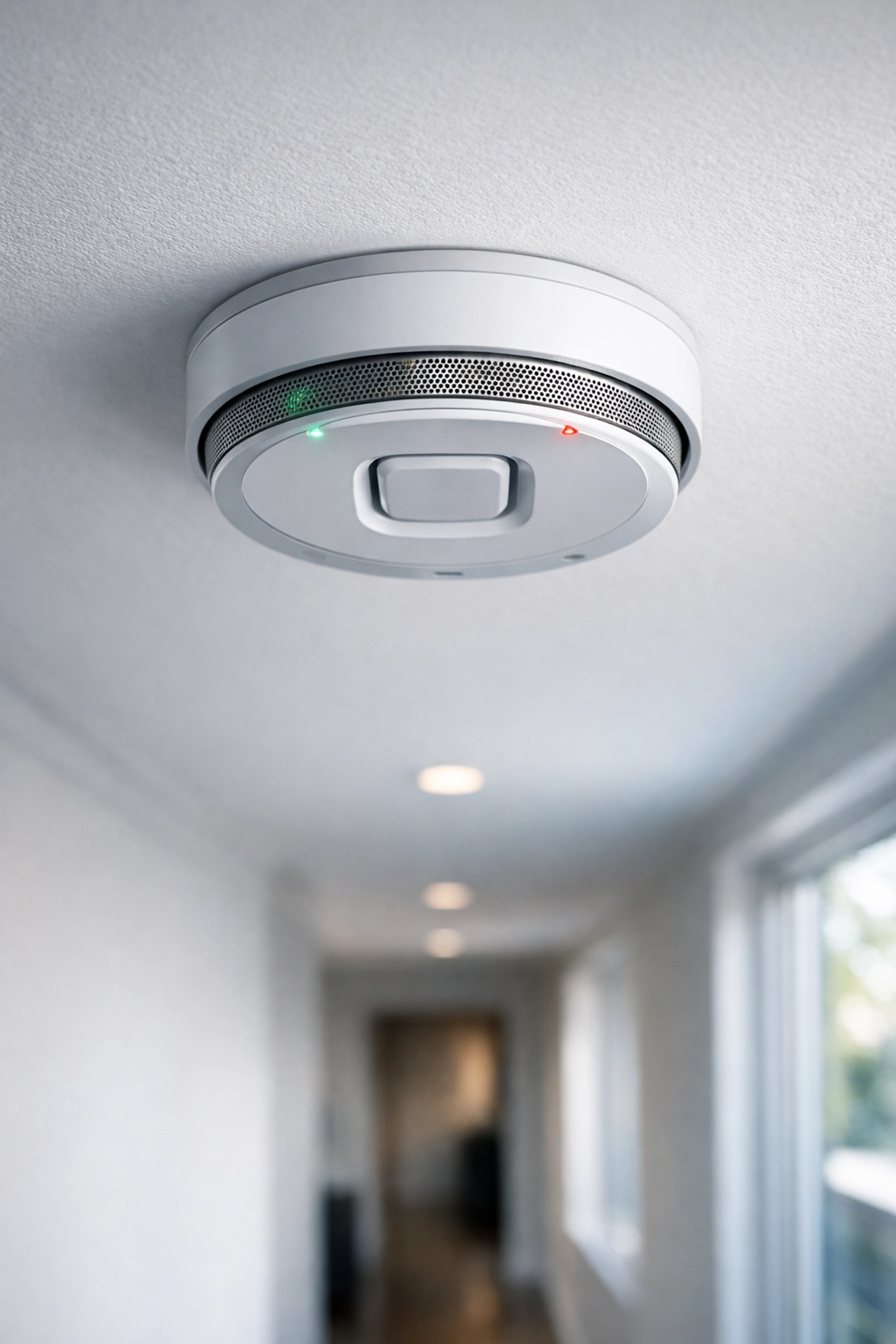
The installation of smoke and carbon monoxide detectors is a critical component of a safe electrical environment. These devices should be hard-wired into the mains with a battery backup to ensure functionality during power outages.
Our team ensures that all installations comply with BS 7671:2018+A2:2022. This involves rigorous testing of the loop impedance and RCD trip times to ensure that safety devices operate within the required parameters. For homeowners in Boscombe and Charminster, maintaining these standards is not just a matter of safety, but also a requirement for many home insurance policies.
Electrical safety poole considerations extend beyond the interior of the home. External lighting, garage wiring, and electric vehicle (EV) charging points require specific safety protocols. External sockets must be IP-rated to prevent water ingress, and any cabling buried underground must be Steel Wire Armoured (SWA) and buried at a sufficient depth to avoid accidental damage.
Commercial electrical services in the Dorset area often involve more complex three-phase systems and emergency lighting requirements. Whether residential or commercial, the principles of regular inspection and adherence to regulation remain the same. Our electricians in Dorset provide the technical expertise required to manage these systems safely.
Maintaining a safe home environment involves a combination of regular DIY checks and professional inspections. The coastal environment of Poole necessitates a proactive approach to electrical maintenance to prevent the corrosive effects of salt air on external fittings and the impact of moisture on internal wiring.
Thanks.