
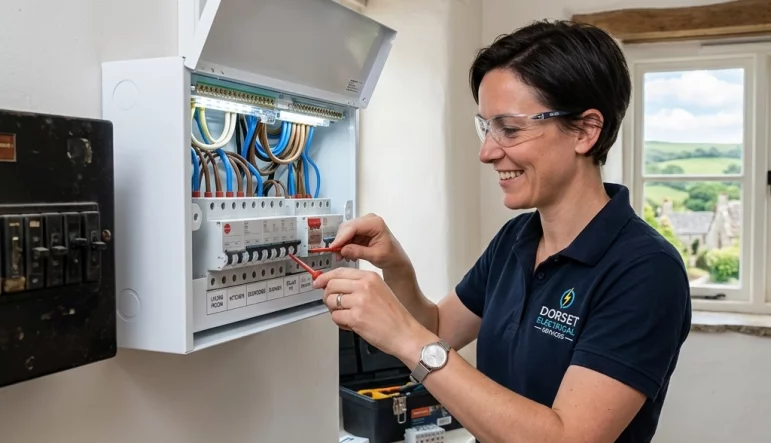
Dorset Electrical Solutions is currently performing residential upgrades across Dorset, Bournemouth, and Poole. The focus remains on replacing obsolete fuse boxes with modern consumer units. This transition is a technical necessity for maintaining compliance with BS 7671:2018 Amendment 2. Many properties in Ferndown and Ringwood still operate on outdated infrastructure. Our team is addressing these risks through systematic installation of 18th Edition compliant hardware.
The consumer unit serves as the primary distribution point for a property’s electrical supply. It functions as the central management system for every circuit. Older units, often referred to as fuse boards, lack the sophisticated sensing technology found in modern alternatives. Upgrading this component changes the fundamental safety profile of a building. It moves protection from a reactive state to a proactive state.
A significant shift in home safety thinking involves fire containment. Prior to Amendment 3 of the 17th Edition, plastic enclosures were standard. These units were identified as potential fuel sources in the event of a terminal failure or loose connection. Modern consumer units are manufactured from non-combustible metal. Our electricians in Dorset are removing plastic units and installing steel-cased alternatives daily.
Metal enclosures are designed to contain a fire within the unit itself. This prevents flames from spreading to the rest of the property. In the event of an internal fault, the casing maintains its structural integrity. This is a critical safety feature for residential properties in high-density areas like Bournemouth. The containment capability of these units is a primary reason for the regulatory shift toward non-combustible materials.
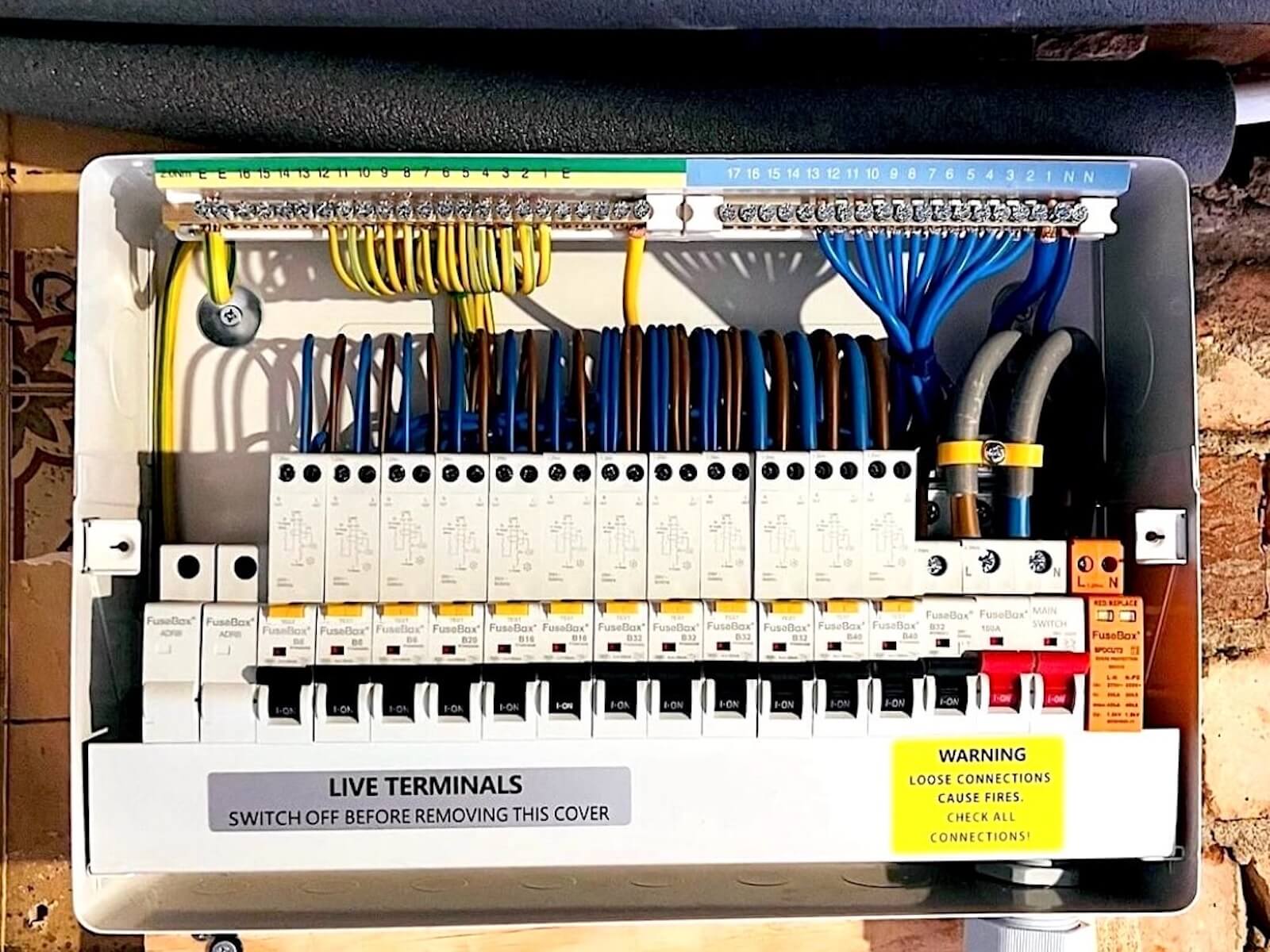
Older fuse boxes typically rely on wire fuses or basic circuit breakers. These provide overcurrent protection but do little to prevent lethal electric shocks. A modern consumer unit upgrade introduces Residual Current Devices (RCDs). These devices monitor the balance of electrical current. If an imbalance is detected, indicating current is leaking to earth through a person or a fault, the RCD disconnects the power in milliseconds.
Our team installs dual RCD or RCBO-configured boards to ensure maximum safety. This configuration prevents a single fault from plunging an entire property into darkness. In Poole, we frequently encounter installations that lack RCD protection entirely. Electrical safety Poole standards now dictate that nearly all domestic circuits must have RCD protection to mitigate the risk of electrocution.

Modern homes in Ringwood and Ferndown contain a higher density of sensitive electronics than ever before. Smart TVs, computers, and home automation systems are vulnerable to voltage spikes. These spikes can occur due to lightning strikes or switching events on the national grid. A standard consumer unit upgrade now includes a Surge Protection Device (SPD).
The SPD diverts excess voltage safely to the earth. Without this protection, internal components of expensive appliances can suffer irreparable damage. While older safety thinking focused purely on protecting people, modern safety thinking includes protecting the property’s electronic assets. This is an essential consideration for commercial electrical services where data servers and specialized equipment are at risk.
The most recent evolution in consumer unit technology is the Arc Fault Detection Device (AFDD). These devices identify dangerous electrical arcs that standard circuit breakers might miss. Arcs often occur in damaged cables or loose terminations. They generate significant heat and are a leading cause of electrical fires.
Current regulations recommend AFDDs for specific high-risk locations, such as bedrooms and properties with high-density occupancy. Our team is integrating AFDDs into upgrades across Dorset to provide the highest level of fire prevention currently available. This technology represents the transition from simple current monitoring to complex waveform analysis for hazard detection.
Maintaining a safe electrical environment requires periodic assessment. Our electricians in Dorset recommend the following checklist for homeowners and landlords:
Properties failing any of these points are candidates for a consumer unit upgrade. We are currently scheduling assessments across the region to identify these vulnerabilities before they result in equipment failure or injury.
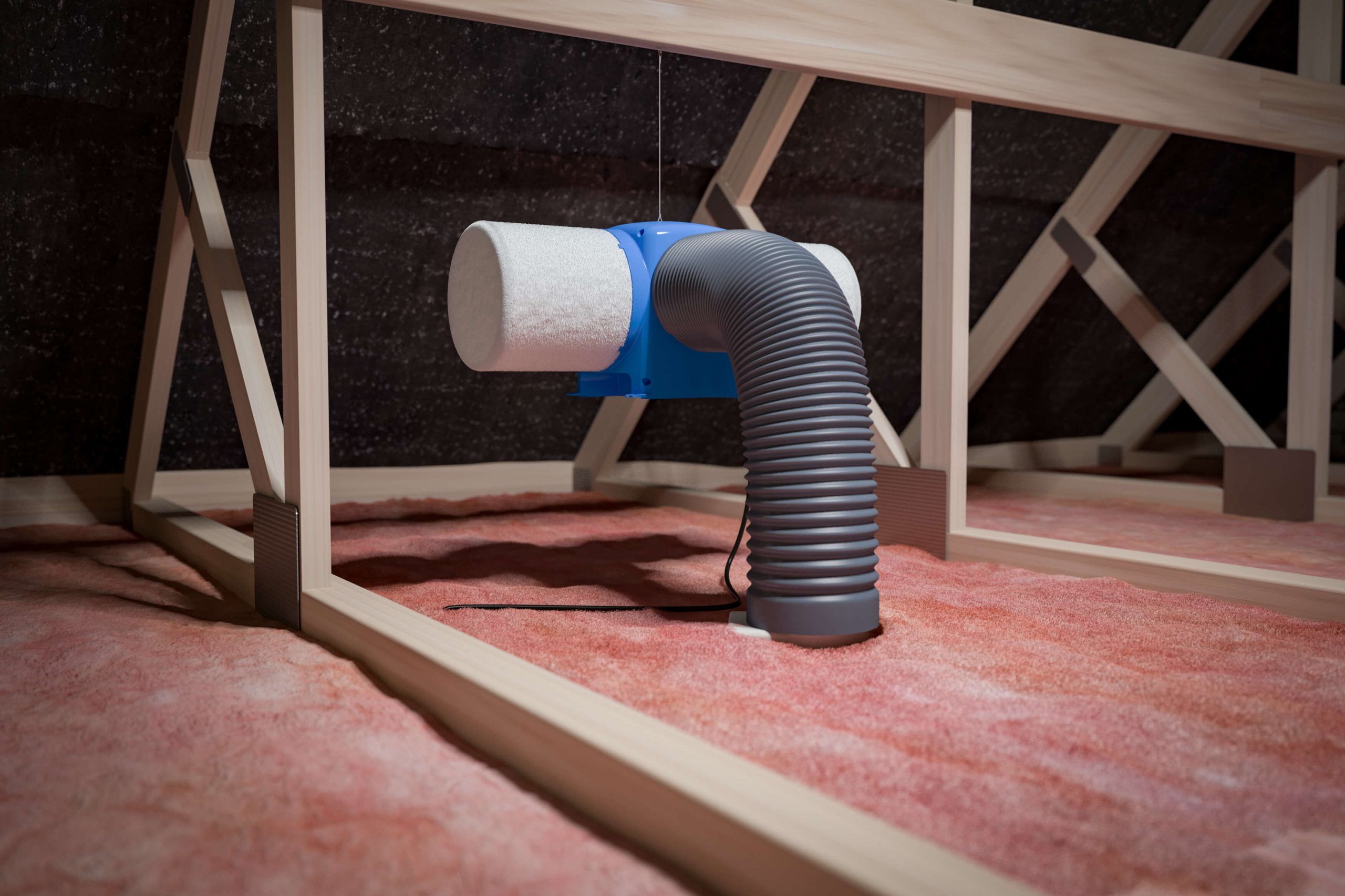
Home safety extends beyond the wiring. Electrical systems must interact with the property’s environment. Dorset Electrical Solutions frequently installs Positive Input Ventilation (PIV) units alongside electrical upgrades. These systems address air quality and moisture levels, which can impact electrical installations in damp environments.
There are several PIV myths regarding energy consumption and noise. Modern PIV units are highly efficient and operate at near-silent levels. They prevent the buildup of condensation and mould. This protects the building fabric and prevents moisture from infiltrating electrical accessories. Our installations in Poole and Bournemouth have shown significant improvements in indoor air quality.
The requirements for commercial electrical services in Dorset are more stringent than domestic standards. Business premises require robust distribution systems capable of handling higher loads and more frequent use. A consumer unit upgrade in a commercial setting often involves multi-phase boards and specialized protection for industrial machinery.
We provide comprehensive support for commercial clients in Ferndown and Ringwood. This includes the installation of sub-distribution boards and integrated safety systems. Compliance with the Electricity at Work Regulations 1989 is mandatory for all business owners. Upgrading the central distribution point is the most effective way to ensure the safety of employees and the continuity of operations.
The demand for electricity is changing. The move toward Electric Vehicle (EV) charging and domestic battery storage puts additional strain on existing infrastructure. An outdated fuse box is rarely equipped to handle the sustained high-current demands of an EV charger.
A consumer unit upgrade provides the necessary capacity and safety overhead for future technology. We are currently installing units with spare ways and dedicated surge protection to accommodate upcoming green energy transitions. This ensures that when a homeowner in Dorset decides to install solar panels or a charging station, the core electrical system is already prepared.

Every consumer unit upgrade performed by Dorset Electrical Solutions is followed by rigorous testing. This is not a simple swap of hardware. It involves testing every circuit in the property to ensure insulation resistance and earth continuity are within acceptable limits.
Following the installation, an Electrical Installation Certificate (EIC) is issued. This document is essential for property sales and insurance purposes. It confirms that the work has been carried out by competent persons in accordance with current safety standards. We are seeing an increase in insurance companies requesting proof of modern consumer unit installations before renewing policies in the Dorset area.
Our team remains active in the following areas:
We are removing old equipment and installing new, compliant systems daily. Photos of recent installations are available in our gallery-sitemap.xml. For more information on our service history, see the post-sitemap.xml.
The transition to a modern consumer unit is the single most impactful safety improvement a property owner can make. It addresses fire risk, electrocution risk, and equipment damage in one comprehensive upgrade. Our electricians in Dorset continue to prioritize these essential safety improvements to protect the local community.
Thanks.