
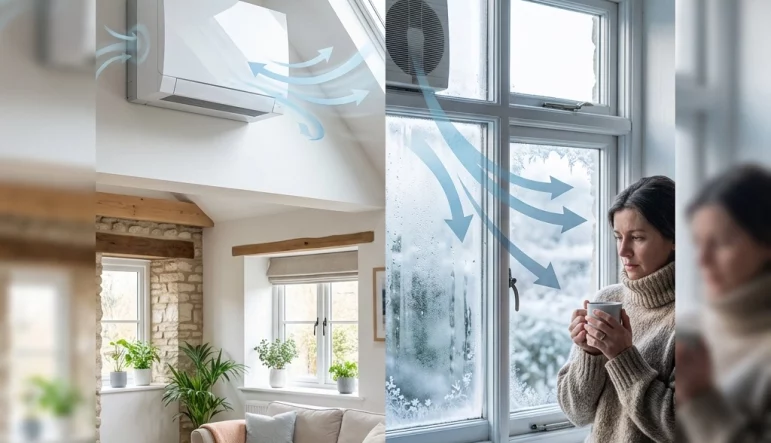
Positive Input Ventilation (PIV) systems are a common solution for damp and condensation issues in Dorset properties. These systems work by drawing fresh air from a loft space. The unit filters this air and pushes it into the living areas. This process creates a slight positive pressure. Moist air is forced out through natural leakage points in the building fabric. Many homeowners in Bournemouth and Poole express concerns about temperature drops. They worry that PIV systems introduce cold air during winter months.
The perception of PIV as a "cold air machine" is a common myth in the electrical industry. Our team regularly installs these units in Ferndown and Ringwood. We observe the actual impact on indoor temperatures. A correctly installed system does not significantly lower the ambient temperature of a home. The air from the loft is often warmer than the outside air due to solar gain and heat rising from the house. This air is tempered as it mixes with the warmer air near the ceiling.
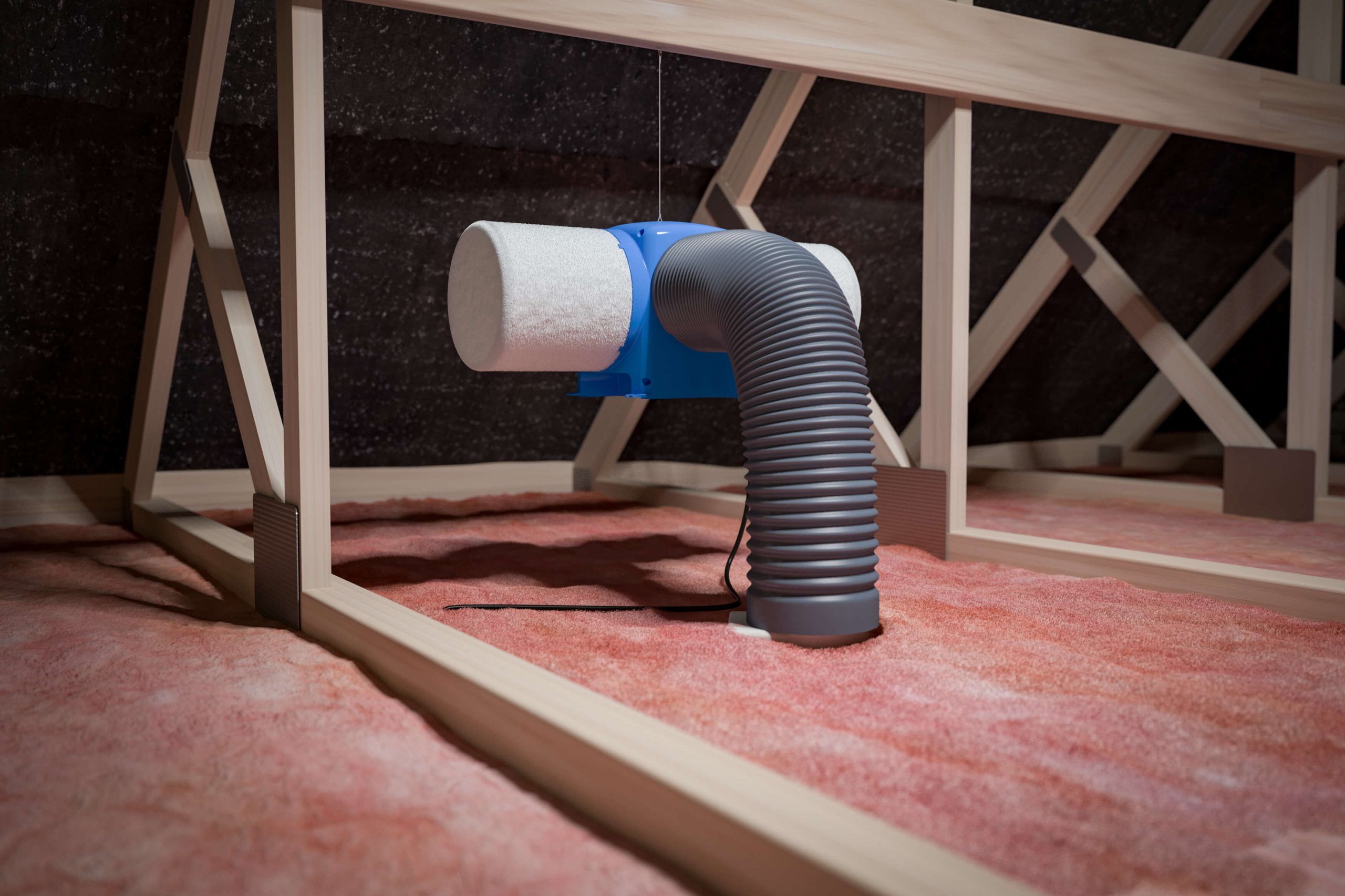
A standard PIV unit consists of a fan, a filter, and a diffuser. We install the main unit in the loft space. It is mounted on joists or suspended from rafters to minimize vibration. The fan pulls air through a high-grade G4 or F7 filter. This removes pollen, dust, and particulate matter. The filtered air travels through a short run of ducting to a ceiling diffuser. This diffuser is usually located in the central hallway or landing.
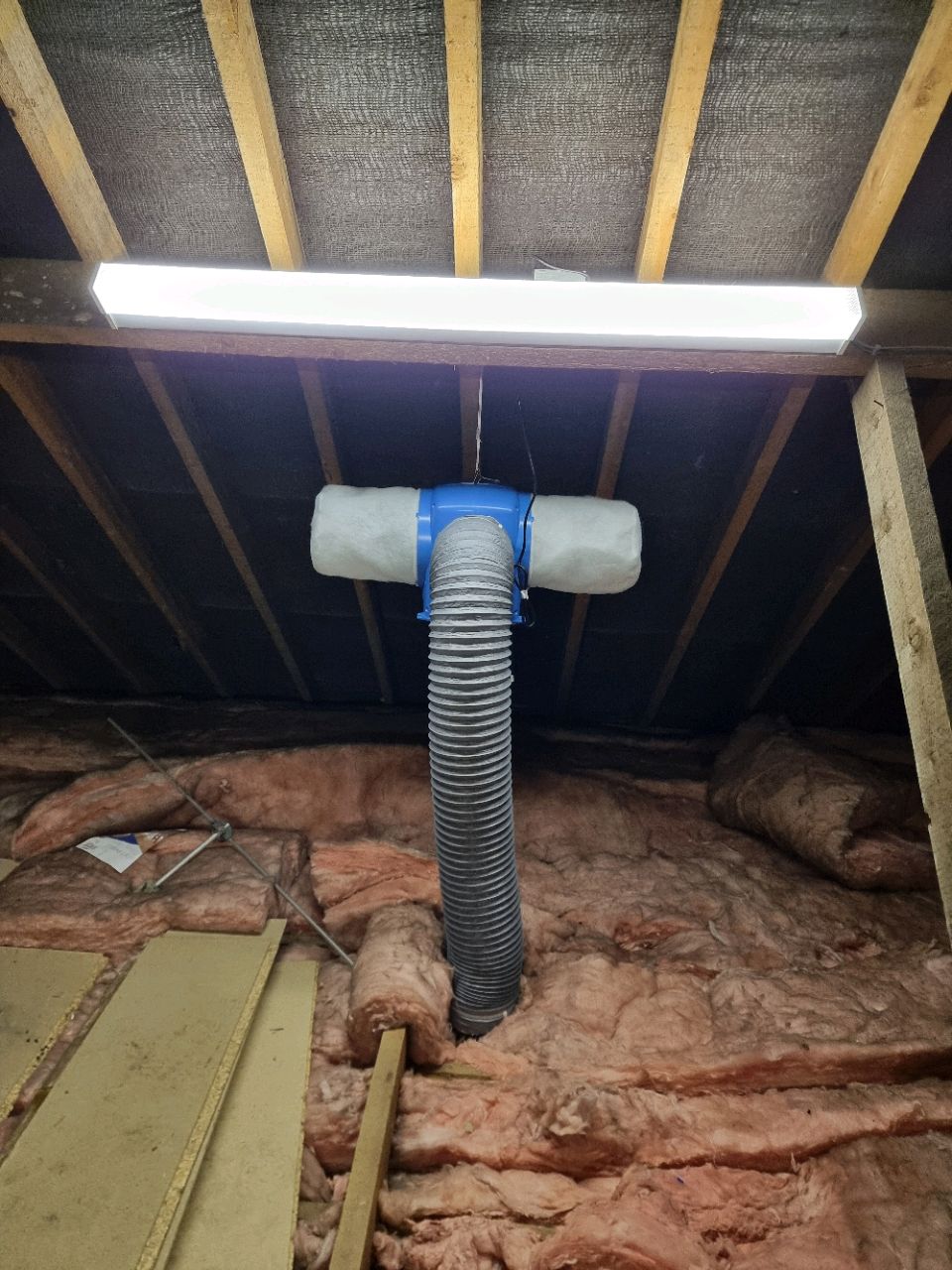
We ensure the diffuser is positioned correctly to allow for effective air distribution. The air enters the home at a very low velocity. This prevents the sensation of a direct draft. Modern units from manufacturers like Nuaire or Vent-Axia include intelligent sensors. These sensors monitor the loft temperature. The unit adjusts its flow rate based on these readings. If the loft air becomes too cold, the unit reduces its speed. If the loft air becomes too hot, the unit may enter a standby mode.
Homeowners often ask if PIV will increase their heating bills. There is a small energy cost associated with warming the incoming air. However, dry air is easier to heat than damp air. High humidity levels make a room feel colder than it actually is. By removing excess moisture, PIV systems can actually improve the efficiency of your central heating system. The energy required to run the fan itself is minimal. Most units consume between 1.5 and 15 watts of electricity.
In extreme weather conditions, some users report a slight cooling effect in the landing area. This is why we recommend units with integrated heaters. These 500W heaters temper the air before it enters the living space. They only activate when the loft temperature falls below a set threshold. This feature is particularly useful for properties in exposed areas of Ringwood or Christchurch. It ensures that the ventilation remains consistent without impacting comfort levels.
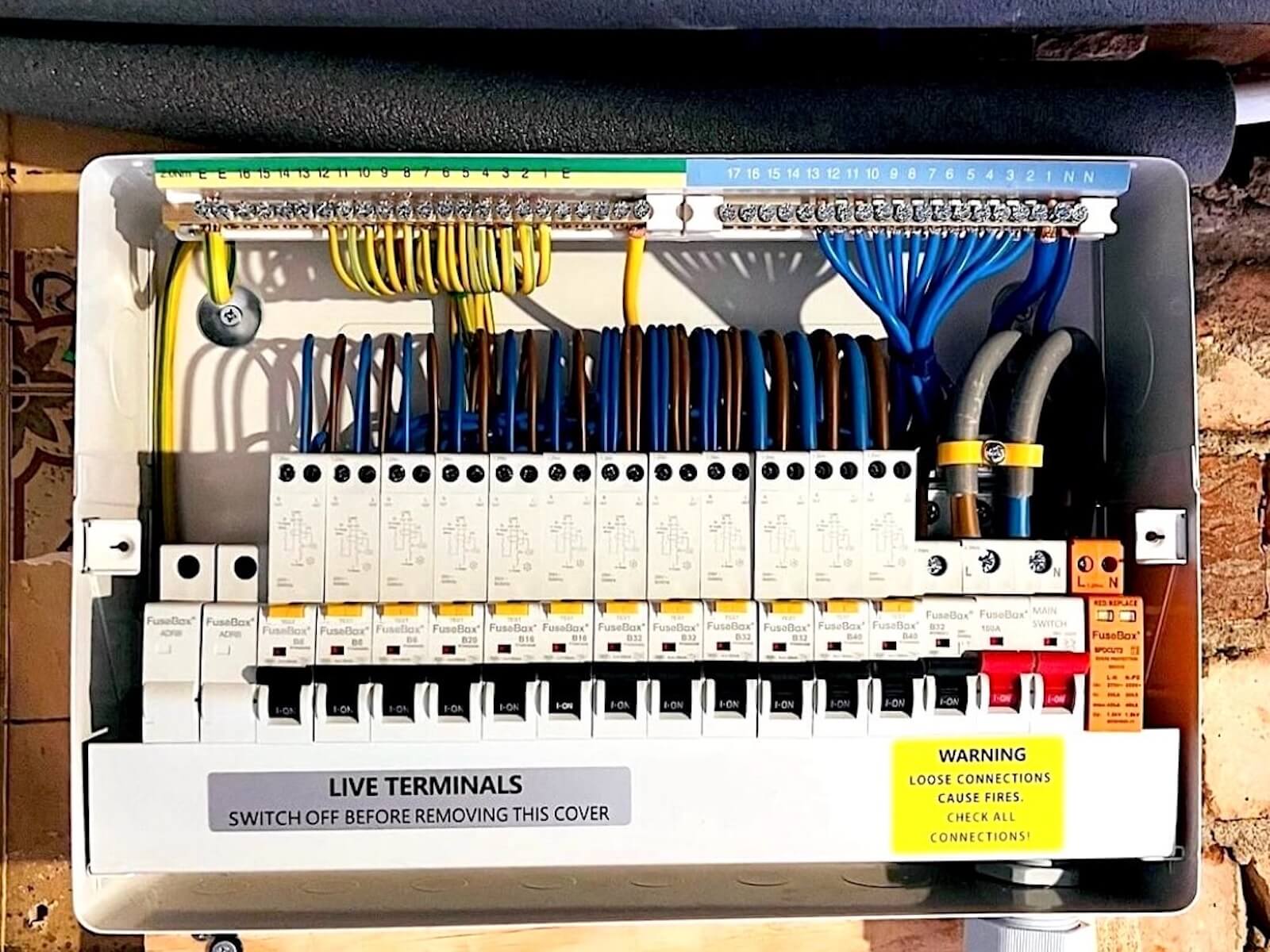
Installing a PIV system requires a permanent connection to the property's electrical circuit. Our electricians in Dorset perform these installations in accordance with BS 7671 wiring regulations. We typically take a feed from the lighting circuit or a dedicated fused spur. This ensures the system is protected and can be safely isolated for maintenance.

Electrical safety in Poole and the surrounding areas is our priority. We check the existing consumer unit before adding new loads. If your consumer unit is outdated, we may recommend an upgrade. A modern consumer unit with RCD protection is essential for modern home safety. We verify the earthing and bonding of the property during the installation process. Every installation is followed by testing and certification to confirm compliance.
Dorset has a high proportion of older properties. Many homes in Bournemouth and Poole suffer from lack of wall insulation or poor window ventilation. These conditions lead to "streaming windows" and black mold growth. Traditional extraction fans in bathrooms are often insufficient. They only remove air from a single room. A PIV system provides a whole-house solution.
We have seen successful results in various property types:
The coastal climate in Dorset contributes to high outdoor humidity. This makes natural ventilation less effective at certain times of the year. A PIV system ensures a constant change of air regardless of the external conditions. This prevents the build-up of volatile organic compounds (VOCs) and radon gas.
There is a misconception that PIV systems are noisy. When installed correctly on acoustic mountings, the units are virtually silent. Most homeowners only notice the system is working because the condensation on their windows has disappeared. Another myth is that PIV is bad for the building structure. In reality, PIV protects the structure. It prevents interstitial condensation within the walls and roof timbers.
Some critics claim that PIV draws in "dirty" air from the loft. This is incorrect if the loft is maintained and the unit is filtered. We check the condition of the loft space before installation. We ensure that any existing mold in the loft is addressed. The filters in the PIV unit catch debris and dust. These filters should be replaced every 3 to 5 years. Regular maintenance ensures the air quality remains high.
Not every home is a candidate for PIV. The property must have a loft space that is not completely sealed. There must be adequate "leakage" or purpose-built extract points for the old air to escape. If a home is extremely airtight, such as a new-build Passive House, a Mechanical Ventilation with Heat Recovery (MVHR) system is more appropriate. Most traditional Dorset homes are well-suited for PIV.
We provide site surveys to determine the best ventilation strategy. Our team evaluates the layout of the property. We look for signs of damp behind furniture and in the corners of rooms. We also check the loft for signs of roof leaks or existing mold. This comprehensive approach ensures that the ventilation system will be effective.
During the summer, the loft can become very hot. Most PIV systems have a summer bypass or a high-temperature cut-off. This prevents the unit from pumping hot air into the house when it is already warm. In the spring and autumn, the loft air is often at a very comfortable temperature. This provides "free" heating for the home.
In the winter, the focus is on moisture control. High occupancy and indoor activities like cooking or drying clothes increase humidity. Without ventilation, this moisture stays inside. A PIV system works hardest during these months. Even if the air feels slightly cooler at the diffuser, the benefits of a dry home outweigh the minor temperature fluctuation.
Maintenance requirements for PIV are low. The main task is filter replacement. Our team provides maintenance services across Dorset, including Bournemouth and Poole. We check the fan operation and the integrity of the ducting. We also verify the electrical connections. Keeping the unit clean ensures it operates at peak efficiency.
If you notice a change in the sound of the unit, it may require a service. Dust build-up on the fan blades can cause imbalance and noise. We recommend a professional check every few years. This is also a good time to review your overall electrical safety. We can perform a visual inspection of your consumer unit and wiring at the same time.
Some PIV units are available for retail purchase. However, professional installation is recommended. Incorrect placement of the diffuser can lead to drafts and poor air distribution. Electrical connections must be made by a qualified person to comply with building regulations. We provide the necessary certification for the work. This is important for home insurance and future property sales.
Our team has the expertise to handle complex installations. This includes properties with vaulted ceilings or limited loft access. We use high-quality materials and follow manufacturer guidelines. We serve customers in Bournemouth, Poole, Ferndown, and Ringwood. Our reputation for reliability is built on years of successful installations.
PIV systems are an effective tool against damp and mold. They are not "bad" for your home when specified and installed correctly. The issue of cold air is manageable through intelligent controls and integrated heaters. The reduction in condensation and improvement in air quality provide a healthier living environment.
For more information on our services, you can visit our homepage. We offer a range of electrical and ventilation services. You can also view our page-sitemap for a full list of what we offer. If you have concerns about electrical safety poole, contact our team for a consultation.
We are currently completing several ventilation projects in the Bournemouth area. Photos to follow.
Thanks.