
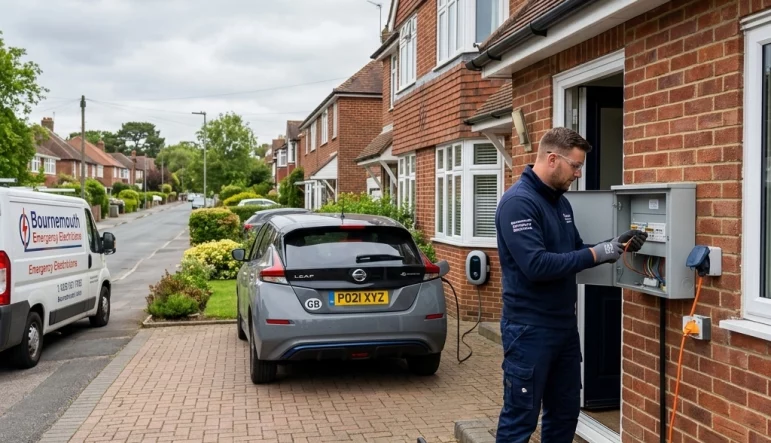
At Dorset Electrical Solutions Ltd, our team spends a significant amount of time responding to call-outs across the South Coast. As an emergency electrician in Bournemouth, we see first-hand the consequences of small electrical oversights that turn into major hazards. Many of these issues are preventable with a bit of knowledge and a proactive approach to home maintenance.
Electrical systems are often "out of sight, out of mind" until something stops working or, worse, a fire starts. Whether you are living in a Victorian terrace in Poole or a modern apartment in Bournemouth, your electrical safety should be a top priority. In this guide, we will break down the most common mistakes we encounter and how you can keep your home safe.
One of the most frequent reasons we are called out as an emergency electrician in Bournemouth is due to overloaded circuits. In the modern home, we have more gadgets than ever before: smart TVs, consoles, air fryers, and home office setups. Most older properties in Dorset were not designed to handle this level of electrical demand.
Plugging multiple high-wattage appliances into a single multi-way adapter is a recipe for disaster. A standard UK socket is rated for 13 amps. If you plug in a kettle (approx. 13 amps) and a toaster (approx. 9 amps) into the same double socket via an adapter, you are pushing the circuit beyond its intended capacity. Over time, this leads to overheating, melted plastic, and potential fires.
How to stay safe:

We often see extension leads tucked under rugs or pinned along skirting boards in homes across Poole and Bournemouth. While they are handy for temporary use, extension leads are not designed for permanent wiring.
When a lead is covered by a rug or furniture, heat cannot dissipate. This causes the internal insulation to degrade. Furthermore, walking over a cable hidden under a carpet can cause physical damage to the copper strands inside, leading to arcing: a common cause of electrical fires. If you are using an extension lead to power your home office every day, you are essentially creating a permanent trip hazard and fire risk.
Our team recommends installing additional sockets to meet your needs. You can view some of our recent socket installations and wiring projects here: https://www.dorsetelectricalsolutions.com/gallery/image-1.
Electrical systems rarely fail without giving you a few hints first. As experienced electricians Poole, we find that many emergency calls could have been avoided if the homeowner had acted on early warning signs.
If you notice any of the following, do not wait for the situation to escalate:
If you experience these symptoms, you should isolate the circuit at the fuse board and call an emergency electrician Bournemouth immediately. Ignoring these signs can lead to total circuit failure or a localized fire.

With the rise of online tutorials, many homeowners in Dorset are tempted to tackle electrical tasks themselves. While changing a lightbulb is fine, attempting to wire a new circuit, install a power shower, or replace a consumer unit without the proper qualifications is dangerous and often illegal under Part P Building Regulations.
DIY electrical work is a leading cause of domestic electrical accidents. We frequently encounter "botched" jobs where wires have been joined with terminal blocks and wrapped in household tape, or where the wrong gauge of wire has been used for the load. Not only does this put your family at risk, but it can also void your home insurance.
When you hire a professional electrician Dorset, you are paying for the peace of mind that the work is compliant with BS 7671 standards. Our team provides the necessary certification for all major works, ensuring your home remains safe and legal.
Living on the coast means our homes are exposed to significant moisture and salt air. Outdoor lighting and power sockets are particularly vulnerable. We often respond to calls where the RCD (Residual Current Device) keeps tripping, only to find that water has entered an outdoor socket or a garden light.
Many people make the mistake of using indoor-rated extension leads to power lawnmowers or festive lights. Indoor equipment does not have the necessary IP (Ingress Protection) rating to keep out water. Even a small amount of dampness in a shed or garage can cause a short circuit.
Outdoor safety tips:
You can see examples of our weatherproof outdoor installations here: https://www.dorsetelectricalsolutions.com/gallery/image-5.

Improving your home's electrical safety doesn't always have to be about fixing faults; it can also be about upgrading for efficiency. At Dorset Electrical Solutions Ltd, we often suggest LED lighting upgrades to our clients.
LEDs use significantly less energy than traditional halogen bulbs, which saves money on your monthly bills. From a safety perspective, LEDs run much cooler. Halogen bulbs can reach temperatures high enough to scorch surrounding materials if they are too close to insulation or wood. By switching to LED, you reduce the fire risk in your loft or ceiling voids.
Additionally, consider a smart thermostat. This allows you to manage your heating remotely, ensuring you aren't wasting energy when the house is empty. Efficient energy usage puts less strain on your boiler’s electrical components, potentially extending the life of your system.
The RCD is the single most important safety device in your fuse board. It is designed to trip and cut off the power in a fraction of a second if it detects a leak of electricity to earth (which happens during a shock).
However, RCDs can seize up if they aren't used. Most manufacturers recommend pressing the "Test" button on your consumer unit every six months. If the RCD does not trip when you press the button, it is faulty and needs replacing. This is a simple check that every homeowner in Bournemouth and Poole should perform to ensure their family is protected from electrocution.

If you are unsure about the state of your wiring, the best course of action is an Electrical Installation Condition Report (EICR). This is a deep-dive inspection where a qualified electrician Dorset tests the integrity of your circuits, earthing, and bonding.
For homeowners, we recommend an inspection every ten years. If you are moving into a new property in the Hampshire or Wiltshire area, we strongly suggest getting an EICR before you complete the purchase. It can highlight hidden issues like outdated "rubber" wiring or lack of proper earthing that could cost thousands to fix later.
Our team at Dorset Electrical Solutions Ltd is fully equipped to handle domestic, commercial, and industrial inspections. You can learn more about our comprehensive services on our home page: https://www.dorsetelectricalsolutions.com/.
Maintaining a safe home doesn't require technical expertise, just a bit of vigilance and common sense. To recap:
By following these tips, you can significantly reduce the likelihood of needing an emergency electrician in Bournemouth. If you have concerns about your home's wiring or want to upgrade your systems for better safety and efficiency, our team is here to help.
Thanks – The team at Dorset Electrical Solutions Ltd